
 By Nana Muazin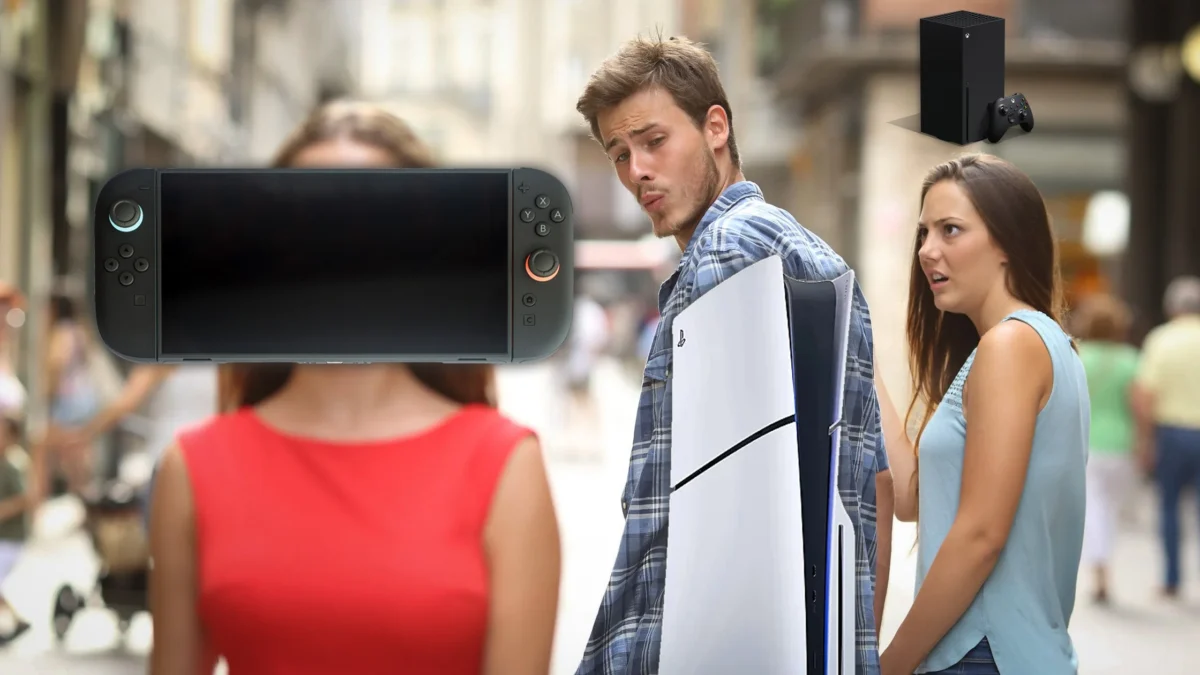
The global gaming hardware landscape is currently defined by a jarring paradox. On one hand, the industry is witnessing historic sales performances that evoke the golden age of console gaming. On the other, the financial foundation of the hardware market is rapidly eroding, pushed to the brink by soaring component costs, AI-driven competition for silicon, and a series of aggressive price hikes that are alienating the average consumer.
As of May 2026, the industry sits at a crossroads. While the Nintendo Switch 2 has enjoyed a triumphant debut, the broader market is struggling with a "component shortage crisis" that shows no signs of relenting, threatening to turn gaming consoles into luxury goods that few can afford.
The State of the Market: A Tale of Two Realities
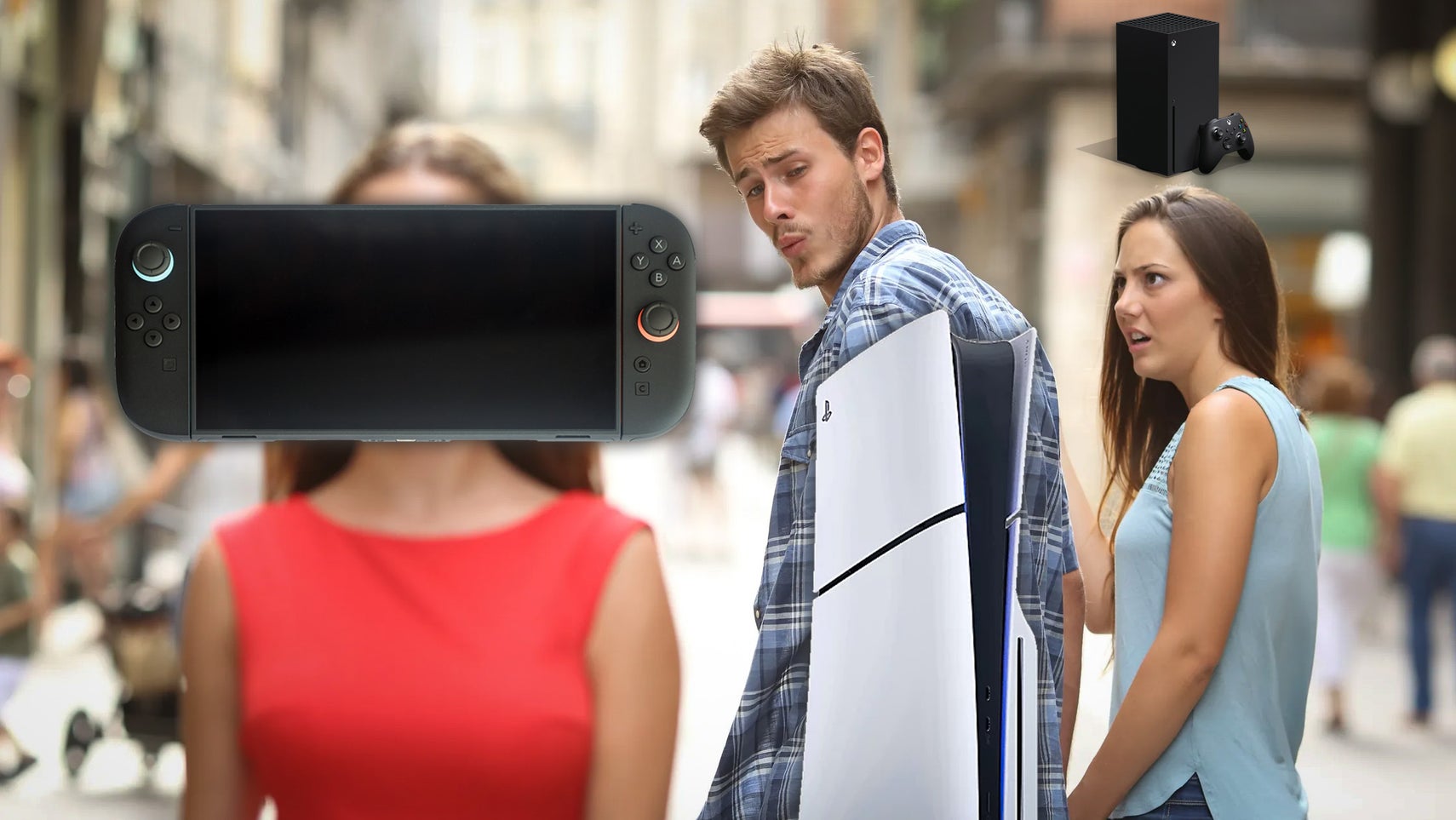
According to the latest data from market research firm Circana, the North American gaming hardware sector is experiencing a massive divergence. The Nintendo Switch 2 has defied the challenging economic climate, shifting 5.9 million units in its first 12 months on the market. This achievement makes it the second fastest-selling console in US history, trailing only the legendary Game Boy Advance, which moved 6.5 million units in its debut year back in 2001.
However, the picture for the industry’s heavyweights—Sony and Microsoft—is increasingly bleak. In May 2026, PlayStation 5 sales plummeted by 58% year-on-year, marking their lowest May total since the year 2000. Microsoft’s Xbox fared only marginally better, with sales falling by 12% to record their lowest-ever May performance.
The driving force behind these plummeting figures is clear: price. The average price paid for a new gaming console in the US has spiked from $440 last year to $502 today. PlayStation 5 units are now averaging $672, a 33% increase, while Xbox Series X/S pricing has climbed 22% to $524.
Chronology of the Component Crisis
To understand how we reached this point, one must look at the convergence of global supply chain disruptions and the explosive growth of the Artificial Intelligence sector.
- Early 2025: Initial reports emerge that AI data centers are aggressively outbidding consumer electronics manufacturers for high-end semiconductors and RAM modules.
- March 2026: Sony announces a significant round of price hikes for the PS5, PS5 Pro, and the PlayStation Portal, citing the rising cost of logistics and raw materials.
- May 2026: Circana releases its monthly report, confirming that consumer hardware spending is propped up almost entirely by the Switch 2, while the high-performance console market begins to contract significantly.
- June 2026: Microsoft issues a fresh round of price increases for the Xbox ecosystem, further straining the relationship between the platform holder and its install base.
- Future Outlook: Microsoft has publicly warned stakeholders to prepare for a "doubling" of component costs by autumn 2027, suggesting that the current inflationary trend is not a temporary spike, but a structural shift in the industry.
The "AI Effect" and the Semiconductor Bottleneck
The primary culprit behind these surging costs is the insatiable demand for high-performance computing power required to train and run Large Language Models (LLMs) and other AI infrastructure. Companies like NVIDIA and AMD are prioritizing data center contracts—where profit margins are significantly higher—over the consumer gaming sector.
Because consoles rely on specialized APUs (Accelerated Processing Units) and high-speed memory, they are forced to compete for the same fabrication capacity as AI servers. When supply is limited and demand from high-paying corporate clients is limitless, the manufacturers have little choice but to pass those costs onto the consumer.
This has created a "trickle-down" effect of financial misery. When Microsoft or Sony cannot secure chips at their historical price points, they are faced with a binary choice: either sell their hardware at a massive, unsustainable loss, or raise the price and accept a contraction in their user base. As the recent sales data suggests, they have largely chosen the latter.
Official Responses and Corporate Strategy
The narrative from the manufacturers is one of reluctant necessity. Microsoft’s leadership has been vocal about the "unprecedented" nature of current market conditions. In internal briefings, the company has characterized the component shortage as a long-term challenge, rather than a short-term hurdle.
Nintendo, while seeing success with the Switch 2, has also confirmed that it will be raising the price of its hardware later this year. This is a significant move for a company that has historically prioritized hardware accessibility. The decision underscores the severity of the supply chain crisis; if even the company with the most efficient hardware design is forced to hike prices, the market is truly in a precarious position.
Valve’s experience with the recent iteration of the Steam Machine serves as a cautionary tale. Designed to provide a premium, console-like experience, the device launched at a base price of $1,000. Valve later admitted that this price point was "significantly higher" than their internal targets, and the market response was lukewarm at best. It serves as a stark reminder: there is a ceiling to what a consumer is willing to pay for a gaming device, regardless of its performance specs.
Implications: The End of the Console Generation as We Know It?
The industry is now facing a structural identity crisis. For decades, the console model has relied on the "razor and blades" strategy: sell the hardware at a loss (or at cost) to capture a user, then make the profit back on software licensing and digital services.
If the cost of hardware continues to climb, this business model becomes impossible to maintain. If a console reaches a $700 or $800 price point, it effectively exits the mass market and becomes a niche product for enthusiasts.
The GTA 6 Factor
The industry is currently pinning its hopes on the November 19, 2026, release of Grand Theft Auto 6. As the most anticipated entertainment product in history, it has the theoretical potential to force a surge in hardware sales. However, analysts are skeptical. Even if demand exists, there is the question of supply. Retailers have already issued warnings that there may not be enough consoles available to meet the potential GTA 6 holiday demand, creating a scenario where millions of consumers may be unable to play the game even if they have the budget to buy the console.
Conclusion
We are living through a period of unprecedented volatility in the gaming sector. For the first time in the history of the modern console era, prices are rising mid-cycle, and the hardware that was once designed to be a centerpiece of the living room is becoming an increasingly expensive luxury.
As we look toward 2027 and beyond, the industry must grapple with a difficult reality: the era of cheap, accessible gaming hardware may be coming to a close. Unless the component market stabilizes—or unless manufacturers find a way to decouple their hardware costs from the global AI arms race—the future of gaming will likely move further toward cloud-based solutions and mobile platforms, where the barrier to entry is not dictated by the price of a silicon chip.
For now, the Nintendo Switch 2 remains the exception that proves the rule, but as price hikes loom for the remainder of the year, the entire industry remains on a knife-edge. The question for the holiday season is no longer just "what will we play?" but rather, "will we be able to afford the hardware to play it at all?"
 Laily UPN
  Nila Kartika Wati
  Asro
Asro 