
 By Lina Hope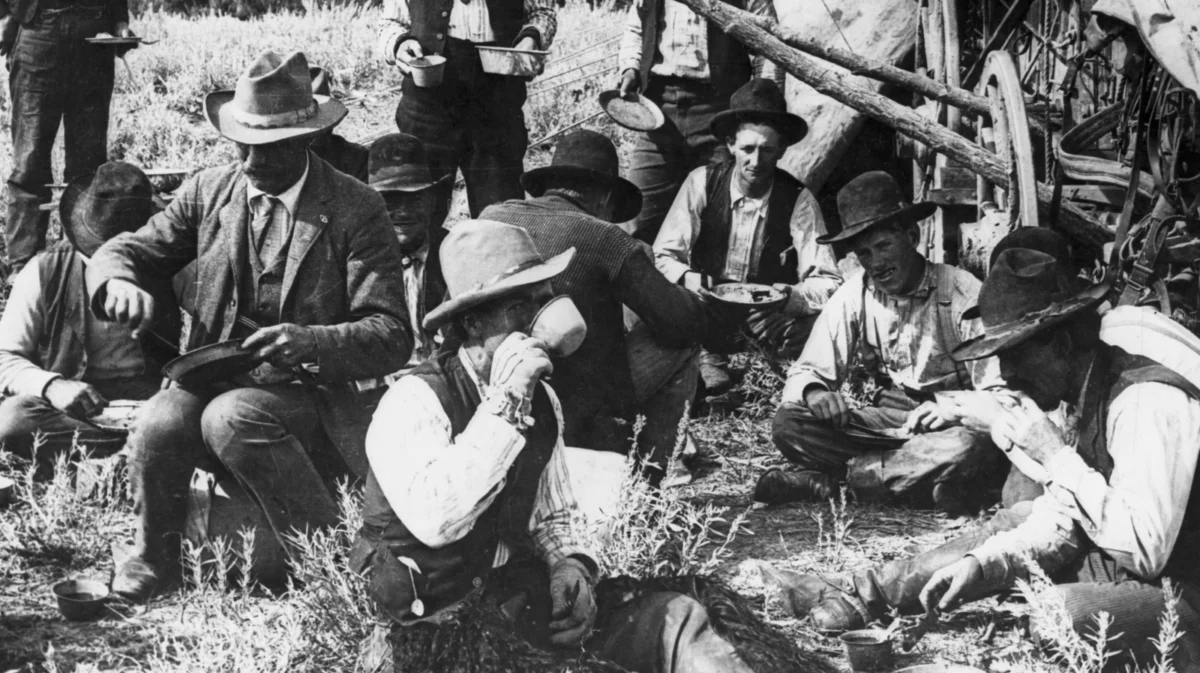
The image of the American cowboy—solitary, rugged, and etched against the horizon of the vast Western plains—is perhaps the most enduring icon of the United States’ frontier history. Yet, beneath the mythology of the gun-slinging hero lies a far more practical reality: the necessity of survival. For the men who drove millions of cattle from the ranges of Texas to the railheads of Kansas, the most pressing daily concern was not a showdown at high noon, but what the trail cook, or "cookie," would pull from the belly of the chuckwagon.
Cowboy cuisine was an exercise in extreme ingenuity. It was a fusion of necessity, Native American tradition, and the vibrant influence of Mexican vaquero culture. With limited storage, no refrigeration, and the constraints of a Dutch oven, trail cooks transformed shelf-stable staples into hearty, high-calorie fuel. These dishes didn’t just sustain a workforce; they laid the bedrock for what we now recognize as Tex-Mex and Southwestern comfort food.
The Culinary Anatomy of the Cattle Trail
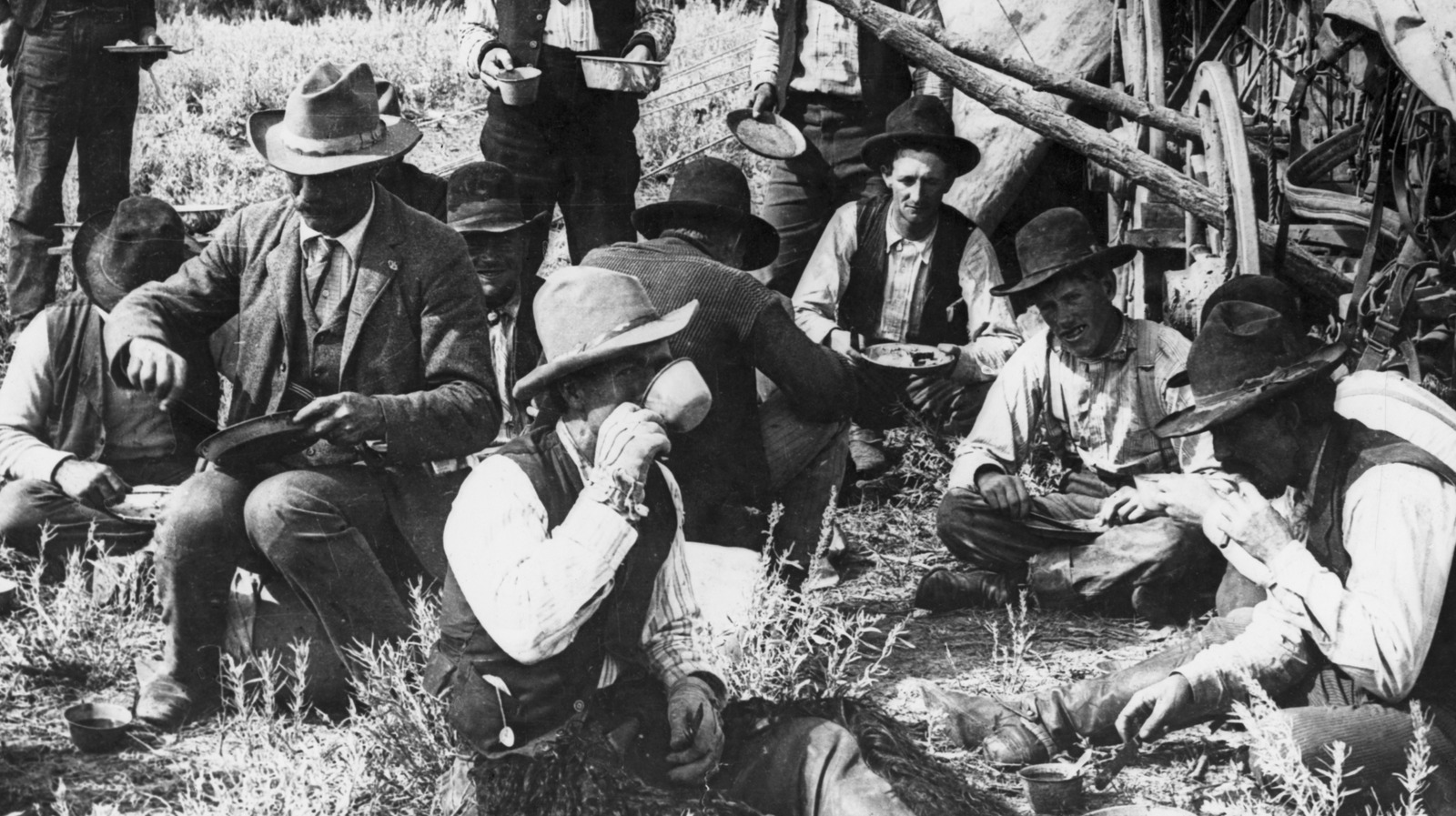
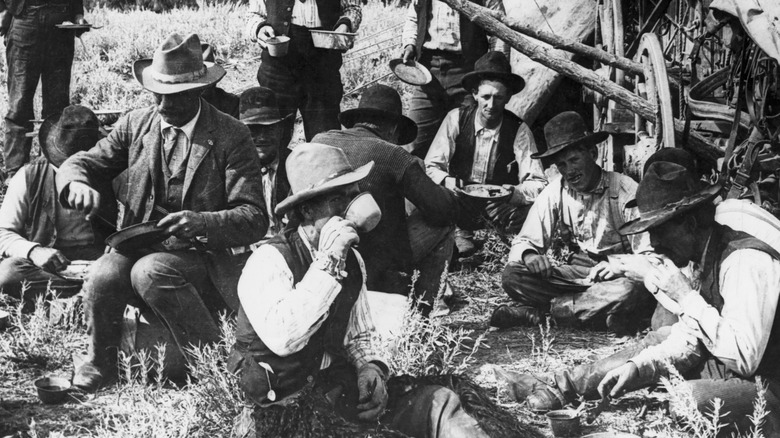
The life of a cattle drive was physically grueling, requiring upwards of 4,000 to 6,000 calories per day to maintain energy levels. The diet was dictated by the limitations of the chuckwagon—a rolling kitchen invented in 1866 by Charles Goodnight. Because the wagon had to traverse rough, trackless terrain, food had to be shelf-stable, dry, or cured.
1. Chili Con Carne: The Original Trail Fuel
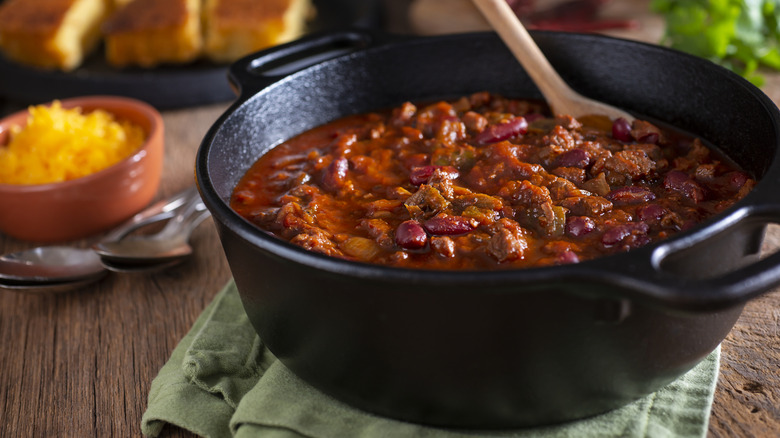
While modern debates often center on whether beans belong in chili, the original chili con carne was a testament to survivalist cooking. Emerging as a staple in the 19th-century Southwest, the dish was essentially a portable, high-energy stew.
Evidence suggests that early "chili bricks"—a mixture of dried beef, suet, chili peppers, and salt—were carried on drives. These bricks were remarkably similar to Native American pemmican, a mixture of fat and protein that could last for years. When a cook needed to feed the crew, they simply broke off a piece of a brick, threw it into a pot of boiling water, and created a dense, spicy stew. The heat of the chilies served a dual purpose: it masked the taste of questionable meat and acted as a preservative, while the capsicum provided a metabolic boost to the exhausted riders.
2. Sourdough: The Heart of the Chuckwagon
In the absence of commercial yeast, which would spoil or die in the heat of the plains, the sourdough starter was the trail cook’s most prized possession. It was treated with the same reverence as a family heirloom. A "cookie" would keep a crock of starter near the fire, feeding it with flour and water daily.
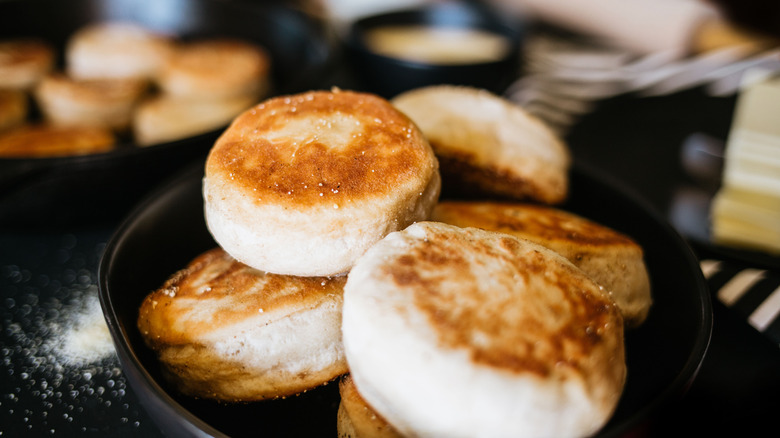
Sourdough was the foundation for almost every bread product on the trail, from thick, crusty biscuits—often called "sinkers"—to fluffy pancakes, or "flapjacks." These staples provided the essential carbohydrates needed to balance the heavy protein diet. Sourdough flapjacks, typically smothered in molasses, were the standard breakfast for cowboys, offering a quick-digesting energy source to begin the morning’s ride.
3. Huevos Rancheros: A Legacy of the Vaquero
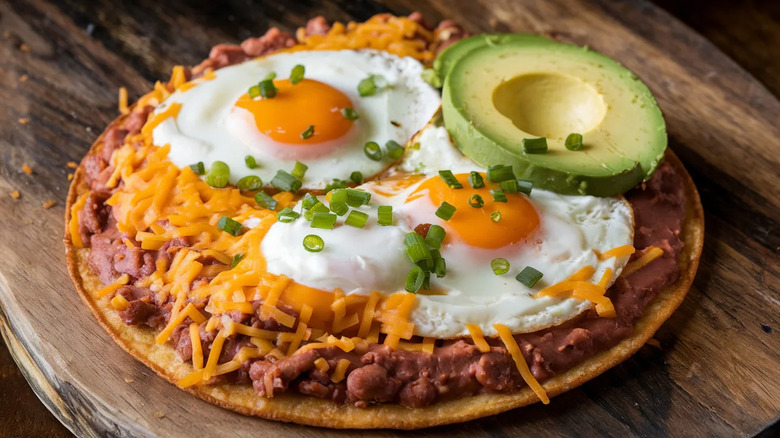
The influence of the Mexican vaquero on American ranching cannot be overstated. Long before the American cowboy hit the trail, the vaquero was refining the art of cattle management. Huevos rancheros, or "rancher’s eggs," originated in the 1500s as a hearty breakfast for those working on Mexican ranches.
Unlike the grab-and-go meals of the trail, huevos rancheros were typically prepared when the crew was stationed at a base ranch. The dish consisted of fried eggs served atop a corn tortilla, smothered in a spicy tomato-chili sauce, and accompanied by beans and potatoes. It represents the transition from subsistence trail eating to the more complex, flavorful traditions that define the modern Southwestern brunch.
4. Carne Guisada: The Art of the Stew
Beef was the one resource the cowboys had in abundance. However, it was rarely the tender cuts we enjoy today; it was usually tough, range-fed beef that required long, slow cooking to become palatable. Carne guisada—a thick, savory beef stew—became a primary method of utilizing every scrap of the animal.
By simmering chunks of beef with tomatoes, jalapeños, and local spices in a heavy Dutch oven, the cook could transform even the most fibrous cuts into a tender, flavorful meal. The smoky, charred flavors of the meat, often seared over an open wood fire, gave the stew a depth that became a hallmark of Western cooking. It remains a staple in Tex-Mex cuisine today, symbolizing the thriftiness and skill of the original frontier cooks.
5. Enchiladas: Ancient Roots, Modern Convenience
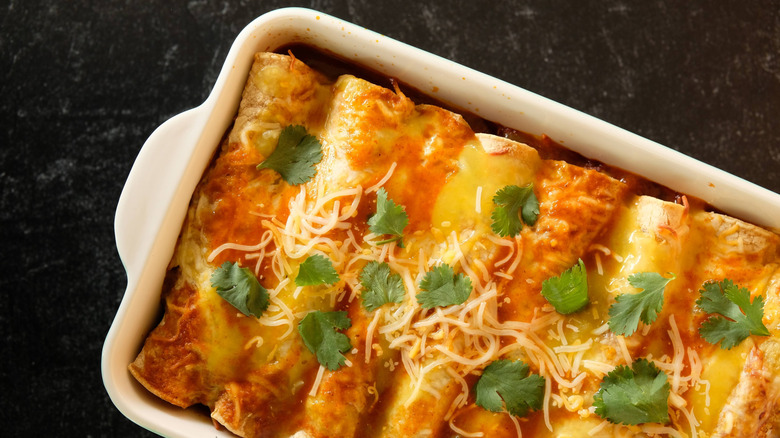
The lineage of the enchilada stretches back to the Aztec Empire, where it was known as chīllapīzzali. When Spanish conquistadors arrived, they were fascinated by the tortilla-based delicacy, which provided a portable and nutrient-dense meal.
By the time the cattle drives began, the dish had evolved into a staple that was perfectly suited for the frontier. Because tortillas are shelf-stable and easy to stack, and the fillings—beans, cheese, or leftover meat—could be easily sourced, the enchilada became an ideal trail meal. Modern versions have become significantly more elaborate, but the core appeal remains the same: a convenient, satisfying combination of starch, protein, and heat.
6. Beef Jerky: The Ultimate Portable Protein
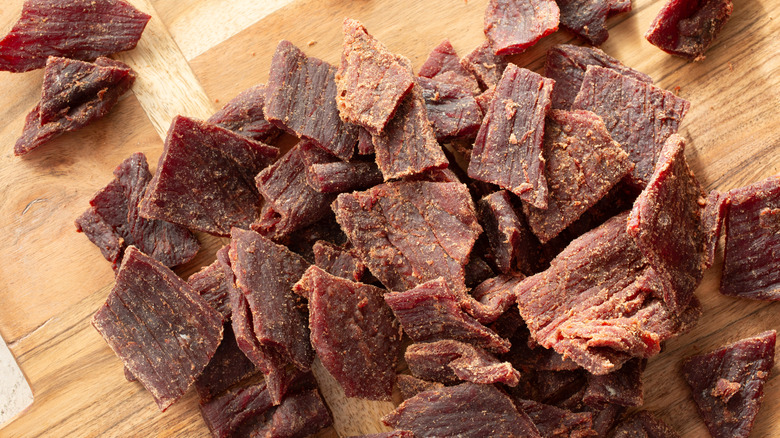
Beef jerky is perhaps the most direct link between Native American food technology and the American cowboy. By slicing meat into thin strips and drying it in the sun or over a smoke-filled fire, the water content was removed, preventing bacterial growth.
While indigenous groups historically used bison, cowboys adapted the technique for beef. Jerky served as the trail’s "energy bar." It could be eaten on horseback during a long shift or rehydrated in a pot to bulk up a stew. Its versatility as a snack and a cooking ingredient made it the backbone of the trail diet, cementing its status as an iconic American snack that remains popular in the modern era.
7. Charro Beans: The Improvisational Side
Named after the charro—the elegant, horse-riding rancher of Mexico—charro beans (frijoles charros) are the definition of "pantry" cooking. They were typically made by simmering pinto beans with whatever was available: onions, garlic, tomatoes, peppers, and occasionally scraps of bacon or sausage.
The beauty of the dish lay in its scalability. A pot of beans could feed a dozen men for a fraction of the cost of beef. They provided essential fiber and protein, and because beans could be stored dry for months, they were the perfect insurance policy against starvation. Today, charro beans are a staple side dish in Southern and Southwestern restaurants, often elevated with cilantro and fresh chiles, but retaining their humble, ranch-style roots.
8. Cornbread and Johnnycakes: The Starch Staples
Corn was a critical crop that traveled westward with settlers and traders. Because cornmeal had a much longer shelf life than wheat flour, it became the primary grain of the frontier.
Johnnycakes—a simple flatbread made of cornmeal, water, and salt—were the "quick bread" of the trail. They required no leavening and could be cooked on the flat surface of a shovel or a hot rock if a Dutch oven wasn’t available. They were, in essence, the ultimate convenience food. Cornbread, when baked in a Dutch oven, provided a comforting texture that paired perfectly with the savory gravies and stews that dominated the evening meal.
Implications for Modern Gastronomy
The legacy of these eight foods is not merely historical; it is a fundamental pillar of contemporary American dining. The "cowboy diet" was, by necessity, a prototype for what we now call "farm-to-table" or "field cooking." The emphasis on fresh-as-possible ingredients (when available), heavy reliance on spices for preservation and flavor, and the mastery of the Dutch oven have all influenced modern culinary movements.
Furthermore, the integration of Native American techniques and Mexican flavors into the cowboy diet created the foundation for Tex-Mex, one of the most successful and exported culinary genres in the world. When a diner today orders a bowl of chili or a plate of enchiladas, they are participating in a tradition that spans five centuries of innovation.
Conclusion: The Endurance of the Frontier Palate
The foods of the American cowboy were never about luxury; they were about the triumph of human ingenuity over a harsh, unforgiving landscape. The "cookie" behind the chuckwagon wasn’t just a cook; he was a chemist, a nutritionist, and an inventor.
As we look at these eight classic foods—chili, sourdough, huevos rancheros, carne guisada, enchiladas, jerky, charro beans, and cornbread—we see more than just a menu. We see the resilience of a culture that turned a long, dusty trek into a culinary heritage. These dishes remain popular not just because they are simple and delicious, but because they represent a period of American history where every bite was earned, and every meal was a hard-won victory. In an era of instant gratification, the endurance of these frontier classics serves as a reminder of the simple, honest power of hearty, resourceful food.
 Raul Delapena Setiawan
  Basiran
  Nana
Nana 