
 By Reynand Wu
For over a decade, the design world was held in a vice grip of "bland-ification." Following the chaotic, high-energy visual language of the 90s and early 2000s, the industry pivoted toward a rigid, sterile minimalism. Brands clamored for white space, sans-serif typography, and a "less is more" ethos that prioritized grid-based perfection above all else. But in an era where software can generate infinite, flawless compositions in milliseconds, the creative community has begun to grow restless. The result is a surging counter-movement: the rise of "anti-design."
Anti-design is not merely an absence of quality; it is a deliberate rebellion against the hyper-curated, algorithmic perfection that has come to define modern digital interfaces. It is a movement that favors the jagged, the asymmetric, and the raw. To understand this paradigm shift, we sat down with Ollie Patterson, managing director at the creative agency Mynt, to explore the value of intentional imperfection, the role of AI in the creative cycle, and why the future of branding lies in the flaws we’ve spent years trying to hide.
The Chronology of Aesthetic Fatigue
The trajectory of design trends often functions as a pendulum. The late 20th century was defined by an explosion of postmodernism—an era of clashing colors, experimental layouts, and the "rule-breaking" ethos of the early internet. However, as the digital landscape matured, the industry sought order. The mid-2010s saw the hegemony of the "Corporate Memphis" style and the ultra-sanitized aesthetic of tech giants.
By 2020, this obsession with pixel-perfect minimalism had hit a wall of diminishing returns. As digital environments became increasingly indistinguishable, brands struggled to cultivate a unique voice. The fatigue was not just aesthetic; it was emotional. Consumers, bombarded by the uncanny valley of high-production, filter-heavy content, began to crave something that felt—above all else—real.

The Case for Imperfection: Why "Real" Wins
The transition toward anti-design is fundamentally a reaction to the loss of human touch. According to Ollie Patterson, the shift is driven by a profound consumer desire for authenticity.
"Imperfections are the things we can relate to and fall in love with," Patterson explains. "When everything is too polished and perfect, it feels out of reach, manufactured, and ultimately, cold. It’s the small flaws and the unexpected design elements that demonstrate genuine human effort."
In the current climate, trust is the most valuable currency a brand can possess. In a world where AI can synthesize a photorealistic image in seconds, the "perfect" visual has become a commodity. By contrast, the "imperfect" design carries the hallmark of a human hand—a signal of intent that resonates with an audience increasingly cynical of curated, synthetic perfection.
The AI Paradox: Why Technology Makes Us Value the Flaw
The rapid advancement of Artificial Intelligence has acted as an accelerant for the anti-design movement. As AI-powered design tools become ubiquitous, the baseline for "polished" visual output has dropped to near zero. Anyone can now generate a balanced, aesthetically pleasing, and technically correct image.
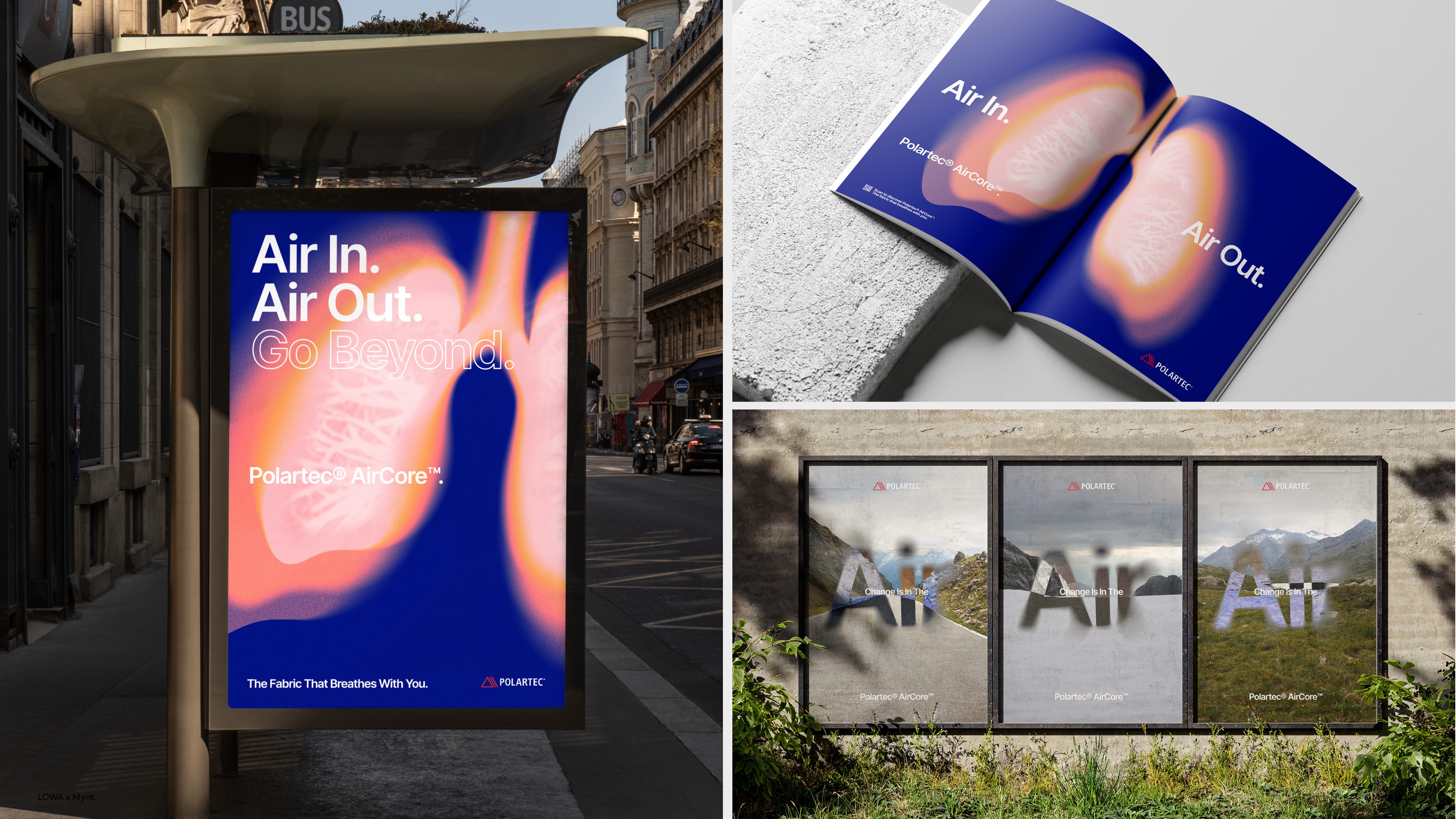
"AI can produce vast quantities of clean, polished visuals," says Patterson. "But when everyone has access to the same tools, and the easier ‘perfection’ becomes to create, the less interesting it becomes. This is where authenticity becomes the ultimate differentiator."
The brands that will define the next decade are not those that outsource their visual strategy to an algorithm, but those that use technology as a tool while maintaining a distinct, human-centric point of view. The irony of the current creative cycle is that by making high-end technical design easier, technology has effectively increased the value of "human-made" flaws.
Defining "Crafted Imperfection" vs. "Poor Design"
A common criticism of anti-design is that it serves as an excuse for lazy work. Critics argue that the trend merely gives cover to poor technical execution. However, practitioners of the movement draw a hard line between "crafted imperfection" and simple incompetence.
The difference, Patterson emphasizes, is intent. "Crafted imperfection still has a clear purpose and communicates brilliantly—it just doesn’t feel over-engineered. Poor design is accidental; it’s the result of a lack of skill or oversight. True anti-design is a conscious choice to bypass the ‘perfect’ route to achieve a more profound emotional connection."
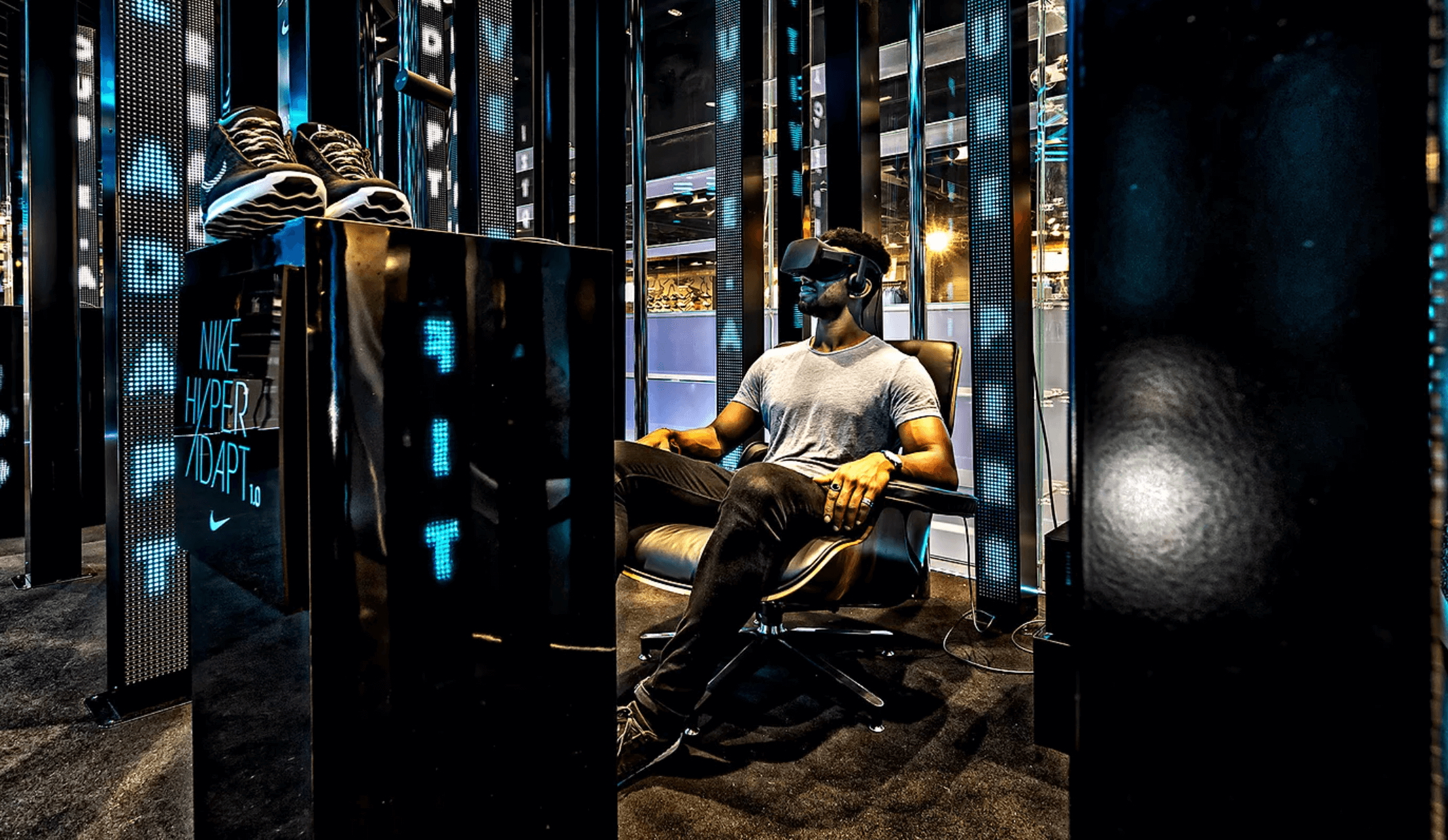
When a brand chooses to use a grainy texture, a disjointed layout, or an unconventional font, they are making a strategic decision to bypass the "uncanny" feeling of perfection. It is a calculated aesthetic risk that invites the viewer to look closer, to engage with the brand as a personality rather than a corporate entity.
Case Study: The Polaroid Rebellion
One of the most potent examples of this philosophy in practice is the recent strategy employed by Polaroid. In an industry dominated by the infinite, cloud-synced, and endlessly editable digital photos, Polaroid launched their "Flip" campaign to push back against the screen-obsessed status quo.
The campaign did not attempt to compete with the crisp, high-definition output of a smartphone camera. Instead, it celebrated the tactile, unpredictable, and raw nature of analog film. By placing billboard advertisements directly adjacent to tech giants like Apple and Google, Polaroid made the contrast between "digital perfection" and "human reality" inescapable.
"I really liked their campaign," notes Patterson. "It was a direct challenge to the reign of screens and AI. They weren’t just selling a camera; they were selling a lifestyle choice. The layouts and the typography were a celebration of not being afraid to capture the imperfections of life. That is the essence of why this movement works—it catches the heart."

Implications for the Future: A Balanced Equilibrium
What, then, comes after the anti-design trend? Are we doomed to swing back toward a new wave of extreme minimalism?
Patterson suggests that the future is not a binary choice between chaos and order, but a move toward a more nuanced equilibrium. "I don’t think we’ll suddenly swing back into a world of ultra-perfect, soulless design," he predicts. "I think we’ll see a balance. Brands are becoming more selective about where they introduce imperfections."
This "selective imperfection" will be the hallmark of sophisticated branding in the coming years. Winners in the market will be the organizations that understand the hierarchy of their own identity: when to be surgically precise and when to let the human element shine through.
The move toward anti-design is a reminder that the goal of design is not to achieve a perfect, sterile output, but to build a bridge between a brand and a person. In an increasingly automated world, the ability to signal humanity through design is not just a trend—it is a competitive necessity. As the dust settles on the era of the "perfect grid," we are entering an age where the most powerful design choice a brand can make is to simply be human.
 Lina Hope
  Pevita Pearce