
 By Reynand Wu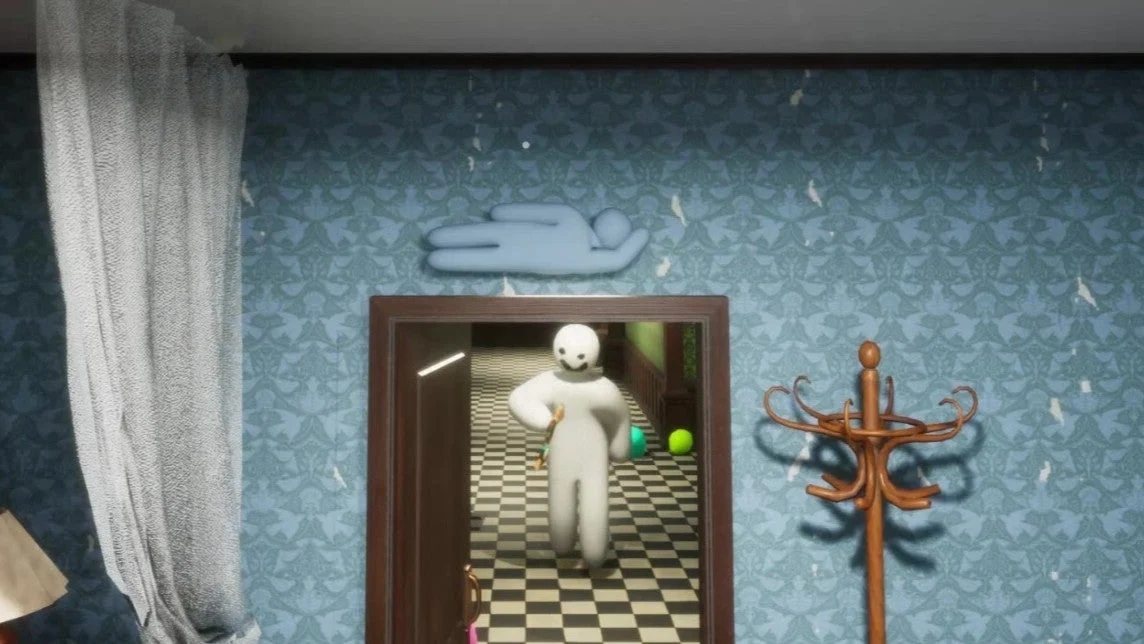
In the high-stakes landscape of modern video game development, where multi-million dollar budgets and years of marketing campaigns are often considered prerequisites for success, the indie sector continues to defy conventional wisdom. The latest entity to shatter expectations is Meccha Chameleon, a deceptively simple social hide-and-seek title that has achieved the near-impossible: moving 10 million units in a mere handful of days.
Coming just five days after the announcement that the game had reached a staggering seven million sales, this rapid ascent to the 10-million mark highlights a tectonic shift in how digital games are discovered, shared, and consumed in the age of viral social media.
A Meteoric Rise: The Chronology of Success
The journey of Meccha Chameleon is not one of slow-burn growth, but rather an explosive, vertical trajectory. Developed by the duo Lemorion_1224 and Haganerio, the title was released on June 10th with little fanfare. Yet, within weeks, it had become a fixture on platforms like Twitch and TikTok.
- June 10th: The official launch of Meccha Chameleon on Steam.
- Early July: Word-of-mouth momentum begins to build as streamers discover the game’s unique mechanics.
- Five Days Ago: Developers confirm the game has surpassed seven million units sold.
- Today: The developers announce the game has officially breached the 10 million sales milestone, a pace of growth that puts many AAA franchises to shame.
The speed at which the game moved from seven million to 10 million copies—a gain of three million units in less than a week—suggests that the game has moved beyond niche interest into the realm of a genuine global phenomenon.
Understanding the Mechanics: Why It Works
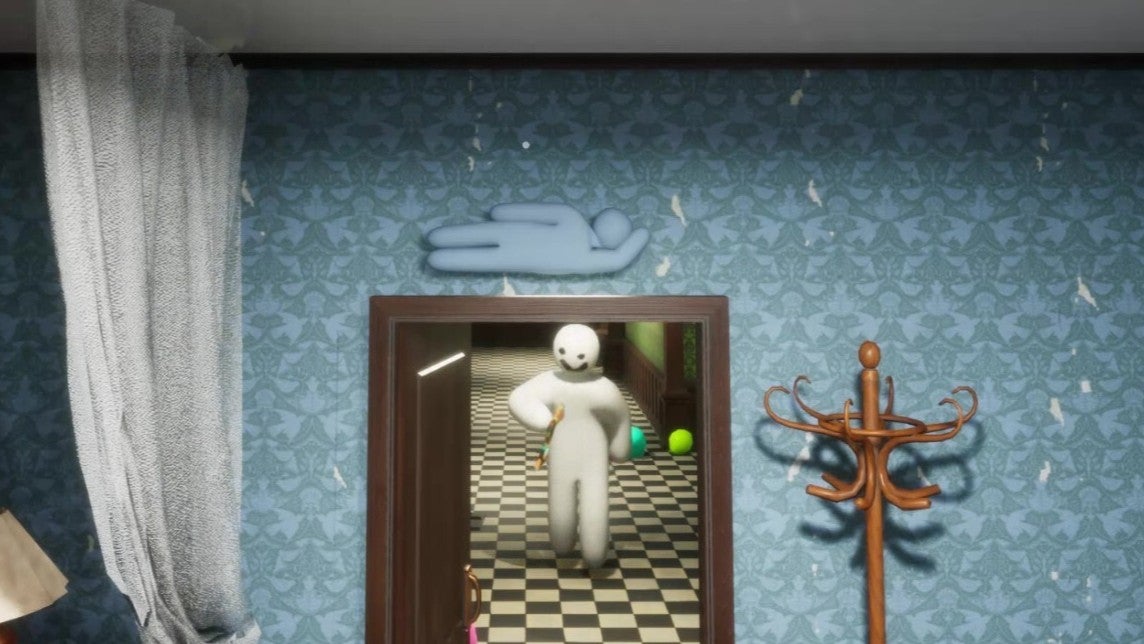
At its core, Meccha Chameleon is built upon a premise that is as intuitive as it is addictive. Players are tasked with using a variety of sophisticated paint tools to blend seamlessly into their surroundings, effectively camouflaging themselves against walls, floors, and environmental assets. Simultaneously, other players act as hunters, scouring the map to identify the "chameleons" hidden in plain sight.
The game thrives on high-tension moments of discovery. It taps into the same psychological thrill found in "Prop Hunt" style games, but iterates on the formula with polished mechanics and a vibrant, accessible aesthetic. This simplicity is its greatest strength; it is easy to pick up, impossible to master, and—crucially—highly entertaining to watch.
Supporting Data: The Power of Low-Cost Accessibility
To understand why Meccha Chameleon has succeeded where gargantuan projects often fail, one must look at the pricing model. While AAA titles continue to test the upper limits of consumer price points—often retailing at £59.99 or higher—Meccha Chameleon is available for just £5.29.
This price point removes the "barrier to entry." It turns the game into a "no-brainer" purchase for friend groups looking for a weekend activity. When comparing the cost of a single major studio release to the cost of Meccha Chameleon, a player could theoretically purchase copies for ten friends and still spend less than the cost of one standard edition AAA game.
This strategy mirrors the success of other viral hits:
- Among Us: Proved that social deduction games thrive on low cost and high accessibility.
- Lethal Company: Demonstrated that horror-comedy co-op is a goldmine for streamer engagement.
- REPO: Highlighted the growing appetite for experimental, cooperative multiplayer experiences.
Official Responses and Developer Transparency
The developers, Lemorion_1224 and Haganerio, have maintained a remarkably grounded presence throughout this whirlwind. In a succinct statement posted to the game’s Steam news hub, they expressed a mixture of gratitude and shock: "We hit 10 million sales! Thank you so much for your support!"
However, the path to 10 million has not been without its technical hurdles. In celebration of the initial seven-million-copy milestone, the developers attempted to release a Japan-themed map. The rollout of update 1.8.1 was, however, marred by technical issues, forcing the team to roll back the update on the same day it launched. This level of transparency—admitting to a bug and correcting course immediately—has endeared the developers to their growing player base, who seem to appreciate the "human" element of the studio’s management.
The Implications: A New Era for Indie Development
The success of Meccha Chameleon serves as a case study for the industry at large. It validates the idea that in the current market, "virality" is the new marketing budget. When a game provides a canvas for content creators to produce hilarious, high-stakes clips, the players effectively become the marketing department.

The Death of the "Slow Burn"?
For years, the industry standard was a long, protracted PR cycle: trailers, previews, interviews, and reviews leading up to a "big day." Meccha Chameleon suggests that for indie developers, the traditional PR cycle is becoming obsolete. Instead, success is increasingly defined by "community-led discovery." If a game is fun to watch, it will be bought.
The Sustainability Challenge
The challenge for Lemorion_1224 and Haganerio now lies in longevity. Transitioning from a viral hit to a long-term service title requires consistent updates, server stability, and the introduction of new mechanics to prevent the gameplay from becoming stale. The recent issues with the 1.8.1 update highlight the growing pains inherent in scaling an infrastructure designed for a few thousand players to accommodate ten million.
The AAA/Indie Dichotomy
Critics and analysts are already noting the stark contrast between Meccha Chameleon and the wider industry. When a £5.29 game outperforms titles with hundreds of millions in development and marketing spend, it forces a conversation about value. Players are clearly signaling that they are tired of bloated, expensive experiences and are instead craving tight, focused, and social-first gameplay loops.
Conclusion: A Chameleon in the Crowd
As Meccha Chameleon continues to dominate the charts, it stands as a testament to the unpredictable nature of the modern digital marketplace. It is a reminder that in an industry obsessed with graphics, scale, and cinematic narrative, there is still immense power in a simple, well-executed idea.
Whether Meccha Chameleon can maintain this momentum remains to be seen. However, for now, the game has secured its place in the history books of indie gaming. It has proven that if you give the world a reason to laugh, a reason to play, and a price that makes the decision easy, you don’t just sell a game—you start a movement.
As the developers look toward the future, the global gaming community will be watching with bated breath to see if this chameleon can continue to adapt and thrive in an environment that is increasingly difficult to predict. For now, the developers are enjoying their victory, and ten million players are enjoying the hunt.
 Nana Muazin
  Laily UPN
  Nila Kartika Wati