
 By Evan Lee Salim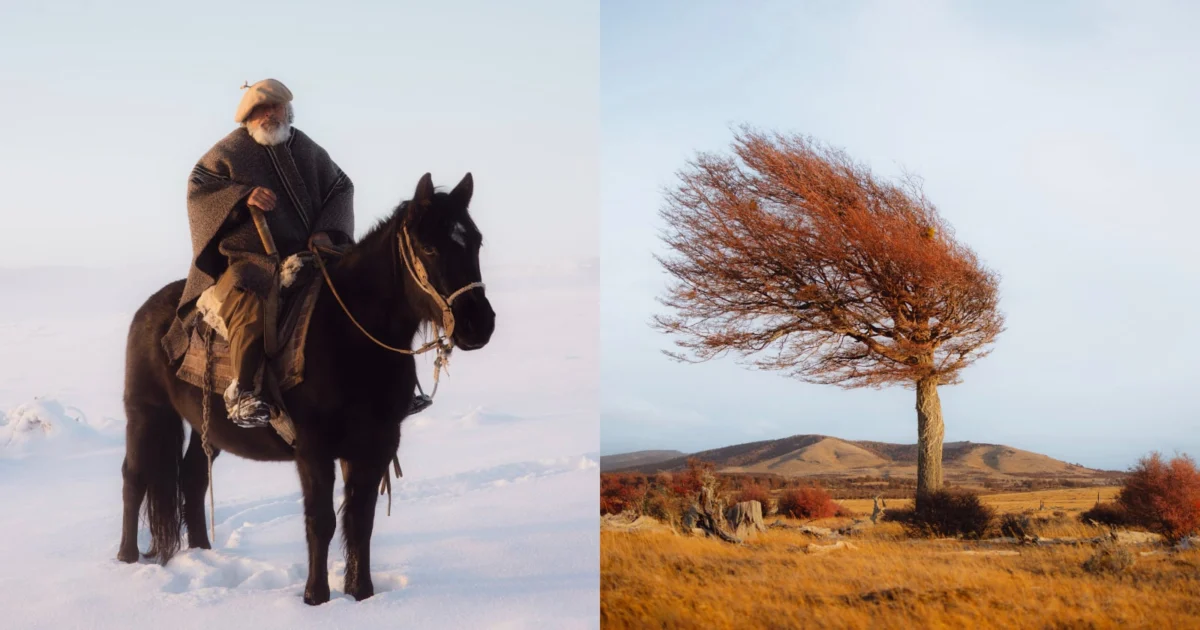
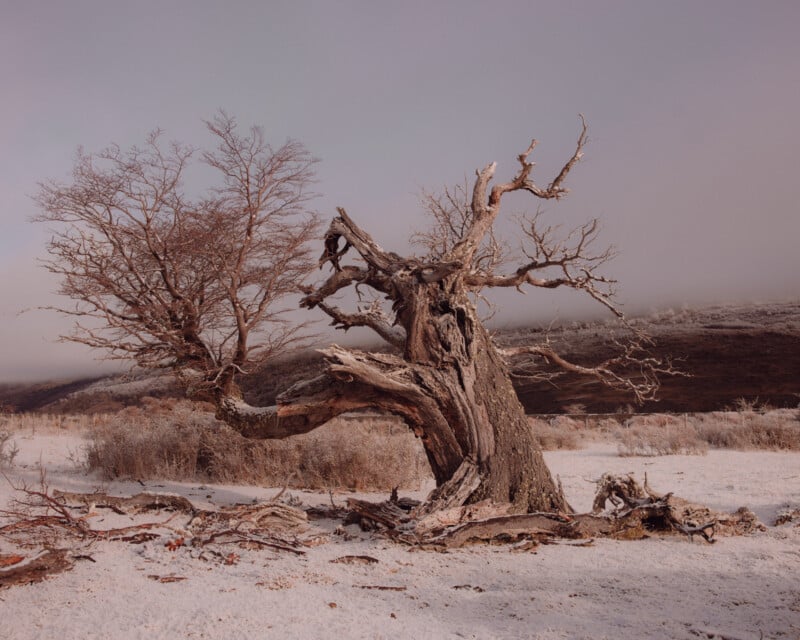
In the vast, windswept wilderness of the Chilean region of Magallanes, a quiet extinction is taking place. It is not the sudden collapse of a species, but the slow, inevitable erosion of a human way of life. For six years, Dutch photographer Pie Aerts has immersed himself in this rugged, unforgiving landscape to document the lives of the puesteros—the solitary ranchers who serve as the backbone of Patagonia’s livestock industry. His upcoming monograph, Coirón, set to be published by GOST Books this September, serves as both a visual eulogy and an intimate study of a vanishing archetype.
The Life of the Puesteros: A Reality Defined by Isolation
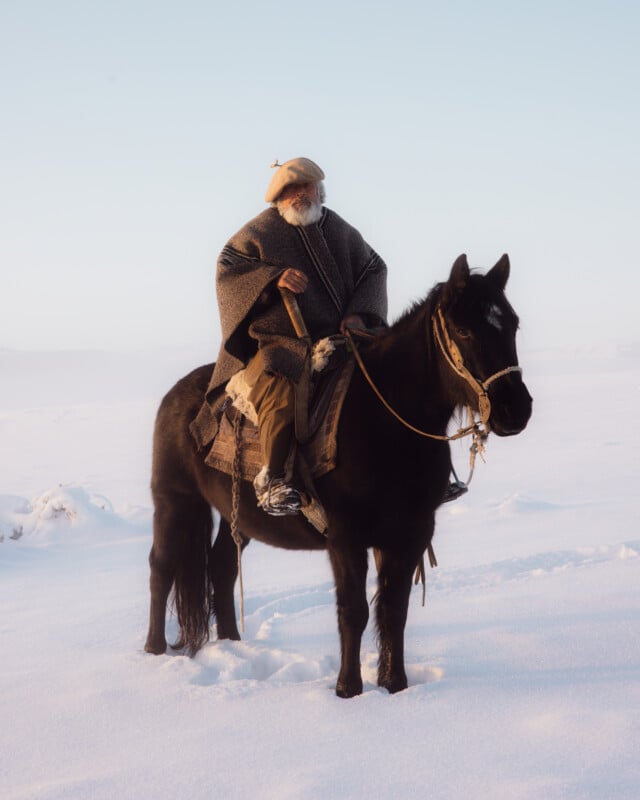
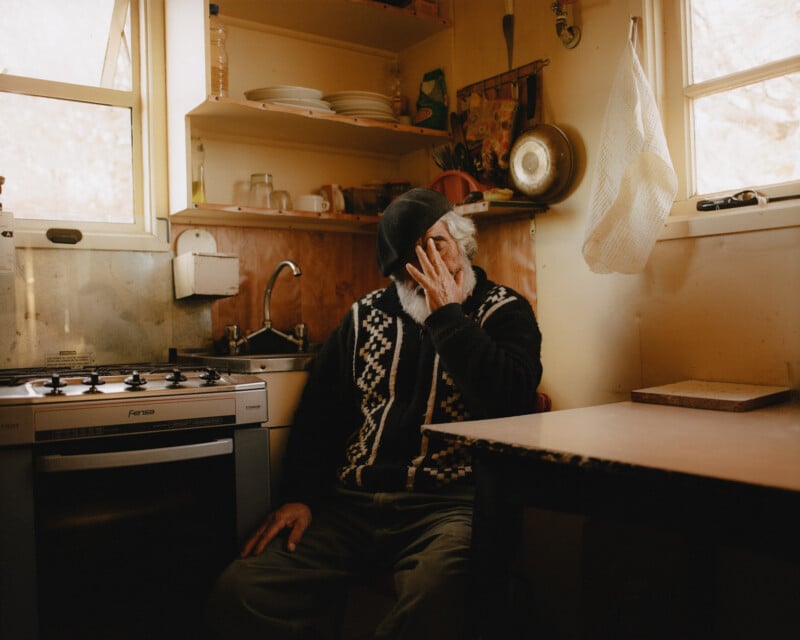
The puesteros are the ghosts of the Chilean plains. Often referred to as aging gauchos, these men spend the vast majority of their lives in total isolation. They reside in humble, often dilapidated shelters—the puestos—scattered across immense, privately owned ranches. For months at a time, their only companions are their working dogs and the relentless, biting winds of the southern hemisphere.
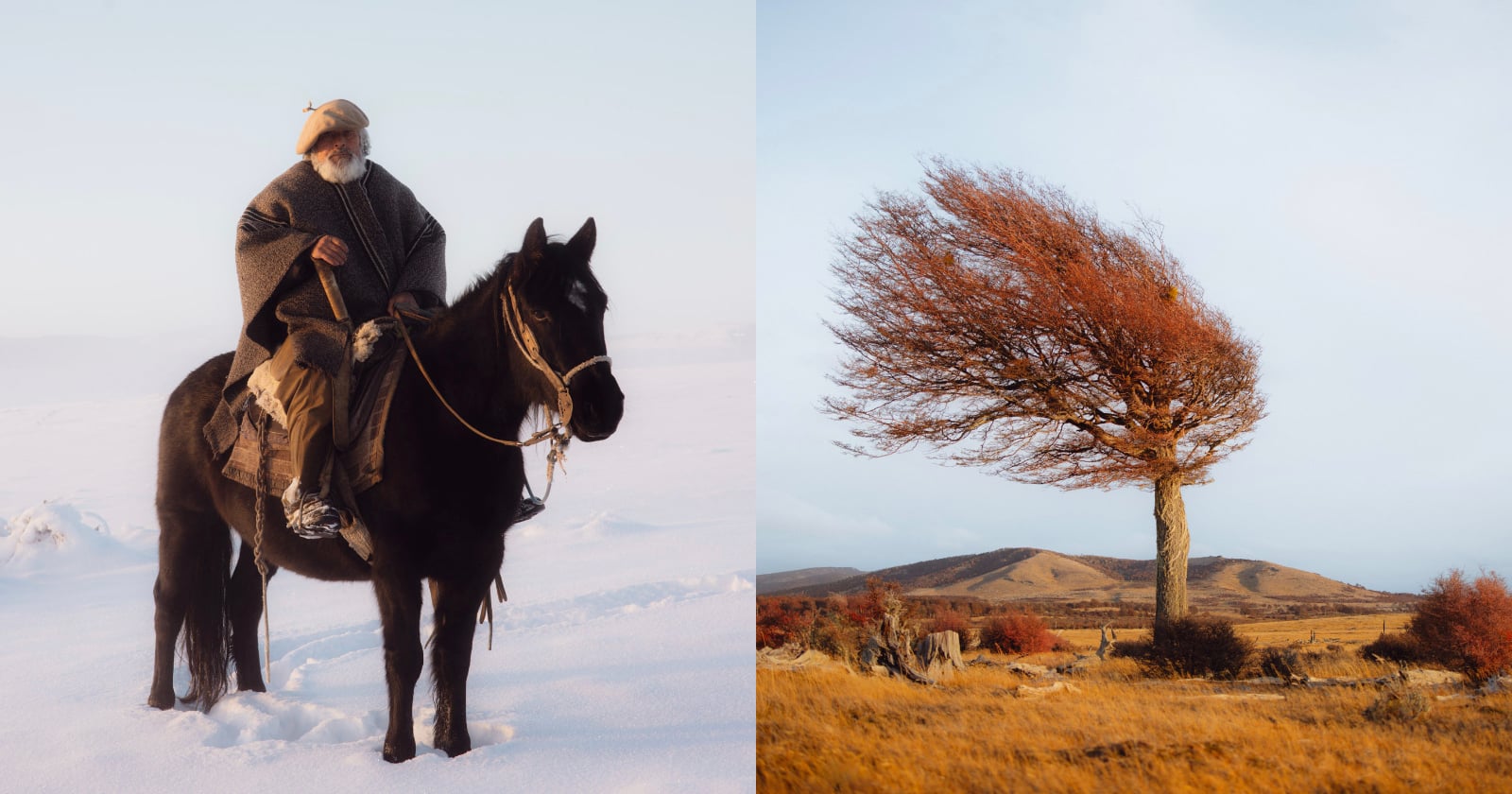
Their existence is governed by the rhythms of the land: the movement of livestock, the seasonal shifts of the climate, and the physical toll of manual labor. It is a life stripped of modern conveniences and social networks. As Aerts observed throughout his six-year project, the puesteros are shaped by a profound, decades-long silence. They are men who, by choice or by circumstance, have retreated to the furthest edges of civilization, living on land they do not own and possessing little in the way of financial or social security for their twilight years.
Chronology of an Immersive Project
Pie Aerts’ journey into the heart of Magallanes began not as a grand historical survey, but as a personal inquiry into the nature of solitude.
- 2019–2020: The Initial Foray. Aerts first arrived in the region, initially struck by the stark beauty of the landscape and the architectural fragility of the puestos. During these first trips, he began to earn the trust of the local ranchers, a group notoriously wary of outsiders.
- 2021–2023: Deepening the Narrative. As the COVID-19 pandemic paralyzed much of the world, the isolation of the puesteros became even more pronounced. Aerts returned repeatedly, spending months at a time living alongside these men. It was during this period that he transitioned from documenting the landscape to capturing the raw, often painful emotional reality of their lives.
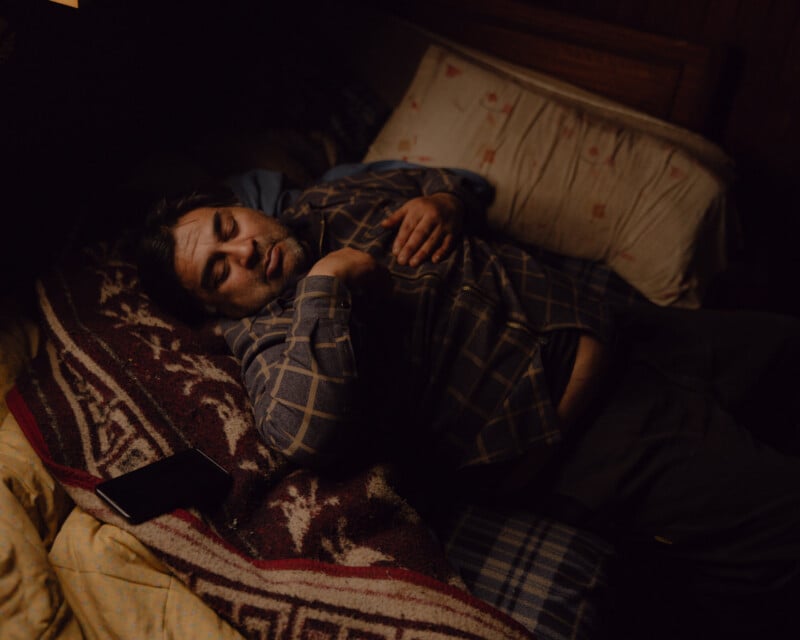
- 2024: The Synthesis. The final phase of the project focused on the intersection of personal history and cultural decline. Aerts captured the stories of individuals like Luis, who sought refuge in the wilderness after a traumatic youth, and Oscar, whose life was upended when his humble home was destroyed by fire.
- September 2026: The Release. Coirón is scheduled for global release, acting as a historical record of a lifestyle that is rapidly slipping through the fingers of history.
Supporting Data and the Human Cost
The decline of the puestero tradition is backed by a shift in regional demographics and economic priorities. The Magallanes region is undergoing a modernization process that prioritizes efficiency and, increasingly, a pivot toward "gaucho tourism"—a sterilized, commercialized version of the ranching lifestyle that appeals to international visitors but fails to capture the grueling reality of the true puestero.
The human cost of this transition is stark:
- Mental Health Stigma: In a culture built on stoicism, masculinity, and the denial of emotion, the puesteros have long suffered in silence. Aerts’ documentation reveals a high incidence of alcoholism and, in some cases, suicide—a direct, if rarely discussed, byproduct of decades of profound social isolation.
- The Generational Gap: The younger generation in Chile is increasingly drawn to urban centers, seeking the connectivity and professional opportunities that the rural interior cannot provide. The "generational cycle" of the farm is effectively being severed, as the youth reject the hardship of their ancestors.
- Environmental Pressures: The region is experiencing unprecedented drought and erratic climate patterns. This environmental strain places even more pressure on the puesteros, who are on the front lines of climate-induced land degradation.
Official and Personal Perspectives
While the puesteros are rarely the subjects of government policy reports, their situation is symptomatic of the broader challenges facing rural workers in Latin America. The lack of retirement provisions and the tenuous nature of their residency on private land mean that when their bodies eventually fail, they are often left with nothing.
However, the most compelling perspective comes from the photographer himself. Aerts reflects on how his time with these men forced a radical reassessment of his own character. "As long as I can remember, I’ve always feared being alone," Aerts writes. "Partly in a physical sense, but mostly in a deeper existential sense."
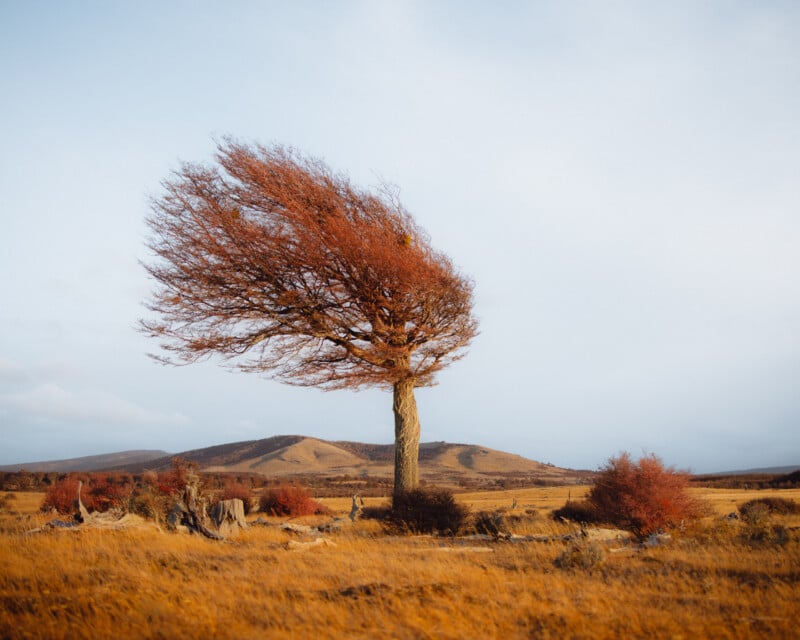
Watching the puesteros navigate their silence allowed Aerts to reframe his own fear. "Spending time in the presence of these men, while seeing them sit through a life of silence, hardship and endurance, I started to open up to a different perspective on the silence I’ve always feared. For the first time in two decades of self-discovery, I’m starting to embrace the idea that some of my fears have perhaps shaped who I am far more than I ever realized."
Implications: The End of an Era
The publication of Coirón comes at a critical juncture. The work serves as a reminder that the rapid pace of global connectivity has a "shadow side"—a trail of discarded traditions and individuals left behind by progress.
1. Cultural Erasure
The disappearance of the puestero is not merely the loss of a job description; it is the loss of a specific, localized knowledge of the land, of animal husbandry, and of a distinct form of resilience. Once this generation passes, the oral histories and the unique, stoic ethos of the Chilean gaucho will likely fade into myth.
2. The Redefinition of Solitude
Aerts’ work challenges the viewer to reconsider the value of solitude. In a world characterized by constant digital noise, the puesteros represent a form of existence that is becoming impossible to sustain. By presenting their lives with dignity rather than pity, the book asks: what do we lose when we lose the ability to be alone?
3. A Call for Reflection
Coirón is not an activist pamphlet, but its implications are clear. As the region continues to change, the puesteros remain caught between a past they cannot return to and a future that has no place for them. Their struggle, documented so meticulously by Aerts, is a mirror held up to a society that is becoming increasingly disconnected from its roots.
As the book prepares to hit shelves, it stands as a testament to the power of photography to preserve that which is fleeting. Through his lens, Pie Aerts has ensured that while the puesteros may eventually vanish from the plains of Magallanes, they will not be forgotten. The monograph invites the viewer to "pause within a world moving too quickly to keep up," offering a moment of quiet contemplation for a tradition that deserves to be seen, understood, and remembered.
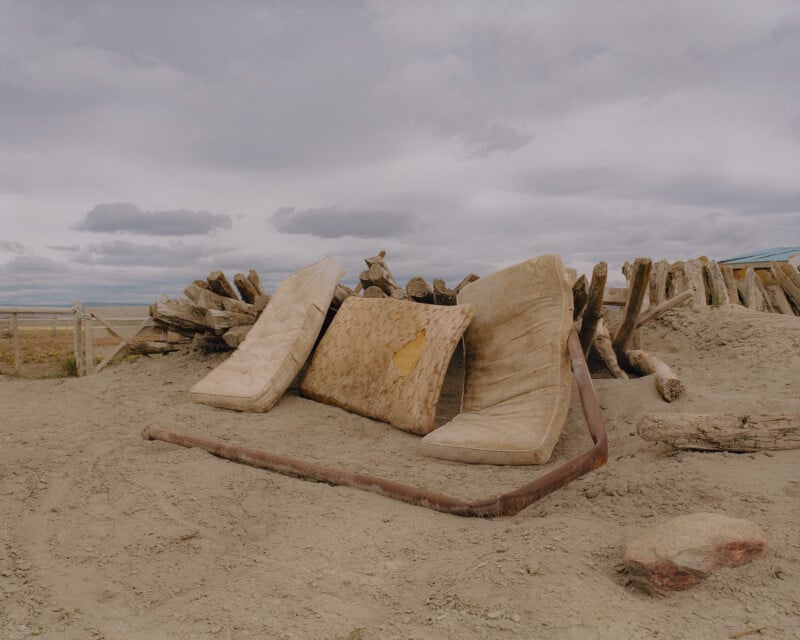
Coirón is available for pre-order via the GOST Books website.
 Ali Ikhwan
  Laily UPN
  Reynand Wu