
 By Layla Zulfa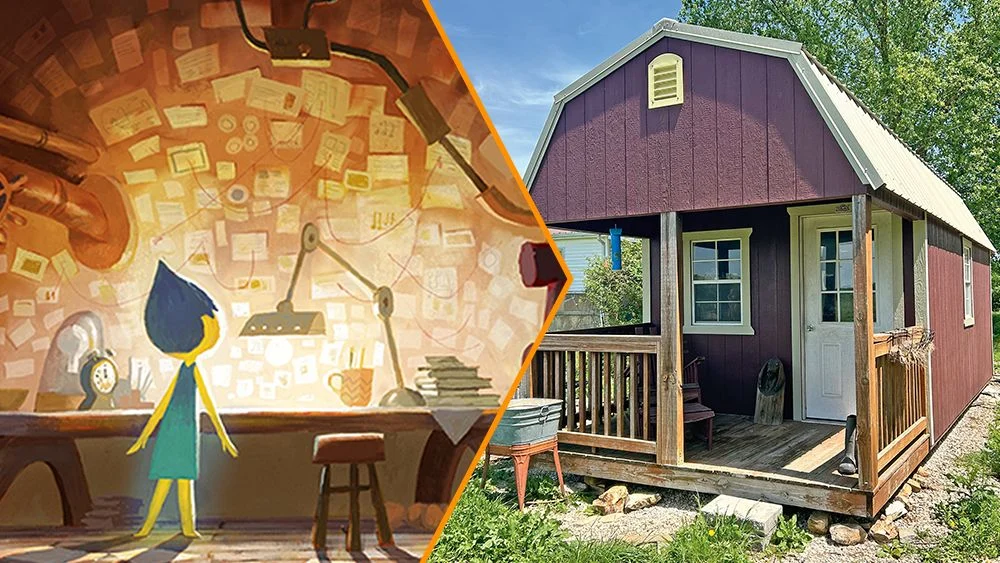
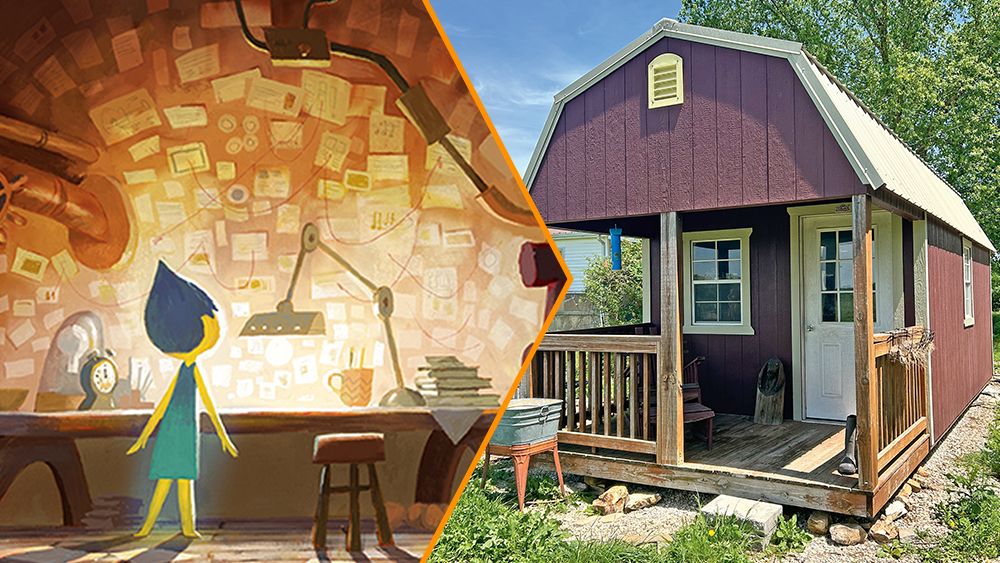
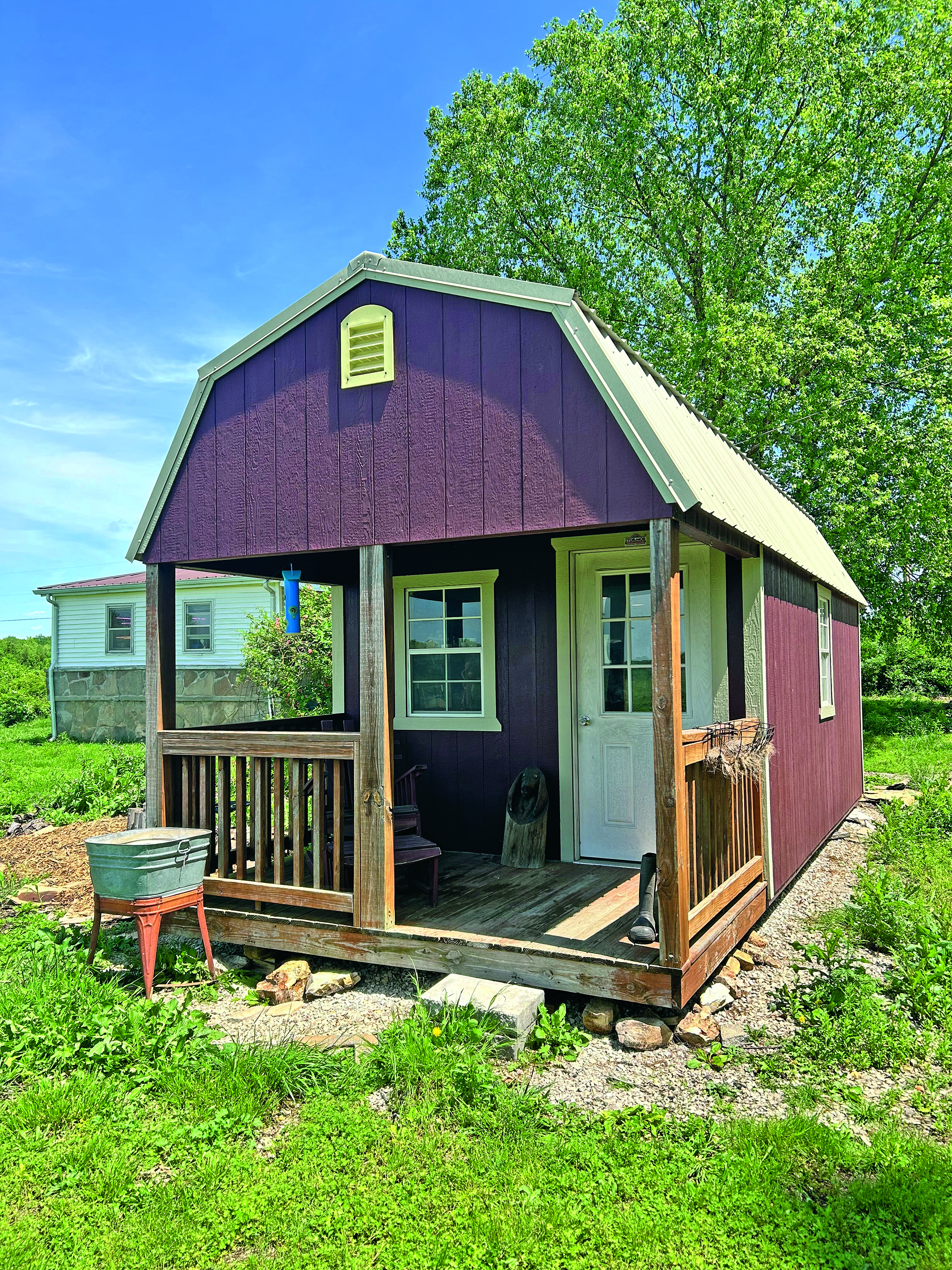
In the quiet, sprawling landscapes of southern Missouri, far removed from the neon hum and frantic pace of metropolitan art hubs, resides a creative sanctuary that defies its humble origins. For professional illustrator and visual development artist Nik Henderson, the path to a high-caliber career—which includes prestigious work for giants like Pixar, HarperCollins, and Penguin Random House—did not begin in a high-rise studio or a corporate office. Instead, it blossomed within the four walls of a modified garden shed.
This transformation of a utility space into a professional-grade art studio serves as a testament to the idea that true creativity is not dictated by location or luxury, but by the intentional design of one’s environment. Since graduating from the Savannah College of Art and Design (SCAD) in 2021, Henderson has used this shed as his primary workspace, proving that with enough insulation, drywall, and a bit of ingenuity, a "storage" unit can become a hub of world-class artistic output.
The Evolution of a Creative Sanctuary: A Chronology
The journey of Henderson’s studio began not as a grand architectural statement, but as a pragmatic solution to a post-grad reality.
- Early 2021: Following his departure from art school, Henderson sought a space where he could focus on his transition into professional illustration. He identified an underutilized shed on his property in Strafford, Missouri.
- The Retrofitting Phase: The structure, originally intended for gardening equipment and storage, underwent a significant overhaul. Henderson added insulation to combat the volatile Missouri climate, installed drywall to create a clean aesthetic, and wired the space for electricity to support his digital and traditional toolset.
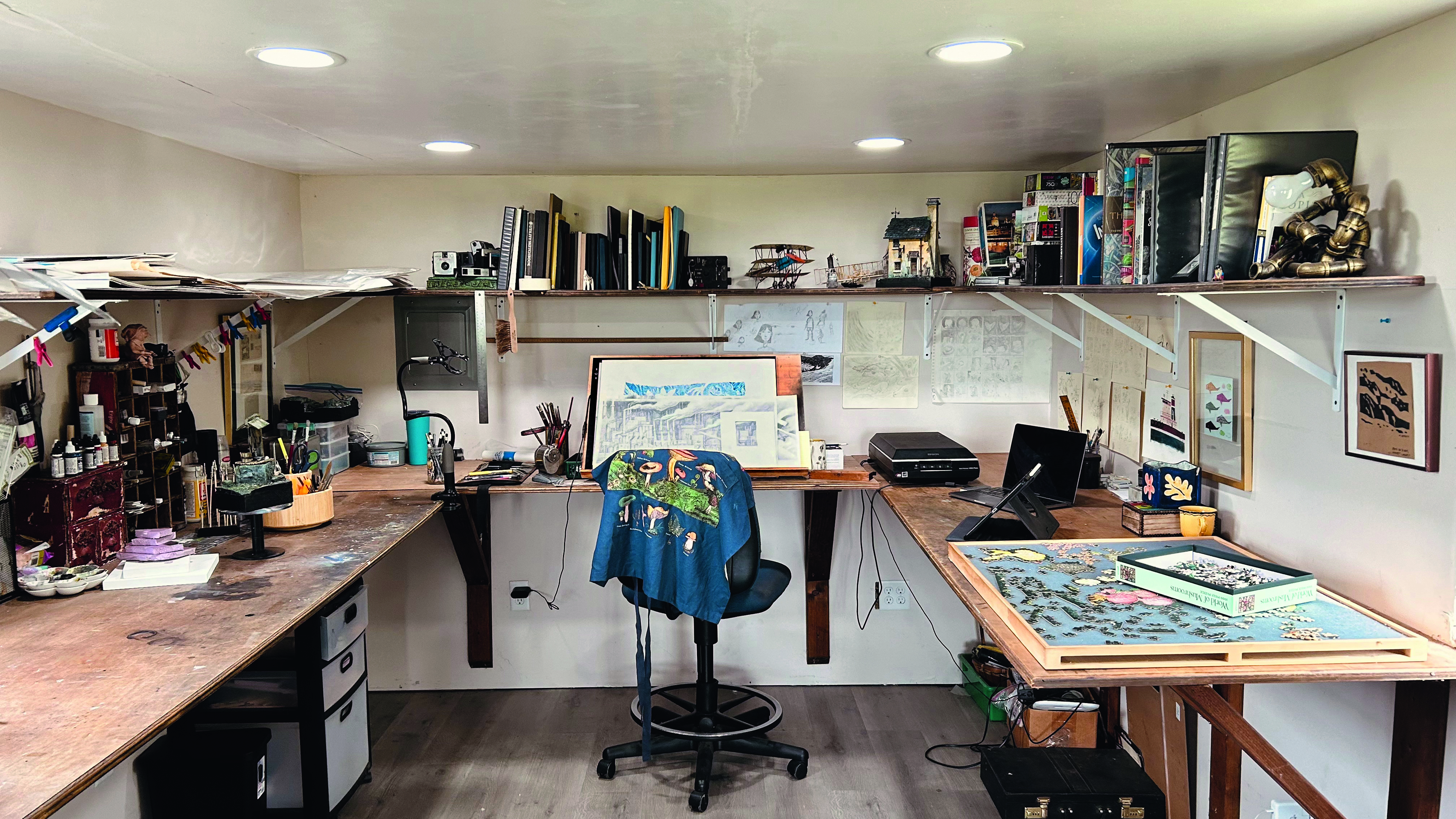
- 2022–2023: The studio began to take its final form. Henderson customized the interior with a bespoke wrap-around desk and floor-to-ceiling shelving, specifically designed to facilitate a fluid transition between traditional illustration, model building, and digital editing.
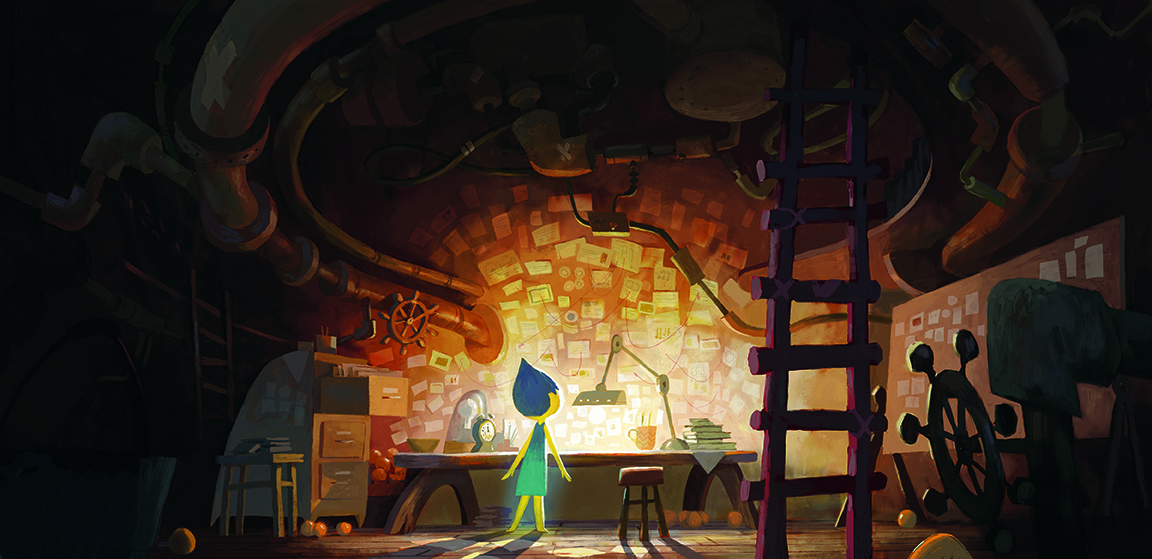
- 2024: The studio reached its current state of maturity, housing everything from high-tech digital gear to antique drafting tools from the late 19th century. During this period, Henderson’s work on high-profile projects, such as the visual development for Inside Out 2, solidified the shed’s reputation as a legitimate, functioning professional studio.
Anatomy of the Workspace: Three Zones of Creativity
Henderson’s studio is a marvel of ergonomic efficiency, organized into three distinct "work zones" that allow him to pivot between mediums without losing momentum.
The Central Easel: The Traditional Core
The heart of the studio is reserved for traditional media. This is where Henderson conducts the bulk of his children’s book illustration. The space is populated by an eclectic mix of paints, graphite, charcoal, and color pencils. By prioritizing a central, dedicated space for physical art, Henderson maintains a tactile connection to his craft that he feels is often lost in purely digital environments.
The Left Flank: The Model-Making Workshop
To the left of his primary workspace lies the model-making area. This section is not just a hobbyist’s nook; it is a critical component of his professional workflow. By building intricate dioramas and miniatures from scratch, Henderson creates physical references for his illustrations, allowing him to study lighting, perspective, and composition in a three-dimensional space before committing to the final page. This "stress-free" zone provides a psychological buffer against the pressures of industry deadlines.
The Digital Wing: Precision and Technology
To the right sits the digital setup, characterized by a clean, minimalist approach. Henderson utilizes an iPad Pro paired with Procreate for detailed touch-ups and color grading. While he incorporates modern tools like a MacBook and an Epson V600 scanner, he maintains a discerning approach to software, having moved away from industry-standard subscriptions in favor of open-source alternatives like GIMP.
Supporting Data and Technical Infrastructure
The studio’s success is built on more than just aesthetic choices; it is supported by a careful selection of both antique and modern equipment that informs Henderson’s workflow.
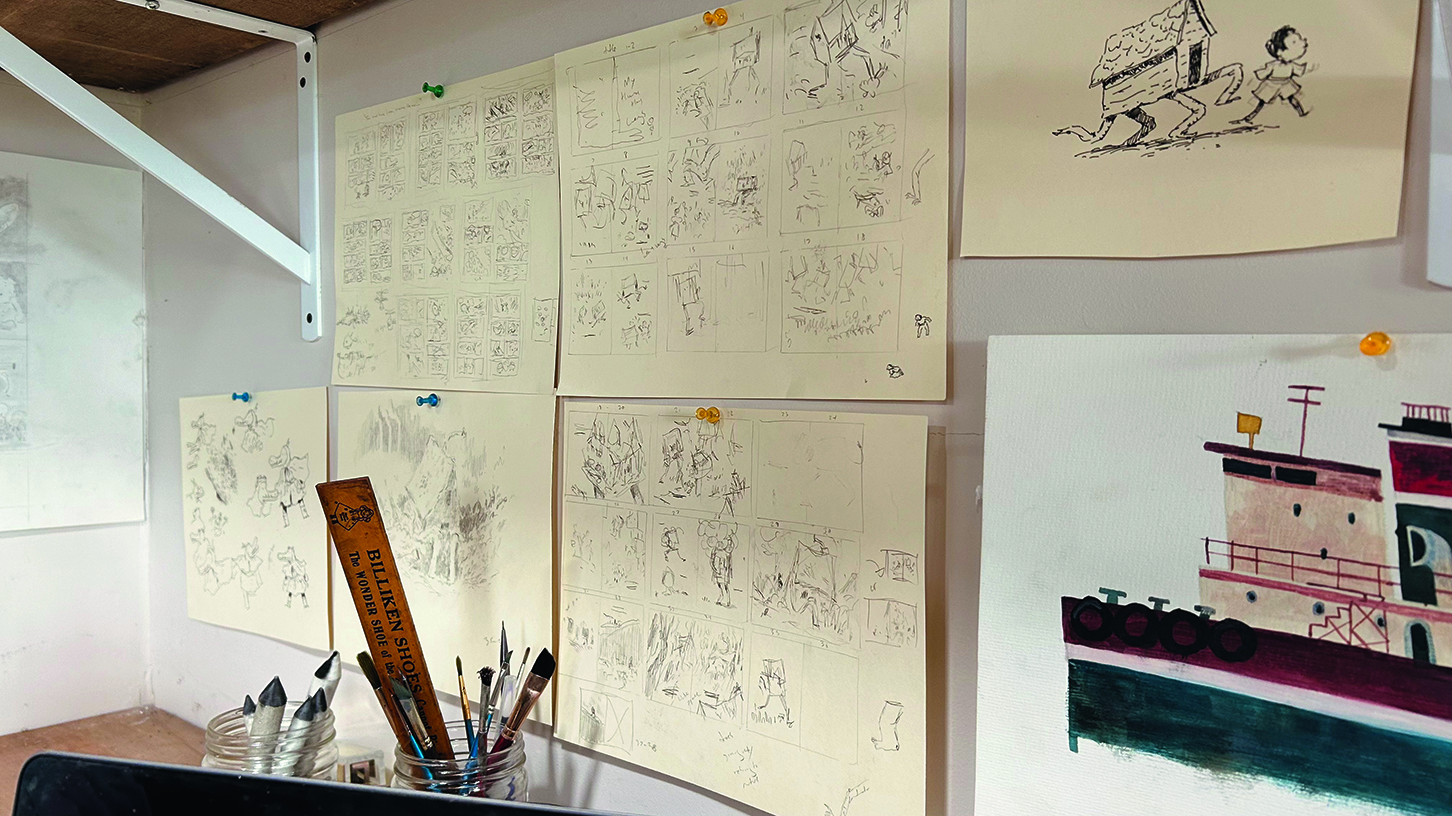
- The "Trooper" Scanner: The Epson V600 flatbed scanner acts as the bridge between his physical sketches and the digital world, allowing for high-resolution archival of his traditional work.
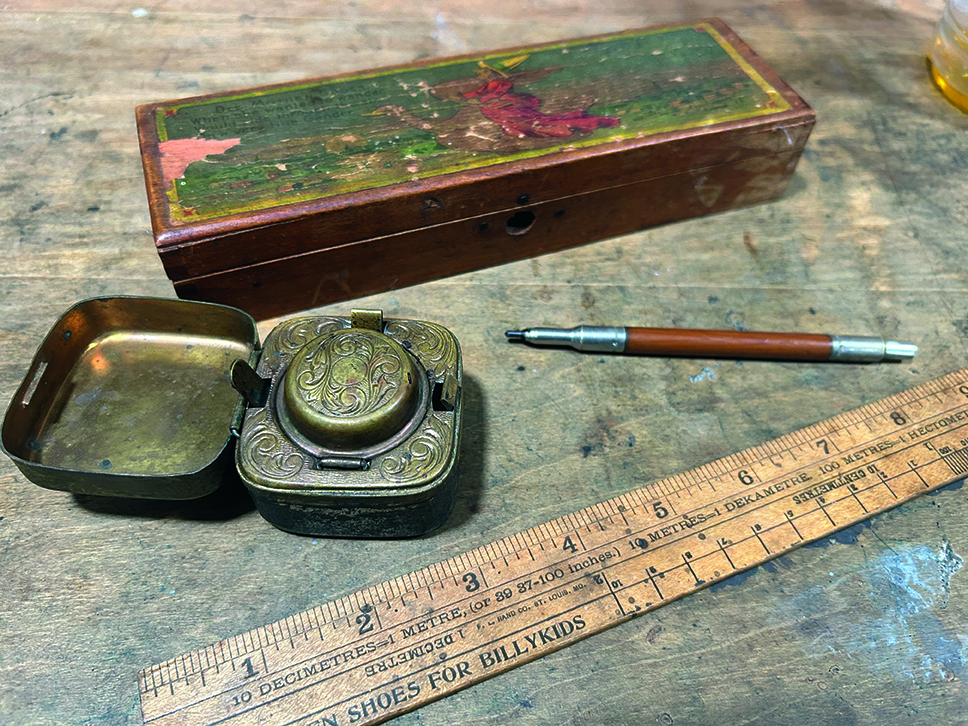
- Historical Tooling: Henderson emphasizes the importance of legacy. His collection includes an 1877 mechanical pencil, a 1900s traveler’s inkwell, and period-accurate rulers. These items are not merely decorative; he uses them regularly, finding that the weight and precision of antique instruments provide a unique tactile feedback that modern plastic alternatives lack.
- Environmental Integration: The studio is situated in a rural area where neighbors consist primarily of livestock and local wildlife—including a particularly friendly armadillo. The proximity to nature is a conscious choice, providing a quiet atmosphere that is conducive to the deep, sustained focus required for visual development.
Industry Implications: The Shift Toward Remote Professionalism
The success of Henderson’s studio has broader implications for the art and design industry. For decades, the "professional artist" was assumed to be someone working in a major agency office in a city like New York, Los Angeles, or London. The post-2020 landscape, however, has accelerated the decentralization of the creative workforce.
Industry experts note that as long as an artist has the necessary hardware and a reliable high-speed internet connection, the quality of the output is largely indifferent to the physical location of the studio. Henderson’s ability to work on projects for Pixar while sitting in a shed in rural Missouri is a prime example of this professional democratization. It highlights a shift where the "creative sanctuary" is no longer a corporate cubicle but a personalized space that allows for better mental health and higher creative autonomy.
A Balanced Lifestyle: The Night Owl’s Rhythm
The studio’s operational hours reflect the unconventional schedule of a dedicated creator. Henderson functions as a "night owl," beginning his workday at 11:00 am and often working well past midnight. This choice is strategic: the late-night hours in rural Missouri offer a profound lack of distractions, save for the occasional coyote yipping in the distance.
To maintain this rhythm, Henderson employs a soundscape of film scores by composers like Joe Hisaishi, John Williams, and Howard Shore. These cinematic soundscapes are supplemented by audiobooks and paranormal podcasts, which he finds provide a narrative backdrop that encourages long hours of steady production.

Looking Forward: The Legacy of the Shed
As Henderson prepares for a potential relocation in the near future, the studio in the shed stands as a significant marker in his career path. It was here that he cultivated his style, refined his techniques, and successfully delivered work that would be seen by millions in theaters worldwide.
The lesson for aspiring artists is clear: the environment you build for yourself is an extension of your own creative psyche. Whether it is a dedicated room in an apartment or a retrofitted shed in the countryside, the space must prioritize functionality and inspiration. As Henderson moves on to his next chapter, he leaves behind a blueprint for how a simple, quiet space, when filled with the right tools and a dedicated mindset, can become the birthplace of extraordinary art.
For those inspired to build their own creative hubs, the advice remains the same as his own: start with the essentials, tailor the workspace to your specific creative rituals, and never underestimate the power of a quiet, undisturbed corner in which to dream.
 Lina Hope
  Reynand Wu
  Pevita Pearce