
 By Suro Senen
It is the familiar cadence of the modern digital retail cycle: a calendar notification triggers, and suddenly, your inbox becomes a chaotic, high-decibel marketplace. During peak periods like Black Friday, Cyber Monday, or the mid-summer sales, the digital atmosphere shifts into what can only be described as a marketing warzone. Consumers are besieged by a relentless barrage of subject lines screaming, "50% OFF EVERYTHING!" or "LAST CHANCE BEFORE MIDNIGHT!"
For the average consumer, the reflex is immediate and clinical: Delete. Delete. Delete.
For business owners and marketers, however, this noise presents a paradox. While seasonal surges offer the highest potential for revenue, they also carry the greatest risk of alienating an audience through repetitive, desperate, and overly transactional communication. But what if seasonal email campaigns didn’t have to feel like a cold-call pitch? When executed with precision and psychological nuance, these communications can evolve from mere solicitations into meaningful touchpoints that strengthen brand loyalty, drive consistent revenue, and leave customers genuinely anticipating your next dispatch.
The secret, industry experts agree, is not to sell less—it is to sell smarter.
The Strategic Framework: Planning for Seasonal Success
The most frequent error founders make is treating seasonal email as a reactive, rather than a proactive, task. If a brand is scrambling to draft a Valentine’s Day promotion on the afternoon of February 13th, the campaign has arguably failed before it even reaches the server.
The Art of the Content Calendar
High-performing seasonal strategies begin months in advance. This goes beyond simply penciling in "Holiday Sale" on a sticky note; it requires the construction of a comprehensive content calendar that maps out key seasonal moments that align with your specific market.
Success does not mean participating in every niche holiday—unless your product specifically caters to "National Sock Day," such efforts are often noise. Instead, brands must identify the moments that resonate with their specific audience’s lifestyle and pain points.
The Give-and-Take Ratio
A foundational rule for sustainable email marketing is the "two-to-one" principle: for every single promotional email you send, aim to provide at least two that serve to educate, entertain, or inspire. This "give-and-take" approach creates a psychological buffer. Each educational piece builds trust, offering the reader value without a hidden agenda. Consequently, when the "take" email arrives—the sales pitch—the recipient is already primed, engaged, and significantly more likely to convert.
Leading with Narrative, Not the Discount
In an era where every brand is competing for the same limited screen real estate, the "discount-first" approach is becoming increasingly ineffective. When every competitor is shouting "30% off," the loudest voice is no longer the most persuasive; it is simply the most annoying.
The Power of Storytelling
Founders often forget that consumers do not buy products; they buy the story, the context, and the solution associated with those products. Research underscores this: human beings retain approximately 63% of information presented through storytelling, compared to a mere 5% of standalone statistics or dry discount percentages.
If your seasonal campaign is for a summer apparel line, don’t lead with the price reduction. Lead with the narrative: describe the long, sun-drenched weekends the customer intends to have, the way the fabric feels against the breeze, and the ease of the style. By framing the product within a relatable, human experience, you provide context. The discount then ceases to be the "entire cake" and becomes the cherry on top—the final nudge that rewards the customer for buying into your brand’s vision.
Precision Segmentation: Moving Beyond the "Valued Customer"
One of the quickest ways to trigger an "unsubscribe" is to blast a generic, impersonal message to an entire mailing list. Sending the same seasonal promotion to a first-time subscriber that you send to a multi-year, loyal customer is a missed opportunity to build a connection.
Tailoring the Experience
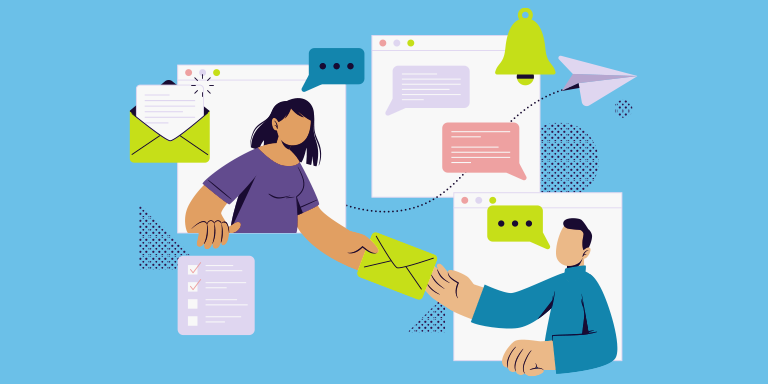
Segmentation is the antidote to the "Dear Valued Customer" syndrome. By categorizing your audience based on purchase history, engagement levels, or browsing behavior, you can tailor your tone and offer:
- New Subscribers: These users require an introduction to your brand ethos and values. They are not yet ready for a hard sell; they need to be nurtured.
- Returning Customers: These users are already converted. They don’t need a brand story; they need to be rewarded. Strategies like "early access" to sales or "loyalty appreciation" discounts perform exponentially better with this group.
Modern tools have democratized these capabilities. Even for solo founders juggling multiple priorities, automated segmentation filters allow for a personalized experience that mimics the high-touch care of a boutique retailer at a scalable level.
The Nuance of Urgency: Avoiding the "Panic Trap"
Urgency is a powerful psychological trigger, but it is often misused. There is a profound distinction between creating genuine, excitement-driven anticipation and employing "guilt-trip" marketing.
Authentic vs. Manufactured Scarcity
The "Used Car Salesman" approach—characterized by aggressive subject lines like "YOU WILL REGRET THIS!"—is transparently manipulative. Consumers are increasingly sophisticated; they recognize when scarcity is manufactured.
Genuine urgency, by contrast, is built on exclusivity. Providing early access to an email list creates a sense of privilege rather than anxiety. When a customer feels like an "insider," they are more likely to participate in the sale. Similarly, highlighting limited edition items or seasonal exclusives creates a natural, time-sensitive window that doesn’t feel forced. By managing the narrative—letting customers know exactly when and why a product will be available—brands can cultivate a state of "positive anticipation."
Automation as a Competitive Advantage
Seasonal email strategies should not be a manual, high-stress endeavor. For the modern founder, automation is the bridge between ambition and burnout.
The Role of Infrastructure
The most successful brands are those that have built automated flows that trigger based on customer behavior. When an email campaign is automated, the "heavy lifting" of timing, segmentation, and follow-ups is handled by the system, allowing the founder to focus on the creative elements—the storytelling and the brand building.
By automating the mundane, you ensure that no customer is left behind. A cart abandonment email, for example, is far more effective when it is triggered automatically within an hour of the action, rather than being part of a manual batch send days later.
Implications for Future Growth
The landscape of e-commerce is shifting away from the "broadcast" model toward a "relationship" model. The data indicates that the brands that survive the next decade of digital marketing will not be those with the largest email blasts, but those with the deepest, most nuanced understanding of their customer’s journey.
As we look toward the future, the integration of AI-driven personalization and automated lifecycle marketing will become the standard. Founders who lean into these tools now are not just optimizing their current revenue; they are building a durable, resilient customer base that views their emails as a welcome presence rather than an intrusion.
Summary of Key Takeaways
- Calendarization: Plan your seasonal moments weeks or months in advance to avoid reactive, low-quality marketing.
- Narrative-First: Use stories to connect with your audience; save the discount as the final incentive.
- Segmentation: Stop sending generic blasts. Use behavioral data to provide relevant, personalized content to your subscribers.
- Authentic Urgency: Use exclusivity and early access rather than alarmist tactics to drive conversions.
- Leverage Technology: Utilize automation tools to manage the complexity, ensuring that your communication remains consistent and professional even during your busiest seasons.
Ultimately, seasonal email marketing is an exercise in empathy. When you treat your subscribers as people—not as mere data points or transactional opportunities—you transform the way they perceive your brand. You stop being a voice in the crowd and start becoming a valued part of their routine.
 Neng Nana
  Basiran
  Azzam Bilal Chamdy