
 By Muslim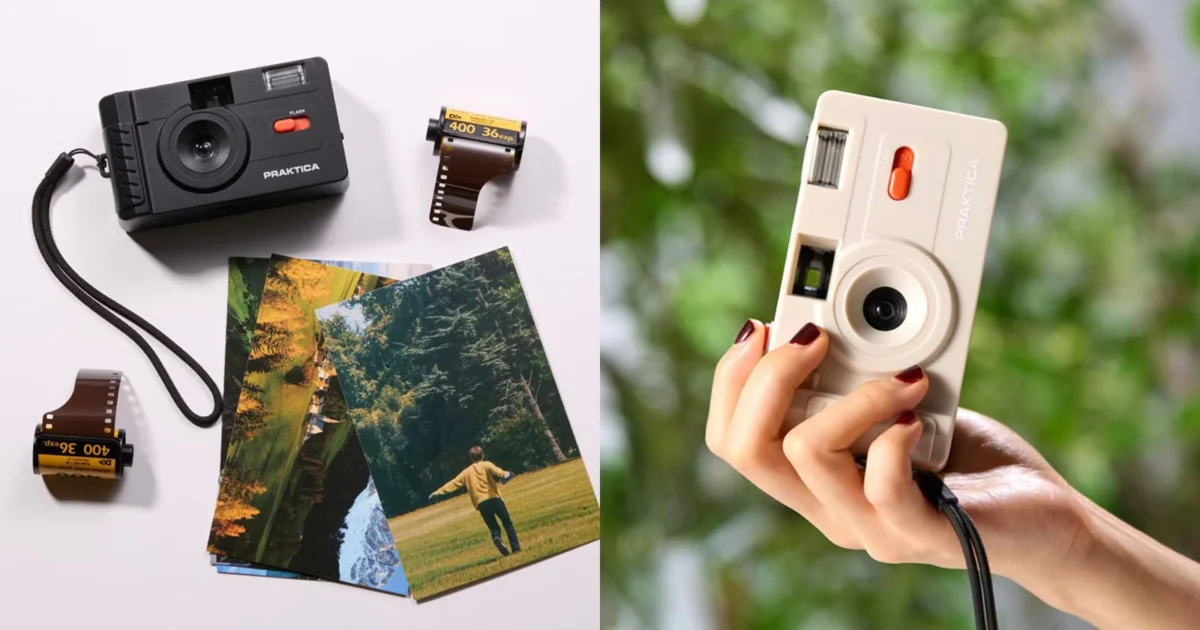
The year 2026 continues to witness an unprecedented surge in analog photography. As digital sensor fatigue sets in, a new generation of photographers is clamoring for the tangible, tactile experience of 35mm film. Retailers are scrambling to keep up, filling shelves with a variety of reusable, beginner-friendly cameras. Among the latest entries to this crowded marketplace is a name that carries significant historical weight: the Praktica VF212.
However, beneath the nostalgic branding lies a complex reality. The VF212 is not the precision-engineered East German machine that graced the camera bags of professionals for half a century. Instead, it is a modern, plastic-bodied, entry-level device that serves as a case study for the current state of the film photography revival—a movement torn between the desire for authentic vintage hardware and the accessibility of mass-produced, budget-friendly equipment.
Main Facts: The Anatomy of the VF212
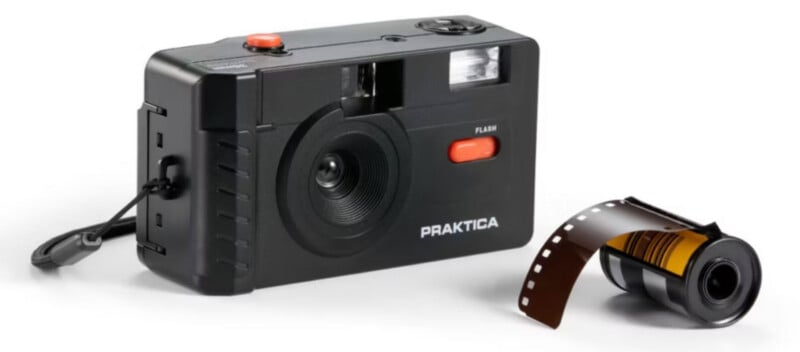
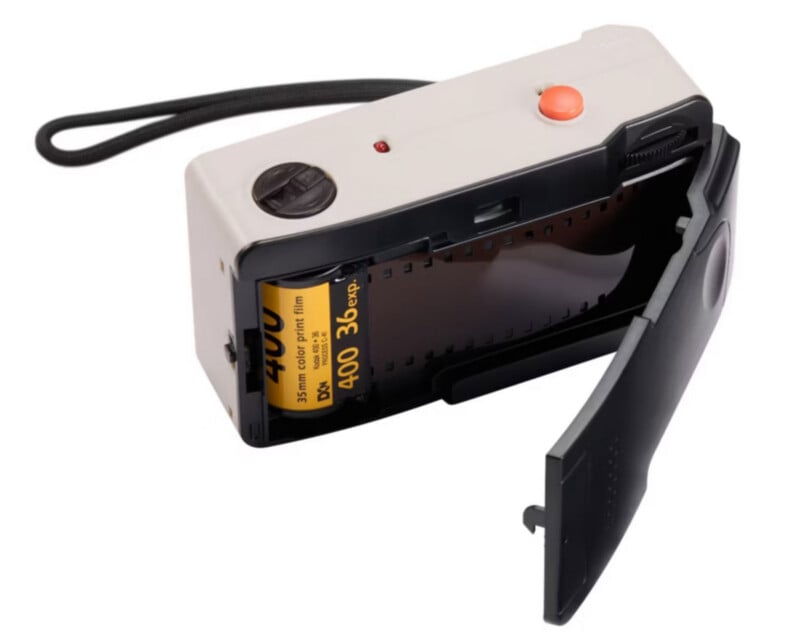
The Praktica VF212 is a lightweight, compact, 35mm film camera designed for the casual shooter. Weighing in at a mere 98 grams (approximately 3.5 ounces), it is built for portability rather than durability. The device features a fixed 31mm lens with an aperture range of f/9 to f/11, offering a modest depth of field suited for general snapshots.
Unlike the complex mechanical SLRs of the past, the VF212 is a straightforward point-and-shoot. It includes a built-in flash, which provides a necessary boost for indoor or low-light photography. Technical specifications are sparse, but retailers like Currys in the U.K. have confirmed that the optical viewfinder offers a 70% field of view. This design choice implies that users will need to practice careful framing, as what is seen through the finder will not perfectly mirror the final exposure on the film strip.
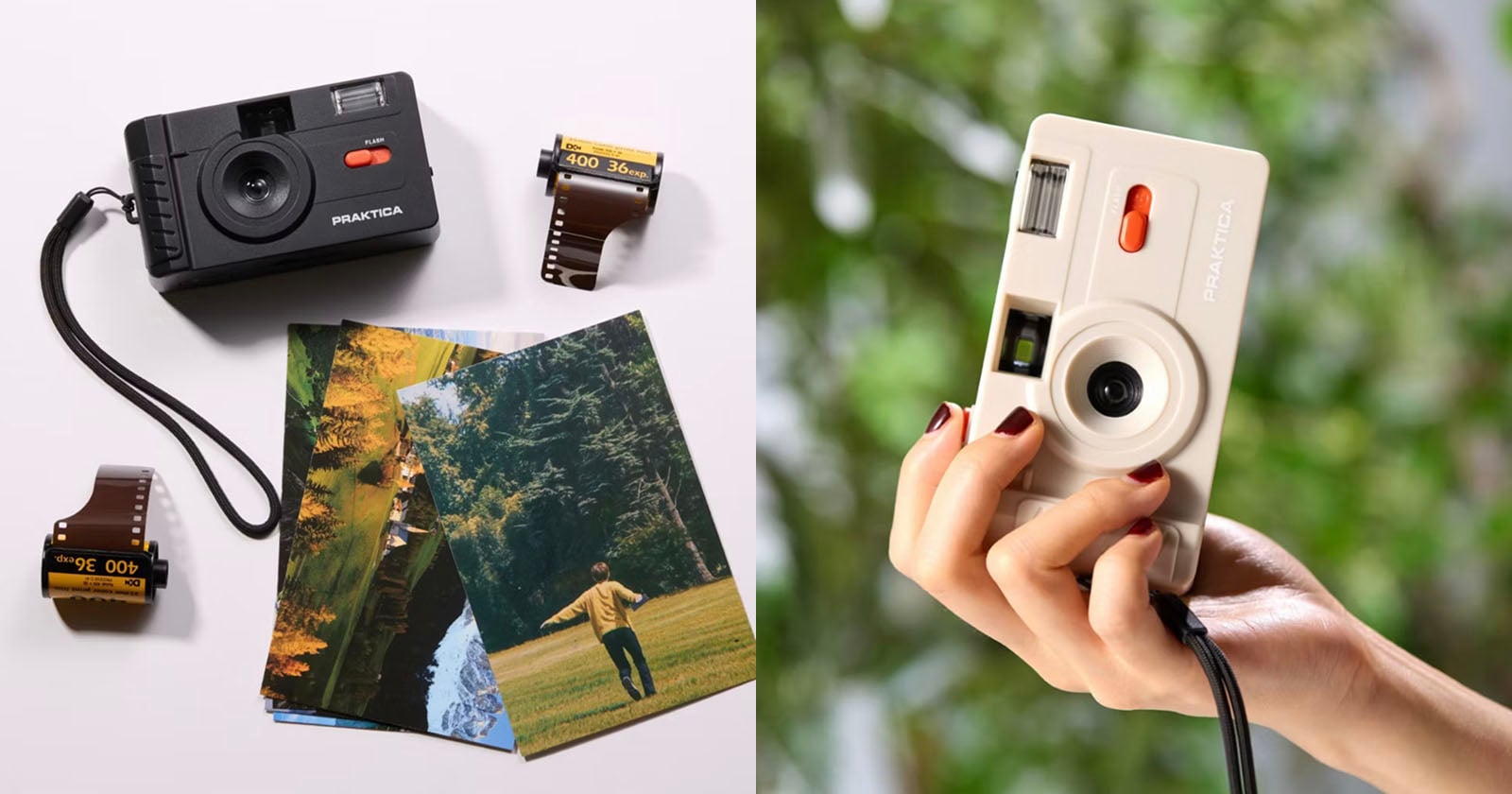
Available widely across the United Kingdom—appearing in high-street pharmacies, fashion outlets, and online marketplaces like Amazon—the camera is priced at approximately $20. While this makes it an incredibly accessible entry point for those "testing the waters" of analog photography, it also positions the camera firmly in the "disposable-alternative" category rather than the "heirloom-quality" segment of the market.
A Chronological Perspective: From Dresden to Modernity
To understand the weight of the Praktica name, one must look back to 1949. Based in Dresden, East Germany, the original Praktica brand became synonymous with the democratization of SLR (Single Lens Reflex) photography. For decades, the company produced robust, innovative metal cameras that survived the Cold War and the shifting technological landscape of the late 20th century.
- 1949–1990: The Golden Age of Praktica. The brand established a reputation for high-quality, reliable mechanical SLRs, becoming a favorite among photographers in the Eastern Bloc and beyond.
- 1991–2001: Post-Reunification struggles. Despite the fall of the Berlin Wall, the company continued production of advanced models, such as the BX20s, which remains a cult classic among film enthusiasts today.
- 2001: Official cessation of camera production in Germany. The manufacturing legacy that defined the brand effectively came to a close.
- 2026: The rebranding era. The Praktica name, now licensed, appears on the VF212. Unlike its predecessors, the VF212 is manufactured in China, marking a complete shift in both the geography of production and the target demographic of the brand.
The transition from the precision-engineered BX20s to the plastic VF212 serves as a poignant reminder of how manufacturing has shifted from centralized, specialized production to globalized, consumer-grade assembly.
Supporting Data: The Market Landscape
The VF212 is by no means an outlier. It arrives in a market saturated with similar offerings designed to lower the barrier to entry for film photography. Recent entrants include:
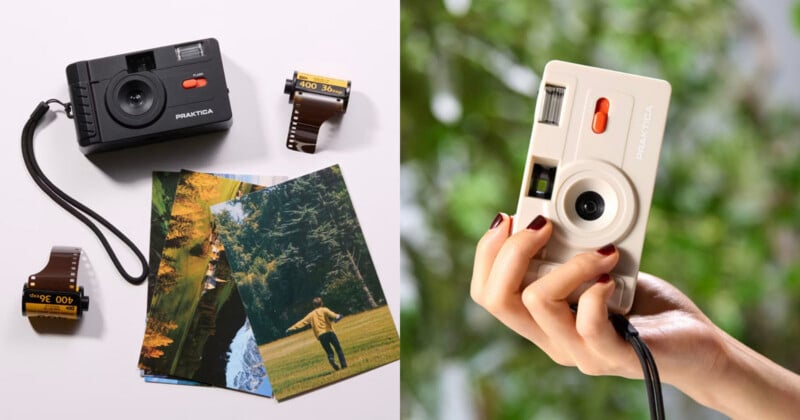
- The Pure35: Launched by U.K.-based retailer Analogue Wonderland in May 2026, it targets the "beginner-friendly" segment, often sold in bundles with film.
- Lomography’s 35mm Lineup: A massive, diverse array of cameras that focus on the creative, often experimental side of film photography.
- Dubble Film’s SHOW Camera: A popular choice for those looking for a stylish, minimalist, and lightweight analog experience.
Data suggests that while these cameras are "reusable," they are often marketed toward the same demographic that previously purchased single-use, disposable cameras. The $20 price point for the Praktica VF212 is calculated to compete directly with these disposable options, offering a "greener" long-term solution, provided the user is willing to manage the loading and unloading of film.
However, when comparing the "cost-per-use" against the longevity of vintage gear, the numbers tell a different story. A search on platforms like KEH reveals that a wide variety of fully functional, 50-year-old 35mm SLRs can be acquired for under $50. These legacy cameras offer glass optics, full manual control, and an build quality that modern plastic cameras simply cannot replicate.
Official Responses and Branding Implications
The branding of the Praktica VF212 has sparked a nuanced conversation among industry experts and photography historians. On one hand, there is the perspective that keeping a historic name alive—even on an entry-level product—helps maintain brand awareness in a digital-heavy world. On the other hand, critics argue that such "zombie branding" risks diluting the prestige associated with the original manufacturers.
While there have been no formal public statements from the current rights-holders regarding the technical divergence of the VF212 from its predecessors, the Amazon storefront for the camera leans heavily into the 1949 heritage. By referencing the company’s history in Dresden, the marketing creates a sense of continuity that, in reality, does not exist.
Industry analysts note that this is a growing trend. Many legacy camera names—and names from the broader electronics industry—are being licensed to third-party manufacturers. These products are often "Praktica" in name only. While this is not inherently deceptive—the products perform their basic functions as advertised—it creates a "credibility gap" for new photographers who may assume they are purchasing a piece of German-engineered history.
Implications for the Future of Analog Photography
The arrival of the Praktica VF212 highlights a critical crossroads in the analog revival. We are currently seeing two distinct paths for the consumer:
1. The Convenience Path
This path is defined by low-cost, plastic, lightweight cameras like the VF212. These devices prioritize accessibility and ease of use. They are designed for the "Instagram generation"—people who want the aesthetic of film without the steep learning curve of manual aperture and shutter speed settings. The implication here is that the film industry is becoming increasingly "disposable-adjacent," where the hardware is treated as a temporary accessory rather than a lifelong tool.
2. The Legacy Path
This path encourages the use of refurbished, high-quality vintage SLRs. It promotes sustainability, craftsmanship, and a deeper technical understanding of photography. The implication of this path is that the true value of film lies in the mechanical integrity of the tools used to capture the image.
The existence of the VF212 does not necessarily detract from the value of vintage SLRs; rather, it serves as a gateway. A user may begin with a $20 plastic camera, develop a passion for the medium, and eventually "graduate" to a vintage Nikon, Canon, or an original German-made Praktica.
Final Thoughts: Should You Buy?
If you are a complete beginner looking to shoot your first roll of film without investing in a complex system, the Praktica VF212 is a functional, affordable, and readily available starting point. Its portability makes it an excellent "everyday carry" camera for candid moments.
However, the savvy photographer should be aware of what they are purchasing. The VF212 is a modern, mass-produced tool that utilizes a legendary name to build trust. It is not an heirloom. If your goal is to learn the craft of photography, master light, or enjoy the mechanical satisfaction of a well-made camera, the secondary market for vintage SLRs offers far better value for money.
The revival of film is a broad church. Whether you are holding a $20 plastic camera or a $500 vintage mechanical masterpiece, the end result—the chemical process of capturing light on silver halide—remains the same. The Praktica VF212 may not be the camera that built the brand’s legend, but it is certainly a camera that proves the legend is still very much in demand.
 Laily UPN
  Reynand Wu
  Lina Hope