
 By Lina Hope
For home cooks, salmon occupies a complicated place in the culinary hierarchy. It is widely recognized as a nutritional powerhouse, rich in omega-3 fatty acids, high-quality protein, and essential vitamins. Yet, despite its popularity, it remains one of the most intimidating proteins to master. The fear is palpable: one minute too long in the pan or oven, and a beautiful, expensive filet transforms from a succulent, buttery delight into a dry, chalky disappointment that falls apart at the touch of a spatula.
However, the landscape of home cooking has been fundamentally altered by the proliferation of the air fryer. No longer just a gadget for frozen French fries or chicken wings, the air fryer has emerged as the definitive tool for the modern pescatarian. By leveraging high-intensity convection technology, this compact appliance has turned the notoriously finicky task of cooking salmon into a foolproof, expedited process. Whether you are working with fresh, high-quality fish from the market or a frozen filet salvaged from the depths of your freezer, the air fryer is arguably the most efficient method currently available to the home chef.
The Main Facts: Efficiency Meets Culinary Precision
The primary appeal of the air fryer for salmon preparation is, quite simply, speed. In a standard culinary setting, a fresh salmon filet typically requires between six and 10 minutes to reach an ideal internal temperature, depending on the thickness of the cut and the cook’s preference for doneness. When compared to the traditional methods of pan-searing or grilling—both of which demand constant vigilance to prevent sticking or uneven browning—the air fryer offers a hands-off approach that minimizes the margin for error.
Furthermore, while conventional ovens are reliable, they are notoriously slow. Preheating a full-sized oven to 400 degrees Fahrenheit can take upwards of 15 to 20 minutes, followed by a bake time that often exceeds 15 minutes for a thick filet. The air fryer, with its smaller, insulated chamber, reaches optimal temperature in a fraction of the time, effectively cutting total energy consumption and wait time by more than half.
Chronology: The Evolution of Cooking Times
To understand why the air fryer has secured its position as a kitchen essential, one must look at the comparative data across various cooking methods. The efficiency gap between the air fryer and traditional appliances becomes particularly pronounced when moving from fresh to frozen proteins.
The Fresh Salmon Timeline
- Air Fryer: 6–10 minutes. The rapid circulation of hot air ensures even cooking without the need for manual intervention.
- Pan-Seared: 10–12 minutes. Requires careful temperature control to avoid burning the exterior while the center remains raw.
- Grilled: 10–15 minutes. Highly dependent on grate temperature and weather conditions; significant risk of the fish sticking to the metal.
- Oven Baked: 15–20 minutes. The baseline for traditional cooking, but often leads to moisture loss due to the prolonged exposure to ambient heat.
The Frozen Salmon Timeline
- Air Fryer: 10–14 minutes. Even from a frozen state, the convective power of the air fryer penetrates the flesh efficiently.
- Pan-Seared: 14–18 minutes. Requires careful thawing or a slow-cook approach to prevent a frozen center.
- Grilled: 18–22 minutes. Extremely difficult to achieve consistent results without risking a charred exterior and icy core.
- Oven Baked: 25+ minutes. Generally discouraged for frozen fillets due to the extreme length of time required, which often compromises the texture of the fish.
Supporting Data: The Science of Convection
The success of the air fryer lies in its core mechanism: convection. Unlike an oven, which relies on radiant heat from heating elements, an air fryer uses a high-powered fan to circulate hot air at high velocity. This creates a "crust" on the exterior of the salmon quickly, locking in the natural juices and fats.
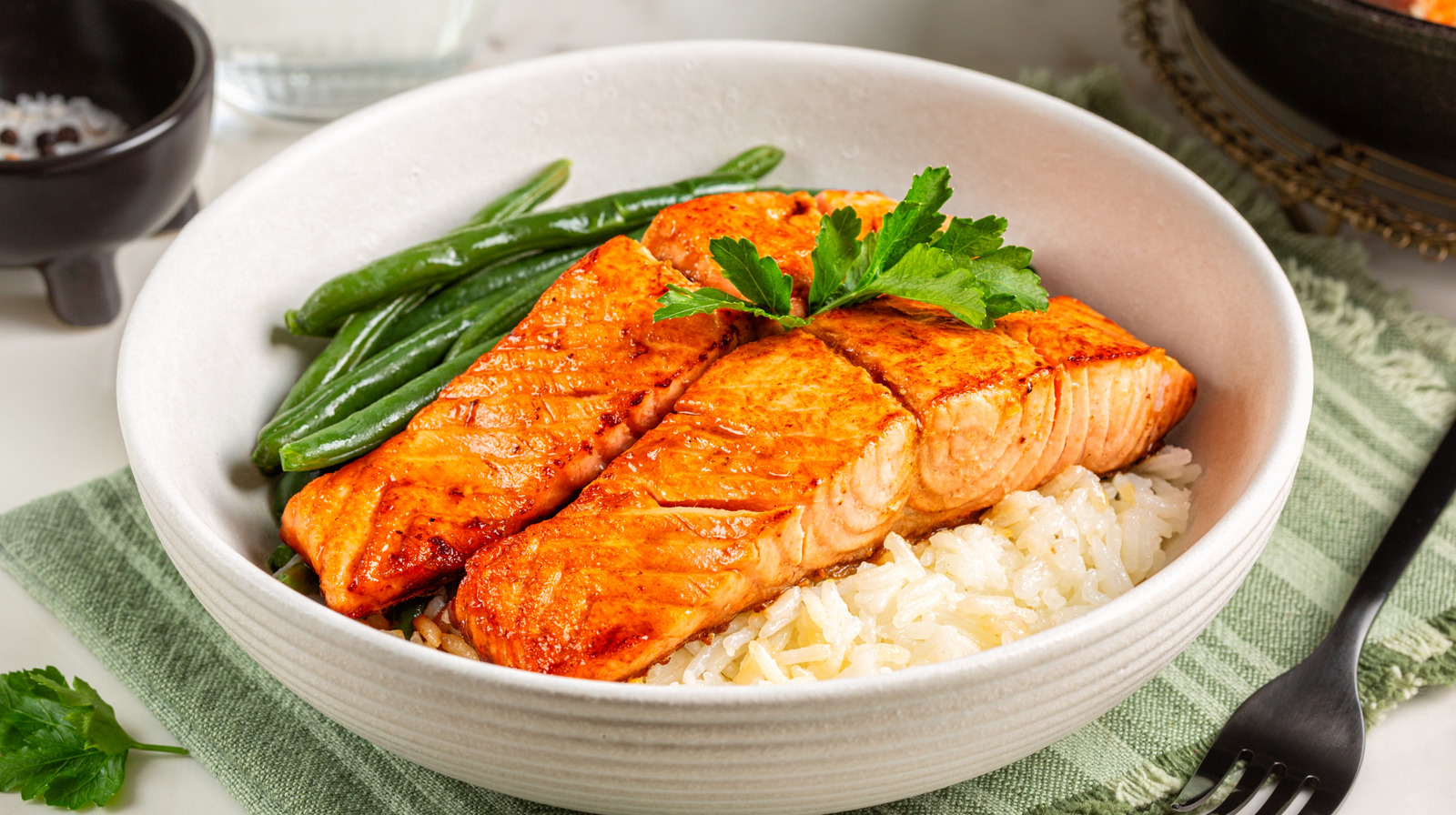
From a food science perspective, this is critical. The Maillard reaction—the chemical process that creates flavor and color—occurs more readily when the surface moisture of the fish is evaporated rapidly by the moving air. Because the fish is suspended in a basket, the heat hits the top, sides, and bottom simultaneously (depending on the unit’s airflow design), which eliminates the need to flip the fish. Flipping is the moment most home cooks fail; it is when the delicate protein structure of the salmon, softened by heat, is most likely to break apart. By leaving the filet undisturbed for the duration of the cook, the structural integrity of the fish is maintained.
Best Practices: Optimizing the Air Fryer Experience
While the air fryer is user-friendly, there is a specific methodology to ensure restaurant-quality results. Culinary experts and home economists agree that the "set it and forget it" mentality should be tempered with a few tactical adjustments.
The Importance of Liners
One of the most common oversights is the failure to utilize air fryer liners. Parchment paper liners—specifically designed for air fryers with perforations—serve two purposes. First, they mitigate the inevitable cleanup associated with rendered fish oils. Second, they act as a "flavor pool." By placing the seasoned, oiled salmon on a liner, the fats added for flavor and moisture remain in contact with the filet rather than dripping into the base of the machine. This ensures that the fish remains succulent rather than drying out during the intense convection process.
Oil and Seasoning Strategy
Many home cooks mistakenly believe that because salmon is an oily fish, it requires no additional fat. On the contrary, brushing the filet with high-smoke-point oil (such as avocado or grapeseed oil) or melted butter is essential for color development and heat conductivity. The oil acts as a medium that transfers the heat evenly across the surface of the flesh, ensuring that even if the fish is pulled from the freezer, it achieves a golden, appealing finish.
The "No-Flip" Rule
As previously noted, the convective environment negates the need for flipping. Trying to flip a filet mid-cook in a confined basket is a recipe for disaster. The texture of cooked salmon is fragile, and the act of turning it frequently results in shredded, unsightly pieces. For those seeking crispy skin, simply orienting the skin-side up at the beginning of the cook is a more effective strategy than attempting to flip the fish halfway through.
Implications: A Shift in Home Cooking Culture
The widespread adoption of air-fried salmon reflects a broader shift in domestic life: the demand for "fast-casual" quality in a residential setting. Consumers are increasingly health-conscious but time-poor. The ability to prepare a high-protein, heart-healthy meal in under 15 minutes directly impacts the frequency with which households choose to cook at home versus ordering takeout.
Furthermore, the environmental implications of this efficiency cannot be ignored. Reducing cooking times from 30 minutes to 10 minutes per meal, across millions of households, represents a significant reduction in household energy consumption. As utility costs rise, the air fryer stands out as a pragmatic, sustainable choice for the modern kitchen.
The Psychological Aspect
There is also a psychological benefit to the air fryer method. Cooking-induced anxiety—the stress of timing multiple components of a meal—is a major barrier to consistent healthy eating. By removing the guesswork from salmon preparation, the air fryer empowers novice cooks to experiment with seasonings, glazes, and side dishes. When the protein is "locked in" as a guaranteed success, the cook is free to focus on the rest of the meal, leading to more complex and enjoyable home-dining experiences.
Conclusion: Mastering the Modern Filet
The evidence is clear: the air fryer has transcended its status as a kitchen fad to become a cornerstone of efficient, high-quality cooking. By prioritizing convection over radiation, and by embracing techniques like the use of parchment liners and the "no-flip" rule, home cooks can consistently produce salmon that rivals the output of professional kitchens.
Whether you are a busy parent looking for a quick weeknight dinner or an enthusiast looking to perfect your technique, the air fryer offers a streamlined path to excellence. It is, quite simply, the fastest and most reliable way to turn a raw, potentially intimidating filet into a delicious, nutrient-dense centerpiece. The future of the home kitchen is not just about having more tools; it is about having the right ones, and for salmon, the air fryer is undeniably the tool of choice.
 Raul Delapena Setiawan
  Basiran
  Nana
Nana 