
 By Ammar Sabilarrohman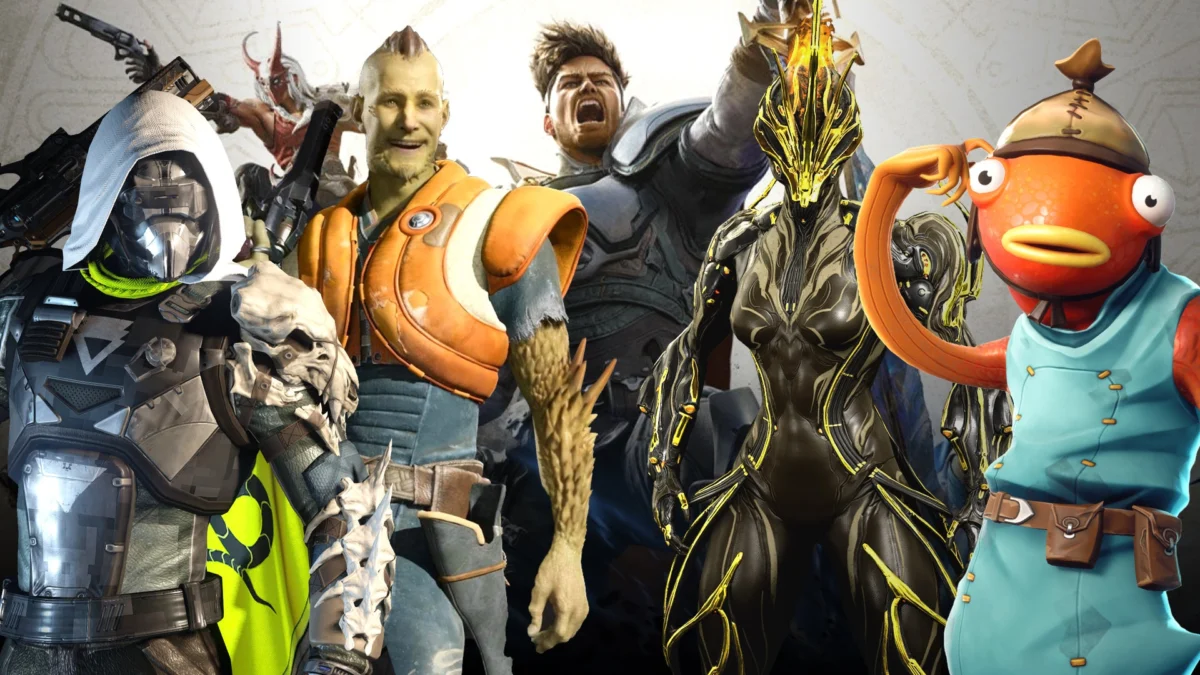
In the volatile landscape of modern gaming, few corporate strategies have been as scrutinized—or as costly—as Sony Interactive Entertainment’s pivot toward live-service titles. Despite a string of high-profile cancellations and the catastrophic failure of Concord, Sony remains steadfast in its pursuit of the "Games as a Service" (GaaS) model. In a recent interview with Famitsu, PlayStation President Hideaki Nishino reaffirmed that the company views live-service games as a critical pillar for global engagement, signaling that despite the scars of recent years, the blueprint remains firmly in place.
The Strategic Vision: Why Sony Isn’t Backing Down
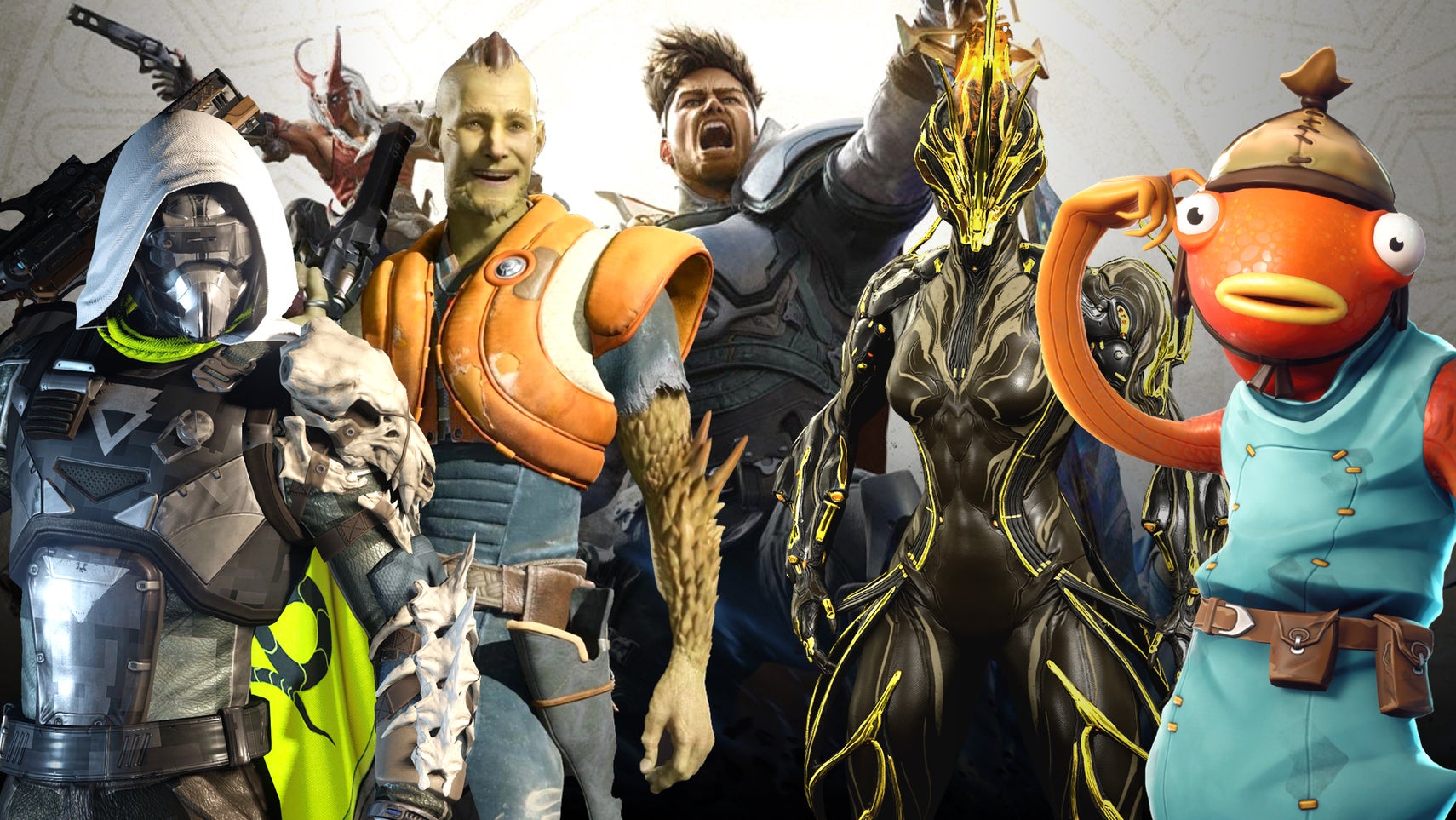
For many industry observers, the persistence of Sony’s live-service focus is a puzzle. The genre is notorious for its "winner-takes-all" nature, where a handful of titans like Fortnite and Roblox command the vast majority of player attention and spending. Yet, Hideaki Nishino argues that the genre is still in its infancy.
"The genre itself is relatively new," Nishino explained to Famitsu. "We want to continue to revitalize the market through both first-party and third-party content. It is important to continuously provide something to the user base, and that is where the strength of the live-service model lies."
Nishino’s comments suggest that Sony’s leadership views the current turbulence as a "growing pain" rather than a fundamental flaw in the business model. By diversifying their portfolio, Sony hopes to move beyond the traditional "buy-once, play-once" model that has defined the PlayStation brand for decades, aiming instead for long-term retention and recurring revenue.
A Chronology of Ambition and Attrition
To understand the current state of PlayStation’s strategy, one must look back to 2022. Under the leadership of former CEO Jim Ryan, Sony made a bold declaration: the future of gaming lay in live-service titles. At the time, the company announced an aggressive roadmap to launch more than 10 live-service games before March 2026.
The Era of Rapid Expansion (2022–2023)
Sony’s acquisition of Bungie—the architects of the modern live-service juggernaut Destiny 2—was widely viewed as the cornerstone of this plan. The idea was simple: leverage Bungie’s expertise to guide internal studios, such as Naughty Dog, Guerrilla Games, and Insomniac, into the world of multiplayer connectivity.
The Wave of Cancellations (2023–2024)
The reality, however, proved far more difficult than the projection. The industry saw a steady stream of project closures:
- The Last of Us Online: Naughty Dog, famed for its narrative-driven masterpieces, pulled the plug on its ambitious standalone multiplayer project, citing the difficulty of supporting such a game without compromising their single-player standards.
- London Studio: The team behind the SingStar and Blood & Truth franchises was shuttered entirely in 2024 after their unannounced live-service project failed to meet internal benchmarks.
- Twisted Metal: Firesprite, a Sony-owned studio, saw its live-service iteration of the classic vehicular combat franchise canceled amidst internal restructuring.
- Spider-Man: The Great Web: Footage of a cancelled cooperative Spider-Man title leaked online, offering a glimpse into what might have been a major tentpole release for the PS5.
The Concord Collapse
The most painful chapter, however, was Concord. Developed by Firewalk Studios, the hero shooter was meant to be the vanguard of Sony’s new era. Instead, it became a cautionary tale. Following a dismal launch—with estimates suggesting fewer than 25,000 units sold—the game was taken offline just two weeks after release. By October 2024, Sony officially shut down Firewalk Studios and permanently retired the Concord project.

Supporting Data: The Cost of the Pivot
The human and financial toll of this strategy has been immense. The closure of Firewalk and the recurring layoffs at Bungie underscore the fragility of these projects. Bungie, once the crown jewel of Sony’s live-service ambitions, recently saw its studio head, Justin Truman, step down as part of a restructuring that put nearly 300 employees at risk of redundancy.
Industry analysts note that the "live-service bubble" has burst in several key ways:
- Market Saturation: Players have limited time to invest in games that require daily or weekly engagement.
- Rising Development Costs: Creating a live-service game that can compete with the polish of established hits now requires budgets rivaling Hollywood blockbusters, making failure financially catastrophic.
- Cultural Friction: Traditional single-player studios are often forced to adapt their workflows to accommodate "service" needs, which can dilute the creative identity that made those studios successful in the first place.
Official Responses and Future Outlook
Despite these setbacks, the executive branch at Sony remains undeterred. Nishino highlighted that the strategy is not solely about launching new products, but also about the "medium to long-term" management of existing intellectual properties.
"We are not only focusing on promoting new releases," Nishino noted, "but also considering what we can do with older titles. We want to continue to take on challenges within that context."

Part of this "challenge" includes the upcoming release of Marvel TÅkon: Fighting Souls, a title Sony is positioning as a key test for their renewed efforts in the space. The company is clearly hoping that a more tempered, selective approach—rather than the "10 games by 2026" mandate—will yield better results.
Implications: The Dual-Track Future
What does this mean for the PlayStation consumer? The evidence suggests that Sony is moving toward a "dual-track" strategy:
- The Prestige Single-Player Track: Sony will continue to produce industry-leading, narrative-driven titles like God of War and Horizon. These games serve as the brand’s "halo" products, maintaining the prestige of the PlayStation console.
- The Calculated Live-Service Track: Sony will likely pivot to a more conservative release schedule, focusing on fewer, higher-quality live-service projects that align with their existing strengths. They are no longer throwing everything at the wall to see what sticks.
The Content Licensing Challenge
Beyond the games themselves, Sony faces broader issues regarding the digital landscape. The recent controversy surrounding the removal of purchased digital movies from PlayStation libraries due to licensing agreements serves as a stark reminder of the "service-based" world we are entering. As Sony pushes further into digital-only experiences, the tension between corporate licensing requirements and consumer ownership expectations will likely become a major point of friction.
Conclusion: A Lesson in Adaptability
Sony’s journey into the live-service market has been defined by high stakes and hard lessons. The company has moved from the hubris of a massive, forced rollout to a more grounded, though still ambitious, strategy of persistence.

While the "10 games by 2026" goal has been effectively dismantled by market reality, the core belief—that PlayStation must evolve beyond the console cycle—remains. Whether this strategy will lead to the next great multiplayer sensation or further corporate restructuring remains to be seen. What is clear, however, is that Sony is committed to the fight, even if that means navigating a path littered with the remains of its own discarded projects. The future of PlayStation will not be defined by its single-player heritage alone, but by how successfully it can integrate the relentless, high-pressure world of live services into the DNA of a company long known for its offline masterpieces.
 Nana Muazin
  Laily UPN
  Nila Kartika Wati