
 By Lina Hope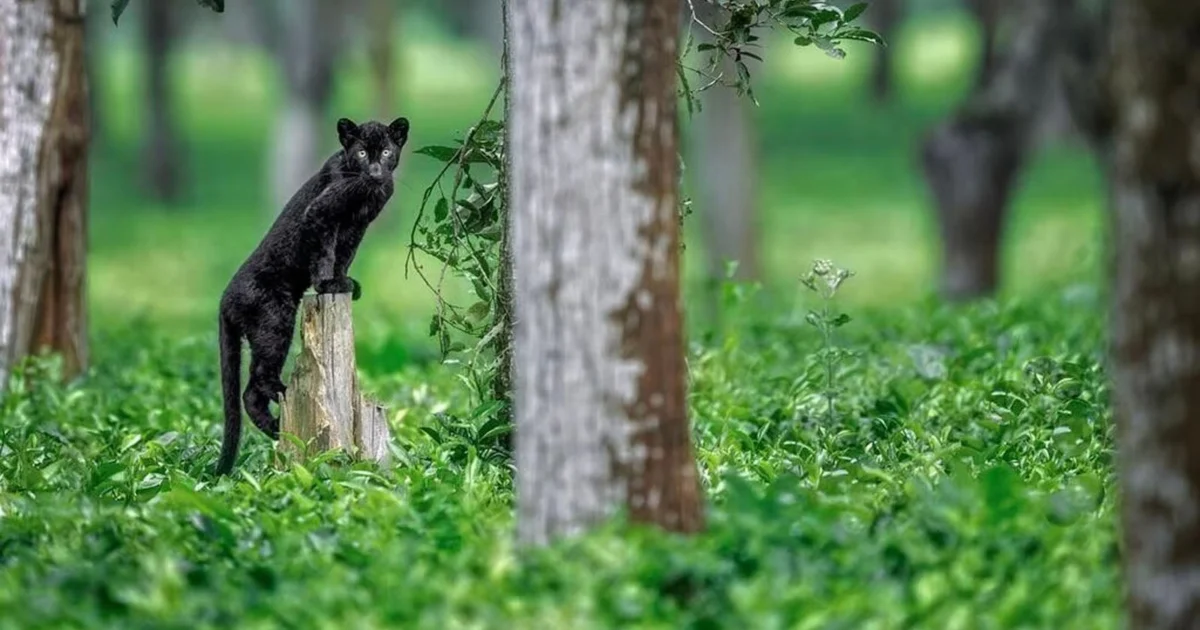
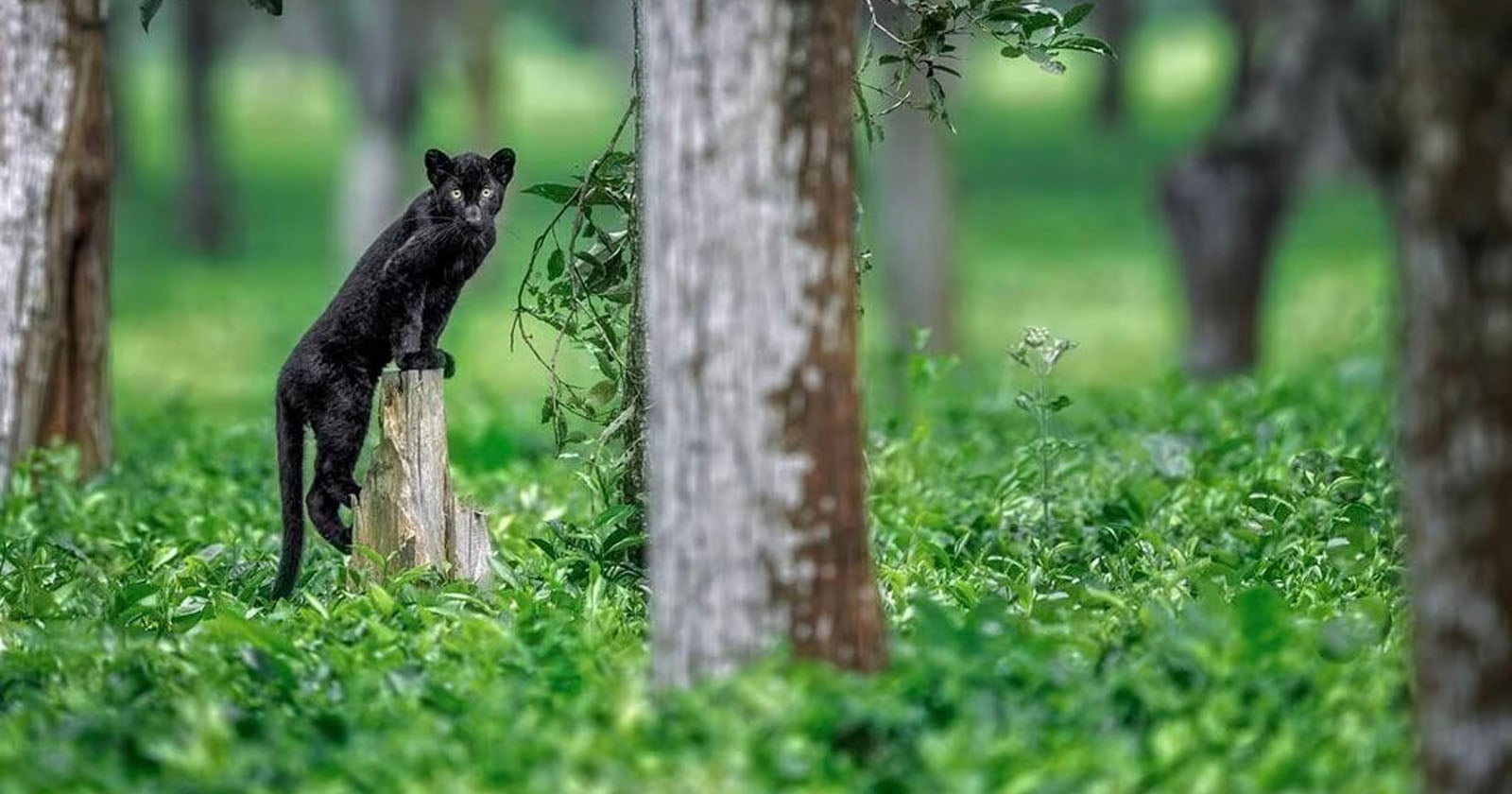
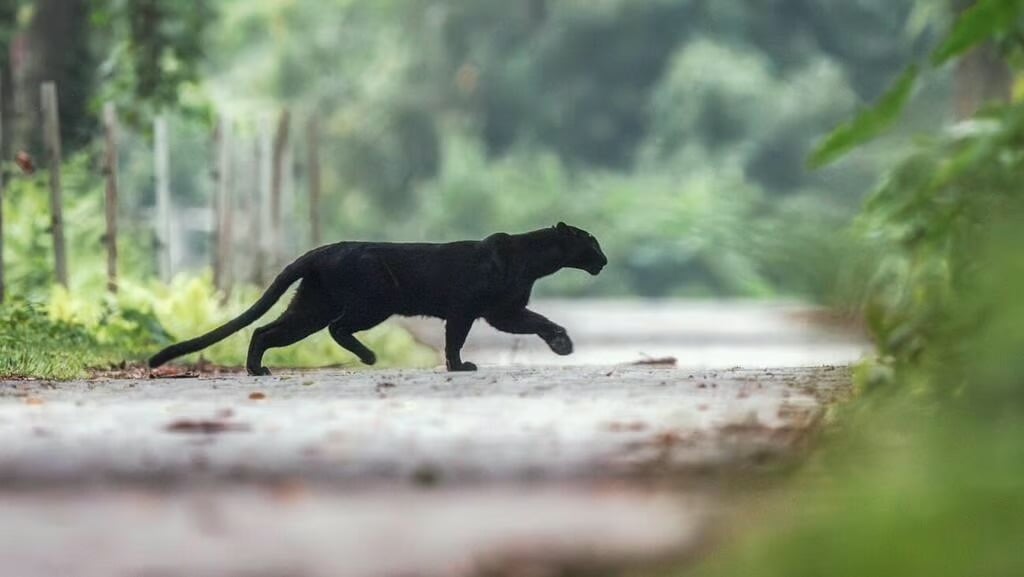
In the mist-shrouded foothills of the Himalayas, where Northeast India meets the dense, untamed wilderness of the Manas National Park, a quiet drama is unfolding. It is a story of survival, maternal instinct, and the elusive nature of one of the planet’s most iconic predators. Israeli wildlife photographer Matan Sharon recently emerged from this challenging terrain with a rare visual chronicle: an intimate, high-definition look at a family of black leopards—the melanistic variant of the common leopard—navigating the delicate balance between the wild forest and the human-altered landscape of a tea plantation.
The Needle in the Green Haystack: An Environmental Challenge
Manas National Park is not merely a geographic location; it is a UNESCO World Heritage site and a biodiversity hotspot of immense ecological significance. However, for those tasked with documenting its inhabitants, it represents a formidable obstacle course. The combination of oppressive heat, stifling humidity, and an incredibly dense forest canopy creates an environment where visibility is measured in inches rather than yards.
"The jungle of Manas is dense, wild, and the light barely penetrates the forest canopy," Sharon explained in an interview with YNet. "Around us, there was only rich tropical vegetation, a wide variety of insects, reptiles, and birds singing in sounds unlike anything familiar to nature lovers elsewhere."
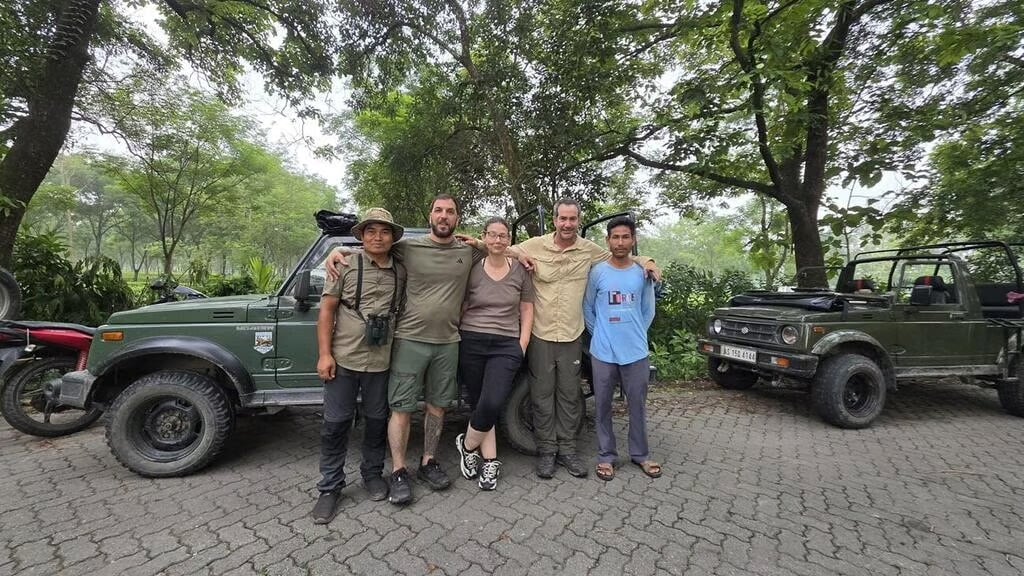
The mission was fraught with statistical difficulty. With only an estimated six black leopards inhabiting the entire reserve, the search was, in Sharon’s words, "looking for a needle in a green haystack." Supported by a local guide, an armed ranger, and a highly skilled safari jeep driver named Umesh, Sharon spent weeks tracking the subtle signs of a predator that has evolved to become one with the shadows.
Chronology of the Expedition
The expedition was a masterclass in patience and field craft. Unlike wildlife photography in the open savannahs of East Africa, where predators are often visible from great distances, the Manas project required a slow, methodical approach.
The Initial Pursuit
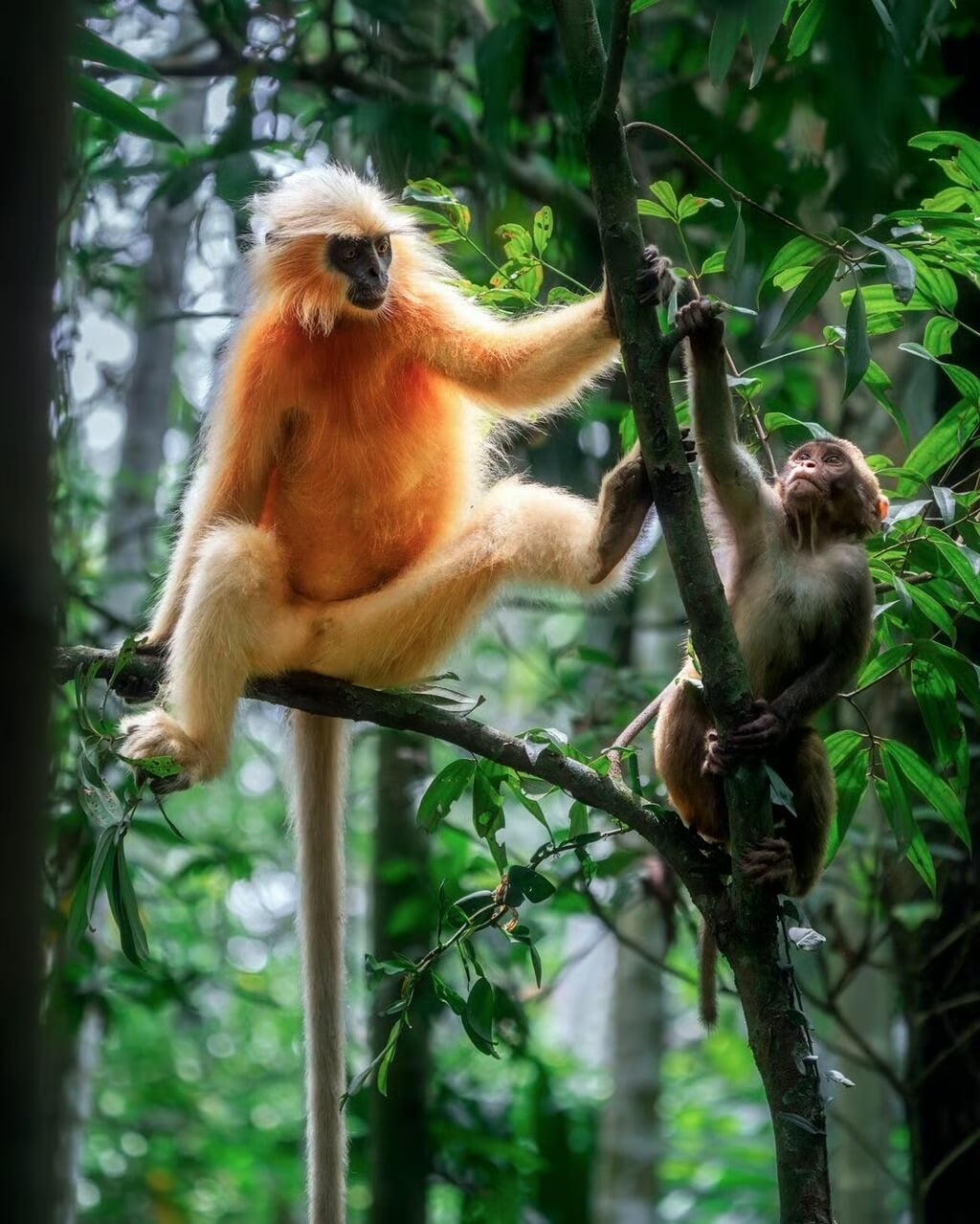
In the early days of the expedition, the team focused on identifying territorial markers and movement patterns. Black leopards are famously solitary and elusive. The team relied on the expertise of local rangers, whose knowledge of the forest’s topography proved vital. The first few days were spent documenting the broader ecosystem—the majestic Asian elephants, the prehistoric-looking Indian rhinoceroses, and the rare golden langur.
The Discovery
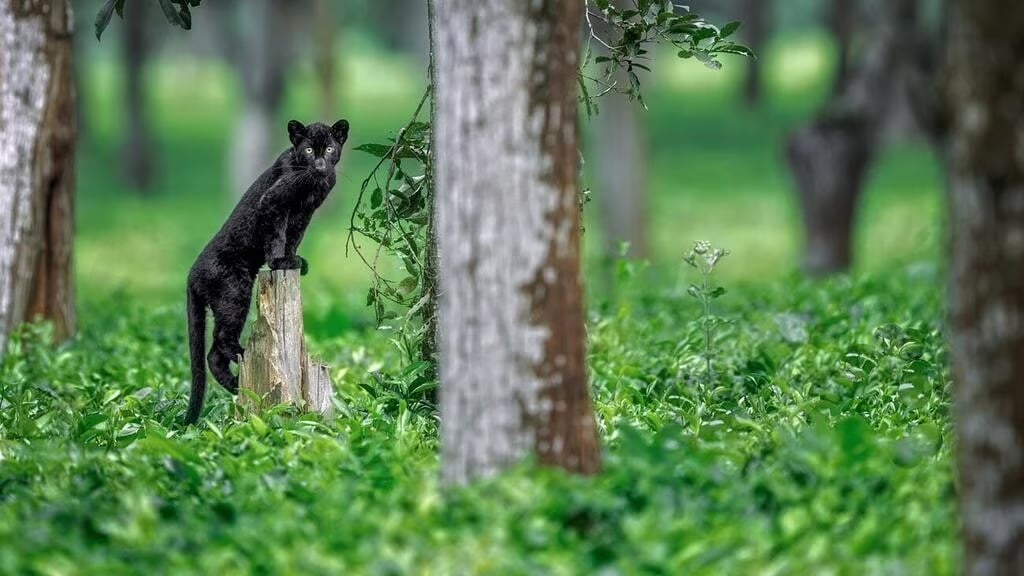
The breakthrough occurred at the periphery of the reserve. Instead of deep within the core of the dense jungle, the team identified the presence of a mother and her cubs near the edge of a tea plantation. This transition zone, where the primary forest meets agricultural development, provided a unique vantage point.
Documenting the Maternal Bond
Once the location was secured, the photography shifted from tracking to observation. Over several days, Sharon captured the mother’s movements as she navigated the complex landscape. He witnessed the mother teaching her cubs the essential skills of survival, balancing the need for caution against the necessity of movement. The team maintained a respectful distance, ensuring that their presence did not interfere with the natural behavioral patterns of the family.
The Strategy of the Plantation: An Ecological Refuge
One of the most compelling aspects of Sharon’s findings is the leopard’s choice of habitat. To the untrained eye, a tea plantation might seem like an unlikely place for a top predator to rear its young. However, the logic behind this choice is rooted in pure survival.
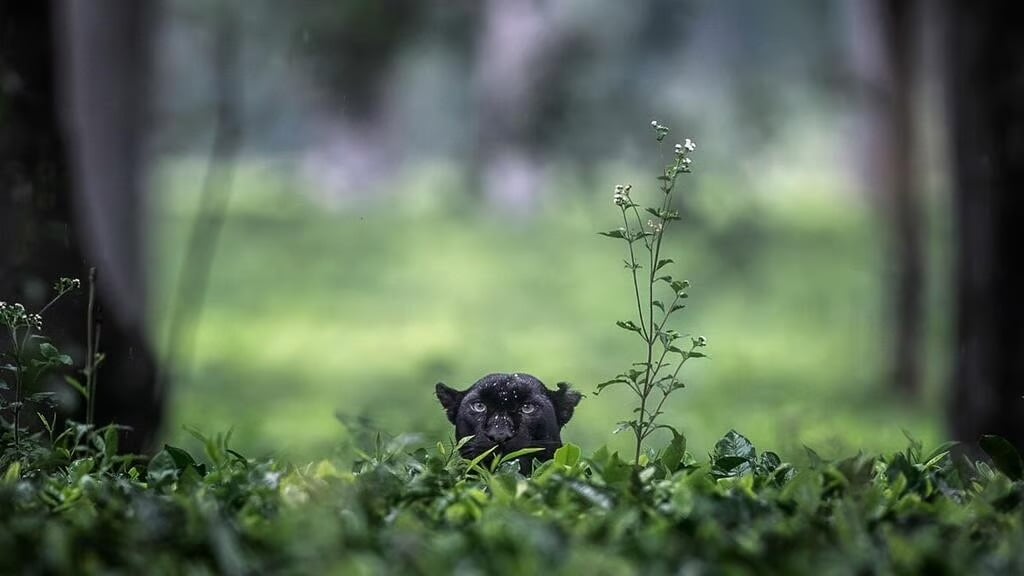
Deep within the Manas forest, the leopards face constant competition and danger from apex predators, most notably tigers. By positioning her cubs on the fringe, the mother avoids the most intense competition of the interior. The plantation itself offers a strategic advantage: the large, shade-giving trees required for tea cultivation provide a vertical sanctuary. When danger looms or when the mother needs to secure her young while she hunts, these trees serve as an elevated, protected nursery.
"She is so intelligent," Sharon shared via his Instagram platform. "She chose the only safe place around to raise her cubs. She knows when to leave them and when to return. She is protected 360 degrees and made sure they are too."
This behavior demonstrates a remarkable level of cognitive adaptation. The leopard is not merely hiding; she is managing a risk-reward calculation that takes into account the presence of humans, the proximity of larger predators, and the structural benefits of the plantation trees.
Understanding Melanism: The Science Behind the Shadow
The black leopard, colloquially known as a black panther, is not a separate species. It is a leopard (Panthera pardus) that exhibits melanism, a genetic condition characterized by an over-development of dark pigment in the skin and fur.
In most leopards, the coat is a pale yellow or golden color with black rosettes. In the melanistic variant, the black pigment masks these spots, though they remain visible under specific lighting conditions, particularly in bright sunlight. This genetic trait is recessive; both parents must carry the gene for the cub to be born with the black coat.
While their appearance is striking, the black panther’s dark coat is a double-edged sword. In the deep, dappled light of a dense forest, it provides superior camouflage, allowing the leopard to blend into the shadows. However, it can make thermoregulation more difficult in extreme heat. The fact that this family is thriving in the humid, tropical environment of Manas speaks to the species’ inherent adaptability.
Beyond the Panther: The Biodiversity of Manas
While the focus of the expedition was the elusive black leopard, Sharon’s portfolio serves as a vivid reminder of the broader ecological wealth of the Manas National Park. The region is a critical stronghold for several endangered species.
- The Golden Langur: One of the most striking primates in the world, the golden langur is endemic to a small region of Assam, India, and Bhutan. Its bright, cream-to-golden fur makes it a highlight for any wildlife enthusiast.
- Asian Elephants: The park provides a vital corridor for these giants, who move through the landscape in search of food and water.
- The Indian Rhinoceros: A symbol of conservation success in India, the rhinoceros is frequently documented by researchers in the park, serving as a flagship species for local protection efforts.
Sharon’s images capture these animals not as mere subjects, but as interconnected parts of a fragile web. From the oriental garden lizards to the powerful Bengal monitor, each photograph underscores the urgency of preserving this UNESCO site from the encroaching threats of habitat loss and human-wildlife conflict.
Implications for Conservation and Tourism
The documentation of a successful breeding pair of black leopards at the edge of human-inhabited space carries significant implications for conservation strategy. It highlights the importance of "buffer zones"—the areas between protected forest and human agriculture.
- Human-Wildlife Coexistence: The leopard’s ability to "take advantage of humans" by using the edges of the plantation shows that coexistence is possible, provided there is enough space and respect for the animal’s boundaries. As Sharon noted, when the mother feels uncomfortable, she simply "switches gears and disappears."
- The Role of Sustainable Tourism: High-quality wildlife photography and eco-tourism can serve as powerful tools for conservation. By documenting these animals, photographers like Sharon bring global attention to the needs of the park, potentially increasing funding and public support for anti-poaching and habitat restoration efforts.
- The Need for Corridor Protection: For the black leopard to continue its lineage in Manas, the connectivity between the tea plantations and the deep forest must remain intact. If these corridors are fragmented, the risk of conflict increases, and the survival rate of the cubs will drop.
Conclusion: A Testament to the Wild
Matan Sharon’s work in Manas is more than a collection of stunning photographs; it is a testament to the resilience of nature. By capturing the intimate moments of a mother and her cubs in the shadows of the tea plants, he has provided a window into a world that is often closed to human observation.
As we look at these images, we are reminded that even in the most remote corners of the world, the struggle for survival is constant. The black leopard of Manas stands as a silent sentinel of the forest—a reminder that there is still magic in the wild, provided we are willing to protect the spaces where these magnificent creatures call home.
For those interested in following the ongoing work of Matan Sharon, his expeditions and photography can be viewed on his official website, as well as his active Instagram and Facebook channels, where he continues to advocate for the protection of the world’s most vulnerable species.
 Laily UPN
  Reynand Wu