
 By Azzam Bilal Chamdy
In the mid-2010s, Apple found itself embroiled in a public relations crisis regarding "Batterygate," where the company was accused of intentionally throttling the performance of older iPhone models to manage aging batteries. The scandal served as a flashpoint for the broader conversation surrounding "planned obsolescence"—the industry-standard practice of designing products with a limited lifespan to force consumers into frequent upgrades.
Fast forward to 2026, and the narrative surrounding Apple has undergone a seismic shift. Ironically, the company is now grappling with the exact opposite problem: its hardware has become too good. By revolutionizing its internal architecture with custom Apple Silicon, the company has effectively dismantled the very obsolescence cycle that once defined the laptop market. Today, a growing segment of the user base is finding that their six-year-old hardware is not only functional but remains top-tier for most professional workflows.
The Chronology of the Silicon Shift
To understand why the MacBook upgrade cycle has stalled, one must look at the meteoric trajectory of the M-series chips.
- 2020: The Watershed Moment: The introduction of the M1 chip fundamentally altered the laptop landscape. By integrating the CPU, GPU, and RAM into a unified architecture, Apple achieved performance-per-watt efficiency that Intel-based machines simply could not touch.
- 2021–2023: The Pro Expansion: The release of the M1 Pro and Max chips signaled that Apple Silicon was not just for casual users. It was a viable desktop replacement for creative professionals.
- 2024–2025: Incremental Gains: As Apple moved through the M2, M3, and M4 generations, the performance delta between each year’s model began to shrink. While the chips grew more powerful, the baseline for "sufficient performance" had already been met by the M1.
- 2026: The M5 Era: With the launch of the M5, the industry finds itself in a state of diminishing returns. While reviewers acknowledge the M5 MacBook Pro is a technical marvel, the question of "necessity" has replaced the "excitement" of previous years.
The Data: Why Consumers Are Holding Tight
Recent market analysis, including reports surfacing via Forbes, indicates a clear trend: the "refresh cycle" for MacBooks has expanded significantly. In the Intel era, a three-to-four-year upgrade cycle was considered standard for power users. Today, that window has stretched to six years or more.
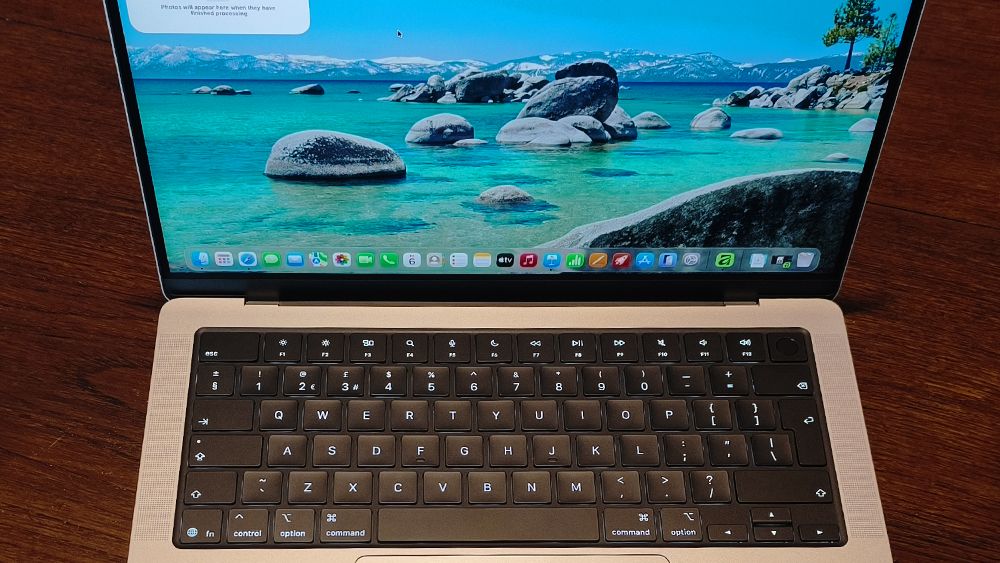
The data suggests that the M1 MacBook Air—a machine released in 2020—remains the gold standard for longevity. Despite being half a decade old, it handles web browsing, creative software, and productivity suites with a fluidity that many current-generation Windows laptops struggle to match.
This creates a "valuation trap" for Apple. Because the resale value of M-series Macs remains artificially high due to their continued relevance, existing owners have little financial incentive to trade in. When the difference between an M1 and an M5 in day-to-day tasks is negligible for 90% of the population, the $2,000+ investment for a new machine becomes harder to justify.
The "AI" Wildcard: A New Driver for Obsolescence?
If performance and hardware reliability can no longer move the needle, Apple is looking toward artificial intelligence to restart the upgrade engine. The recent announcement of "Siri AI" during the June 2026 developer events introduced a critical caveat: to utilize the most sophisticated, high-performance on-device AI models, a minimum of an M3 chip is required.
This serves as a strategic pivot. By tying advanced, resource-heavy AI features to newer silicon, Apple is attempting to manufacture a "software-driven obsolescence." It is a calculated gamble. While a user may not need a faster processor to edit a document, they may soon find that their M1 or M2 machine cannot run the latest local language models or image generation tools. Whether this is enough to compel the average user to upgrade remains the defining question of the next fiscal year.
Implications for the Tech Ecosystem
The current stagnation in MacBook sales has profound implications for the wider technology industry.
1. The Death of the "Annual Refresh"
Apple has historically treated MacBooks like iPhones, releasing updates with a relentless, predictable cadence. However, the MacBook is a productivity tool, not a fashion accessory. The failure of the M5 to significantly disrupt the market compared to its predecessor suggests that the "annual update" model is reaching its structural limit. Consumers are demanding innovation, not just a marginal increase in transistor density.
2. A Shift Toward Services and Ecosystem Lock-in
As hardware lifecycles lengthen, Apple is increasingly reliant on its services division. If a user keeps their MacBook for seven years instead of three, Apple must find ways to monetize that user through iCloud+, Apple Music, and the burgeoning AI-as-a-service market. The hardware becomes less of a profit center and more of a "gateway" into the high-margin ecosystem.
3. Sustainability and the "Right to Repair"
Ironically, the longevity of Apple Silicon is a major win for sustainability. Fewer units manufactured mean lower carbon footprints and reduced e-waste. While Apple may be unhappy with the dip in hardware revenue, the environmental impact of a machine that stays in use for six or seven years is a positive narrative that the company can leverage to offset the loss in short-term sales.
Looking Ahead: The M6 and Beyond
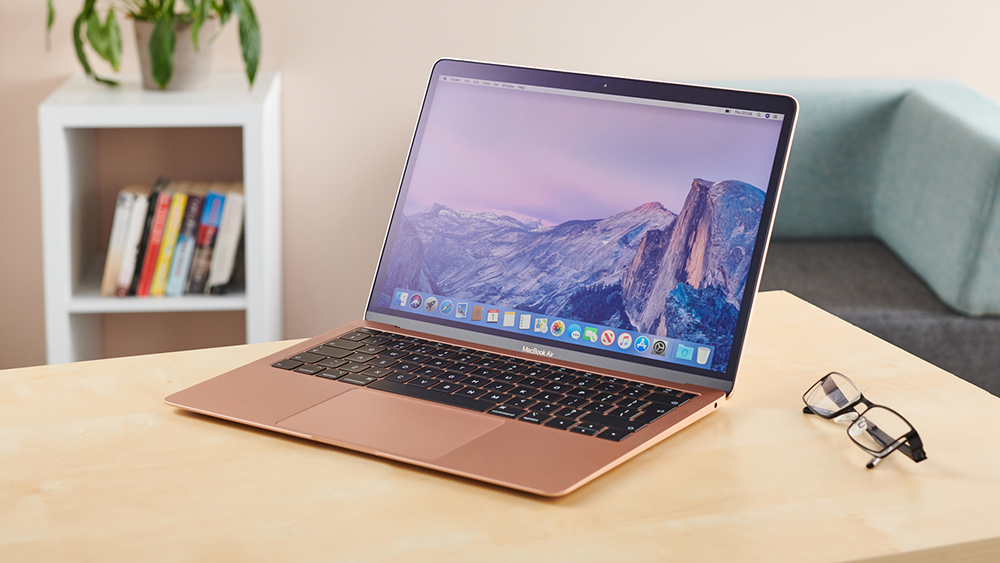
As we look toward the potential release of an M6-series MacBook Pro, the industry is watching closely. Will Apple continue to chase the annual release cycle, or will it recognize that the market has fundamentally changed?
There is a growing sentiment that Apple’s engineering prowess has outpaced the requirements of the average consumer. The M-series chips are "too good," and in doing so, they have set a high bar for what constitutes a necessary upgrade.
For the average creative professional or student, the choice is no longer about raw power—it is about feature sets. Unless the M6 offers a radical departure in design, display technology, or truly transformative AI integration, the trend of holding onto aging hardware is unlikely to reverse.
In conclusion, Apple finds itself in the enviable position of being a victim of its own success. By creating the most efficient and durable mobile processors on the planet, they have ensured that the MacBook is no longer a consumable product, but a long-term investment. For the consumer, this is a victory. For Apple’s bottom line, it is a challenge that will require a fundamental rethink of their hardware-as-a-service strategy in the coming years.
 Lina Hope
  Reynand Wu
  Pevita Pearce