
 By Layla Zulfa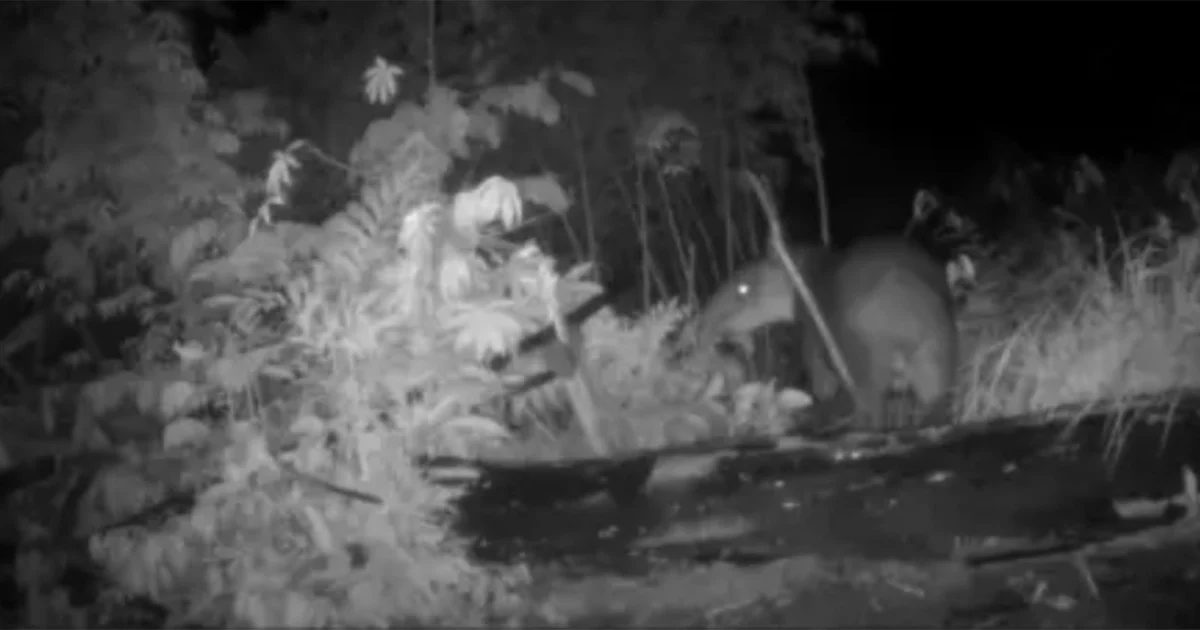
In the dense, verdant landscapes of eastern Honduras, a quiet revolution in wildlife conservation is unfolding. For generations, the Indigenous Miskitu community in Mavita has faced a persistent struggle: the mysterious disappearance of their cassava crops, locally known as yucales. For years, the finger of blame was pointed squarely at the Baird’s tapir (Tapirus bairdii). As the largest land mammal in Central America and a species already grappling with the pressures of habitat loss and endangered status, the tapir was viewed by locals not as a natural treasure, but as an agricultural pest.
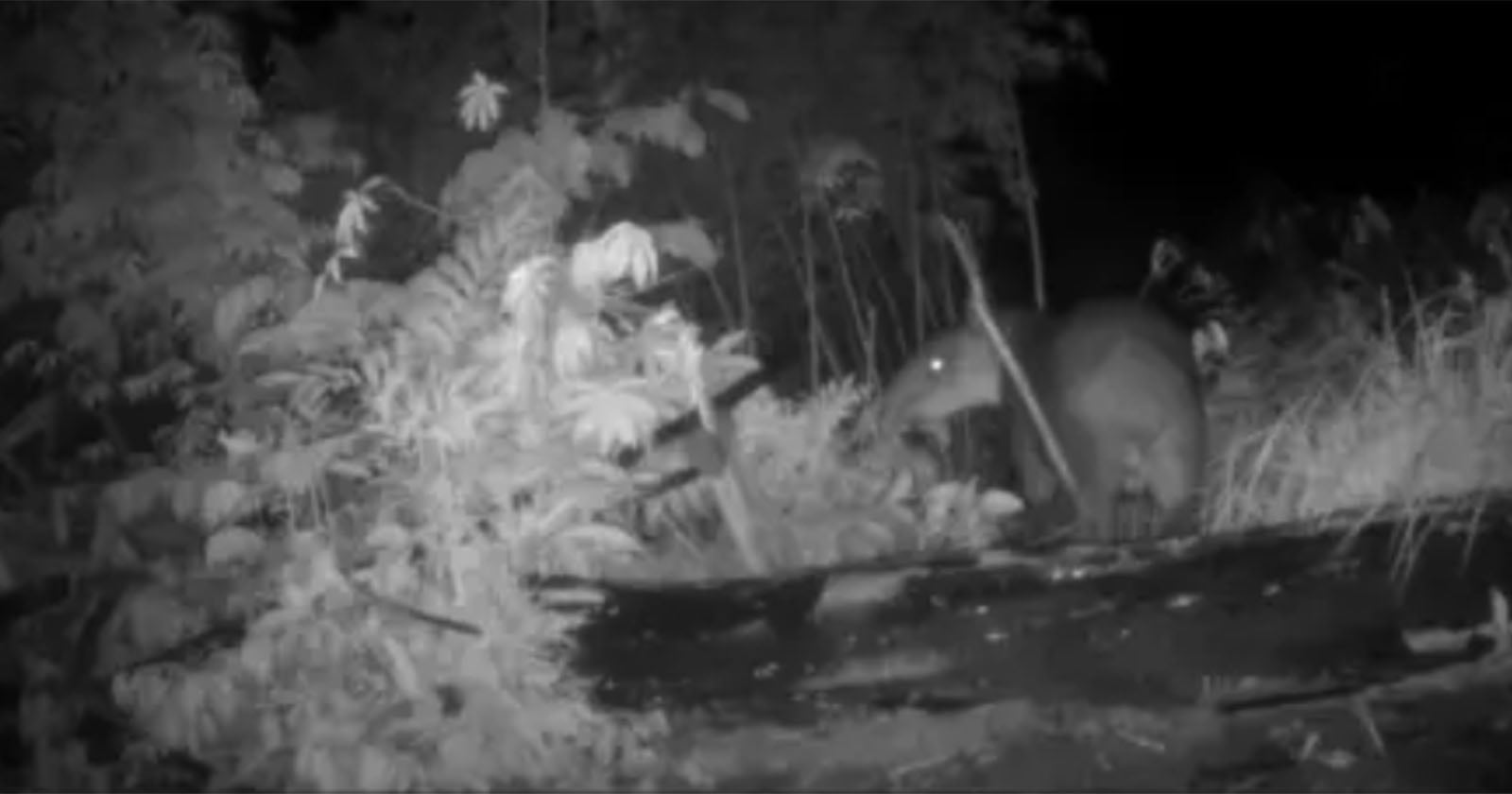
However, a groundbreaking study recently published in the journal Neotropical Biology and Conservation has upended these long-held assumptions. By utilizing non-invasive camera trap technology, researchers from the Wildlife Conservation Society (WCS) have successfully separated perception from reality, providing a masterclass in how modern technology can mitigate human-wildlife conflict and protect vulnerable species from retaliatory actions.
The Roots of Conflict: Human-Wildlife Tension
The tension between rural communities and the wildlife inhabiting surrounding forests is a global phenomenon. In Mavita, as in many other regions bordering tropical forests, the proximity of agriculture to wild habitats creates a "buffer zone" where interactions are inevitable. When food sources are scarce or forest habitats are fragmented, wildlife often ventures into cultivated fields to forage.
For the Miskitu people, the loss of cassava—a vital staple crop—represented a direct threat to their livelihood and food security. Naturally, when a community observes crop damage, they seek to identify the culprit. Because the Baird’s tapir is large, conspicuous, and active during the night, it became the primary suspect in the eyes of the locals. Other animals, such as the paca (Cuniculus paca) and the armadillo (Dasypus mexicanus), were also cast as accomplices.
This perception of the tapir as a "crop-raider" created a dangerous atmosphere. When local communities perceive an animal as a nuisance or an economic threat, it often leads to retaliatory hunting, trapping, or the degradation of forest corridors to keep the animals at bay. Protecting the tapir, therefore, required more than just biological data; it required a fundamental shift in the community’s understanding of who—or what—was eating their harvest.
Chronology of the Investigation
The Wildlife Conservation Society (WCS) initiative was designed not just to monitor wildlife, but to engage with the community to resolve a persistent ecological conflict. The study unfolded in several distinct phases:
Phase 1: Community Consultation
Before a single camera was mounted, researchers engaged with the Mavita community to understand the scope of the problem. They documented the residents’ grievances, noting the specific reports of crop losses and the species the locals identified as the primary perpetrators. This phase was crucial for establishing a baseline of public perception, which the researchers would later compare against scientific data.
Phase 2: Deployment of Technology
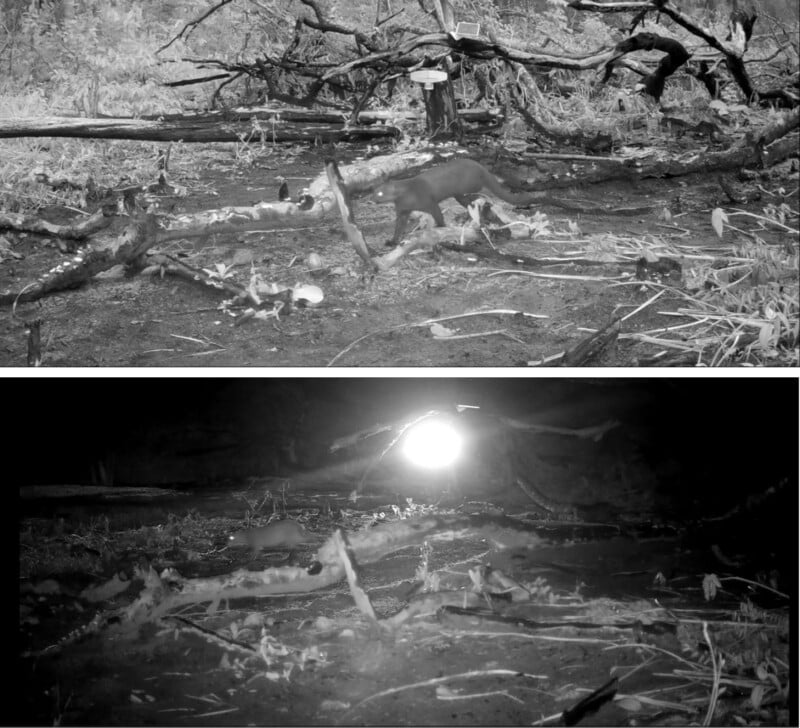
Over a two-month period, the research team installed a series of camera traps across a 10-hectare cassava field. These were not standard, passive cameras. To maximize data collection and test potential mitigation strategies, the team equipped the devices with solar-powered, motion-activated LED lights. These lights served a dual purpose: they captured clear, high-resolution imagery during nocturnal hours and functioned as a potential deterrent to discourage animals from lingering in the fields.
Phase 3: Data Collection and Analysis
The cameras functioned continuously, documenting every movement in the field. The result was a comprehensive visual database of nocturnal activity. The researchers meticulously cataloged the species, the frequency of their visits, and the nature of their interactions with the crops.
Phase 4: The Revelation
As the data was synthesized, the results were striking. While tapirs were indeed present in the area, they were not the primary consumers of the cassava. Instead, the data pointed to a completely different, and previously unsuspected, culprit: the Honduran cottontail rabbit (Sylvilagus hondurensis).
Supporting Data: Unveiling the True Culprits
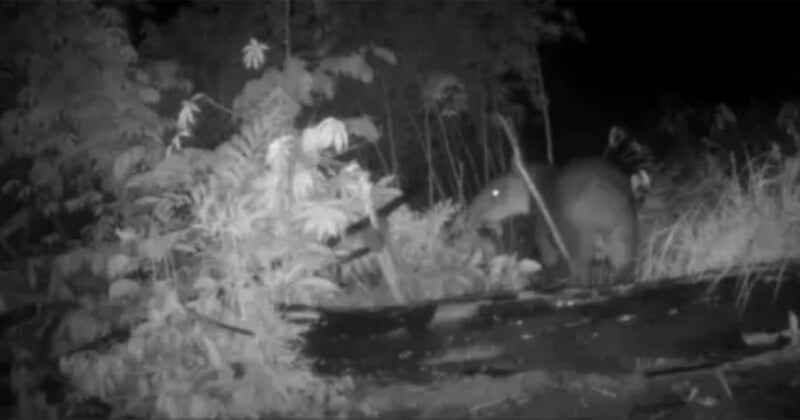
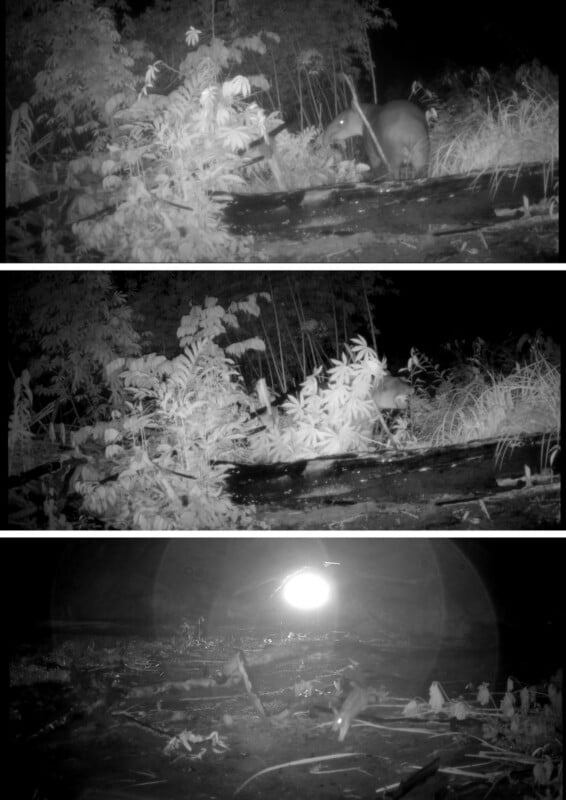
The findings of the study were nothing short of a paradigm shift for the Mavita community. The camera traps documented seven distinct mammal species frequenting the cassava fields, including ocelots, jaguarundis, opossums, rabbits, and tapirs.
The quantitative data provided by the traps revealed that the Honduran cottontail rabbit was the most frequent visitor by a significant margin. Remarkably, the local community had been largely unaware of the rabbit’s activity in their fields. The "invisible" nature of the rabbit—a smaller, less imposing animal—meant it escaped the scrutiny that was heavily directed toward the larger, more recognizable tapir.
The study also highlighted the varied roles these animals played. While the tapir was present, its interactions were far less frequent and intensive than the damage attributed to it by human observers. The presence of smaller, more prolific foragers like the cottontail rabbit suggests that the "crop destruction" narrative was based on misidentification rather than intentional malice by the larger mammals.
Perspectives from the Field: The Lead Researcher
Manfredo Turcios-Casco, the lead author of the study, noted that the project was a sobering reminder of how easily conservation conflicts can spiral due to misinformation.
"Many conservation conflicts begin with assumptions," Turcios-Casco explained in a press release. "Without evidence, it is easy to blame large and conspicuous animals. Camera traps allowed us to identify which species were truly interacting with the crops and helped us separate perception from reality."
For the research team, the most surprising element was the disconnect between the community’s localized knowledge and the objective data captured by the cameras. The study highlights that even long-term residents of an area can be led astray by cognitive biases—blaming the "obvious" suspects rather than the subtle ones.
Implications for Global Wildlife Conservation
The success of the Mavita project holds profound implications for the future of wildlife management.
1. Evidence-Based Mitigation
The study proves that before implementing aggressive or exclusionary measures (such as hunting or habitat destruction), it is imperative to secure empirical evidence of the damage. By using non-invasive technology, conservationists can identify the specific animals responsible for conflict, allowing for targeted solutions rather than blanket persecution of wildlife.
2. Community Empowerment
By involving the local community in the study, the researchers fostered a sense of partnership rather than confrontation. When the Miskitu people were shown the camera trap footage, the visual evidence provided a powerful tool for education. This collaborative approach is essential for long-term conservation success; if the community understands the true nature of the crop damage, they are more likely to support conservation-friendly practices.
3. Protecting Endangered Species
The Baird’s tapir is a critical component of the Central American ecosystem, acting as an "ecosystem engineer" that helps maintain forest health through seed dispersal. Exonerating the tapir from the charge of being a major agricultural pest removes a significant barrier to its survival. If local communities no longer view the tapir as an enemy of their harvest, the pressure on the species decreases, allowing for more harmonious coexistence.
4. Scalability of the Methodology
The use of solar-powered, motion-activated LED camera traps is a scalable solution that can be applied to other agricultural frontiers worldwide. Whether it is elephants in Africa, wild boar in Europe, or deer in North America, this methodology offers a template for addressing crop-raiding conflicts in a way that is scientifically rigorous and socially equitable.
Conclusion: A Future of Coexistence
The case in Mavita serves as a powerful testament to the necessity of nuance in conservation. We live in an era where technology—specifically high-fidelity, autonomous, and solar-powered surveillance—allows us to see into the dark corners of the forest that were previously closed to human observation.
By replacing hearsay with hard data, the researchers have done more than just save a population of tapirs from local animosity; they have strengthened the bond between a community and their surrounding environment. The story of the Honduran cottontail rabbit and the "accused" tapir is a reminder that in the complex web of life, our neighbors in the forest are often misunderstood. With the right tools and a willingness to challenge our own assumptions, we can move toward a future where human agricultural needs and wildlife preservation do not have to be mutually exclusive.
As we look ahead, the integration of such technology into community-led conservation efforts promises a more sustainable path forward. The next time a crop is lost to the night, the community of Mavita will now look to the lens rather than the trigger—a shift in mindset that may be the most vital tool in the conservationist’s toolkit.
 Laily UPN
  Reynand Wu
  Lina Hope