
 By Asep Darmawan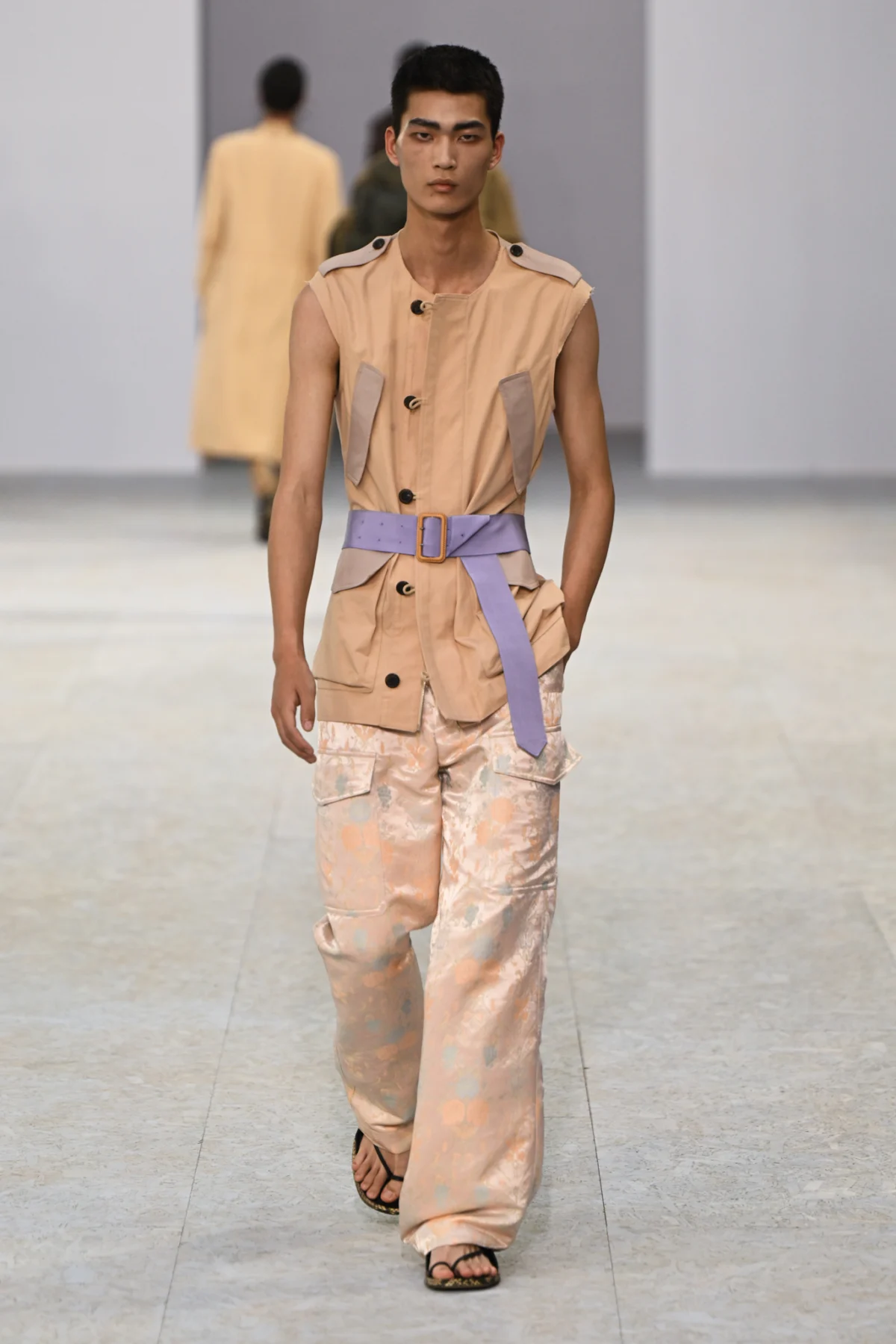
The conversation at Paris Men’s Fashion Week typically revolves around a singular, elusive question: What is the next big thing? This season, however, the inquiry took on a starkly literal dimension. As a record-breaking heat wave descended upon the French capital, turning the city into a sweltering runway of its own, the industry found itself forced to pivot. The clothes were no longer just about aesthetic posturing; they were about survival.
Paris was burning, and the extreme temperatures were impossible to ignore. For the industry’s most influential buyers, the experience shifted the paradigm of luxury. The discourse moved away from the search for the next "hero" item and toward a fundamental reevaluation of what it means to be dressed for a changing world.
The New Climate of Luxury: A Shift in Perspective
"Climate was impossible to separate from the clothes," noted David Thielebeule, fashion director at Bloomingdale’s. "The question this week was less, ‘What’s the next big trend?’ and more, ‘How do I survive the walk to the next show?’ Fortunately, many designers answered both."

This sentiment echoed across the city’s showrooms and front rows. The industry, often criticized for its slow adaptation to environmental realities, found itself confronted by the very nature of its product. Lightness emerged as the season’s defining theme—not just as a stylistic choice, but as a practical necessity. Buyers pointed toward softer silhouettes, fluid constructions, and fabrics that prioritized breathability—silk, chiffon, and sheer layers—as the new standard for the modern man.
The era of "dopamine dressing"—characterized by aggressive colors and heavy, statement-making pieces—has largely passed. In its place, the color palette shifted toward sorbet tones and sun-faded shades, mirroring the exhausted, hazy atmosphere of a Parisian summer.
Chronology of a Sweltering Season
The week began with a sense of urgency. As thermometers climbed toward 43 degrees Celsius, the logistical challenges of navigating the city became the primary topic of conversation.

- Early Days: The focus was on established houses. Celine, under the lens of its debut men’s collection, was widely praised for its commercially grounded, fresh interpretation of house codes. The collection, which challenged familiar proportions, was seen as a triumphant return to wearable luxury.
- Mid-Week: The heat intensified, and with it, the collections became more conceptual. Rick Owens stood out as a critical favorite, directly addressing the weather with a collection that utilized cooling, breathable elements and water-inspired themes. It was a rare instance where high-concept design intersected perfectly with pragmatic survival.
- The Climax: Dries Van Noten emerged as the undisputed favorite of the season. Julian Klausner’s third menswear show for the house was lauded across all markets for its ethereal, "lighter-than-air" quality. The use of sheer crepe shirting and floaty silhouettes provided a much-needed visual and physical respite from the heat.
Supporting Data: The Commercial Reality
Despite the palpable tension in the air, the financial outlook remained surprisingly resilient. Overall budgets were largely flat across major retailers, reflecting a cautious but steady market.
"We remain cautiously optimistic," said Görkem Şahin, general merchandising manager at Beymen Group. "Although we are not pursuing aggressive growth, budgets are generally trending upward."
This caution translated into a "selective investment" strategy. Retailers are pulling back from "hype pieces"—products designed solely for viral status—and moving toward full-wardrobe building. There is a clear shift toward versatile categories: lightweight outerwear, soft tailoring, and refined knitwear that can transition across seasons.

The Buyer’s Ledger
- Increasing Spend: Soft tailoring, luxury casualwear, leather accessories, and lightweight parkas.
- Decreasing Spend: Heavy, logo-driven outerwear and highly theatrical, costume-like pieces.
- Key Growth Categories: Footwear (specifically sandals and ballet-inspired styles), denim, and versatile layering pieces.
Official Responses: Voices from the Front Row
The consensus among buyers was that the industry is undergoing a "grounding" phase. The spectacle of the past has been replaced by a search for authenticity.
Alice Feillard (Galeries Lafayette): "The most interesting brands are those investing in their own DNA. There is a palpable sense of joy and optimism that felt particularly refreshing in the context of today’s global uncertainty."
Shaun Donnelly (Harvey Nichols): "The era of buying into every viral piece is slowing. Customers are becoming more discerning, investing in timeless, versatile pieces over products designed purely for hype."

Will Zhang (SND China): "This shift isn’t limited to luxury fashion: it has already been reflected across Instagram and street style. Breathable, effortless dressing is no longer just a seasonal trend; it’s essential to the way people want to dress."
Implications: A Future Defined by Adaptability
The 2027 Paris Men’s Fashion Week will be remembered as the moment the industry truly accepted the realities of a warming planet. The implications for the future of menswear are profound.
1. The Death of Seasonal Rigidities
The distinction between "Spring/Summer" and "Fall/Winter" is blurring. As summer heat becomes more extreme and unpredictable, retailers are looking for products that offer year-round utility. The "buy-now, wear-now" mentality is no longer just a marketing buzzword; it is a necessity for the consumer who can no longer rely on traditional weather patterns.

2. The Rise of "Intellectual Corporate"
There is a growing trend toward what buyers call an "intellectual corporate" silhouette. This involves a return to tailoring—blazers, dress trousers, and shirts—but executed with a twist. The clothes are deconstructed, softer, and more fluid. It is an aesthetic that acknowledges the need for professional polish while demanding the ease of sportswear.
3. A Focus on Longevity and Craft
The move away from logos and hype signifies a deeper shift in consumer psychology. In a volatile world, luxury is increasingly defined by quality, durability, and craftsmanship. Consumers are looking for items that tell a story and can withstand the test of time, rather than pieces that expire at the end of a trend cycle.
4. The Human Element
Finally, the season highlighted the importance of human connection. From the intimacy of Lemaire’s show at the Opéra Bastille to the cathartic joy of the Comme des Garçons finale, there was a concerted effort by designers to remind the audience of the emotional power of fashion. In a digital, AI-driven age, the physical reality of the runway—and the clothes themselves—has become the ultimate luxury.

Conclusion
As the sun set on the Tuileries and the final appointments concluded, the industry left Paris with a clearer vision of its future. The extreme heat of the week acted as a crucible, burning away the superfluous and leaving behind a more focused, practical, and authentic vision of modern menswear.
The "hero" piece is dead; the "hero wardrobe" is in. Designers have proven that they can offer both fantasy and function, even in the most challenging conditions. Moving forward, the mark of a successful collection will not be how many headlines it generates, but how well it serves the person wearing it—whether they are navigating a boardroom or a climate-challenged city street. The season was, in the words of Harrods’ Simon Longland, fundamentally "optimistic." It was a reminder that fashion, at its best, is not just about what we wear, but how we adapt to the world around us.
 Nana Muazin
  Nana
Nana  Ali Ikhwan