
 By Asro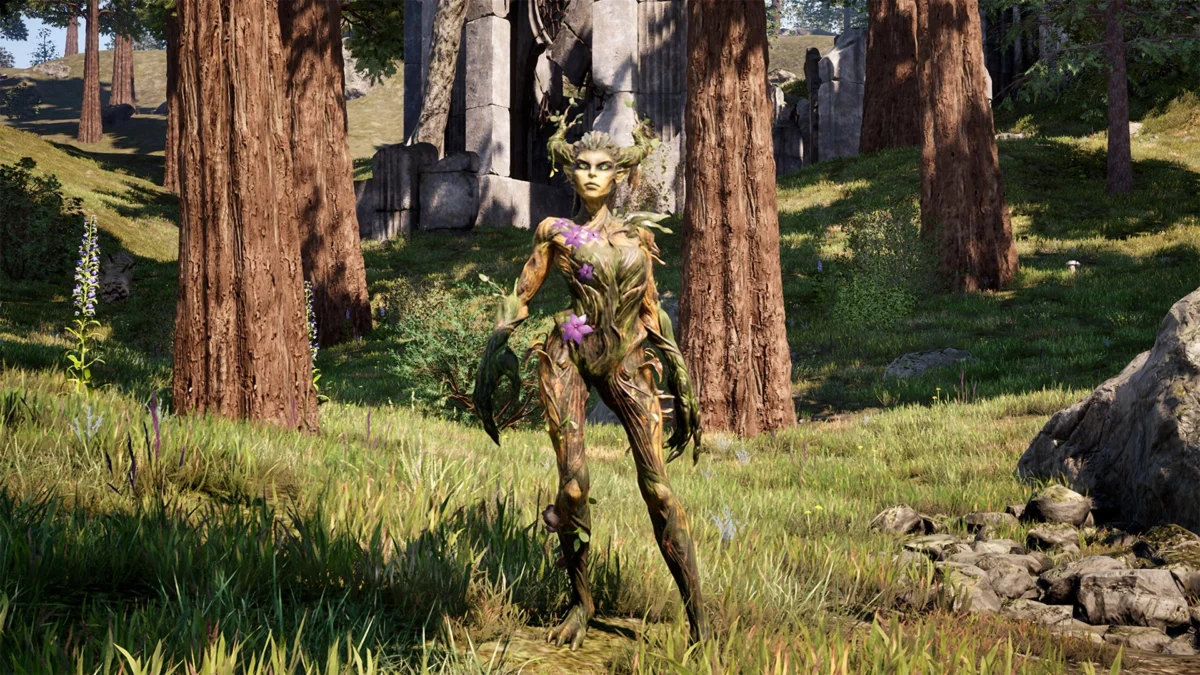
The landscape of modern gaming is often defined by the tension between nostalgia and technological progression. Few titles capture that tension as effectively as The Elder Scrolls IV: Oblivion Remastered. Following its explosive, shadow-dropped debut in 2025—a move that saw it climb into the top ten best-selling titles across the United States—the title is preparing for its most ambitious expansion yet: a full-scale port to the upcoming Nintendo Switch 2.
With an official release date now locked for August 11, the gaming community is bracing for a title that seeks to bring the sprawling, high-fantasy province of Cyrodiil to a handheld ecosystem that is, by all technical accounts, punching well above its weight.
The Core Facts: A Definitive Release
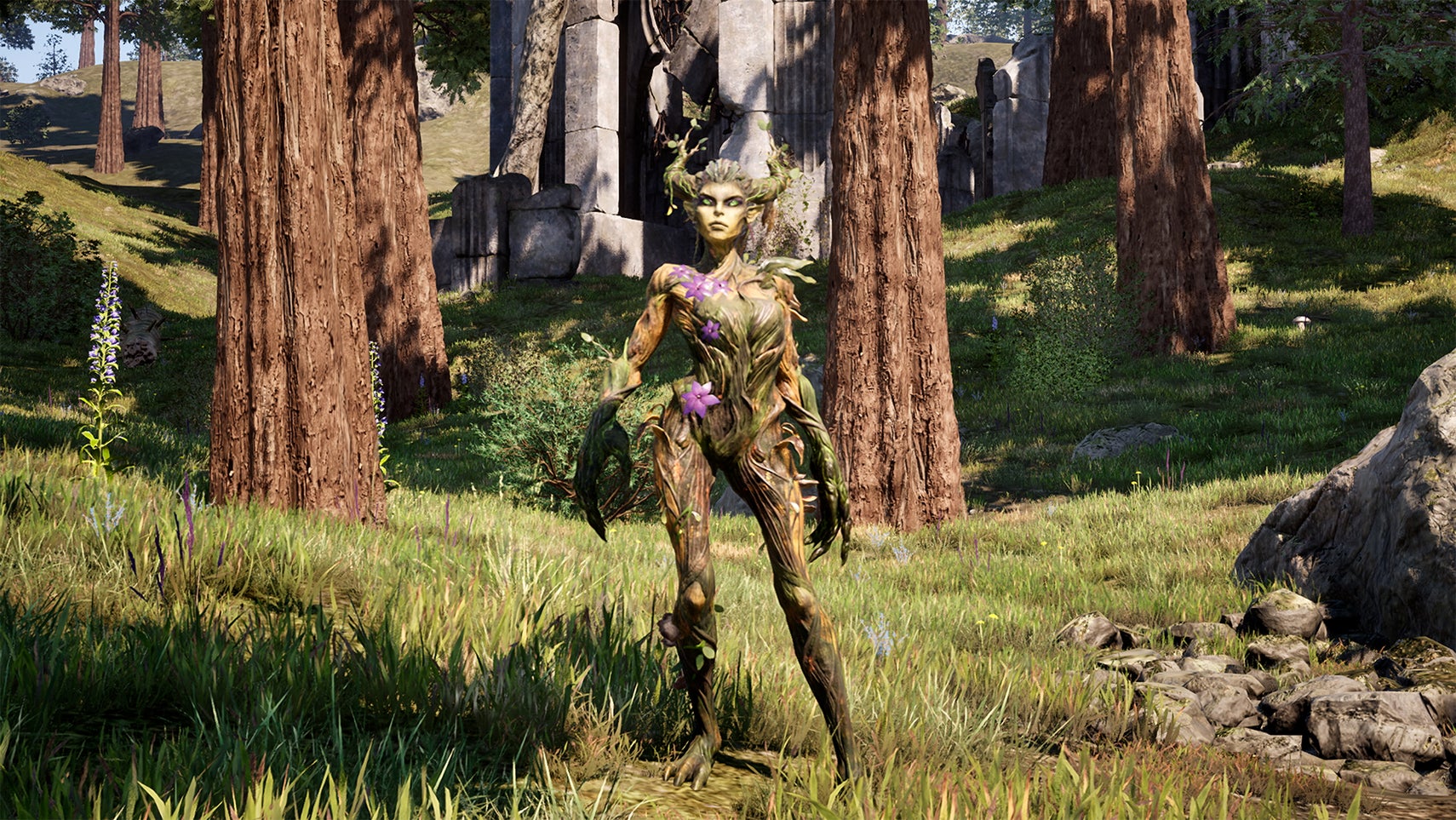
The arrival of Oblivion Remastered on the Nintendo Switch 2 is not merely a routine port. Developed by Virtuos, the studio behind several high-profile conversions, this version aims to maintain the visual fidelity of the Unreal Engine 5 overhaul seen on other platforms.
Nintendo has officially confirmed that pre-orders are live via the eShop, with two distinct tiers available to consumers. The Standard Edition is priced at £49.99, while the Deluxe Edition, retailing at £59.99, offers a suite of exclusive content. This premium tier includes additional questlines, unique armor sets, and specialized weaponry that integrate seamlessly into the base game and its legendary expansion packs, Shivering Isles and Knights of the Nine.
Perhaps the most significant victory for physical media collectors is the confirmation that the game will be housed entirely on a physical cartridge. Unlike the industry trend of "code-in-a-box" releases that characterized the previous generation’s Skyrim and Fallout 4 ports, Oblivion Remastered will offer a complete, offline-capable experience, a decision that has been met with widespread acclaim from the Bethesda community.
A Chronological Journey: From Shadow Drop to Switch 2
To understand the significance of this release, one must look at the timeline of the project’s development.
- Early 2025 (The Shadow Drop): Bethesda blindsided the industry by releasing Oblivion Remastered without a traditional marketing campaign. The sudden availability of the game triggered an immediate spike in sales, proving that the appetite for high-quality remasters of classic Bethesda RPGs remains ravenous.
- February 2025 (The Nintendo Direct Reveal): During a pivotal Nintendo Direct, the Switch 2 version was unveiled. The announcement emphasized the use of Unreal Engine 5, signaling a departure from the dated Gamebryo engine that underpinned the original 2006 classic.
- Spring 2025 (The Performance Hurdles): Following the release of the initial remaster, Virtuos struggled with performance optimization. Two major patches were deployed to address stuttering and frame-pacing issues. While these patches provided stability, they did not fully resolve the technical complexity of the remaster’s new lighting and physics models.
- August 11, 2025 (The Switch 2 Launch): The final piece of the puzzle, bringing the title to portable hardware.
Supporting Data: Technical Specifications and Expectations
Bringing a modern Unreal Engine 5 title to a handheld device requires significant concessions, yet the technical targets for Oblivion Remastered on the Switch 2 are surprisingly robust.
Resolution and Frame Rate Targets
According to the latest press release, the game is optimized for 900p resolution at 30 frames per second (FPS) in handheld mode, scaling to 1080p at 30 FPS when docked. Crucially, the inclusion of NVIDIA DLSS (Deep Learning Super Sampling) upscaling is expected to provide the necessary overhead to maintain these targets during the game’s more intensive segments, such as the Oblivion Gate battles or large-scale combat in the Imperial City.
Control and Interface Enhancements
Virtuos has gone to great lengths to ensure that the user experience is optimized for the Switch 2’s unique hardware capabilities. The port will feature:
- Motion Controls: Precision aiming for archery and spellcasting.
- Touch Screen Integration: A fully redesigned menu and inventory interface optimized for touch input.
- Mouse Mode: A legacy-style cursor implementation for players who prefer a traditional PC-style experience, even when playing on the go.
While initial screenshots have shown a "softer" visual presentation compared to high-end PC counterparts, the inclusion of these control options suggests that the developers are prioritizing gameplay fluidity over raw pixel counts.

Official Responses and Developer Strategy
The involvement of Virtuos has been a point of debate among industry analysts. Given the studio’s history with high-performance ports, their task here is arguably their most difficult to date.
Bethesda has remained relatively tight-lipped regarding the long-term support for the game, though sources suggest that the studio is treating this release as a "test bed" for future Unreal Engine 5 conversions of their legacy library. If Oblivion succeeds on the Switch 2, it opens the door for potential remasters of Fallout 3 and Fallout: New Vegas, which have been subject to intense rumors for several years.
Critics have noted that the studio appears to have reached the ceiling of what is possible with the current build, suggesting that these patches will be the final word on performance optimization. "The goal was to preserve the essence of Cyrodiil while ensuring the game feels at home in a modern, mobile-first environment," a spokesperson hinted during the Nintendo Direct.
The Broader Implications: What This Means for the Industry
The success of Oblivion Remastered on the Switch 2 carries weight far beyond a single game. It serves as a litmus test for the viability of bringing AAA, legacy-engine-turned-UE5-titles to Nintendo’s next-generation platform.
The "Remaster" Trend
We are currently in an era where the definition of "remaster" is being rewritten. Players are no longer satisfied with simple resolution bumps; they expect modernized physics, global illumination, and updated AI behavior. By successfully porting Oblivion, Bethesda and Virtuos are setting a new standard for what consumers should expect from legacy content.

The Future of Bethesda’s Back Catalog
With Fallout 3 and New Vegas fans watching closely, the performance of Oblivion will dictate the roadmap for the next three to five years of Bethesda’s publishing strategy. Should the Switch 2 port achieve commercial success, it validates the strategy of "remastering for the masses" rather than focusing exclusively on next-gen hardware.
A New Standard for Portability
If Oblivion Remastered can offer a stable experience with robust control options—including the previously mentioned touch and motion inputs—it may force other developers to prioritize UI/UX optimization for their own ports. The industry has long suffered from "lazy" ports that translate PC control schemes poorly to handhelds; Oblivion appears to be bucking this trend.
Conclusion: Returning to the Imperial Province
Despite lingering concerns over the game’s performance ceiling and the soft visual presentation, the excitement surrounding the August 11 release is palpable. For a generation of players, Oblivion was their first true introduction to the vast, open-world potential of the RPG genre. The ability to carry that world, with all its quirks, charm, and chaos, in one’s pocket is a prospect that few fans can resist.
As we await the launch, one thing is certain: whether it runs flawlessly or requires a bit of patience, the "Adoring Fan" will be waiting, and so will a legion of players ready to step once more into the gates of Oblivion. The journey back to Cyrodiil is almost complete, and the Switch 2 is poised to be the vessel for a new chapter in Bethesda’s storied history.
 Laily UPN
  Nila Kartika Wati