
 By Nana Wu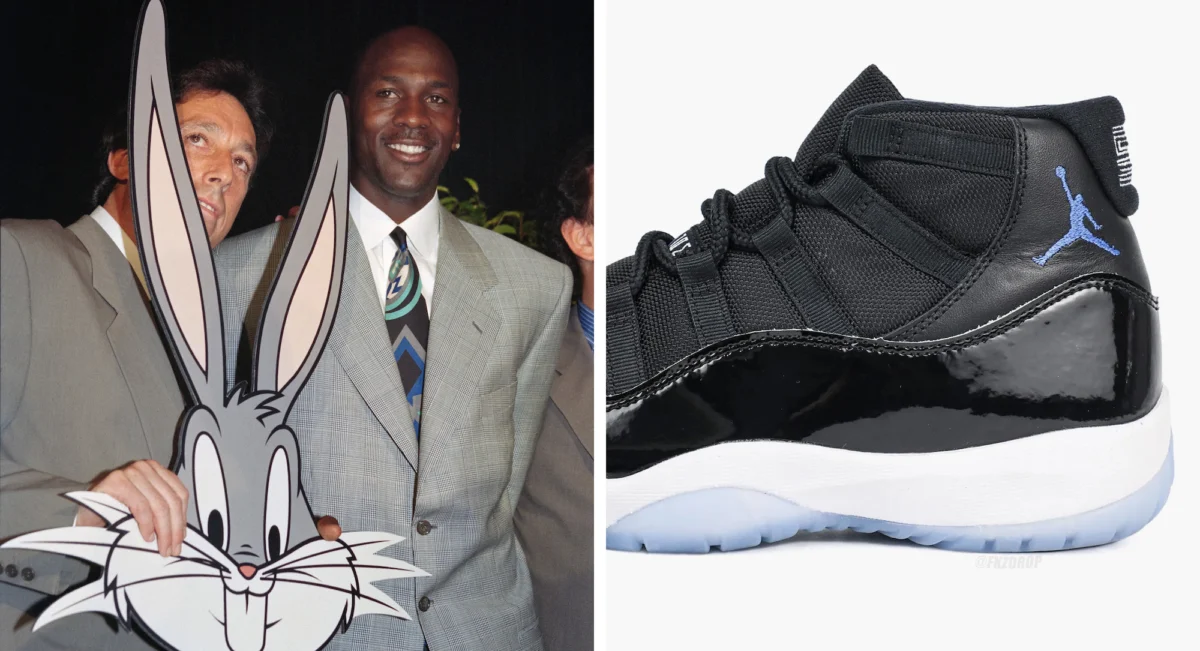
For nearly two decades, the holiday season has been synonymous with a singular event in the world of footwear: the annual arrival of the Air Jordan 11. Since 2009, Jordan Brand has maintained a sacred tradition of capping off the year with a high-profile release of this silhouette. As the calendar turns toward the end of 2026, the brand is set to deliver its most anticipated offering yet, bringing back the undisputed king of the lineage: the Air Jordan 11 "Space Jam."
The return of this legendary colorway is not merely a product launch; it is a cultural touchstone that bridges the gap between 1990s cinema, basketball history, and the modern era of sneaker collecting.
The Anatomy of a Legend: First Looks at the 2026 Retro
The buzz surrounding this year’s release began in earnest following a series of leaked images shared by industry insiders, including the Instagram account @fkzdrop. These early visuals offer a detailed glimpse into the craftsmanship behind the 2026 iteration.
At first glance, the shoe maintains a silhouette faithful to the original 1995 design. However, the construction leans heavily into the refined aesthetics seen in the 2016 retro, prioritizing durability and visual clarity. The most notable design choices include the prominent "23" branding on the heel, rather than the "45" that adorned the original version worn by Michael Jordan during his return to the NBA. Additionally, the sneaker features "Varsity Royal" Jumpman logos, opting for a vibrant pop of color over the "Concord" purple that graced the film-accurate 2016 release.

Perhaps the most practical update is the continued use of a translucent blue-tinted outsole. This technical decision—implemented for the second consecutive year—addresses the long-standing collector frustration regarding the "yellowing" of the icy rubber soles over time. By incorporating a blue tint, Jordan Brand aims to preserve the pristine, "fresh-out-of-the-box" look that enthusiasts crave.
A Chronology of the "Space Jam" Legacy
To understand the magnitude of this release, one must look at the history of the shoe itself. The Air Jordan 11 "Space Jam" is unique because it was born on the silver screen before it ever touched the hardwood floor of an NBA arena as a retail product.
The Film Origin (1995–1996)
When Michael Jordan stepped onto the court in the 1996 film Space Jam to face off against the Monstars, he did so in a pair of custom, blacked-out Air Jordan 11s. This specific version featured the number 45 on the heel, signifying his jersey number following his initial retirement from baseball. At the time, this was a one-of-one prototype, leaving fans clamoring for a public release that would not materialize for another four years.
The Millennium Drop (2000)
In 2000, Jordan Brand finally answered the prayers of the sneaker community, marking the first time the "Space Jam" was available for purchase. Interestingly, this version deviated from the movie aesthetic by swapping the "45" for the iconic "23" and introducing the "Varsity Royal" Jumpman—a move that established the design language for future releases.

The Holiday Tradition (2009)
The 2009 release was a watershed moment for the brand. It served as the catalyst for the current holiday tradition, proving that a singular, highly anticipated sneaker drop could anchor an entire fiscal quarter. It solidified the Air Jordan 11 as the premier gift for sneakerheads worldwide.
The Movie-Accurate Pivot (2016)
In 2016, Jordan Brand attempted to satisfy the purists by releasing an iteration that was as close to the movie original as possible. This version brought back the "45" on the heel and the original "Concord" branding. The result was a massive success, fueling a years-long debate among collectors regarding whether the 2000/2009 "23" version or the 2016 "45" version reigns supreme.
Supporting Data: Economic Impact and Market Dominance
The Air Jordan 11 is not just a sneaker; it is a financial powerhouse for Nike. The success of these releases is quantifiable, often serving as a barometer for the health of the entire secondary sneaker market.
Following the 2016 "Space Jam" release, the scale of the brand’s achievement became public knowledge during an earnings call. Then-Nike brand president Trevor Edwards famously labeled the release as the "largest and most successful shoe launch in the history of Nike." This statement underscores the immense pull of the silhouette.

The market for these shoes remains incredibly resilient. With the 2026 release priced at $255—a $20 increase from the 2025 "Gamma" edition—Jordan Brand is signaling a shift in its pricing strategy. Despite the higher MSRP, industry analysts anticipate that demand will remain inelastic, given the scarcity and the legendary status of the "Space Jam" moniker. This price adjustment reflects both inflation in the supply chain and the premium tier positioning of the Air Jordan 11 line within the broader Jordan Brand portfolio.
Official Responses and Strategic Positioning
While Nike and Jordan Brand remain notoriously tight-lipped regarding specific design intentions, the shift back to the "23" and "Varsity Royal" aesthetic suggests a strategic choice to align with the most popular, rather than the most historically accurate, version.
By focusing on the version that resonated most with the early 2000s consumer, the brand is leveraging nostalgia to capture a new generation of buyers who may have missed out on the previous two decades of releases. The decision to retail the shoe through the SNKRS app and a curated list of third-party retailers is designed to manage distribution more effectively than in years past, aiming to curb the rampant botting that has plagued high-heat releases.
The Implications for the Future of Footwear
The upcoming release of the Air Jordan 11 "Space Jam" serves as a case study for how legacy brands maintain relevance. By oscillating between different versions of the same shoe, Jordan Brand successfully keeps the narrative alive.

The Collector’s Dilemma
The ongoing debate between the "45" and "23" versions is a feature, not a bug. It forces collectors to engage with the history of the product, fostering a deeper connection to the brand. For the serious collector, owning both versions is often the end goal, which drives secondary market volume long after the official retail window has closed.
Broadening the Ecosystem
The presence of a low-top version in 2024, followed by the high-top in 2026, shows that Jordan Brand is committed to saturating the market in a controlled manner. This allows them to cater to different segments of the demographic: those who want the performance-oriented high-top and those who prefer the casual, daily-wear versatility of the low-top.
Setting the Holiday Standard
As we approach the December 12 release date, the industry will be watching closely. If the 2026 "Space Jam" meets or exceeds the success of its predecessors, it will likely cement the Air Jordan 11 as the permanent anchor for Nike’s Q4 performance.
Ultimately, the Air Jordan 11 "Space Jam" represents a rare convergence of sport and pop culture. Whether you are a long-time collector who remembers the original 1995 film or a newcomer attracted by the sleek patent leather and timeless colorway, this release is a reminder of why the Jordan Brand remains the gold standard in the footwear industry. It is a sneaker that transcends the court, moving into the realm of cultural artifact, and on December 12, the legend returns to the shelves once again.
 Nana Muazin
  Nana
Nana  Ali Ikhwan