
 By Dwi Wanna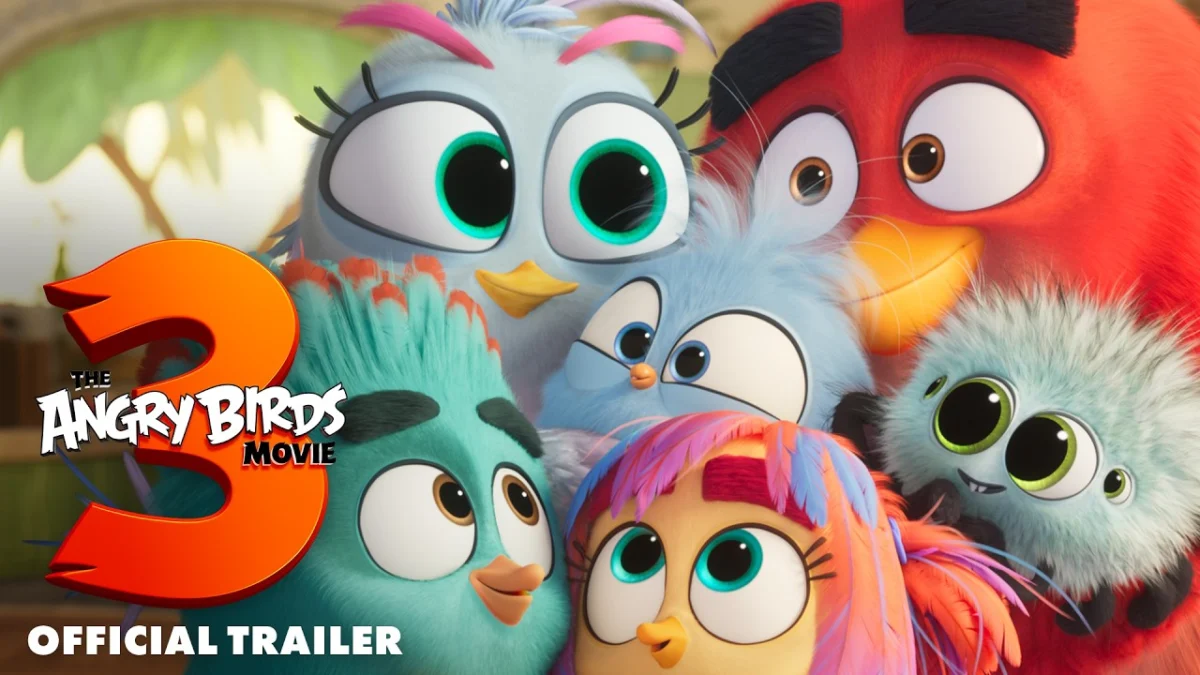
When Angry Birds first debuted on iOS in 2009, it was a simple, addictive exercise in physics-based destruction. Players catapulted disgruntled, flightless birds at smug, thieving green pigs, a premise so inherently absurd yet perfectly executed that it transcended the mobile gaming market to become a global cultural phenomenon. Fast forward nearly two decades, and that singular mobile game has evolved into a massive transmedia franchise, spanning three feature-length films, a Netflix series, and a mountain of merchandise.
However, the latest chapter in this saga, The Angry Birds Movie 3, has sparked a fierce debate among fans and industry observers alike. As the trailer for the 2026 release drops, the community is not just questioning the direction of the plot—they are actively roasting the aesthetic shift. With a change in distribution, a departure from the franchise’s signature kinetic energy, and a pivot toward domestic tropes, the franchise is facing its most significant identity crisis to date.
A Legacy of Chaos: The Chronology of an Avian Empire
To understand the current backlash, one must first look at the trajectory of the Angry Birds cinematic universe. When the first film, The Angry Birds Movie (2016), was announced, skepticism was high. Critics and gamers alike questioned whether a mobile game with no narrative structure could sustain an 80-minute runtime. Yet, Sony Pictures Imageworks delivered a surprisingly punchy, slapstick-heavy comedy that grossed over $352 million worldwide.
The sequel, The Angry Birds Movie 2 (2019), leaned even harder into the zany, high-energy world of Bird Island and Piggy Island. It solidified the franchise’s visual identity: exaggerated, squash-and-stretch animation that mirrored the frantic pacing of the original mobile games.
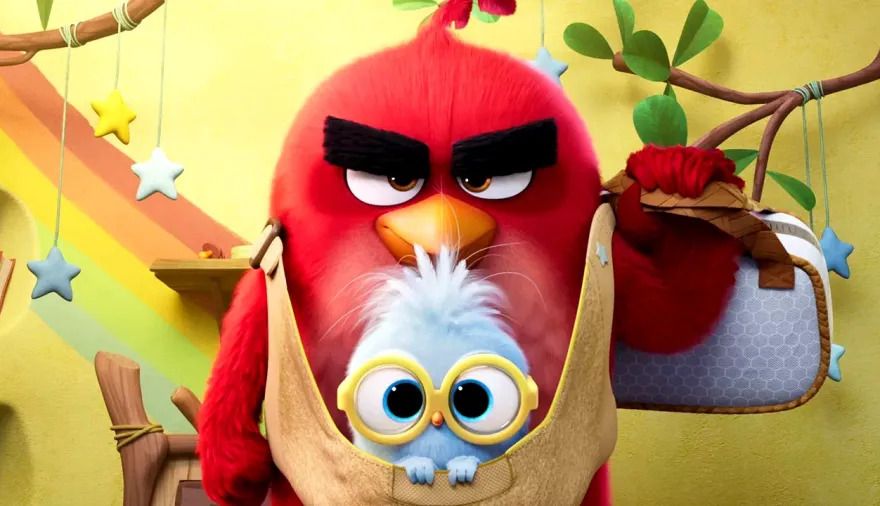
Now, with The Angry Birds Movie 3 scheduled for a December 23, 2026, release, the shift in stewardship is palpable. Distribution has moved from Sony to Paramount, a change that many fans believe signals a broader strategic pivot. The trailer, which introduces a domestic, "parenting-focused" narrative featuring Red (Jason Sudeikis) and Silver, has left long-time supporters feeling that the birds have lost their edge—literally and figuratively.
The Aesthetic Divide: A "Downgrade" or a Creative Pivot?
At the heart of the current controversy is a perceived decline in visual quality. While the first two films were celebrated for their vibrant, chaotic, and highly stylized 3D animation, the trailer for the third installment presents a significantly different aesthetic. The lighting appears softer, the character models rounder, and the physics—the very foundation of the franchise—seem to have been dialed back in favor of a more "TV-show-adjacent" look.
Professional animation studio DNEG is behind the visual development of the third film, a fact that has only fueled the confusion among fans. Many are asking how a studio with such a storied reputation for high-end visual effects and animation could produce a look that feels, to the average viewer, like a "downgrade."
The "Family Birds" Phenomenon
Social media platforms, particularly X (formerly Twitter) and YouTube, have been flooded with comparisons. Fans are noting that the "kinetic chaos" that defined the franchise’s visual language has been replaced by a more subdued, sitcom-like framing. Comments such as, "This ain’t Angry Birds, this is Family Birds," suggest a fundamental disconnect between what the audience expects from the IP and what the creative team is delivering.
The shift toward a "parenting comedy" genre is also being met with skepticism. While character growth is a standard trope in sequels, audiences are questioning why an IP built on explosive, high-stakes bird-versus-pig conflict is now focusing on the mundane trials of raising a family. For many, the "Angry" in Angry Birds is the primary selling point; replacing that anger with domestic humor feels, to some, like a dilution of the brand.
The Business of Nostalgia: Why Distribution Matters
The move from Sony to Paramount is more than a footnote in the production credits. In the world of animation, the distributor often dictates the budget, the marketing strategy, and the target demographic. Sony Pictures, which oversaw the first two films, has a specific house style for its animated features—characterized by rapid-fire editing and a certain "Looney Tunes" sensibility.
Paramount, by contrast, has been leaning into different demographics with its recent slate of family films. By moving The Angry Birds Movie 3 into a prime holiday release window (December 23), Paramount is clearly positioning the film as a seasonal family outing. However, the risk of "franchise fatigue" is real. When a brand pivots from its core USP (Unique Selling Proposition) to chase a broader family-friendly market, it often alienates the very fans who sustained the brand through its early, "angry" years.
Supporting Data: Can the Franchise Recover?
The Angry Birds franchise is currently at a crossroads. While the first film was a commercial juggernaut, the second film saw a noticeable drop-off in box office returns. This is not uncommon for sequels, but it does indicate that the novelty factor has worn off.
Data from community engagement metrics shows that negative sentiment regarding the third movie’s aesthetic is currently outpacing positive anticipation. When a trailer for an established franchise is "roasted" for its visual style, it typically indicates that the production team has failed to capture the "vibe" of the predecessors.
Key factors contributing to the current sentiment:
- Visual Continuity: The transition from the hyper-stylized look of the first two films to the flatter, softer aesthetic of the third has created a visual dissonance for the audience.
- Thematic Shift: Moving from high-octane adventure to a "parenting comedy" feels like a departure from the game’s core mechanics.
- Studio Expectations: Because DNEG is a high-profile studio, fans expected a visual upgrade, not a perceived downgrade.
Implications for the Future of Mobile-to-Film Adaptations
The challenges facing The Angry Birds Movie 3 serve as a cautionary tale for the burgeoning industry of game-to-film adaptations. We are currently in a "Golden Age" of video game movies, with successes like The Super Mario Bros. Movie and Sonic the Hedgehog proving that if you stay true to the game’s DNA, you can achieve both critical and commercial success.
When a film drifts too far from the source material, it risks losing its core audience. If The Angry Birds Movie 3 fails to perform, it could lead to a permanent shelfing of the franchise. Conversely, if the film manages to find a new audience among young families who have never played the original game, it could represent a successful, albeit controversial, "reboot" of the brand’s identity.
Conclusion: Will the Birds Still Fly?
As the December 2026 release date approaches, all eyes are on Paramount to see if they can pivot the marketing to address the fan backlash. Will they double down on the domestic comedy aspect, or will the final cut of the film contain enough of the "old" Angry Birds spirit to win over the skeptics?
The frustration expressed by the community is a testament to the enduring love for the franchise. People are angry because they care; they don’t want to see a beloved part of their digital childhood turned into a generic, unrecognizable family sitcom. Whether this is a case of "don’t judge a book by its cover" or a legitimate decline in creative vision remains to be seen.
For now, the Angry Birds community waits in the wings, hoping that when the movie finally hits theaters, it provides more than just a long pee joke and a soft aesthetic—it needs to provide the reason why we started launching those birds in the first place: the sheer, unadulterated joy of the launch.
Only time will tell if The Angry Birds Movie 3 will soar to new heights or if this avian franchise has finally started to lose its feathers. One thing is certain: the fans are watching, they are engaged, and they are holding the studio to a very high standard.
 Lina Hope
  Reynand Wu
  Pevita Pearce