
 By Dwi Wanna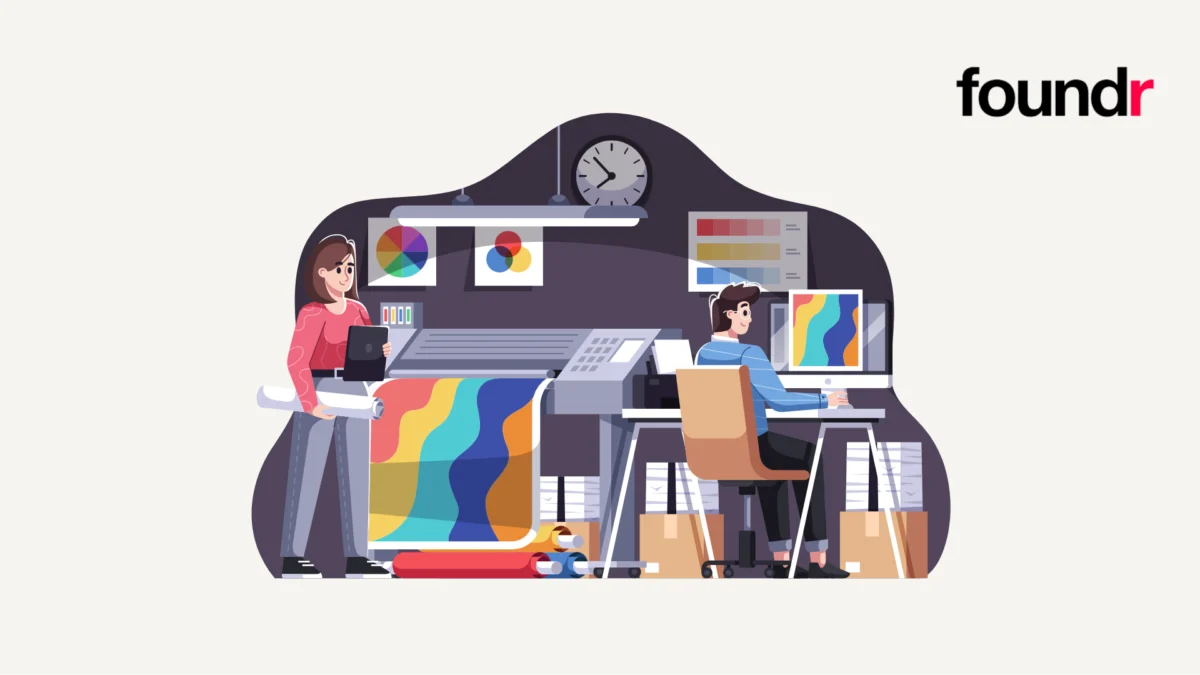
In the fast-paced world of digital entrepreneurship, the barrier to entry has never been lower, yet the pressure to scale efficiently has never been higher. For many aspiring founders, the dream of launching a clothing line or a lifestyle brand is often stifled by the logistical nightmare of inventory management, warehouse overheads, and the dreaded prospect of unsold stock.
Enter the Print-on-Demand (POD) revolution, and at its vanguard sits Printful. But is this the golden ticket for your startup, or are there hidden pitfalls waiting to derail your profit margins? This definitive guide dives deep into the mechanics, the strategic implications, and the reality of building a business on the Printful infrastructure.
The Core Concept: What is Printful?
At its most fundamental level, Printful is a white-label, print-on-demand fulfillment service. It operates as the silent partner in your business. When you integrate Printful with your storefront—be it Shopify, Etsy, WooCommerce, or Amazon—you are essentially creating a bridge between your digital shopfront and a global network of production facilities.
When a customer places an order on your website, that data is automatically transmitted to Printful. Their team then prints, packs, and ships the item directly to your customer under your brand’s name. This "hands-off" model allows entrepreneurs to focus entirely on marketing, design, and customer experience, rather than tape guns and bubble wrap.
The Evolution of the POD Model: A Brief Chronology
The concept of print-on-demand is not new, but its technological maturity is.
- The Early 2000s: POD was largely limited to low-quality, "one-off" custom printing services that lacked integration with e-commerce platforms.
- 2013: Printful was founded, recognizing a massive gap in the market for high-quality, automated dropshipping for creators.
- 2015–2018: The rise of the "Creator Economy" saw Printful expand its API capabilities, allowing it to sync seamlessly with the burgeoning Shopify ecosystem.
- 2020–Present: In the wake of the global supply chain crisis, Printful aggressively expanded its global footprint, establishing regional fulfillment centers across the US, Canada, Europe, and Mexico to minimize shipping times and customs friction.
Strategic Advantages: Why Founders Choose the POD Path
For a modern startup, capital is the most precious resource. Traditional retail models require "dead capital"—money tied up in boxes sitting in a garage. Printful flips this script.
1. Zero Inventory Risk
The most significant benefit is the elimination of inventory overhead. Because items are produced only after a sale is finalized, you never have to worry about "dead stock"—products that didn’t sell and now occupy expensive storage space.
2. Global Scalability
Printful’s distributed network of facilities means your brand can appear local to customers in London, Los Angeles, or Toronto. By routing orders to the facility closest to the customer, you significantly reduce shipping times and mitigate the impact of international customs delays.

3. White-Label Integrity
Printful acts as a "ghost" in the supply chain. When your customer receives their package, they see your branding on the shipping label and the packaging. This is vital for brand equity, as it ensures the customer remains loyal to your business rather than viewing the transaction as a third-party purchase.
4. Built-in Design Tools
Unlike some competitors, Printful provides a robust mockup generator. It offers design recommendations and allows you to visualize your artwork on high-quality 3D renders, which are essential for driving conversions on your product pages.
The Hard Truth: Identifying the Drawbacks
Journalistic integrity requires us to look at the downsides. While Printful is an excellent tool for validation, it is not without its strategic constraints.
The Profit Margin Dilemma
The biggest hurdle for any POD business is the cost per unit. Because you are outsourcing the production and fulfillment, you are paying a premium for the service. Compared to bulk-ordering screen-printed shirts from a wholesaler, your cost-per-item on Printful will be significantly higher.
- The Implication: Your profit margins are thinner. This forces you to either position your brand as a "premium" offering to justify higher retail prices or focus heavily on high-volume marketing to sustain profitability.
Quality Control and Brand Trust
While Printful maintains high standards, the fact remains that you are not the one quality-checking the product before it goes into the mail. In rare cases, printing errors or shipping damages occur. Since the customer holds you—the brand owner—accountable, you must have a robust customer support system in place to handle these issues immediately.
Customization Limits
While Printful supports a vast catalog, it does have technical limitations regarding print placement, embroidery complexity, and packaging customization. If your brand relies on highly bespoke "unboxing" experiences—like custom-scented tissue paper or complex folded inserts—you may find the standard POD options restrictive.
Data-Driven Decisions: Is Printful Right for You?
To determine if Printful is the correct partner, you must evaluate your current business stage.
The "Validation" Phase (Months 0–12)
If you are testing a new concept or a specific niche, Printful is the gold standard. It allows you to launch 50 different designs with zero financial risk. If one design sells and another doesn’t, you haven’t lost a cent on inventory.
The "Scaling" Phase (Months 12–24)
Once you have identified your "winning products," you have a decision to make. Many successful entrepreneurs use a hybrid model. They keep Printful for low-volume or "long-tail" designs, while moving their high-volume, best-selling items to a traditional wholesale model to capture higher margins.
Supporting Industry Data
According to recent e-commerce trends, the print-on-demand market is projected to continue its double-digit growth. However, the most successful brands are those that treat POD as a "testing lab." Data suggests that businesses that utilize POD to refine their product-market fit before committing to bulk inventory significantly outperform those that "guess" which products will succeed by ordering large quantities upfront.
Official Stance and Customer Support
Printful has consistently positioned itself as a technology-first company. Their official response to quality concerns is their commitment to automated quality checks during the production process. They also maintain a comprehensive return and replacement policy for misprinted or damaged items, which acts as a safety net for business owners.
However, it is crucial for founders to understand that Printful’s support team handles production issues. They do not handle your customer’s experience. That responsibility remains solely with you.
Implications for Your 2025 Strategy
As we look toward the future of e-commerce, the key to success is agility. The brands that win in 2025 will be those that can iterate the fastest.
- Iterate, Don’t Guess: Use Printful’s lack of minimums to test seasonal trends, limited-time offers, and niche designs.
- Focus on Marketing: Since you aren’t managing a warehouse, your "full-time job" is driving traffic. Invest your saved capital into SEO, paid social media ads, and content creation.
- Build Your Own Audience: Do not rely solely on the platform’s visibility. Use your Shopify or WooCommerce store as your base of operations to collect customer data and build an email list.
Final Verdict
Printful is not just a printer; it is a business model. It is the perfect engine for the entrepreneur who wants to move fast, test ideas, and build a brand without the crushing weight of logistics. While the margins may be tighter, the trade-off is freedom—the freedom to experiment and the freedom to scale without fear of failure.
If you are ready to stop dreaming and start building, Printful provides the infrastructure. The rest—the vision, the marketing, and the brand identity—is entirely up to you.
Looking to elevate your e-commerce game in 2025? For those ready to dive deeper, join the Foundr+ community. With access to over 30 expert-led courses, you can master everything from social media conversion strategies to advanced Shopify scaling, ensuring that your Printful-powered brand doesn’t just launch, but dominates its niche.
 Neng Nana
  Basiran
  Azzam Bilal Chamdy