
 By Neng Nana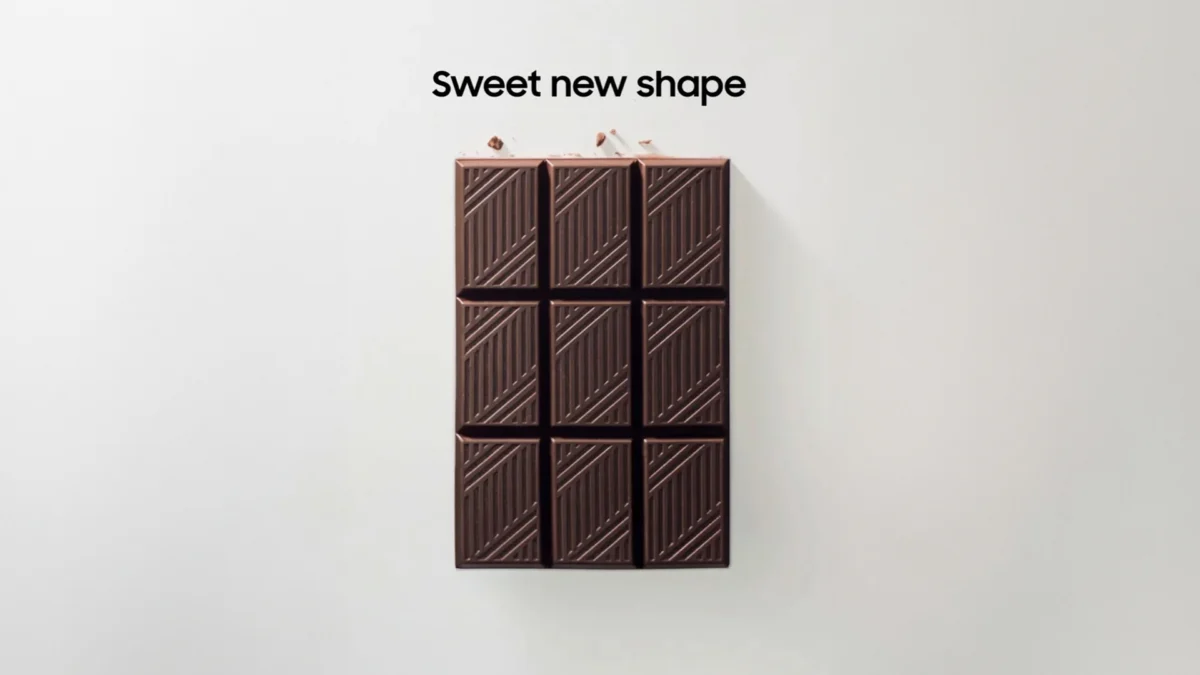
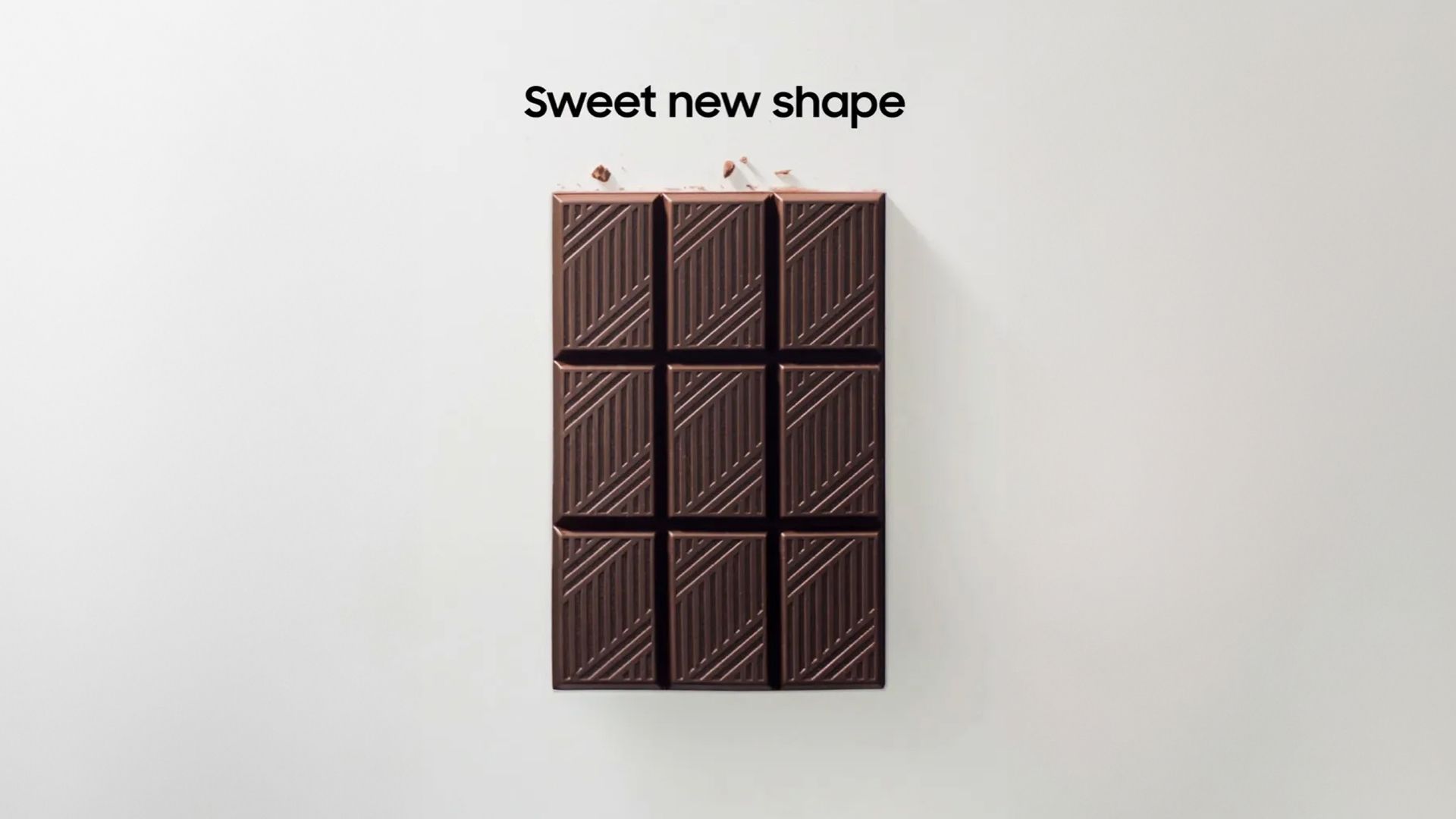
Samsung has once again mastered the art of the digital tease. In a series of highly produced, ASMR-focused social media clips that have sent the tech world into a speculative frenzy, the South Korean electronics giant is hinting at a radical shift in its foldable smartphone strategy. By emphasizing a "sweet new shape" and showcasing compact, satisfying visuals—ranging from sliced pizza to snapped chocolate bars—Samsung is preparing consumers for a departure from the tall, narrow dimensions that have defined the Galaxy Z Fold series since its inception.
As anticipation builds, industry analysts and enthusiasts are converging on one central question: Is this the definitive pivot for the Galaxy Z Fold 8, or a brand-new form factor entirely?
The Core Facts: A Departure from the Status Quo
For several years, the "Fold" form factor has been characterized by a narrow, almost candy-bar-like front display that opens into a tablet-sized internal screen. While functional, this design has been a point of contention for many power users who find the outer screen too cramped for daily tasks like typing or rapid navigation.
Samsung’s latest social media campaign, spearheaded via Instagram, directly addresses these ergonomic concerns. The teasers abandon the technical jargon usually associated with mobile hardware launches in favor of abstract, sensory-rich imagery. The campaign explicitly champions a shift to a wider, more compact footprint.
Key takeaways from the teasers include:
- The "New Shape": The devices featured in the clips are significantly shorter and wider than the current Galaxy Z Fold 6.
- A "Cut to the Chase" Philosophy: Marketing copy suggests that the new design is intended to "cut to what matters," implying that the previous, elongated aspect ratio may have been an unnecessary extravagance.
- The "Just Right" Feel: By comparing the device to everyday objects—a slice of pizza, a bar of chocolate—Samsung is pivoting toward comfort and usability as the primary selling point for its next-generation foldable.
Chronology of the Hype Cycle
The road to this announcement has been marked by a series of deliberate, measured leaks and official social media breadcrumbs.
Phase 1: The Subtle Social Media Pivot (Early Month)
The campaign began without warning. Samsung’s official Instagram account posted a series of "Satisfyingly Short" videos. These clips featured high-definition macro shots of objects being cut or snapped into a 16:9 or similar aspect ratio. Initially, viewers assumed it was a standard lifestyle campaign, until the final frames hinted at a silhouette that perfectly matched the proportions of a folding handset.
Phase 2: The Squeegee Reveal
Mid-month, the intensity increased. A video featuring vibrant, abstract paint splodges—reminiscent of the stock wallpapers found on the Galaxy S24 and Z Fold series—showcased a squeegee cleaning a screen. As the paint was removed, it revealed a distinctly wider, more pocketable silhouette. This was the moment the "Fold 8" theory moved from fringe speculation to the dominant narrative.
Phase 3: The Global Echo
Following the Instagram teasers, the campaign expanded to X (formerly Twitter) and TikTok. The sheer volume of engagement from tech influencers and design enthusiasts confirms that Samsung’s strategy of "less talk, more shape" is working. By avoiding specific hardware specifications, the company has successfully focused the public conversation on industrial design—a space where Samsung has historically struggled to differentiate itself from the growing field of Chinese foldable competitors.
Supporting Data: Why Change the Aspect Ratio Now?
The move toward a wider, shorter foldable is not merely an aesthetic choice; it is a calculated response to the maturing foldable market.
Market Competition
Competitors such as the OnePlus Open and the Google Pixel Fold have already successfully implemented wider outer screens, which many users find more comfortable for one-handed use. Data from consumer feedback surveys consistently highlights the "narrow outer display" of the Galaxy Z Fold as the primary reason for users returning to traditional slab phones.
Engineering Feasibility
As hinge technology has evolved, the need for a tall, narrow "spine" to accommodate internal components has diminished. Modern miniaturization of camera sensors and battery cells allows for a wider footprint without sacrificing the device’s ability to fold flat. Samsung’s move suggests that the company has finally perfected a hinge mechanism that can handle the stress of a wider chassis.
Ergonomic Optimization
The current industry trend is moving toward "digital wellbeing." By reducing the "tallness" of the screen, Samsung is likely aiming to reduce the cognitive load of a device that requires constant vertical scrolling. A wider screen allows for more natural content consumption, mirroring the aspect ratio of standard desktop monitors and tablets.
Official Responses and Corporate Stance
While Samsung has not issued a formal press release confirming the "Galaxy Z Fold 8" nomenclature, the brand’s representatives have been active in responding to comments on social media.
In a statement provided to partner outlets, a spokesperson noted: "We are always listening to our Galaxy community. Design is a conversation between form and function, and we believe the next evolution of the foldable experience will be defined by how it feels in the palm of your hand."
This calculated ambiguity allows Samsung to keep the door open for other product categories—such as a potential "Galaxy Z Fold Slim" or a new "Galaxy Z Note" revival—while maintaining the momentum generated by the teasers.
Implications: The Future of the Foldable Industry
The implications of this shift are profound for the smartphone market at large.
1. The Death of the "Tall" Foldable
If Samsung adopts this new shape, it will likely set a new industry standard. Much like the transition from 16:9 to 19.5:9 in traditional smartphones, the foldable market will likely follow suit, effectively rendering the "tall" foldables of the early 2020s obsolete.
2. Software Re-optimization
A wider display will necessitate a massive update to the One UI ecosystem. Developers will need to re-scale apps to ensure that the "split-screen" multitasking functionality—the primary benefit of a foldable—remains efficient on a wider canvas. This is a challenge, but one that Samsung’s massive developer base is well-equipped to handle.
3. Pricing and Accessibility
With a new form factor often comes a premium price point. However, if Samsung intends to capture a broader market, they may use this "new shape" as an opportunity to introduce a "FE" (Fan Edition) version of the Fold, potentially lowering the barrier to entry for the general public.
Conclusion: A Turning Point for Mobile Design
Samsung’s teaser campaign is more than just clever marketing; it is a signal of a company willing to iterate on its most successful product line to stay relevant. By embracing the "sweet new shape," Samsung is signaling that it is no longer content to rest on the laurels of its early market dominance.
Whether this leads to the Galaxy Z Fold 8, or an entirely new branch of the Galaxy family, one thing is clear: the era of the tall, narrow foldable is coming to an end. As we look toward the upcoming launch event, the industry is waiting to see if the internal engineering can match the brilliance of the teaser campaign. For now, the hype is real, the shape is set, and the market is watching.
As always, keep your eyes on the horizon—and perhaps, keep your volume turned up for the next installment of Samsung’s sensory-driven reveal.
 Lina Hope
  Reynand Wu
  Pevita Pearce