
 By Suro Senen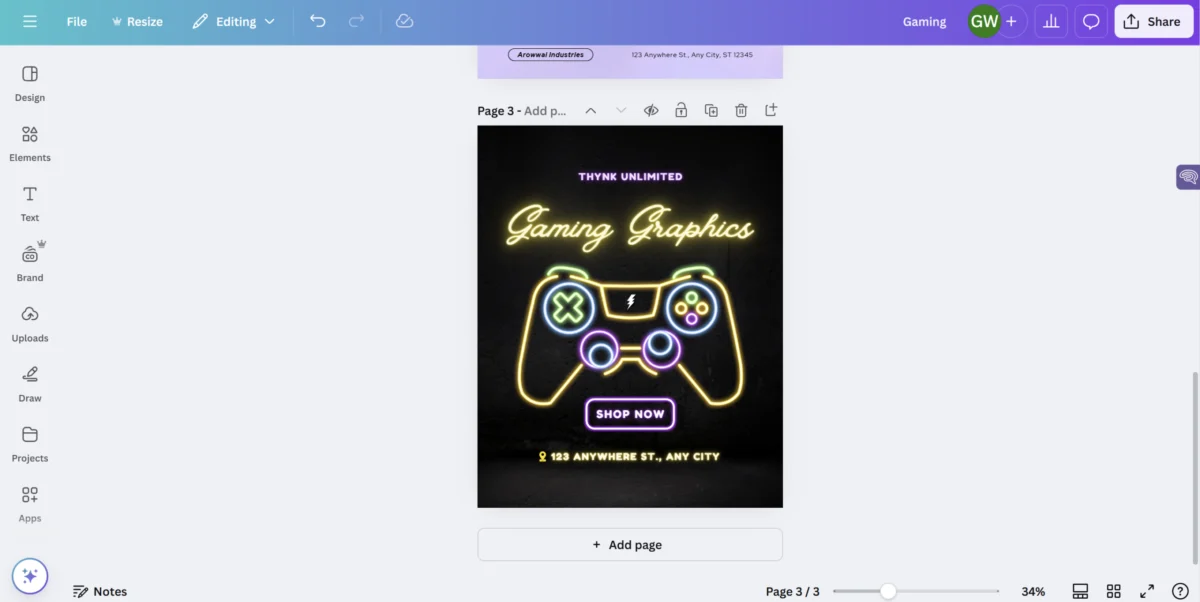
In the modern digital economy, the adage "first impressions are everything" has never been more relevant. For small business owners, startups, and solo entrepreneurs, the challenge lies in maintaining a professional aesthetic that rivals industry giants without the luxury of an in-house design team or a massive marketing budget. As we navigate through 2025, the visual barrier to entry for professional branding has been effectively dismantled, largely due to one platform: Canva.
What was once a simple browser-based tool has evolved into a comprehensive design ecosystem. But what exactly is Canva, and how can it fundamentally transform your business operations this year?
The Core Concept: What is Canva?
At its fundamental level, Canva is a graphic design platform that utilizes a drag-and-drop user interface to allow users to create social media graphics, presentations, posters, documents, and other visual content. Unlike professional-grade software such as Adobe Photoshop or Illustrator, which require a steep learning curve and significant technical training, Canva is built for accessibility.
The platform provides thousands of pre-made templates, a massive library of stock photography, vector illustrations, and typography options. By removing the technical friction associated with traditional design tools, Canva allows business owners to pivot their energy toward strategy rather than execution. Whether you are a solopreneur launching a new venture or a marketing manager at a mid-sized firm, Canva acts as a force multiplier for your creative output.
A Chronology of Growth: From Startup to Design Giant
To understand the impact of Canva on the business landscape, one must look at its rapid ascent. Founded in 2013 by Melanie Perkins, Cliff Obrecht, and Cameron Adams, the platform was born out of a frustration with the complexity of existing design tools.
- 2013–2015: The "Foundation Phase," where the platform launched with a focus on making design accessible to everyone.
- 2016–2019: The "Expansion Phase," introducing Canva for Work, team collaboration features, and the acquisition of stock photography platforms to bolster its library.
- 2020–2022: The "Integration Phase," characterized by the launch of video editing tools, print-on-demand services, and deep integrations with social media schedulers.
- 2023–2025: The "AI & Enterprise Era." Recent years have seen the aggressive integration of "Magic Studio"—Canva’s AI suite—and the scaling of Canva Enterprise, positioning the tool as a legitimate competitor in the corporate software space.
Supporting Data: Why Small Businesses are Choosing Canva
The migration toward browser-based design tools is not merely a matter of convenience; it is a data-driven shift. According to recent industry surveys regarding business productivity:
- Efficiency Gains: Businesses utilizing Canva-style templating report a 60% reduction in time spent on routine marketing asset creation compared to traditional desktop design software.
- Cost Mitigation: The average cost of a freelance graphic designer for a single social media campaign can range from $200 to $1,000. Canva’s subscription model—which includes a highly capable free version—allows businesses to reallocate these funds toward paid advertising or product development.
- Engagement Metrics: Data consistently shows that posts featuring high-quality, branded imagery receive 3x more engagement than those relying on generic or unformatted content. Canva’s templates ensure that even a novice can maintain consistent branding, which is a key driver for customer trust.
Strategic Implementation: 6 Ways to Leverage Canva in 2025
For business leaders looking to optimize their workflow, the following six areas represent the most effective ways to deploy Canva.
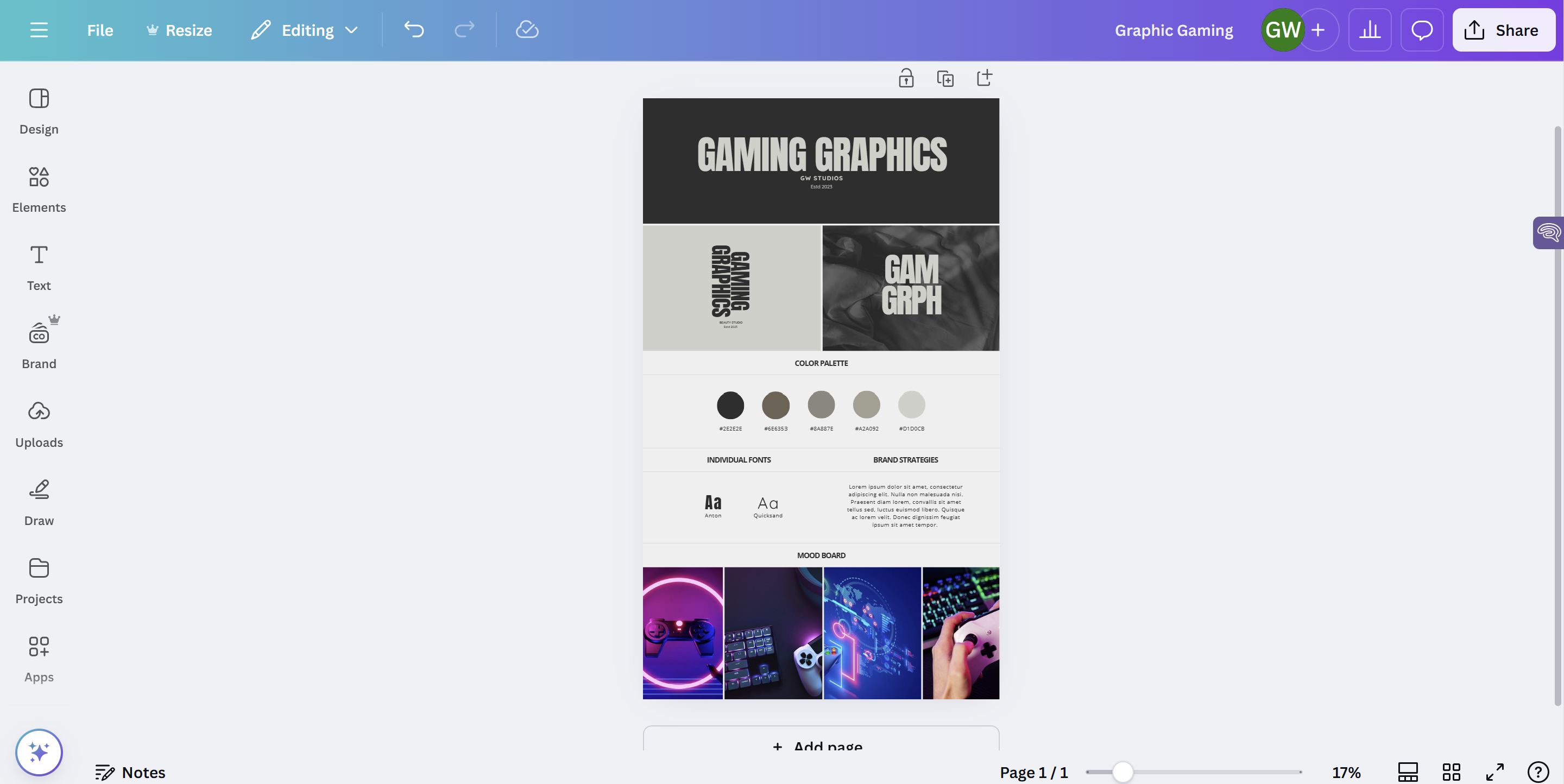
1. Establishing Cohesive Brand Assets
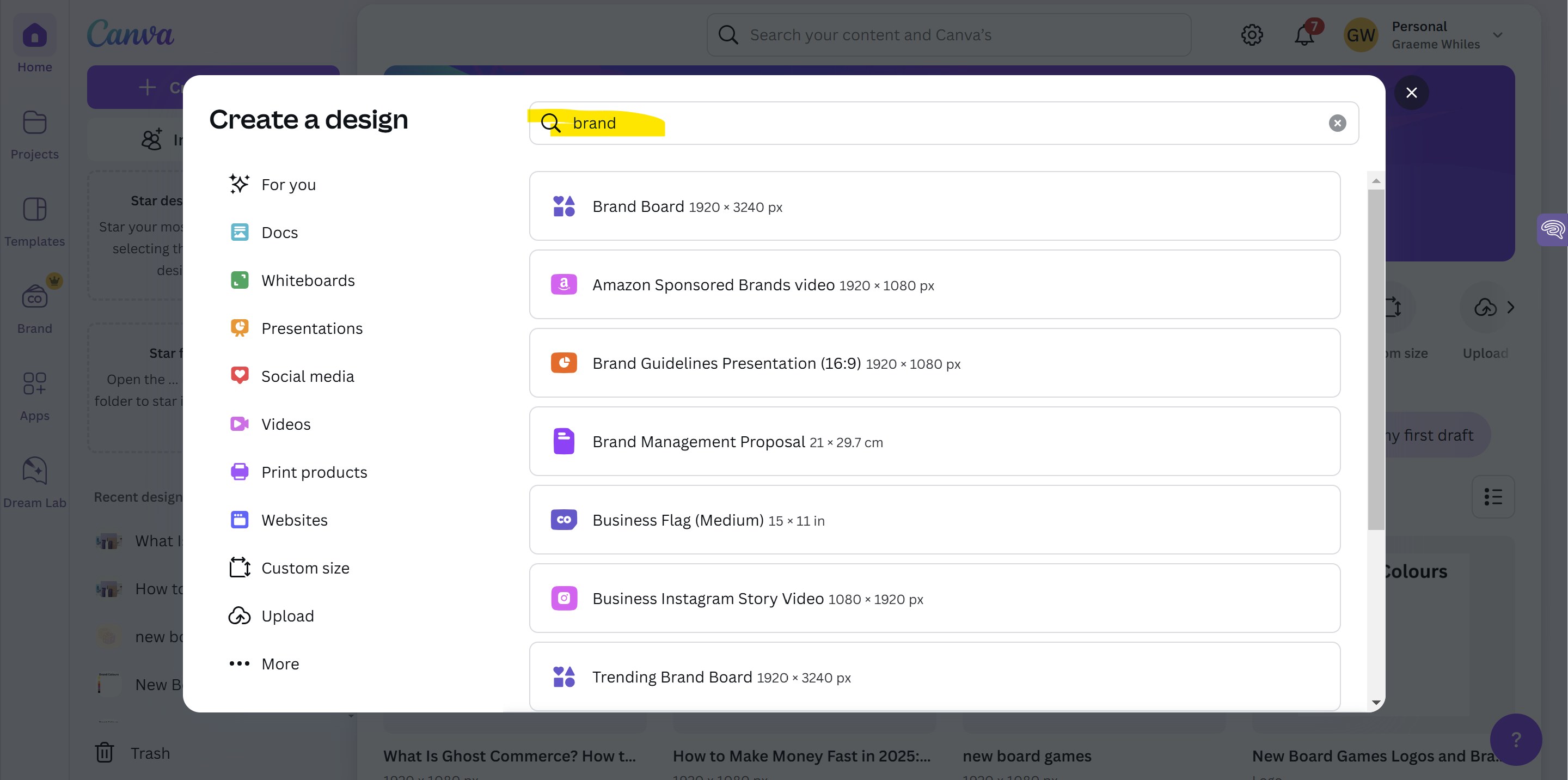
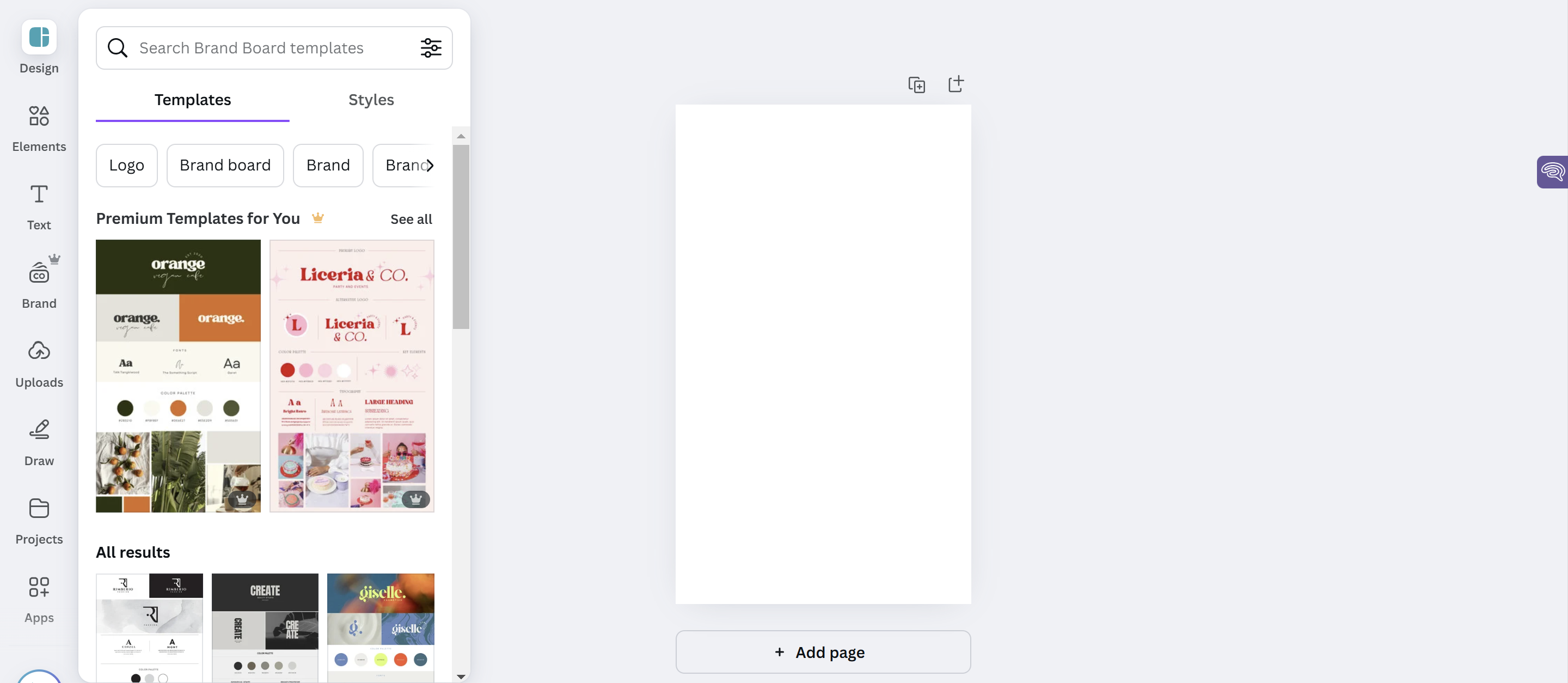
Consistency is the bedrock of brand recognition. Using Canva’s "Brand Kit" feature, you can upload your company’s specific color palettes, logos, and fonts. This ensures that every team member produces content that is visually aligned with your corporate identity, preventing the "fragmented brand" syndrome common in scaling businesses.
2. Streamlining Social Media Output
Social media requires constant, high-frequency posting. With Canva’s bulk-create feature and integrated content planner, you can design an entire month’s worth of Instagram, LinkedIn, and TikTok assets in a single sitting.
3. Elevating Blog Headers and SEO Visuals
Visuals are now a critical component of SEO. Google’s algorithms increasingly prioritize user experience, and a high-quality blog header or an embedded infographic increases "time-on-page" metrics. By utilizing Canva’s infographic templates, you can turn dry data into compelling, shareable visuals.
4. Professionalizing Lead Magnets
Your lead magnet—whether it’s an eBook, a white paper, or a checklist—is often the first interaction a prospect has with your brand. Canva’s document-editing tools allow you to create long-form content that looks like a professionally printed publication, significantly increasing the perceived value of your freebies.
5. Enhancing Internal Communication
Canva is not just for external marketing. Use it to create polished pitch decks, internal newsletters, and HR onboarding materials. A professional internal document fosters a culture of excellence and keeps your team aligned on brand standards.
6. Utilizing AI-Driven Design
In 2025, Canva’s "Magic Studio" allows you to generate images from text, expand photos, or translate design elements into different languages automatically. This allows businesses to scale their content production across international markets with minimal effort.
Official Stance and Market Implications
Industry analysts note that Canva’s rise has forced legacy design companies to pivot their business models. Adobe, for example, has responded by introducing "Adobe Express," a direct competitor to Canva. This corporate rivalry has ultimately benefited the end-user, resulting in faster innovation, better AI integration, and more competitive pricing across the board.
From an organizational perspective, the implication is clear: the "gatekeeping" of high-quality design is over. Companies that refuse to adopt these agile tools risk being outpaced by leaner competitors who can iterate, test, and deploy marketing assets in hours rather than weeks.
The Future: Scaling with Canva Teams and Enterprise
While the free version of Canva is sufficient for freelancers, the platform has matured to serve large-scale organizations. Features such as "Canva Teams" allow for real-time collaboration, where a marketing manager can leave comments on a design, a designer can make real-time adjustments, and a CEO can approve the final output—all within the same browser window.
For enterprise-level organizations, Canva now offers "Canva Enterprise," which includes robust security, administrative controls, and single sign-on (SSO) capabilities. This marks a transition for the company from a "hobbyist tool" to a critical piece of enterprise infrastructure.
Conclusion: Investing in Your Business Growth
Design is no longer an optional luxury for businesses; it is a fundamental pillar of communication. If your visual collateral does not match the quality of your services, you are inadvertently signaling a lack of professionalism to your potential customers.
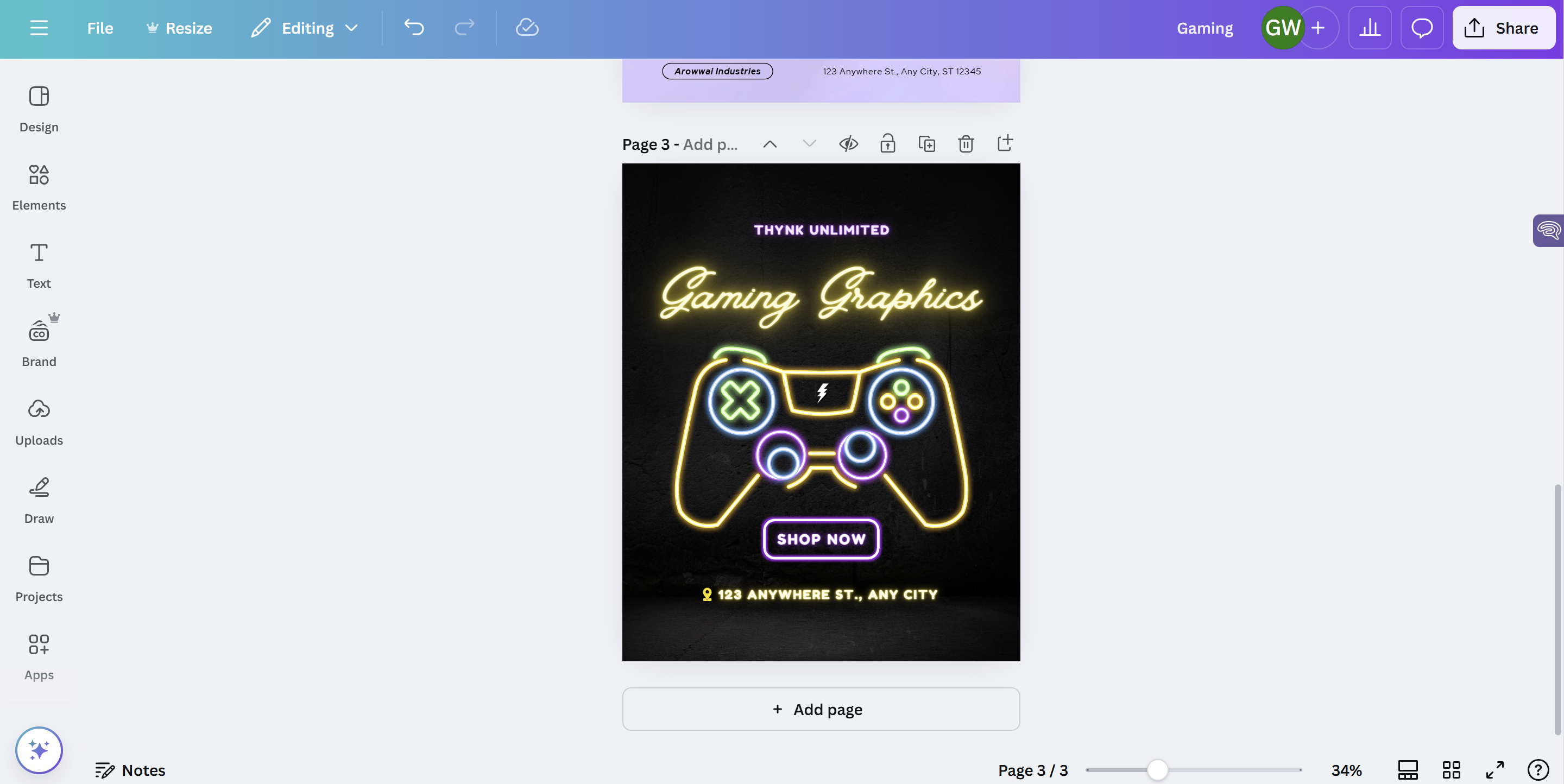
Canva provides the frameworks, the tools, and the inspiration necessary to bridge that gap. However, mastering the tool is only one part of the equation. To truly thrive in the current market, entrepreneurs must understand the broader strategy of branding, marketing, and business development.
If you are ready to move beyond just designing graphics and start building a sustainable, high-growth business, you need a structured path to success. Resources like Foundr+ offer deep-dive expertise, providing access to over 30 expert-led courses and 1,000+ lessons on branding, eCommerce, and scaling operations.
In 2025, the tools are at your fingertips. Whether you use Canva to sharpen your visual identity or seek comprehensive mentorship to guide your strategic decisions, the time to elevate your business is now. Unlock your potential, embrace the technology, and start building the brand you envisioned.
 Evan Lee Salim
  Ammar Sabilarrohman