
 By Iffa Jayyana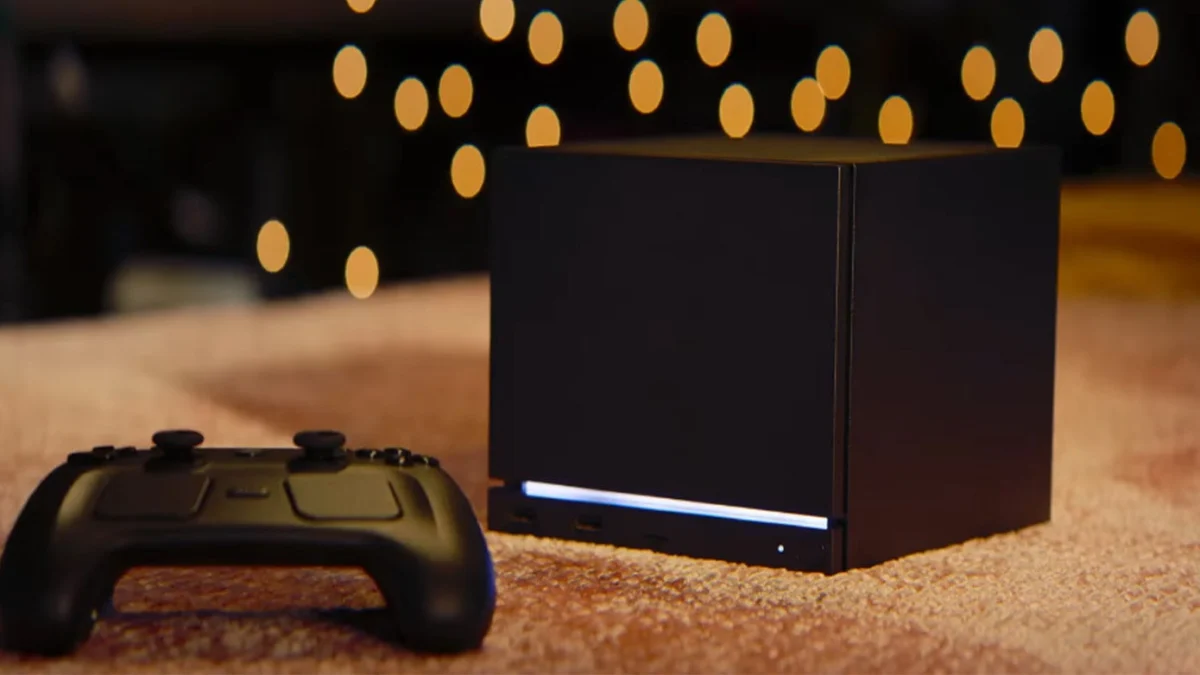
The global gaming community is currently witnessing a historic, albeit polarizing, shift in the hardware landscape. Valve’s long-anticipated Steam Machine has finally begun its journey from assembly lines to the living rooms of early adopters worldwide. As shipping confirmations cascade across social media and Reddit threads become virtual showrooms for the latest in gaming hardware, the discourse surrounding Valve’s ambitious foray into console-style PC gaming has reached a fever pitch.
While a fortunate few are currently basking in the glow of their new units, a significantly larger contingent remains locked in a digital limbo—refreshing email inboxes, tracking shipping statuses, and lamenting the rapid sell-out of initial stock. This rollout, characterized by both technical curiosity and supply-chain scarcity, marks a pivotal moment for Valve’s hardware strategy.
The Chronology of the Rollout: A Global Arrival
The "Steam Machine Summer" began in earnest on a Tuesday evening, when reports first emerged from Asia indicating that the first wave of units had cleared customs and reached consumers. This initial spark triggered a wildfire of activity across the internet. By the following days, the Steam Machine subreddit transformed into a central hub for unboxing revelry.
The distribution map of these early units suggests a staggered, yet rapid, global logistics operation. Users in the United Kingdom, Australia, and the Netherlands have all confirmed receipt of their devices, providing anecdotal evidence that Valve’s supply chain is successfully navigating international shipping hurdles. However, the geographic spread of these units has only served to heighten the anxiety of those still waiting.
For the average consumer, the experience of "launch day" has been far from uniform. While some users report receiving their hardware with surprising speed, others are trapped in a state of indefinite waiting. The Reddit community, in particular, has become a space where this frustration is distilled; users share tales of obsessive email refreshing, creating a collective digital anxiety that has become synonymous with high-profile hardware releases in the modern era.
The Hardware Experience: Impressions from the Front Lines
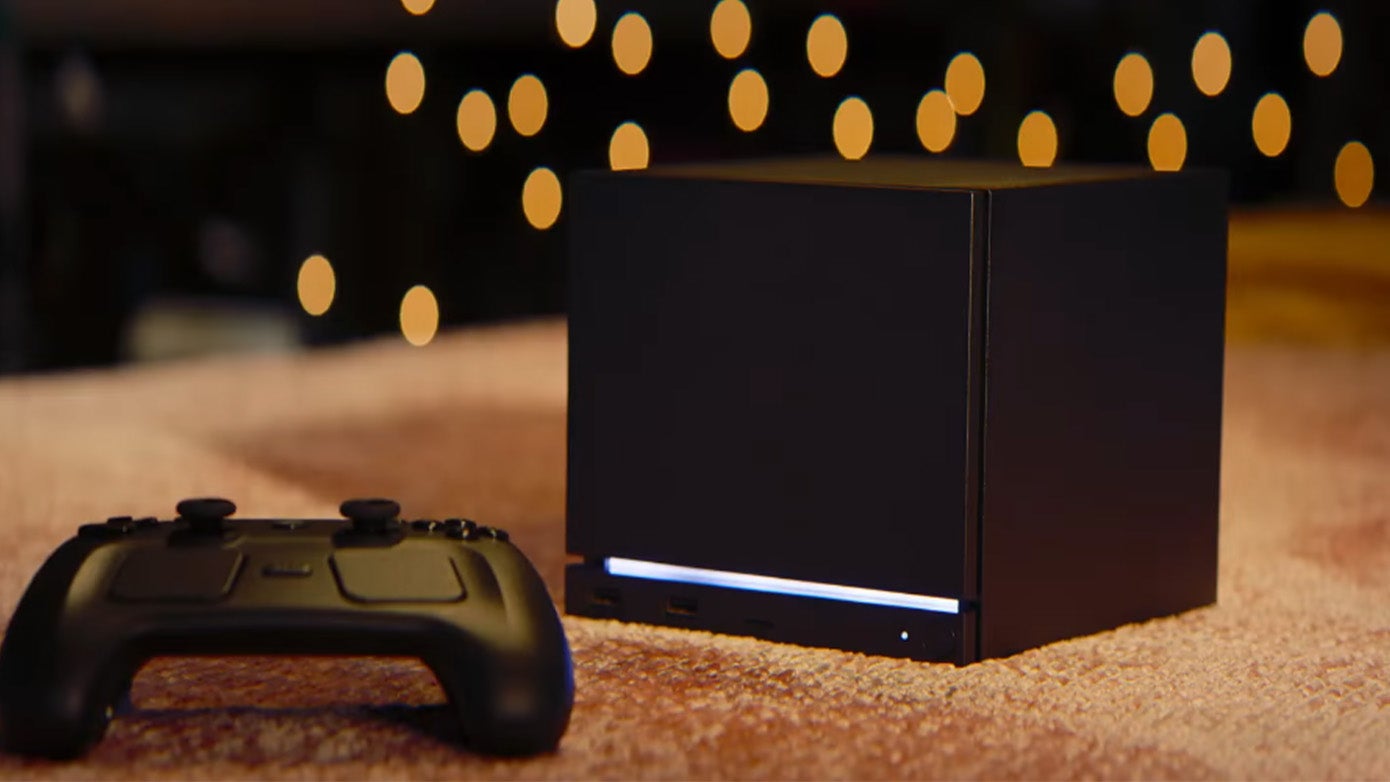
What does the Steam Machine actually feel like when it arrives on the doorstep? Based on the feedback from the first wave of owners, the reception is largely positive, focusing on two specific attributes: form factor and acoustic performance.
The "Banana for Scale" Phenomenon
In a testament to the internet’s unique culture, the most common method for describing the Steam Machine’s size has been the humble banana. User Lombers set the standard for these comparisons, posting photos of the device next to a piece of fruit to demonstrate its surprisingly compact chassis. The consensus among early adopters is that the device is significantly smaller than industry expectations. In an era where gaming PCs are often associated with massive, RGB-laden towers, the Steam Machine’s sleek, unobtrusive design is being hailed as a triumph of space-efficient engineering.
Acoustic Excellence and "Whisper Quiet" Operation
Perhaps more important than its size is how the machine performs under load. User Flubbachany noted that the unit is "whisper quiet" even during intensive gameplay sessions. For living room gaming, noise pollution has historically been a significant deterrent for PC enthusiasts. If the Steam Machine can indeed maintain high performance while remaining nearly silent, it addresses one of the primary criticisms leveled against traditional custom-built PCs in a home theater environment.
The lighter side: The "Lego" Incident
Not every unboxing experience has been strictly professional. The community was treated to a moment of levity when user CrazyDave48 announced that their unit had arrived "completely bricked." The post, which initially drew concern from the community, was revealed to be a clever prank—the user had painstakingly constructed a 1:1 scale replica of the Steam Machine entirely out of Lego bricks. While it cannot run the latest AAA titles, it stands as a testament to the passion and humor within the Steam community.
Industry Implications and the "Haves vs. Have-Nots"
The divide between those who possess a Steam Machine and those who do not has created a complex social dynamic within the gaming sphere. The rapid sell-out of the units—particularly in markets like Japan, where initial supplies were exhausted in a mere three hours—has sparked a debate about supply chain management versus artificial scarcity.
The Anxiety of the Wait
For those without a unit, the experience is marked by a profound sense of FOMO (fear of missing out). The frustration is compounded by the knowledge that, for now, the Steam Machine is a luxury of the few. This scarcity has led to a secondary market of speculation, where prospective buyers are left to wonder if the current supply issues are a temporary bottleneck or a permanent feature of Valve’s manufacturing strategy.
Institutional Recognition
The gravity of this launch is underscored by the interest of industry veterans. Shuhei Yoshida, former President of Sony Interactive Entertainment’s Worldwide Studios, has publicly engaged with the Steam Machine, offering insights that bridge the gap between traditional console manufacturers and the PC ecosystem. When high-level executives from competitors take note, it signals that the industry is treating Valve’s hardware not merely as a niche experiment, but as a potential disruptor to the established order.
Official Responses and Technical Guidance
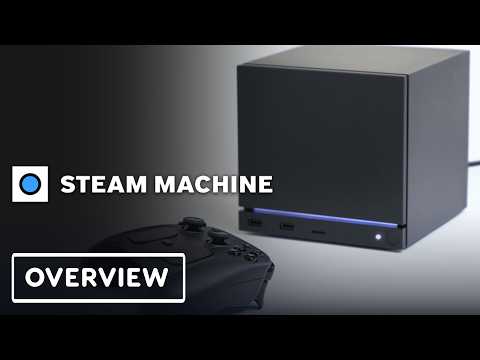
Valve has sought to mitigate the confusion of early adopters by releasing an official "Overview and Quick Start Guide." This video content serves as the primary touchstone for new users, detailing the setup process and highlighting the unique features of the Steam Controller.
The guide emphasizes the plug-and-play nature of the device, attempting to demystify the PC gaming experience for those who may be transitioning from traditional consoles like the PlayStation or Xbox. By focusing on accessibility, Valve is clearly attempting to bridge the "usability gap" that has historically kept casual players away from the PC platform.
The Path Forward: What Does This Mean for PC Gaming?
As the initial wave of Steam Machines settles into homes, the broader implications for the gaming industry are beginning to emerge.

- Console-ification of PC Gaming: The Steam Machine represents a significant push to bring the ease of console gaming to the vast library of PC titles. If this experiment proves successful in the long term, it could force traditional console manufacturers to rethink their proprietary ecosystems.
- Hardware as a Service: By controlling both the hardware and the Steam OS, Valve is attempting to create a vertical integration similar to Apple’s. This allows for optimized performance and a unified user experience that is difficult to achieve in the fragmented Windows PC market.
- The Supply Challenge: The immediate test for Valve is not just performance, but scale. To compete with the ubiquity of modern consoles, they must resolve the supply chain issues that have left many of their most dedicated fans in the cold. Without a steady, reliable supply, the Steam Machine risks being viewed as an exclusive enthusiast’s toy rather than a mainstream gaming solution.
Conclusion
The arrival of the Steam Machine is a story of two halves. On one side, there is the genuine excitement of users exploring new hardware, marveling at its compact design, and enjoying a quiet, console-like PC experience. On the other, there is the frustration of a community struggling with limited supply and the anxieties of the "refresh-button" era of commerce.
As we look toward the coming months, the success of the Steam Machine will not be measured by the number of bananas used to photograph it, but by its ability to scale, its long-term software support, and its impact on how the average player perceives the barrier between console and PC. For now, the Steam Machine exists in a space between curiosity and reality—a promising, sleek piece of hardware that, for many, is still just out of reach. As the dust settles from this first wave, the industry watches with bated breath to see if this is truly the future of gaming, or merely a sophisticated, albeit well-built, diversion.
 Sagoh
Sagoh  Lina Irawan
  Asep Darmawan