
 By Ali Ikhwan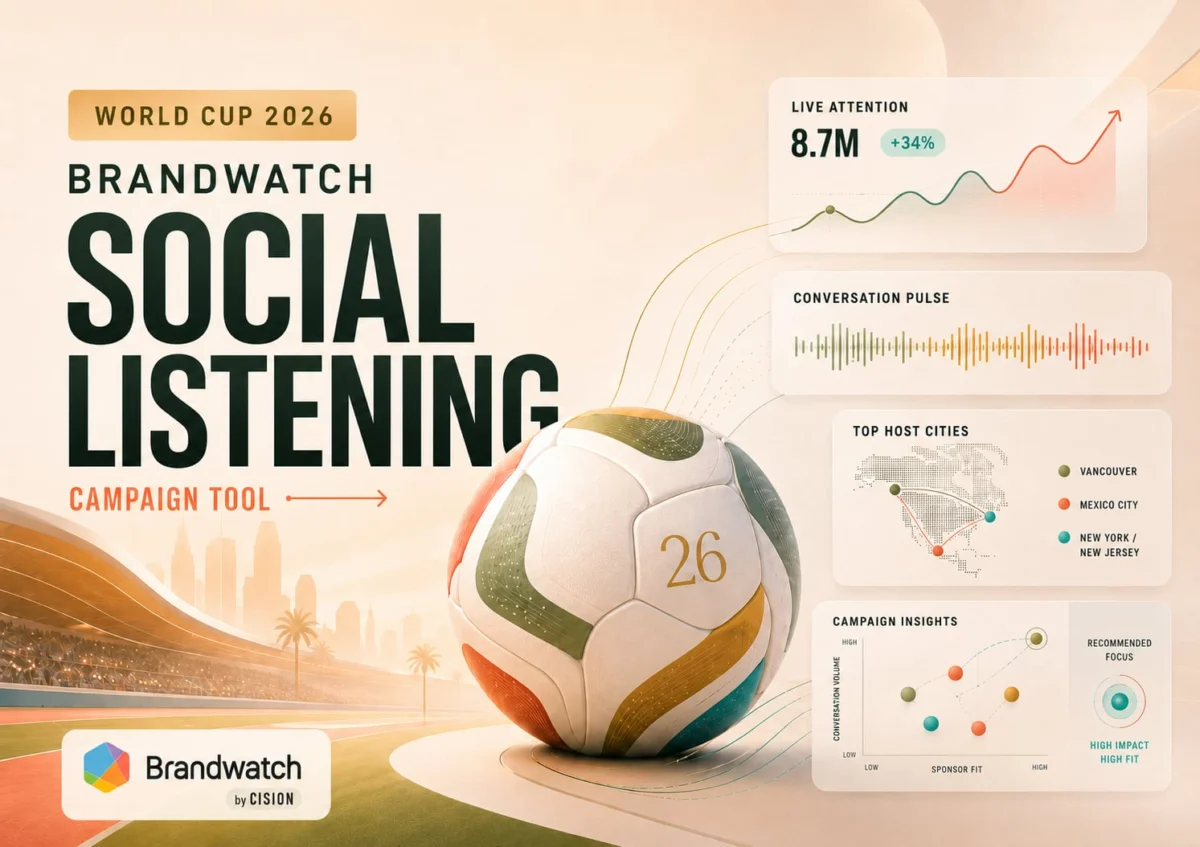
The landscape of global sports marketing is undergoing a seismic shift. For decades, the FIFA World Cup has operated on a traditional sponsorship model: brands invest millions, secure visibility through stadium signage, execute long-lead campaigns, and conduct a post-tournament audit to measure reach. However, the sheer scale of the 2026 World Cup—a massive undertaking featuring 48 teams, 104 matches, and 16 host cities across Canada, Mexico, and the United States—has rendered this "set-it-and-forget-it" approach obsolete.
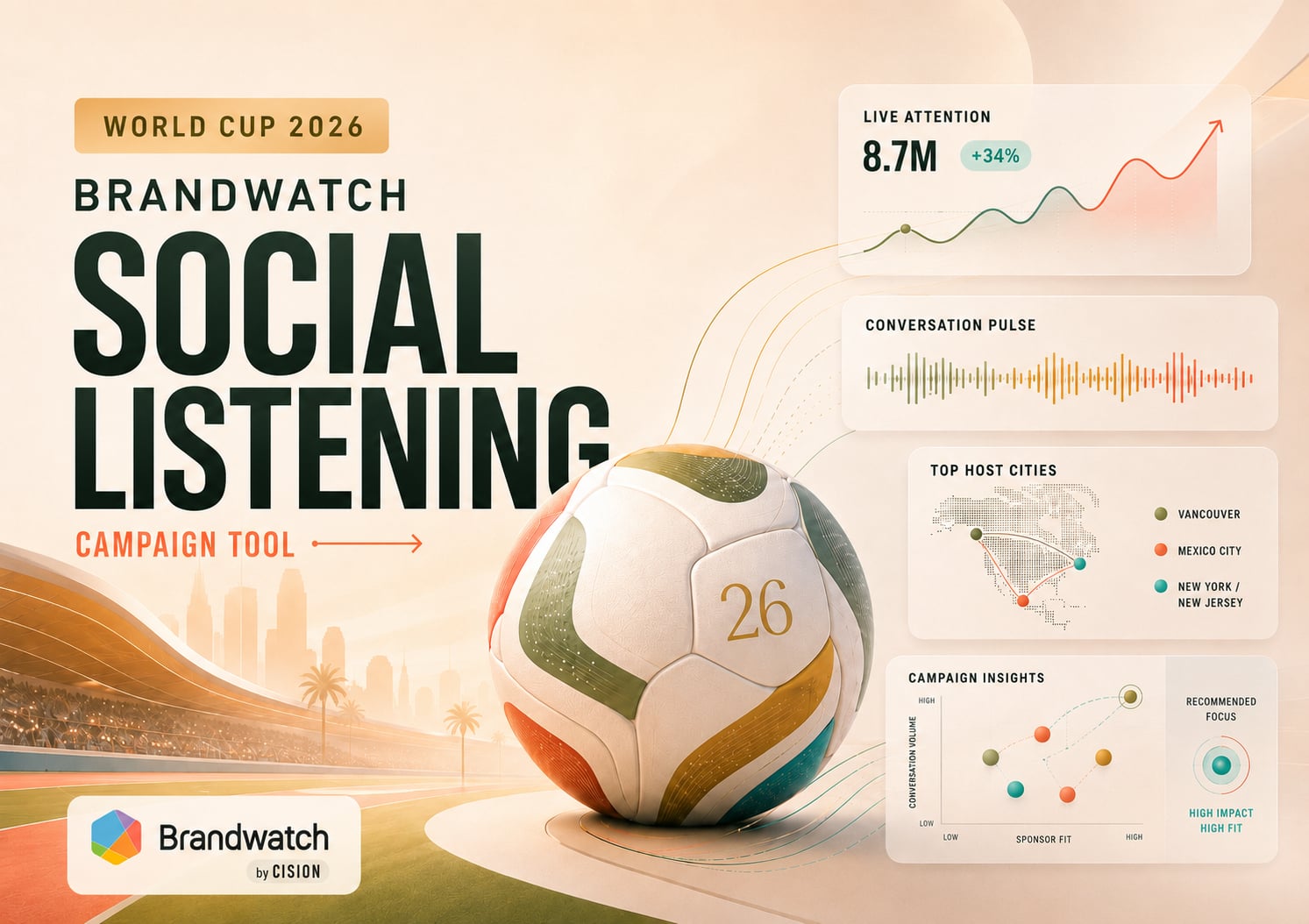
In an era where consumer attention is fragmented across platforms, cities, and ephemeral digital trends, brands can no longer rely on static visibility. Success in 2026 requires a dynamic, real-time "attention layer." As the tournament approaches, tools like Brandwatch’s Football Attention Index are emerging as the new compass for marketers, turning the chaotic noise of global conversation into actionable strategic intelligence.
Main Facts: A Tournament of Unprecedented Scale
The 2026 World Cup is not merely a sporting event; it is a logistical and cultural juggernaut. With the expansion to 48 teams, the tournament provides a broader canvas than ever before, but it also creates a complex web of narratives.
Marketing in this environment is no longer about a monolithic global message. Attention will oscillate wildly based on:
- Micro-moments: Individual match results and referee decisions.
- Geographic Spikes: The unique cultural and economic flavor of 16 distinct host cities.
- Creator Influence: The reaction of independent influencers, tacticians, and lifestyle creators who now shape public opinion faster than traditional media.
- Platform Trends: The rapid evolution of social media discourse.
The fundamental challenge for brands is that reach is no longer synonymous with impact. A logo on a pitch-side billboard might provide exposure, but it does not tell a marketer if that exposure is translating into brand equity or consumer intent.
Chronology of a Shifting Landscape
Historically, the timeline of a World Cup campaign followed a linear path:
- Pre-Tournament: Strategic planning and asset creation.
- During Tournament: Passive monitoring of broadcast metrics and vanity KPIs.
- Post-Tournament: Reporting and ROI calculations.
This chronology is being dismantled. The modern World Cup lifecycle is now a series of continuous, iterative loops. Brands are now expected to be "always-on," utilizing social listening to detect emerging narratives in the first 24 hours of a trend, adapting their creative assets in real-time, and engaging with audiences during the specific windows where sentiment is highest.
The introduction of the Football Attention Index marks a transition from reporting to reacting. By providing a rolling seven-day window of conversation, it allows marketing teams to treat the tournament as a living organism, adjusting media spend and creator briefs while the ball is still in play.
Supporting Data: Moving Beyond Vanity Metrics
The data required for 2026 goes far beyond simple impressions. To truly understand performance, marketers must analyze three distinct, data-driven views:
The Brand View: Competitive Intelligence
Measuring visibility is the baseline, but the Brand View enables sponsors to benchmark their performance against competitors. It highlights whether a brand is capturing "earned" attention—conversation sparked by organic fan engagement—or if they are solely reliant on "paid" exposure.
The Topic View: Mapping Narrative Drift
Campaigns are often built around rigid themes like "national pride" or "the spirit of the game." However, live data consistently shows that fan conversation shifts toward unexpected topics: stadium accessibility, travel logistics, controversial refereeing, or even specific player memes. The Topic View allows marketers to align their messaging with what fans are actually discussing, rather than what they hoped to discuss.
The Host-City View: Hyper-Localization
With the 2026 tournament spanning three nations and 16 cities, the "Host-City View" is perhaps the most critical innovation. Each city—from Toronto to Monterrey to New York/New Jersey—will possess its own unique media ecosystem, hospitality scene, and fan culture. Marketers can now treat each city as a distinct market, deploying localized paid social budgets and influencer partnerships tailored to the specific energy of that location.
Official Perspectives: The Role of Intent
The integration of Search Intelligence alongside traditional social listening provides a comprehensive view of the fan experience. While social media captures the emotion and sentiment of the conversation, search data captures intent.
When a fan searches for "how to get to [Stadium] in Los Angeles" or "best watch parties in Mexico City," they are demonstrating high-intent behavior that social listening alone might miss. By monitoring these search queries, brands can bridge the gap between awareness and conversion. They can provide utility—such as guides, travel tips, or product information—that serves the fan, thereby cementing the brand’s relevance within the tournament experience.
Strategic Implications for Marketers
To capitalize on the 2026 World Cup, brands must adopt a "multi-source" strategy. This approach relies on four pillars of execution:
1. The Creator-First Workflow
Social listening should serve as the trigger for influencer activation. If a specific narrative spikes, the brand’s workflow should involve:
- Identifying the signal: Using listening tools to detect a trend.
- Vetting the context: Ensuring the trend is brand-safe.
- Briefing creators: Partnering with influencers who can provide an authentic, "native" perspective on the trend.
- Amplifying: Using paid support to boost the highest-performing content.
2. Category Momentum
Even brands without official sponsorship rights have an opportunity to participate. By monitoring "Category Momentum," brands in sectors like fintech, travel, or quick-service restaurants can identify when the public conversation pivots toward their niche. A beverage brand, for instance, might find that fans are discussing heatwaves in a specific host city—this creates a legitimate entry point for targeted, helpful messaging.
3. Risk Management and Sentiment Analysis
The speed of social media is a double-edged sword. A spike in conversation is not always positive. Before amplifying any campaign content, marketers must conduct rigorous sentiment checks. The ability to distinguish between "fan excitement" and "fan outrage" is essential for brand safety. A negative spike regarding stadium security or ticket pricing requires a pivot to empathetic communication or, in some cases, a strategic pause in paid media.
4. The Unified Dashboard
The goal is to eliminate "dashboard noise." Marketers should focus on five key signal categories: Sponsor Visibility, Category Momentum, Host-City Signals, Narrative Shifts, and Sentiment/Risk. By narrowing the scope to these five, teams can avoid the paralysis of too much data and focus on high-impact decision-making.
Conclusion: The Path Forward
The 2026 World Cup will be defined by its scale and its speed. For brands, the tournament represents a massive opportunity, but it also demands a higher degree of agility than previous iterations. The traditional "campaign calendar" must evolve into a "live attention workflow."
Success will not belong to the brands that simply spend the most or produce the loudest advertisements. It will belong to the brands that listen the most effectively—those that can identify a shifting conversation in a specific city, understand the intent behind a search query, and deploy a creator partner to join the conversation while it is still relevant.
By utilizing tools like the Football Attention Index and embracing a strategy rooted in live data, marketers can stop guessing what fans want and start actively participating in the defining moments of the tournament. The future of sports sponsorship is here, and it is measured not in exposure, but in the ability to turn global attention into authentic, real-time action.
 Iffa Jayyana
  Siti Muinah
  Asro
Asro 