
 By Evan Lee Salim
In the rapidly evolving landscape of digital advertising, influencer-led content has transcended its origins as a brand-awareness tool to become a powerhouse for direct response. Yet, as the digital marketplace becomes increasingly saturated, the "spray and pray" approach to influencer marketing is failing. Simply paying a creator to hold a product and mention a discount code is no longer enough to move the needle.
To convert audiences in the current social media ecosystem—dominated by the algorithmic precision of Meta, TikTok, Instagram, and YouTube—marketers must adopt a high-performance creative strategy. The difference between an ad that generates revenue and one that merely burns budget lies in the intentionality of the production, the narrative structure, and the strategic alignment between creator and product.
The Shift from Awareness to Performance
Historically, influencer marketing was judged by vanity metrics: likes, comments, and follower counts. Today, the focus has pivoted to the bottom line. However, the misconception remains that a massive following automatically equates to a high conversion rate. The reality is far more nuanced. A polished, high-production video may look professional, but it often lacks the "native" quality required to stop a user from scrolling past.
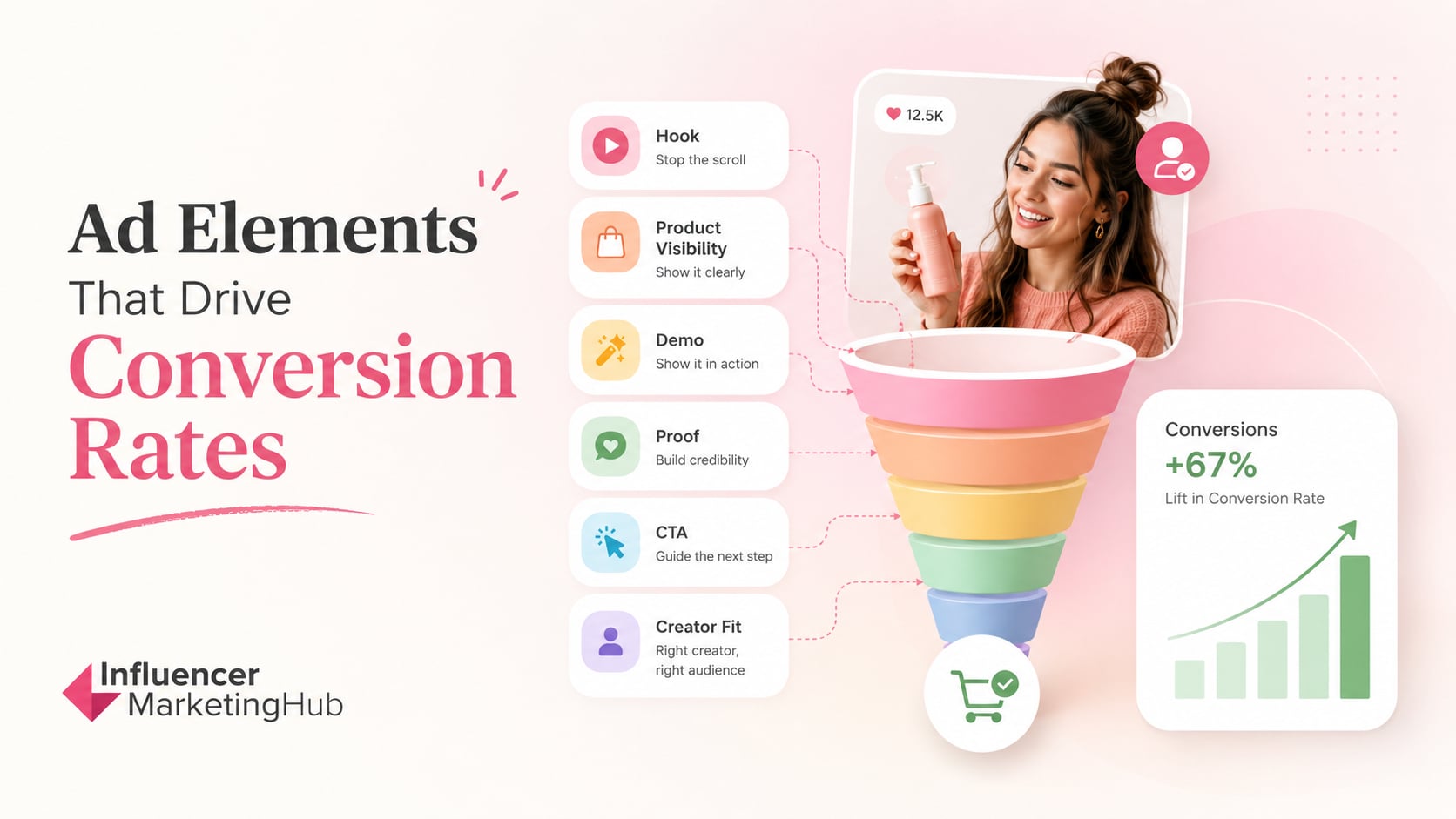
For an influencer ad to drive measurable conversions, it must function as a bridge between authentic storytelling and performance marketing. It requires a rigorous structural framework: a compelling hook, a clearly identified pain point, a tangible product demonstration, and a frictionless call-to-action (CTA).
The Anatomy of a High-Converting Creative: A Ten-Point Strategy
1. The Three-Second Rule: Crafting the Perfect Hook
On video-centric platforms, the viewer’s attention is the most volatile commodity. If a user doesn’t find a reason to stop scrolling within the first three seconds, the ad is effectively dead.
Contrary to the impulse to make hooks loud or over-the-top, the most effective hooks are those that offer value or intrigue. They typically accomplish one of four objectives:
- The Relatable Problem: Instantly identifying a shared struggle.
- The Curiosity Gap: Posing a question or hinting at a "secret" hack.
- The Result Reveal: Showing the "after" state before the "before."
- The Belief Challenge: Debunking a common industry myth.
The goal is to bridge the gap between the viewer’s curiosity and the product’s utility as early as possible, ensuring that the transition from the hook to the brand message feels organic rather than jarring.
2. Prioritizing Product Visibility
A common failure in creator-led advertising is "hiding the product." In an attempt to be subtle, some creators leave the product introduction for the final seconds of the video. In a performance-focused ad, this is a fatal flaw.
The product should be visible, introduced early, and integrated into the creator’s lifestyle. Whether it is a close-up of a skincare texture or a clear shot of a software interface, the viewer must understand what is being sold within the first five seconds. Dove’s "Extreme Wash Test" campaign serves as a masterclass here: the product is not just shown; it is the protagonist of the narrative, with its key features highlighted through live, real-world application.
3. Addressing the Specific Pain Point
People do not purchase products; they purchase solutions to their problems. High-converting ads avoid abstract benefits like "better health" or "higher productivity," focusing instead on tangible relief: "stopping acne breakouts" or "organizing a chaotic calendar."
When an influencer speaks to a specific pain point, they tap into the viewer’s emotional reality. This is where creator-led ads hold a distinct advantage over corporate-produced commercials: a human voice describing a struggle sounds authentic, while a brand voice often sounds transactional.
4. Demonstrations as Proof
A product demonstration is the ultimate "proof" in the marketing funnel. It transforms abstract marketing claims into visual evidence. If a product saves time, the video should demonstrate the efficiency. If it is a beauty product, the video should show the application process and the immediate result.
This is why categories like fitness, home improvement, and tech gadgets thrive in this space. They provide the creator with an opportunity to perform a "before-and-after" transformation, which is perhaps the most persuasive visual cue in modern advertising.
5. The Power of a Single Value Proposition
A frequent mistake in influencer campaigns is the "laundry list" approach—trying to cram every feature (affordability, quality, sustainability, speed, and versatility) into one 30-second spot. This dilutes the message and confuses the viewer.
A high-converting ad should center on one core value proposition. By focusing on a single benefit—such as "convenience"—the creator can build a coherent narrative that flows logically from the hook to the CTA.
6. Leveraging Visual Contrast
Visuals must communicate value even when the sound is muted. With a significant portion of social media traffic occurring in "silent mode," visual contrast is critical. Techniques such as split screens, quick cuts, text overlays, and distinct color shifts help the viewer understand the transformation instantly. Research suggests that a significant majority of a consumer’s initial product perception is based on color and visual movement; using these elements to create a sharp "before vs. after" contrast is essential for capturing attention.
7. Mastering Platform-Native Editing
An ad that feels like a TV commercial is an ad that will be ignored on TikTok or Instagram Reels. Native content—using features like green screens, POV-style shooting, and platform-specific audio trends—is essential. According to industry data, ads that are purpose-built for the platform they inhabit see significantly higher completion rates. The goal is to create an ad that a user wants to watch, not one they feel forced to endure.
8. The Strategic Use of Captions
Beyond accessibility, on-screen text and captions serve as a secondary narrative layer. They reinforce the hook, highlight the key value proposition, and ensure that the message is received even if the user is scrolling in a public space with the audio off. Well-executed text overlays can add a layer of curiosity that audio alone might miss, keeping the viewer engaged throughout the duration of the clip.
9. A Frictionless Call-to-Action (CTA)
If the audience has to guess what to do next, the conversion is already lost. A clear, direct CTA—whether it’s "click the link below," "shop the sale," or "sign up for a free trial"—should be delivered both verbally and visually. By placing the CTA strategically rather than burying it at the very end, brands can ensure they capture the interest of viewers who may not watch the entire video.
10. Audience-Influencer Fit: The Core of Trust
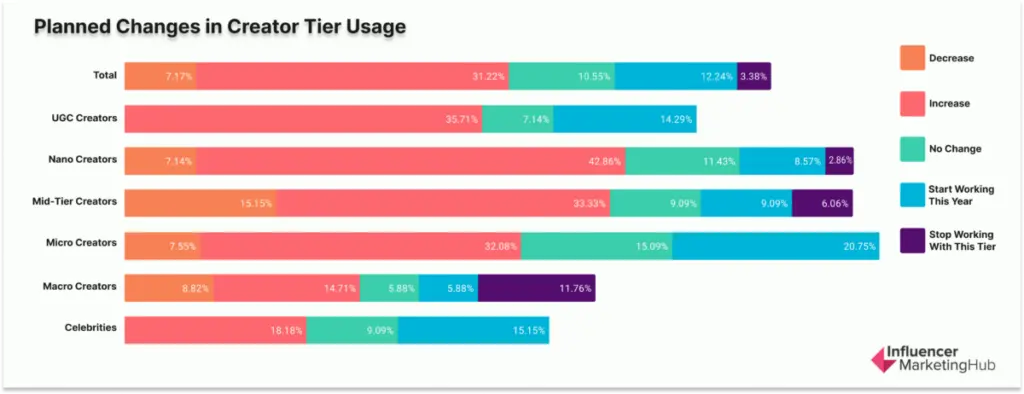
Even the best creative will fail if it reaches the wrong audience. The most successful brands are increasingly moving toward micro and nano-influencers. These creators often possess a higher degree of trust within their niche communities. A partnership should be based on relevance: Does this creator’s audience genuinely care about the problem this product solves? If the answer is yes, the conversion rate will naturally follow.
Implications for Future Campaigns
The data is clear: the era of influencer marketing as a "soft" brand awareness strategy is ending. As we move toward 2026 and beyond, brands that treat creator content as a disciplined, performance-driven asset will dominate the digital landscape.
The strategy requires a move away from rigid, scripted brand decks toward a collaborative model. When creators are given the freedom to translate a brand’s value proposition into their own unique, authentic language, the results are transformative. By focusing on the structural elements—the hook, the visual contrast, the native feel, and the precise audience fit—marketers can create an engine of sustainable, scalable, and highly profitable growth.
The takeaway for any brand leader is simple: Success in social commerce is no longer just about who you hire, but about how you structure the message they deliver. The future of advertising is not in the polish of a studio-produced commercial, but in the intentional, authentic, and highly visual world of the creator economy.
 Siti Muinah
  Dwi Wanna
  Lina Irawan