
 By Raul Delapena Setiawan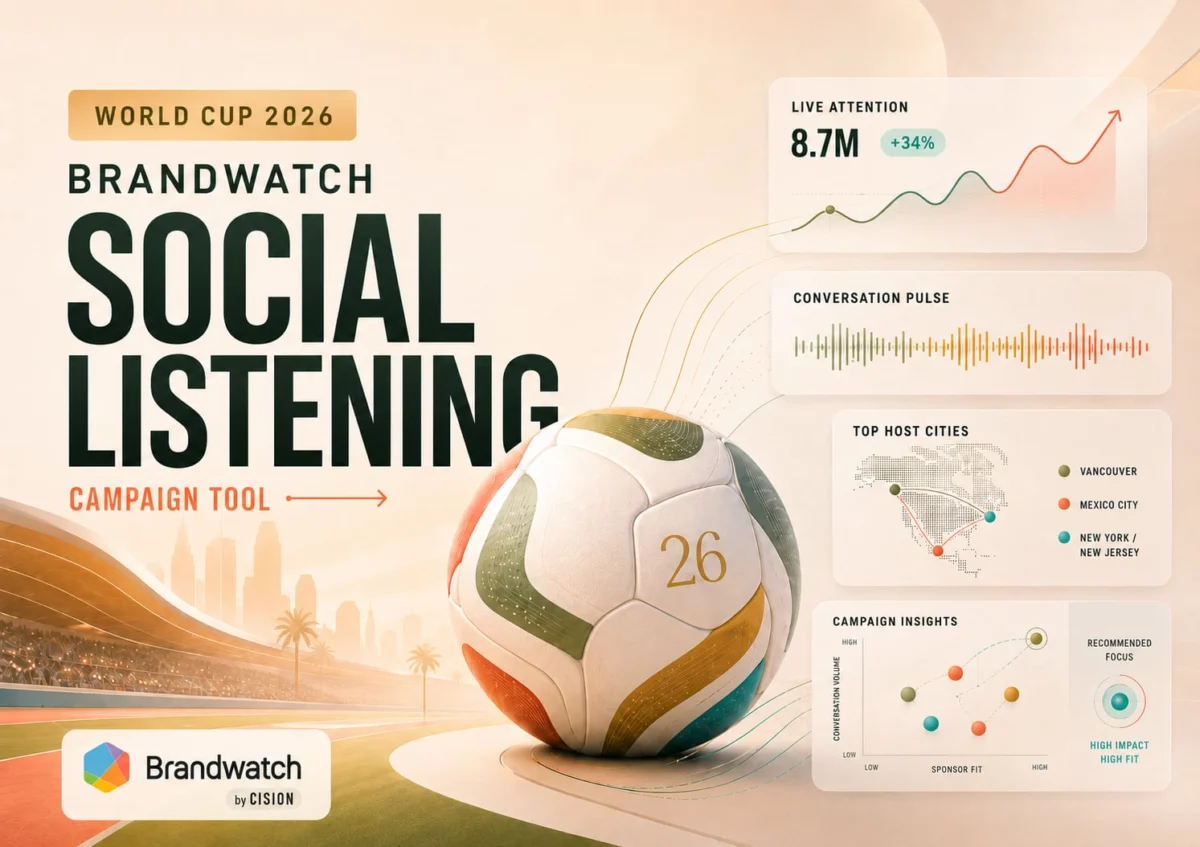
World Cup marketing has historically functioned like a traditional advertising campaign: brands purchase premium inventory, execute pre-planned creative assets, and wait until the final whistle blows to tally the results. However, the sheer scale and complexity of the upcoming 2026 FIFA World Cup have rendered this "set-it-and-forget-it" approach obsolete.
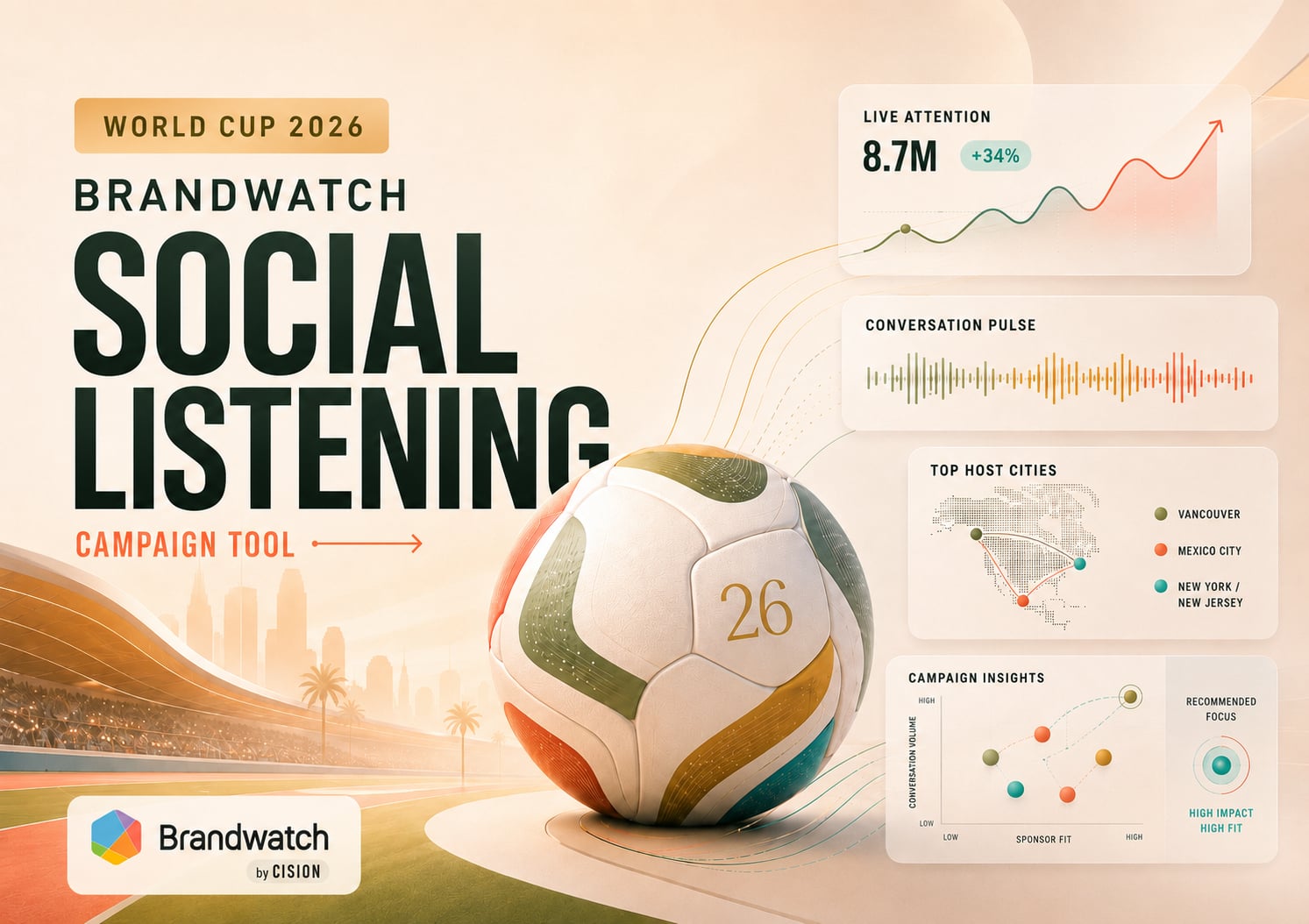
As the largest men’s tournament in history—spanning 48 teams, 104 matches, and 16 host cities across Canada, Mexico, and the United States—the 2026 World Cup represents a logistical and marketing labyrinth. Attention will no longer move in a linear fashion; it will fracture and shift dynamically by match, city, player, influencer reaction, and platform-specific trends. To navigate this, brands must pivot from static sponsorship to a "live attention" model. Central to this shift is the deployment of sophisticated tools like Brandwatch’s Football Attention Index, which serves as a real-time compass for marketers navigating the chaos of global live events.
The Shift from Exposure to Attention
For decades, the goal of sports sponsorship was simple: reach. With football standing as the world’s most popular sport, brands often paid astronomical sums for logo placement, assuming that sheer visibility would translate into brand equity.
However, modern marketing demands more than just eyeballs; it demands engagement. Reach does not indicate whether a campaign is actually cutting through the noise. A sponsor needs to know if the audience is connecting the brand to a meaningful narrative. Are fans engaging with the campaign creative? Is the brand being associated with a specific, positive, or negative moment?
This is the vital distinction between exposure and attention. A static logo placement may provide visibility, but a viral creator post, a localized activation, or an earned media moment creates the type of resonance that drives brand loyalty. In the context of the 2026 World Cup, live social listening has evolved from a passive reporting tool into an active, strategic layer of campaign management. The question is no longer "How much reach did we buy?" but rather, "Where is our brand becoming part of the conversation, and how do we lean into that momentum?"
Anatomy of the Football Attention Index
Brandwatch’s Football Attention Index represents a departure from traditional sports dashboards. By organizing vast amounts of unstructured social and news data into actionable intelligence, the index provides three primary lenses for marketers:
- The Brand View: This tracks commercial names in relation to the tournament, allowing sponsors to measure their share of voice against competitors and determine if their investment is generating organic momentum beyond paid placements.
- The Topic View: This reveals the actual narratives driving the conversation. While a brand might launch a campaign centered on "national pride," the live conversation may pivot toward stadium logistics, refereeing controversies, or travel experiences. Aligning with these shifts in real-time is essential for remaining relevant.
- The Host-City View: With 16 host cities, the 2026 tournament is uniquely decentralized. Each city functions as its own ecosystem of tourism, local media, and fan culture. The index allows brands to monitor which cities are becoming hubs of conversation, enabling surgical, region-specific activations.
The Rise of Host-City Marketing
For World Cup 2026, the 16 host cities serve as the primary ground for regional engagement. A spike in conversation in a city like Miami, Toronto, or Mexico City acts as a signal for marketers to adjust their strategies.
If data shows a sudden surge in sentiment or interest in a host city, it should trigger an immediate operational response. Is the spike tied to a major match, a specific fan experience, or perhaps a logistical issue? If the sentiment is positive, brands can ramp up local paid media, activate local creators, or deploy retail promotions. Conversely, if a city is trending due to negative sentiment—such as stadium congestion or transport issues—marketers can proactively deploy social care or PR monitoring to safeguard the brand’s reputation. Treating host-city attention as a dynamic input rather than a side metric allows for a much more responsive, localized, and effective regional strategy.
Empowering Creator-Led Strategy
The creator economy has permanently altered how fans consume live sports. Conversations are no longer monopolized by broadcasters or official team channels; they are shaped by athletes, lifestyle influencers, food critics, tactical analysts, and short-form video creators.
Brands that ignore this layer risk irrelevance. Social listening allows brands to identify rising topics before they peak, enabling them to brief creators to translate these narratives for specific communities. A well-timed, creator-led campaign can extend the life of a sponsorship, turning a fleeting moment of excitement into a lasting brand conversation. The workflow for this is increasingly standardized:
- Identify the signal (a trending topic or city).
- Contextualize the sentiment (is the conversation positive or negative?).
- Brief creators to produce authentic content that aligns with the trend.
- Amplify through paid social to ensure the content reaches the desired demographic.
The Strategic Five: What Marketers Must Track
To avoid the "dashboard noise" that often plagues data-heavy marketing teams, brands should focus their attention on five specific signal categories:
- Sponsor Visibility: Focus on the context of mentions. A lower volume of high-intent, purchase-relevant mentions is exponentially more valuable than high-volume, generic brand awareness.
- Category Momentum: The World Cup creates "permission to enter" for non-endemic brands. Whether in fintech, beverages, or retail, tracking category-wide trends allows brands to join the conversation even without official tournament status.
- Host-City Signals: Monitor city-specific trends to guide local spend and PR.
- Narrative Shifts: Live events are inherently unpredictable. Tracking shifts in narratives allows brands to pivot their messaging to align with the current mood of the fanbase.
- Sentiment and Risk: Never amplify a trend without verifying the underlying sentiment. A viral moment can quickly turn toxic, and social listening acts as the primary safety check.
Integrating Search Intelligence: The Intent Layer
While social listening captures what people are saying, search intelligence captures what they are seeking. This distinction is critical during a high-stakes tournament. Fans may not tweet about their search for parking in a host city, their interest in specific jersey styles, or their confusion over a referee’s decision, but they will search for these things in real-time.
By combining social listening with search data from platforms like Google and AI-driven search engines, brands gain a holistic view of the fan journey. Search data often acts as a leading indicator: a spike in search queries for a specific product or event experience often precedes a surge in social media mentions. Integrating these two data streams allows for a proactive rather than reactive strategy, providing marketers with a significant competitive advantage.
Implications for the Future of Live-Event Marketing
The 2026 World Cup will serve as a litmus test for the future of sports marketing. The brands that emerge as winners will not necessarily be the ones with the largest budgets or the most expensive commercial spots. They will be the ones that possess the agility to interpret data signals in real-time and translate them into coherent, resonant campaign decisions.
The "live attention workflow" must become a standard operating procedure. This includes daily monitoring of brand and category signals, pre-established relationships with diverse creator tiers, and clearly defined rules for when to trigger paid amplification or PR intervention.
In conclusion, the era of the static, pre-planned World Cup campaign is over. The scale of the 2026 tournament demands a new level of sophistication. By bridging the gap between social listening, search intelligence, and creator-led activation, brands can ensure they remain at the heart of the conversation. The Football Attention Index is not just a tool; it is a signal that the future of marketing lies in the ability to read the room—even when that room spans three countries, 16 cities, and billions of fans. Those who master this real-time fluidity will define the next generation of sports sponsorship.
 Siti Muinah
  Dwi Wanna
  Lina Irawan