
 By Raul Delapena Setiawan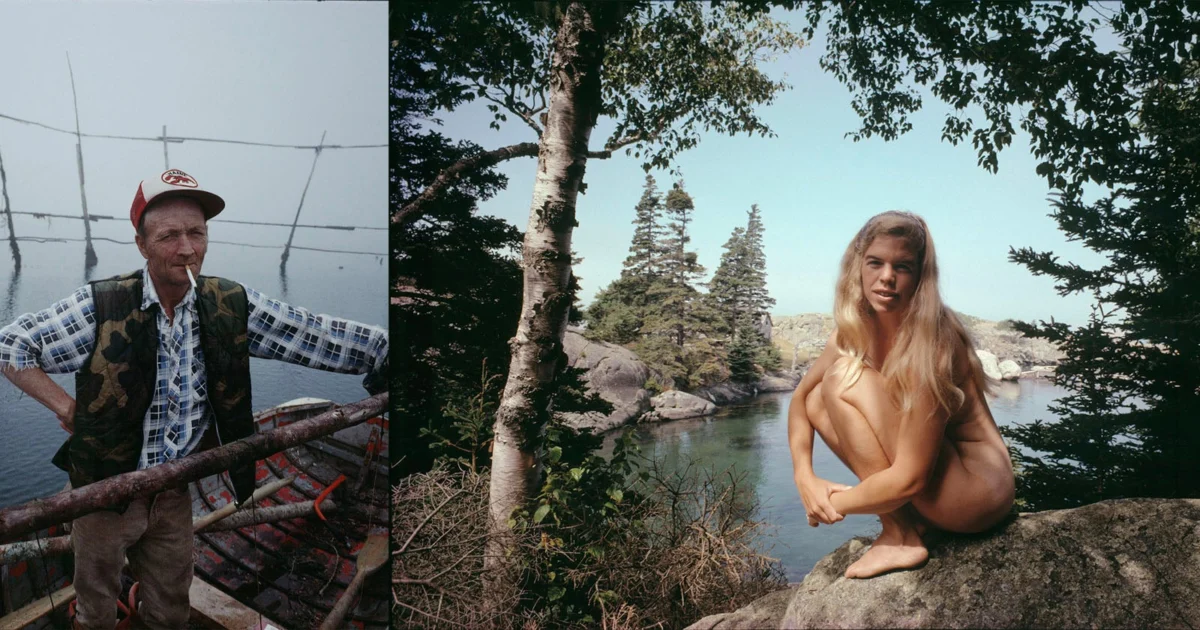
In the quiet, salt-sprayed corners of a remote island in Maine, a life was being documented with the precision of a master and the soul of a poet. For decades, Jeff Dworsky, a fisherman who traded the rigidity of the classroom for the unforgiving tides of the Atlantic at the age of 14, operated in total obscurity. He did not chase fame; he chased the light, the movement of his children, and the enigmatic, shifting presence of his wife.
Today, thanks to a chance encounter and a subsequent deep dive into a dusty archive, the world is finally witnessing the release of Sealskin—a hauntingly beautiful photobook published by Charcoal Press. The collection is more than a mere visual record; it is a profound exploration of mythology, isolation, and the ephemeral nature of love, captured entirely on Kodachrome film.
The Genesis of an Archive: From Coffee Shop to Cult Classic
The story of Sealskin began not in a gallery, but in the mundane setting of a small-town coffee shop in Penobscot Bay. Ten years ago, photographer Jesse Lenz, himself a student of the craft, noticed a man with a Leica camera—the classic tool of street photography legends.
"He turned, saw my Leica and said, ‘I used to shoot with a Leica,’ and that was the beginning of our friendship," Lenz recalls.
That conversation bridged a gap between two generations of photographers. As their friendship deepened, Lenz was granted access to a treasure trove of imagery that Dworsky had been quietly assembling since the 1970s. What Lenz found within those boxes of slides was staggering. It wasn’t just a documentation of a fishing village; it was a deeply intimate narrative that felt as if it had been plucked from the pages of a fable.
A Life Defined by the Lens: Chronology of a Fisherman-Artist
To understand the work, one must understand the subject. Dworsky’s trajectory is atypical of the professional art world.
- 1970s: At age 14, Dworsky leaves formal education behind. A year later, at 15, he acquires his first Leica. By 16, he relocates to a small island in Maine to pursue the grueling life of a fisherman.
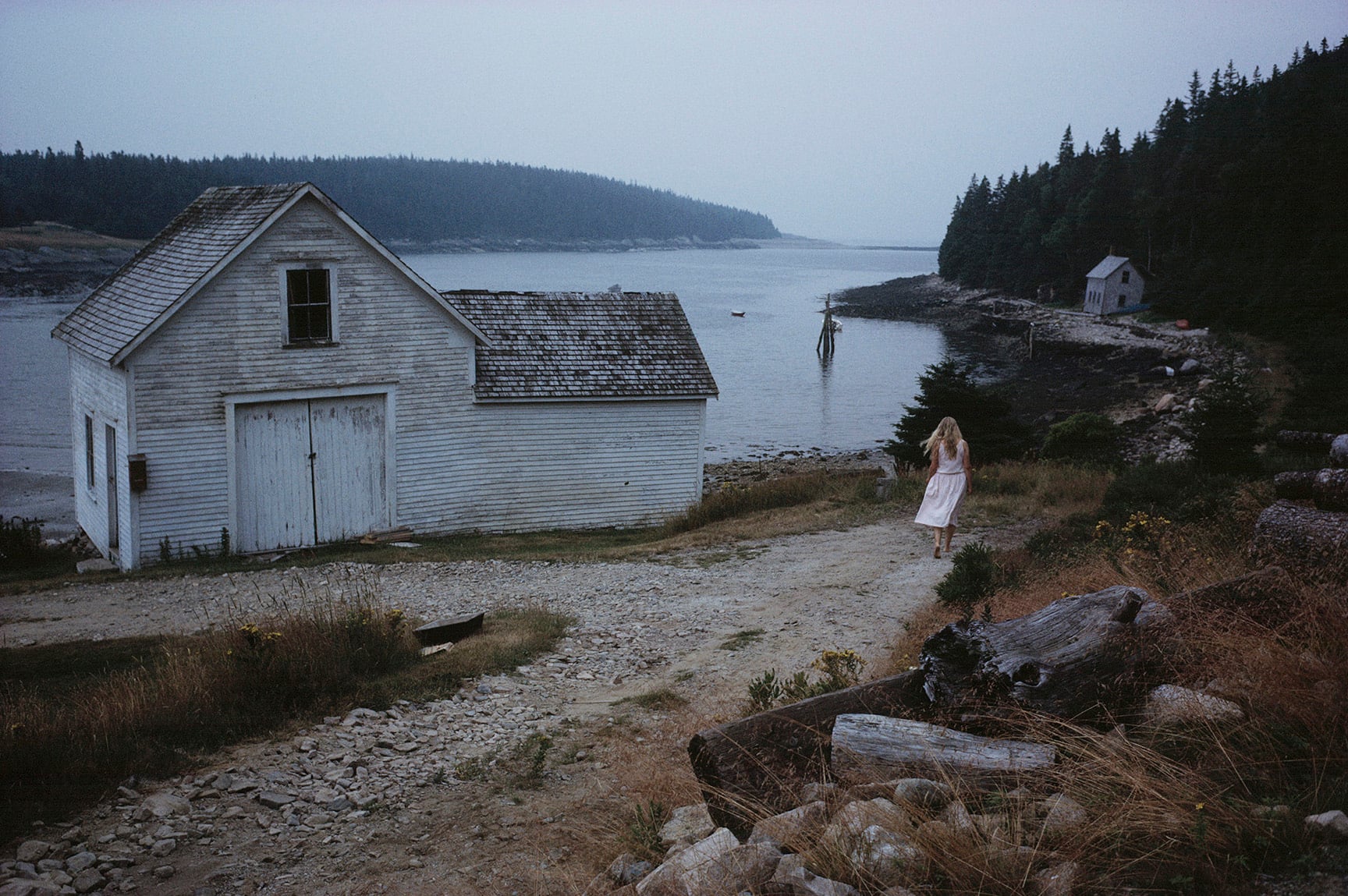
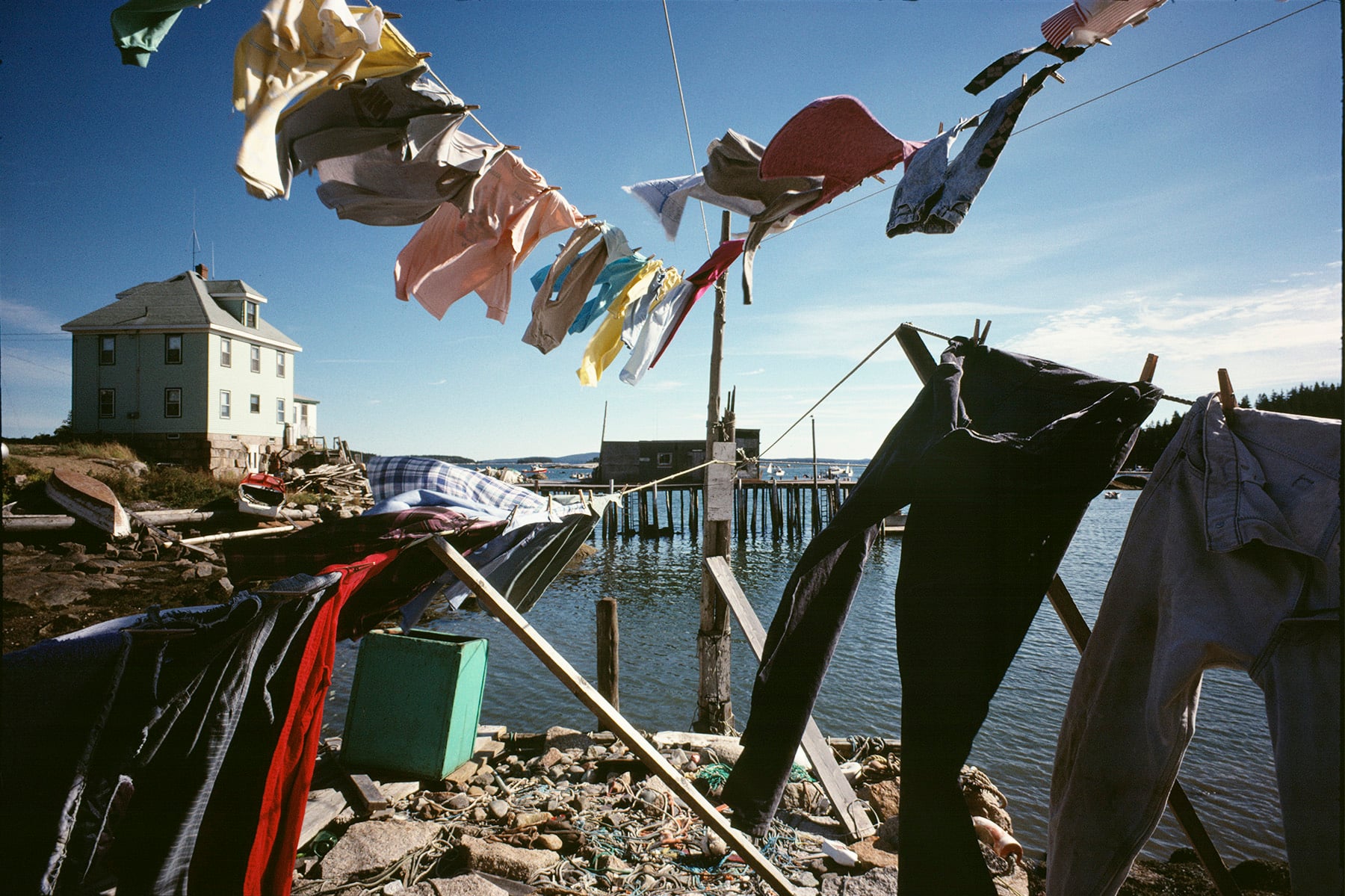
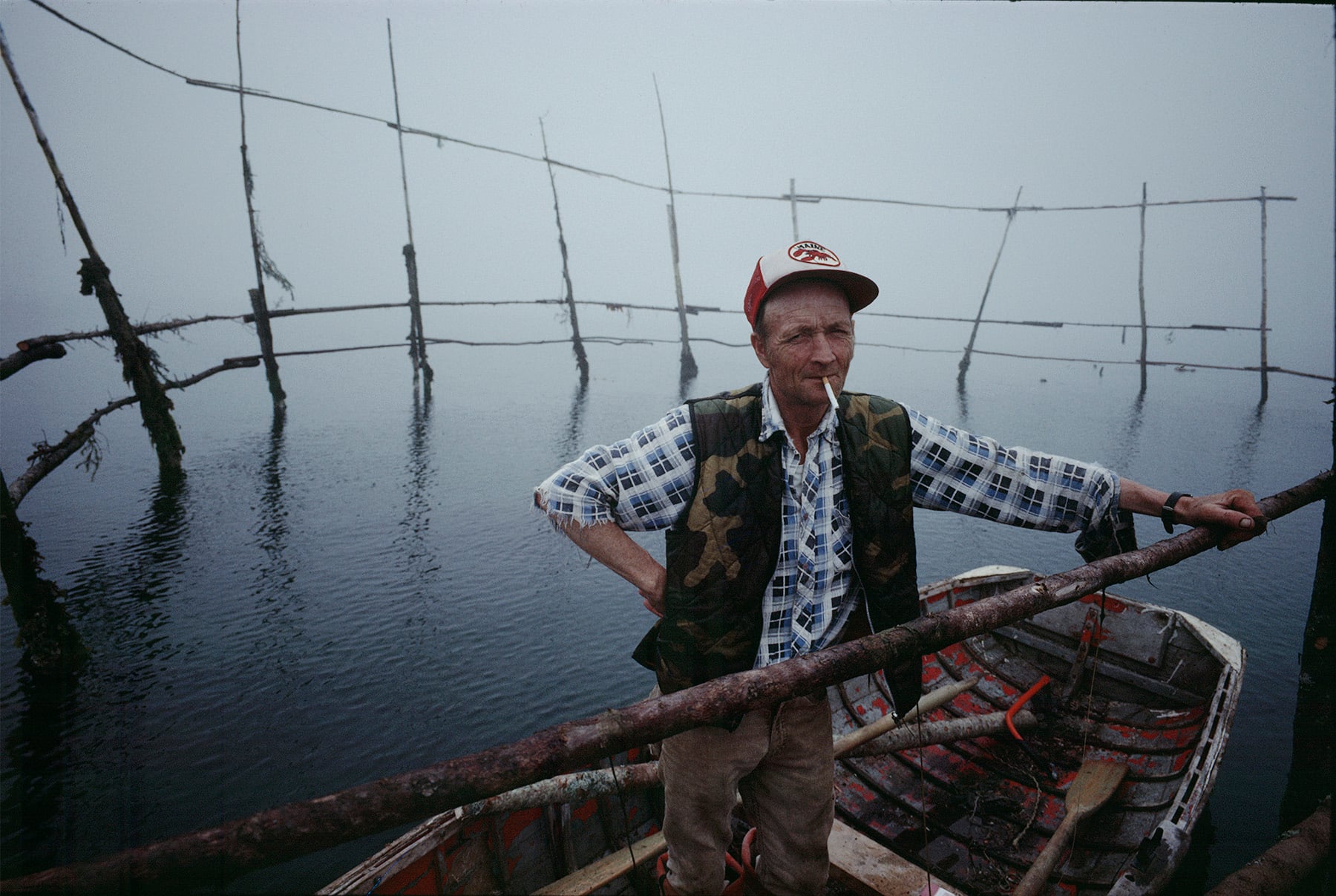
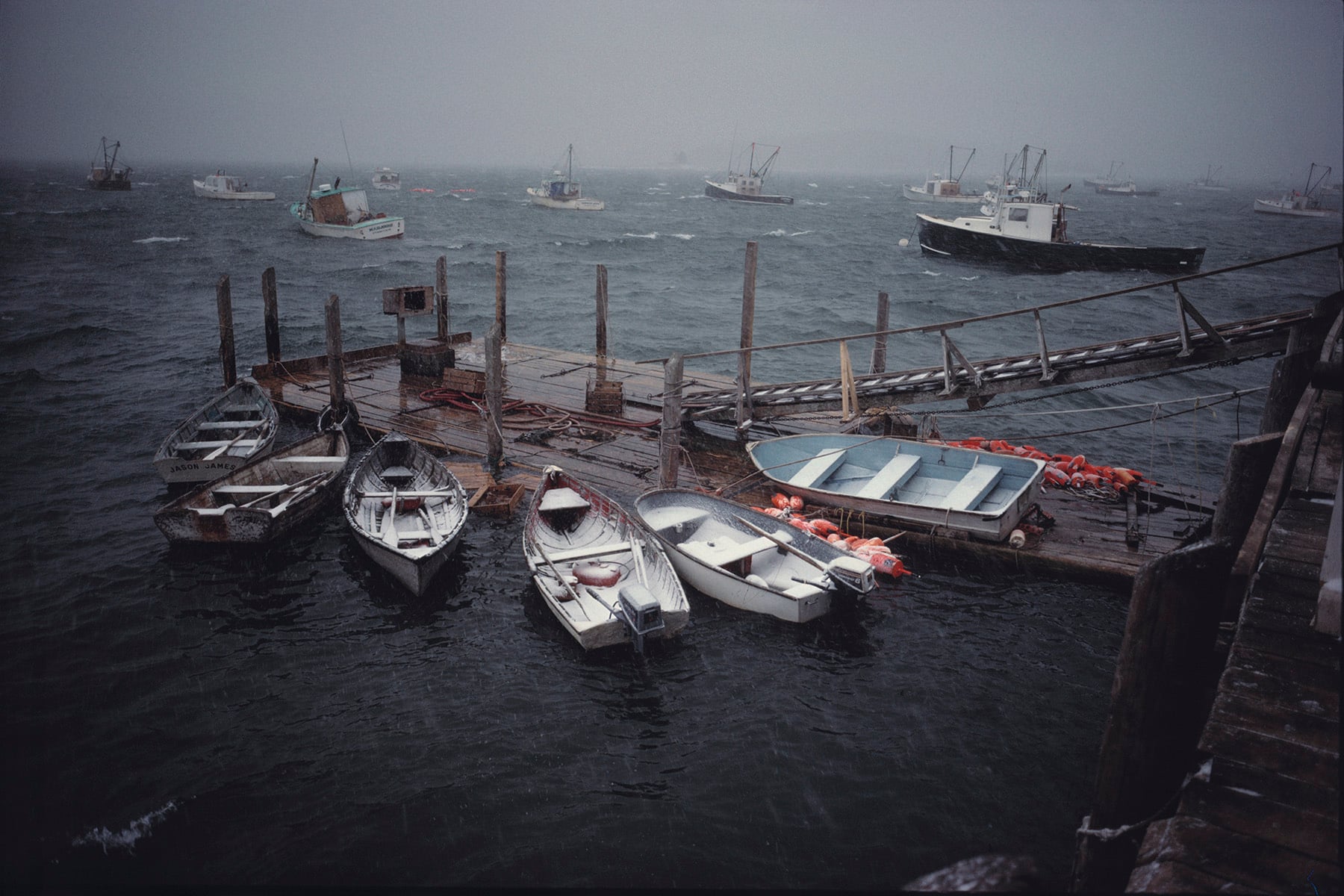
- 1975–1989: Throughout these formative years, Dworsky uses his camera to document his reality. He captures the daily rhythms of the fishing community: the nets, the wooden boats, the misty mornings, and the weathered faces of his neighbors.
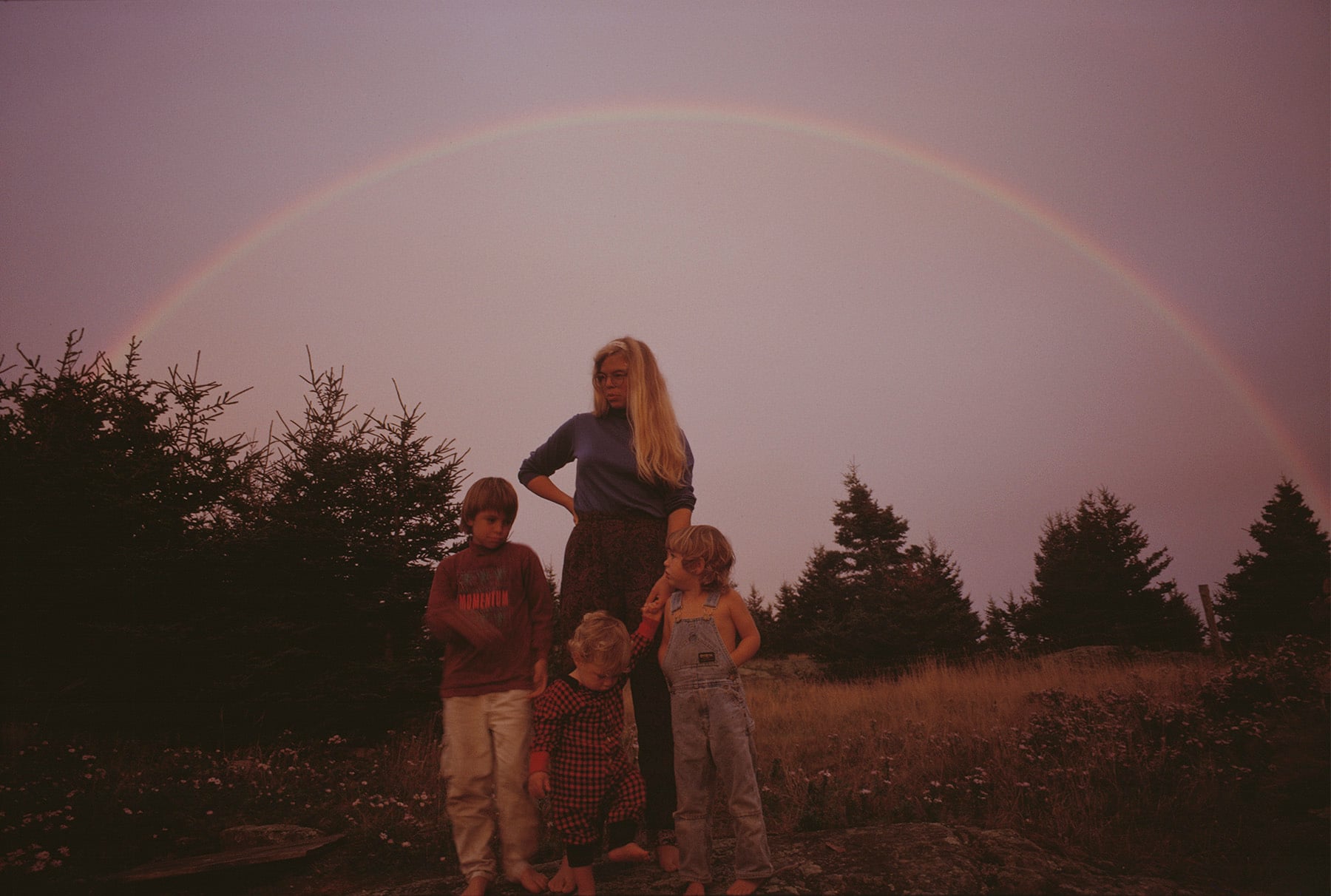
- The Muses: Central to the work is his wife and young children. The photographs trace a life of domesticity—planting gardens, the birth of children, and quiet moments of solitude.
- The Departure: The archive reaches a point of tonal shift. The images of his wife become fewer, eventually fading out entirely. When pressed by Lenz about this absence, Dworsky’s answer was chilling in its brevity: "My ex-wife left the island. We stayed."
- 2014–2024: Following the chance meeting with Lenz, the process of curating the Sealskin archive begins. The work moves from private storage to the editorial desk of Charcoal Press.
- 2026: The second printing of Sealskin is released, cementing its status as a seminal work in contemporary photobook history.
The Myth of the Selkie: Folklore as Reality
The title of the book, Sealskin, is far from arbitrary. It draws directly from the Celtic and Norse folktales of the selkie—a mythological creature that lives as a seal in the sea but can shed its skin to walk on land as a human.
In the legends, a human might steal a selkie’s skin, trapping them in human form. They often start families, but the call of the ocean is persistent. Eventually, the selkie finds their skin and returns to the sea, leaving behind their land-bound family.
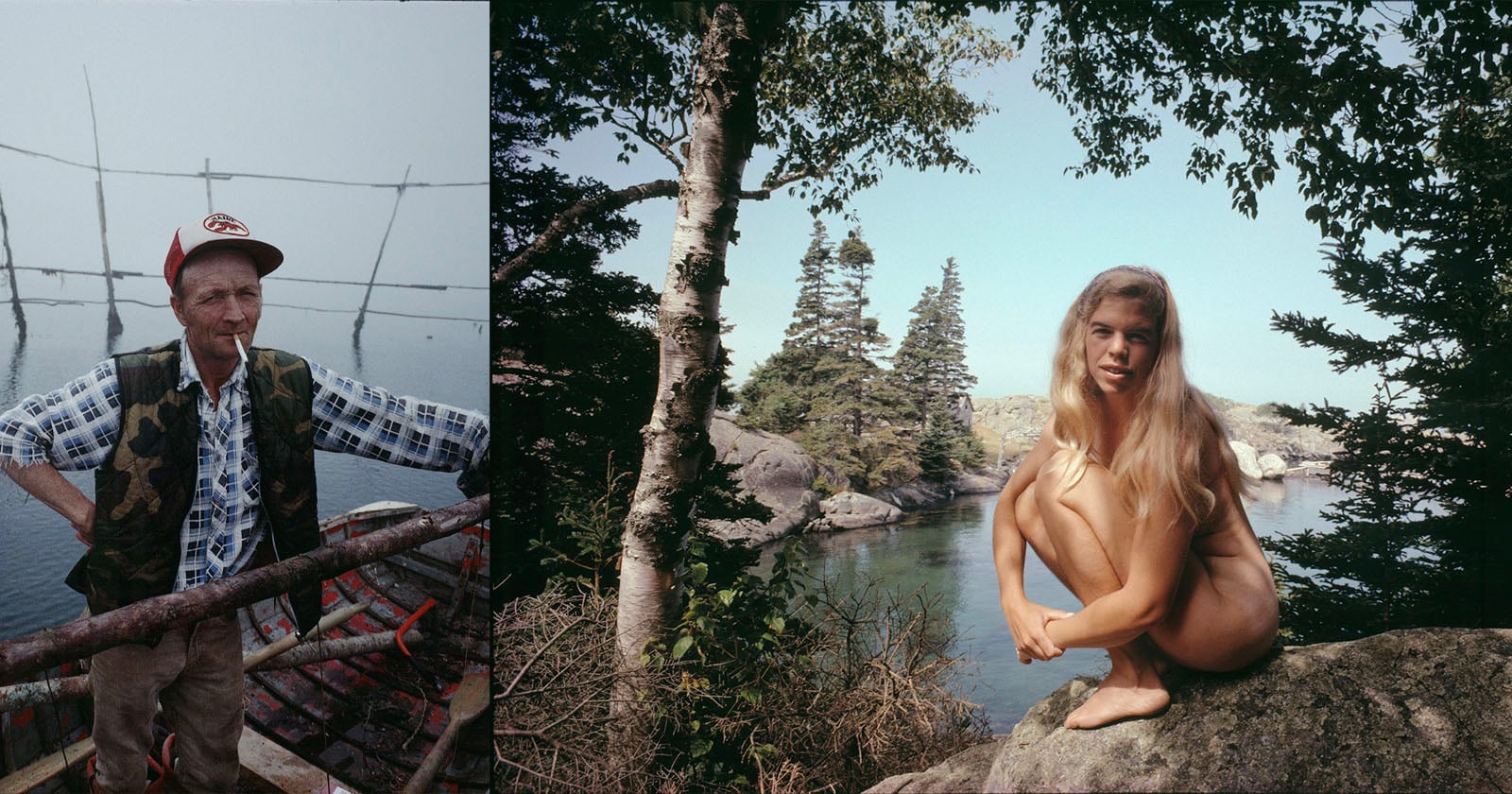
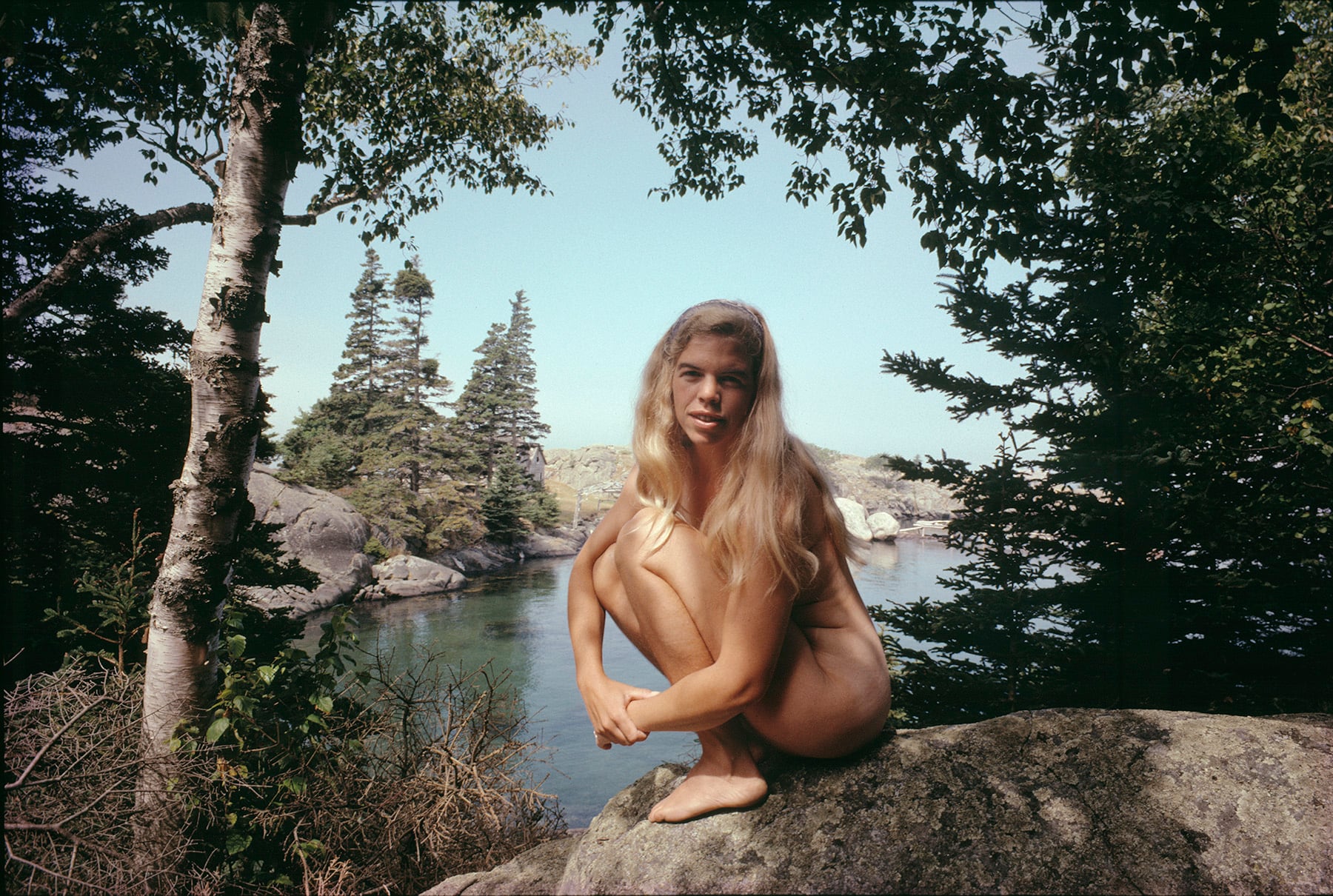
For Lenz, the parallel was undeniable. "There was a striking sense of mystery in the way he depicted his wife—planting a garden, birthing a child, walking through foggy fields, or naked at the edge of the ocean," Lenz explains. "Seeing her pictured at the edge of the water, I couldn’t help but think of the statue of Kópakonan, the legendary selkie on the island of Kalsoy. These folktales embodied not only the emotional tone of the work I had felt from the first time I saw it, but were eerily similar to Jeff’s own life. His story reminds us that folklore and myths might be more real than we’d like to believe."
The Technicality of Time: Kodachrome and the Vanishing World
The aesthetic impact of Sealskin is inextricably linked to the medium used: Kodachrome. Renowned for its archival longevity, vibrant color rendition, and distinct grain, the film provides a texture that digital sensors struggle to replicate.
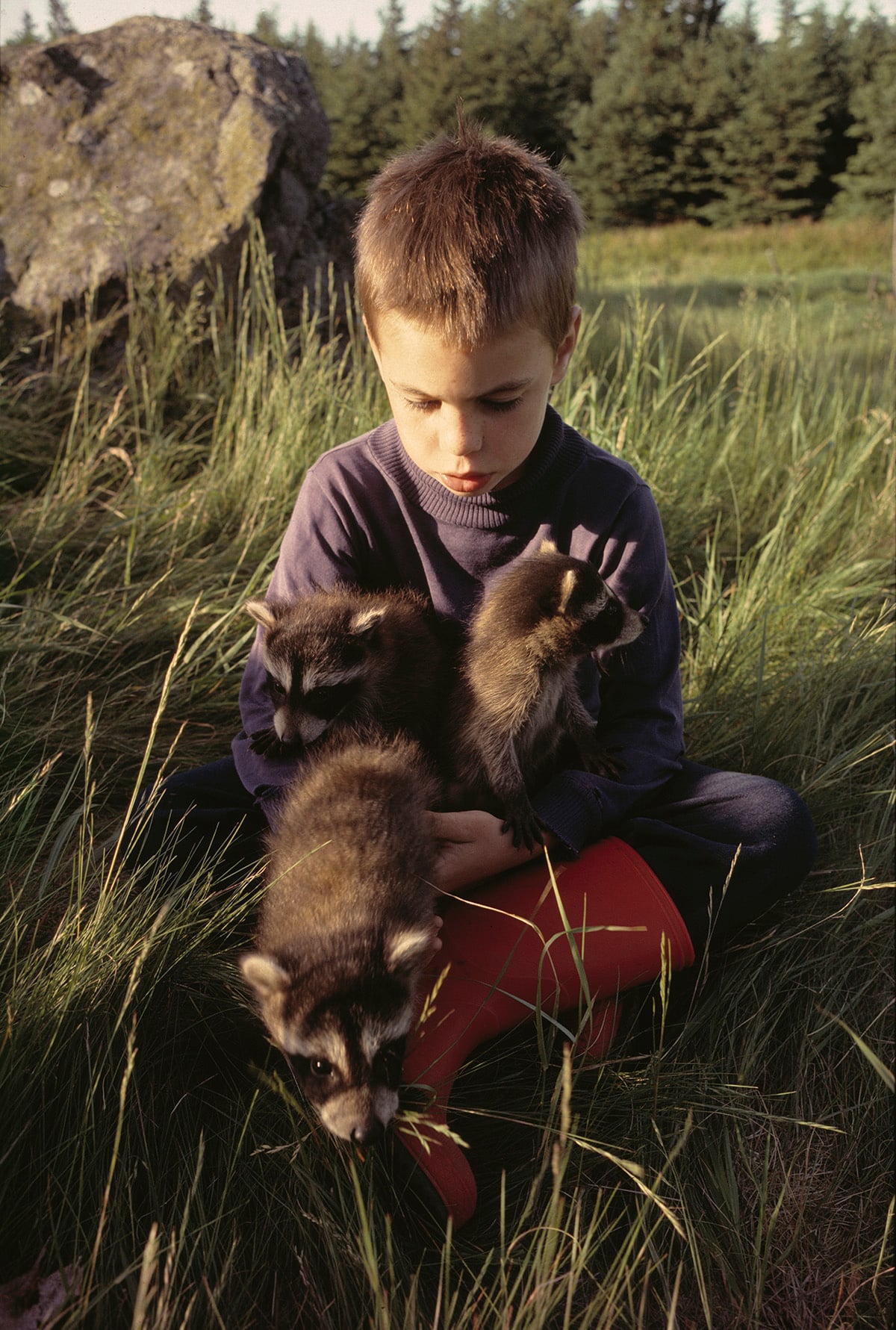
Dworsky’s work serves as a time capsule for a specific way of life in Maine that has largely vanished. The economic and social pressures on coastal fishing communities in the 70s and 80s were immense, and the industry has since consolidated and modernized. The images of weathered wooden docks, hand-woven nets, and traditional small-boat fishing serve as a vital historical record.
Official Perspectives and Critical Reception
The photography community has hailed Sealskin as a masterclass in "organic" artistic production. Jesse Lenz, who championed the publication, has been vocal about his admiration for Dworsky’s philosophy.
"Dworsky embodies my ideal of an artist: someone obsessed with living their life and making pictures as the byproduct," says Lenz. This sentiment stands in stark contrast to the modern digital era, where photographers often produce images specifically for social media engagement or external validation. Dworsky’s process was inward-looking; the photographs were for the family, not for the gallery. This lack of self-consciousness is precisely what makes the final book so powerful to the viewer.
Implications for the Medium of Photography
The rediscovery of Dworsky’s work forces a reassessment of how we categorize "art photography." Sealskin challenges the notion that an artist must be engaged in the professional circuit to produce work of lasting merit. It highlights the importance of archiving—the idea that thousands of images sitting in boxes in Maine or anywhere else could hold the potential for a masterpiece.
Furthermore, it speaks to the power of the "long-form" narrative. In an era of ephemeral content, where images are consumed in seconds, Sealskin demands a slower, more contemplative engagement. It asks the viewer to sit with the silence of the island, the weight of the sea, and the complex, often painful evolution of a family structure.
Conclusion: A Testament to the Unseen
As the second printing of Sealskin reaches a wider audience, it serves as a reminder that the most profound stories are often the ones told in whispers. Jeff Dworsky, the fisherman who found beauty in the mundane, has given us a work that feels as timeless as the myths it evokes.
The book is not merely a collection of photographs; it is an artifact of a life lived on the edge of two worlds—the land and the sea, the human and the mythic. In the faces of his children and the vanishing image of his wife, we see the universal human experience of love, loss, and the inevitable tide that pulls us back to where we began.
Sealskin is currently available through Charcoal Press. It stands as a testament to the fact that when a camera is wielded with love and consistent dedication, the result can transcend the boundaries of the frame and enter the realm of legend.
 rifanmuazin
  Ammar Sabilarrohman