
 By Nana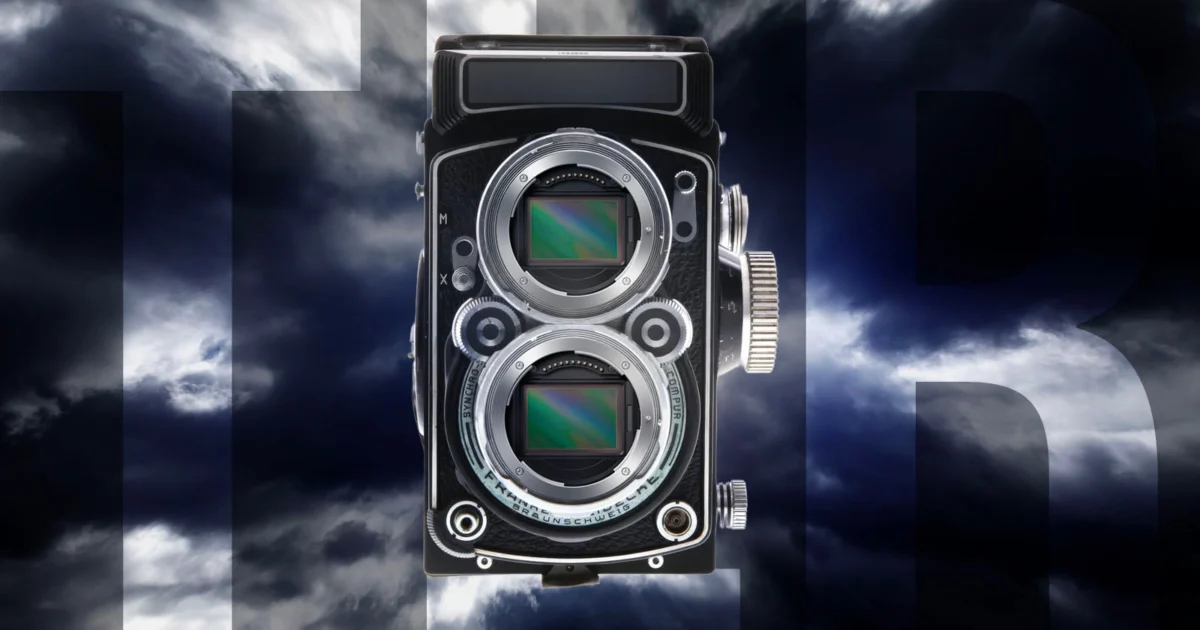
In an era defined by hyper-efficient, AI-driven mirrorless systems, photography has become a game of clinical precision. Yet, as the gear wars push technical specifications into the stratosphere, a growing segment of the enthusiast community is looking backward, seeking a tactile connection to the act of creation. Among the various lost formats of the 20th century, the Twin-Lens Reflex (TLR) camera remains the most glaring omission from the digital landscape. It is not merely a tool; it is an experience—a waist-level ritual that demands a slower, more deliberate pace. As we navigate the mid-2020s, the question remains: Why has one of the most iconic form factors in photographic history been relegated to the antique shelf?
The Anatomy of an Icon: Main Facts
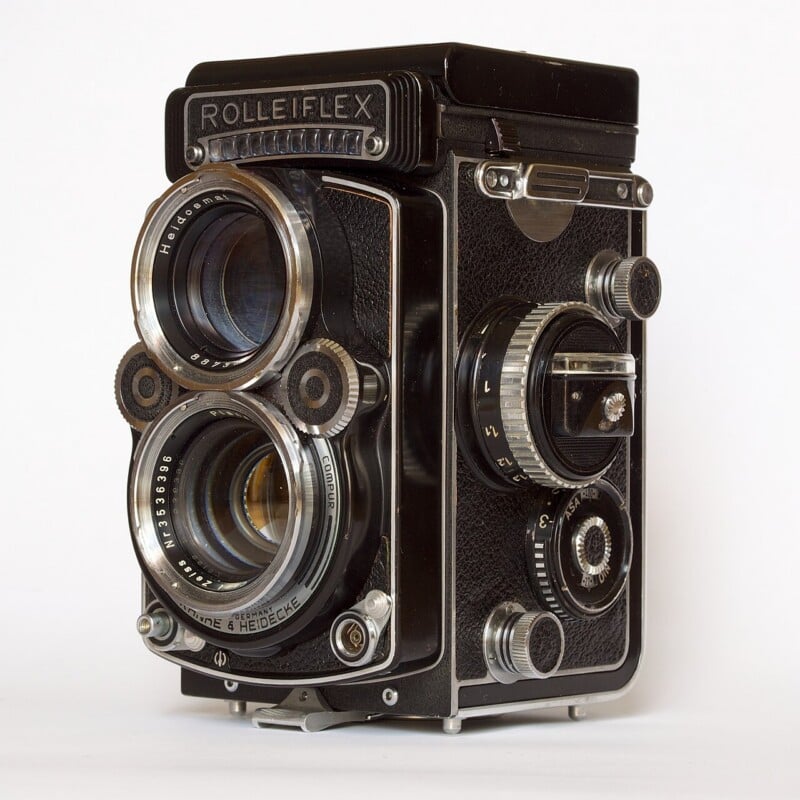
The TLR, most famously exemplified by the Rolleiflex, is a masterclass in elegant mechanical design. Unlike the Single-Lens Reflex (SLR), which uses a mirror to redirect light from a single taking lens to the viewfinder, the TLR utilizes two identical lenses. The top lens serves the viewfinder, projecting an image onto a ground glass screen, while the bottom lens is dedicated exclusively to exposing the film.
This design offers several distinct advantages that have been lost in the transition to digital:
- The Waist-Level Perspective: By looking down into the viewfinder, the photographer engages with the subject differently. It encourages a more organic composition and allows for candid street photography, as the photographer’s gaze is directed downward rather than directly at the subject.
- Mechanical Simplicity: With no internal mirror mechanism that must flip up to expose the sensor, the TLR is inherently quieter and suffers from less vibration than traditional SLRs.
- The Square Aesthetic: Traditionally associated with the 6×6 medium format, the square composition forces a unique compositional discipline that differs significantly from the standard 3:2 rectangular frame.
Despite these virtues, the SLR and later the mirrorless camera dominated the market due to their superior versatility, compact size, and the ability to swap lenses with ease. The TLR, by contrast, was largely tethered to a fixed focal length, rendering it a niche tool for the purist.
A Chronological Perspective: From Rolleiflex to "E-Waste"
To understand why the digital TLR is overdue, one must look at the timeline of the format’s decline and its recent, albeit flawed, attempts at a comeback.
1920s–1960s: The Golden Age
The TLR reigned supreme in the mid-20th century. Rolleiflex, Yashica, and Mamiya built their reputations on the TLR platform. These cameras were the workhorses of photojournalists, fashion photographers, and wedding shooters. The Mamiya C-series even introduced interchangeable lens boards, briefly bridging the gap between fixed-lens limitations and system-camera flexibility.
1970s–2010s: The Digital Displacement
As electronics miniaturized, the SLR evolved into the DSLR. The pentaprism, which provided an eye-level view, became the standard for professional work. The TLR, which relied on bulky mirror boxes and complex mechanical linkages for manual focus, could not keep pace with the demand for high-speed autofocus and electronic data exchange. By the 1990s, the TLR was a relic.
2020–2026: The "Toy" Era
In recent years, the market has seen a surge of budget-friendly "digital TLRs" from manufacturers like Chuzhao and various white-label keychain camera producers. These devices, however, are essentially "fake" TLRs. They typically house a single digital sensor behind one lens, using the upper "lens" merely as a decorative shroud for an LCD panel. While these devices successfully captured the imagination of the youth market, they failed to offer a serious photographic experience, serving more as digital novelties than professional-grade instruments.
Supporting Data: The Case for Dual-Sensor Innovation
The current crop of novelty cameras confirms a vital market insight: there is a hunger for the TLR form factor. However, the next iteration must move beyond the "toy" aesthetic to provide a professional-grade tool.
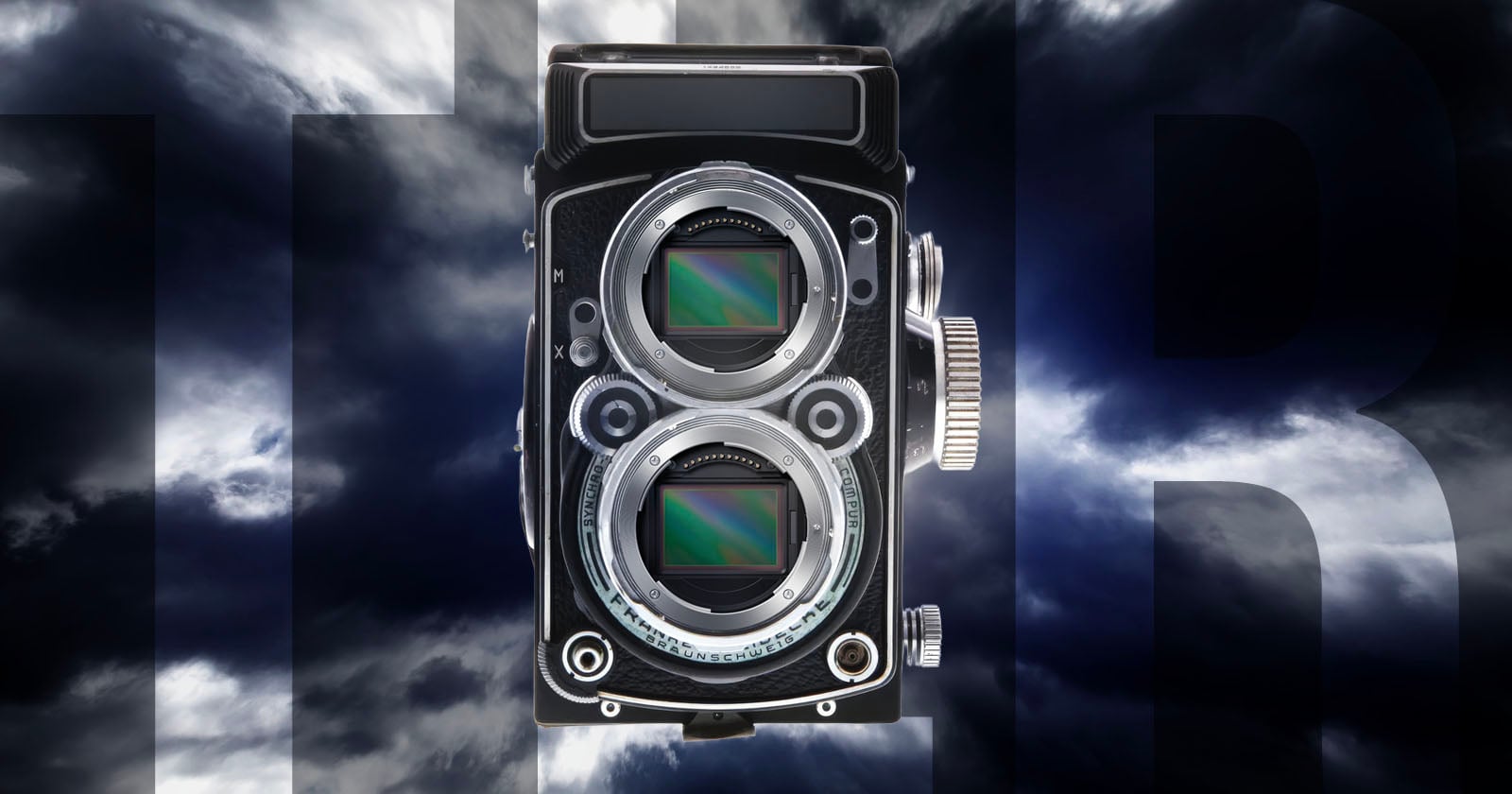
A legitimate digital TLR would require a dual-sensor architecture. If we look at the current state of sensor technology, an APS-C or even a full-frame sensor is now small enough to fit within the confines of a traditional TLR chassis. By integrating two separate sensors—one for the "viewfinder" (sending a live feed to a high-resolution top-mounted OLED) and one for the "taking" lens—we could finally solve the age-old problem of focal length limitations.
Proposed Configuration:
- Dual-Primes: By utilizing two lenses of different focal lengths (e.g., a 35mm equivalent on the top and a 50mm or 85mm equivalent on the bottom), a photographer could switch perspectives instantly by simply toggling the sensor output.
- Parallax Correction: Digital processing can easily compensate for the slight vertical offset between the lenses, a feat that was notoriously difficult in the film era.
- The "Digital Waist" Experience: A high-refresh-rate, top-mounted electronic viewfinder would eliminate the left-to-right reversal that hindered traditional TLRs, making composition more intuitive for the modern user.
Industry and Community Responses
The photographic community remains divided. Traditionalists argue that the "soul" of a TLR is found in its mechanical film advance and ground-glass spontaneity. Critics, however, point to the inherent technical risks.
"The cost of a dual-sensor, dual-lens system would be prohibitive," says one lead product designer at a major imaging firm who wished to remain anonymous. "You are essentially asking the consumer to buy two cameras in one. The R&D costs for a dedicated image pipeline that processes two distinct focal lengths simultaneously are massive compared to a standard fixed-lens camera."
Yet, the success of boutique camera makers like Leica and Fujifilm, who have thrived by focusing on the "experience" of photography rather than raw spec-sheets, suggests that the market is willing to pay a premium for a unique shooting experience. If a manufacturer were to position a digital TLR as a high-end, limited-run "lifestyle" camera, the barriers to entry might be lower than the mass-market data suggests.
Implications: A New Path for Photography
The implications of a successful digital TLR are profound. It would represent a shift away from the "one camera does all" philosophy toward a "one camera provides a specific vision" philosophy.
- A Shift in Street Photography: By returning to the waist-level posture, photographers would be less intrusive, leading to more authentic candid work.
- Workflow Discipline: By forcing a square crop or a dual-lens limitation, the digital TLR would encourage photographers to slow down, focusing on composition over the "spray and pray" mentality that current high-burst-rate cameras encourage.
- Cultural Longevity: The TLR design is timeless. A digital version would have a shelf life measured in decades rather than the three-year upgrade cycle of current mirrorless bodies.
Conclusion
The digital twin-lens reflex camera is not a technological impossibility; it is a design choice. While the risk of development is significant, the reward is a product that resonates with the core human desire to connect with the world in a meaningful, deliberate way. We have spent the last two decades obsessing over how many frames per second a camera can shoot. It is time we start asking what the camera makes us feel.
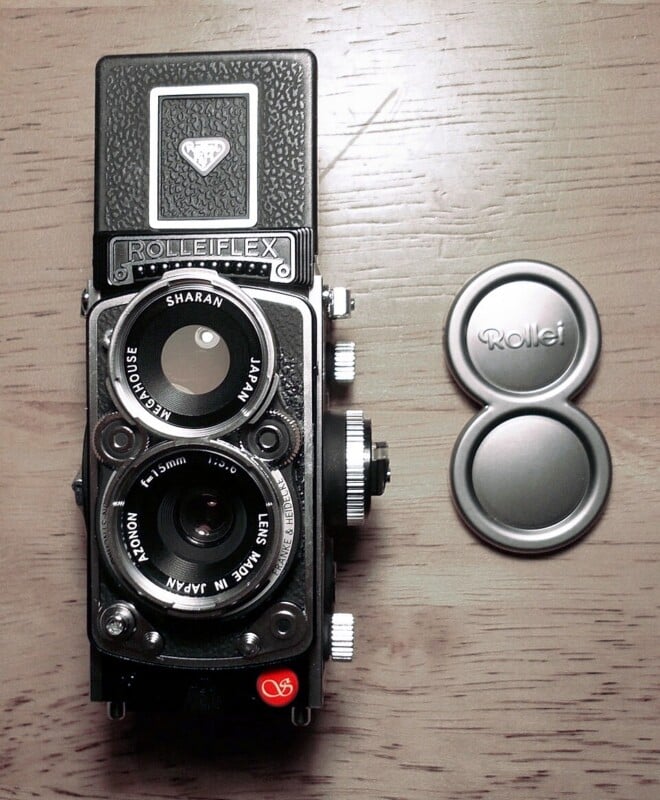
If the industry is willing to embrace the challenge, a digital TLR could be the ultimate companion—a bridge between the charm of the past and the capabilities of the future. The camera is ready to be born; we are only waiting for the manufacturer brave enough to build it.
 Raul Delapena Setiawan
  rifanmuazin
  Ammar Sabilarrohman