
 By Suro Senen
In the fast-paced world of consumer retail, few items have managed to polarize the internet quite like a simple package of frozen water. Aldi, a chain historically revered for its no-frills, budget-friendly approach to grocery shopping, has recently waded into the premium cocktail market with a product that has left shoppers scratching their heads: a four-pack of "Crystal Clear" ice cubes retailing for $4.99.
The launch has ignited a firestorm on social media, particularly on Reddit, where users are debating the intersection of convenience, luxury, and the identity of a discount-focused brand. As the debate rages on, the product has become a case study in how modern grocery stores are attempting to cater to the "home mixologist" trend while balancing their reputations as affordable retailers.
The Chronology of a Viral Debate
The controversy began when observant shoppers started noticing a new, high-end item nestled among the frozen vegetables and bargain-bin appetizers in Aldi’s freezer cases. The product consists of four perfectly square, 1.75-inch ice cubes, marketed as being made from "ultra-pure" water.
Within days, the product surfaced on Reddit, sparking two primary threads that captured the conflicting sentiments of the customer base. The initial post, titled "This is a joke, right?", questioned the value proposition of paying over a dollar per cube of ice. The comments section quickly became a battleground. One camp argued that the price point was an affront to the store’s core demographic, while another camp defended the product as a niche, labor-saving luxury item.
The debate quickly moved beyond price, touching on the broader question of what Aldi should—and should not—sell. As the conversation progressed, the focus shifted from the absurdity of the price to the technical difficulty of achieving such clarity at home, drawing in amateur bartenders and kitchen scientists alike.
The Science of the Cube: Why Clarity Matters
To understand why a company would charge $5 for four cubes of ice, one must first understand the physics of freezing. The cloudiness commonly seen in home-made ice is not merely an aesthetic concern; it is a byproduct of trapped air bubbles and mineral impurities. When water freezes rapidly from all sides—as is the case with standard plastic ice trays—these impurities are pushed toward the center of the cube, creating a white, fractured core.
Aesthetics and Dilution
Professional bartenders prioritize crystal-clear ice for two primary reasons. First, the visual presentation of a high-end cocktail, such as an Old Fashioned or a Negroni, is significantly elevated by a clear, large-format cube. Second, and perhaps more importantly, the density of clear ice is superior to that of cloudy ice. Impurities and air pockets cause ice to melt unevenly and rapidly, which dilutes a drink before the drinker can enjoy it. By removing these impurities, the ice melts at a slower, more controlled rate, maintaining the integrity of the spirit.
The Difficulty of DIY
For those skeptical of the $5 price tag, proponents of the product point to the labor-intensive nature of creating clear ice at home. Achieving "crystal clear" results typically requires a technique known as "directional freezing." This involves insulating the bottom and sides of a container so that the water freezes slowly from the top down, pushing all trapped air and minerals into a small, non-frozen section at the bottom.
This process often requires specialized, expensive equipment, such as insulated directional freezing molds or clear ice makers that retail for significantly more than a $5 pack of store-bought cubes. For the average consumer who lacks the freezer space or the patience to wait 24 to 48 hours for a single batch of clear ice, the convenience of purchasing it ready-made becomes a compelling argument.
Retail Implications: Is Aldi Changing Its stripes?
The presence of "premium" items in a budget store is not a new phenomenon, but the intensity of the reaction to the ice cubes suggests a deeper tension regarding the store’s brand identity.
The Misconception of the "Discount" Store
While Aldi is widely categorized as a "discount" grocery store, industry analysts often argue this is a misconception. Aldi is better defined as a "limited-assortment" retailer. By keeping overhead low—through such strategies as charging for carts and limiting shelf displays—Aldi can offer high-quality goods at prices that compete with major chains.
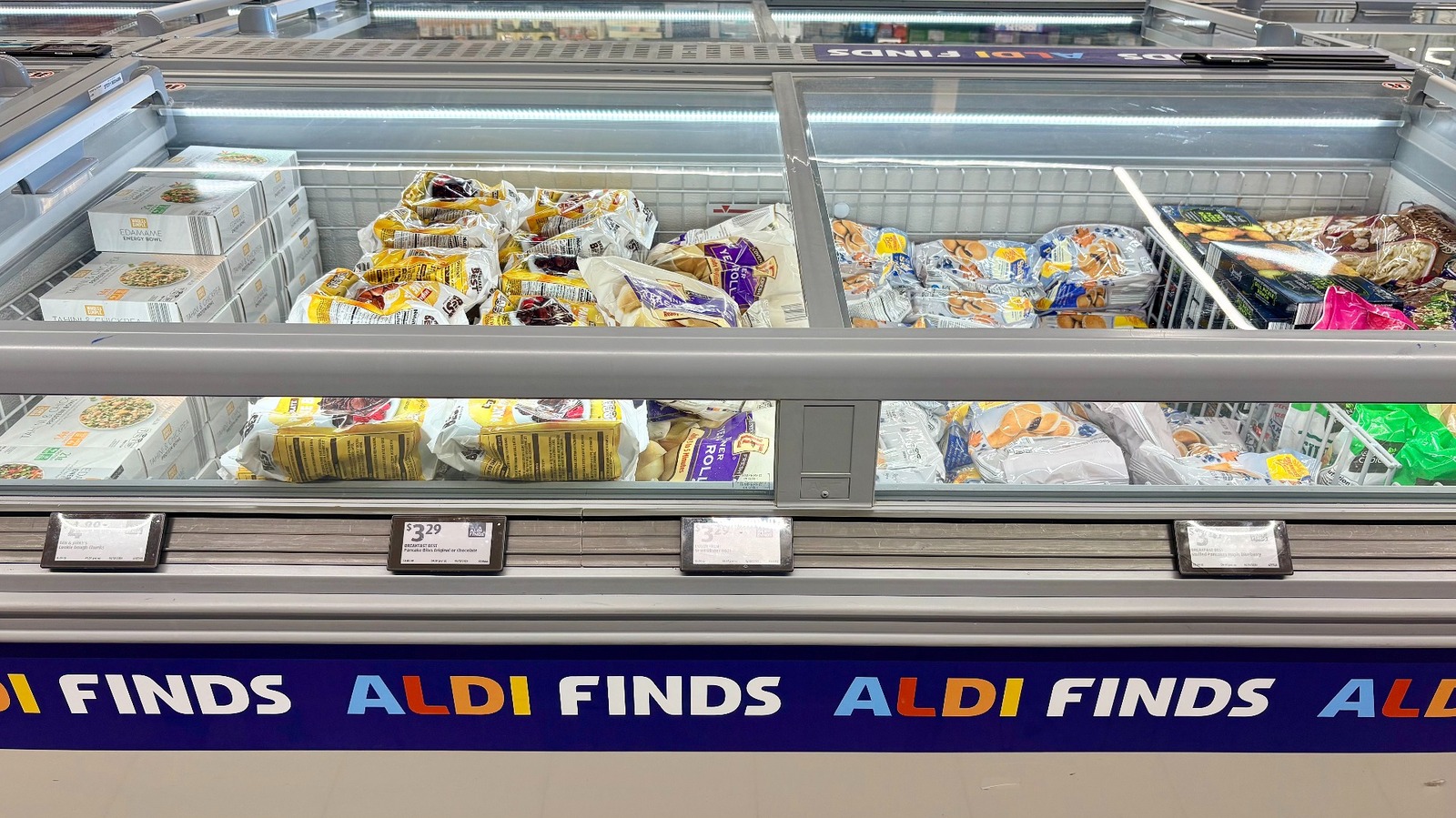
However, the store has long utilized "Special Buys" or "Aldi Finds" to rotate in unexpected, higher-margin items. The Crystal Clear Ice fits squarely into this strategy. It is not intended to be a staple item like milk or eggs; it is a seasonal or niche offering designed to test whether the Aldi shopper is willing to pay for "premium" lifestyle goods.
The "Mixology" Trend
The rise of the home bartender, accelerated by the global pandemic, has turned cocktail-making into a popular hobby. Retailers are racing to capitalize on this by offering high-end cocktail cherries, specialized bar tools, and now, luxury ice. The controversy, therefore, is not necessarily about the ice itself, but about whether the average Aldi shopper is the target audience for this kind of "aspirational" consumption.
Consumer Perspectives: The Great Divide
The feedback from the public remains sharply divided, reflecting a broader cultural split regarding luxury spending.
- The Pragmatists: These shoppers argue that the product is a blatant waste of money. Their view is that ice is a fundamental commodity that should be virtually free, and that charging $5 for a consumable that melts in minutes is a predatory retail tactic.
- The Convenience Seekers: These shoppers represent the growing demographic of consumers who are willing to pay for "time." For a host planning a dinner party, the ability to grab a bag of professional-grade ice without having to dedicate freezer space or prep time is seen as a valuable service, not a ripoff.
- The Purists: A segment of the population, particularly those who already make their own clear ice, find the product redundant. They argue that with a little bit of science and an investment in a $20 silicone mold, one can produce a lifetime of clear ice, rendering the store-bought version unnecessary.
How to Achieve Professional Results at Home
For readers intrigued by the "Crystal Clear" aesthetic but deterred by the $5 price tag, achieving this look at home is entirely possible with a few adjustments to your process.
1. The Boiled Water Method
Boiling your water twice before freezing can help remove dissolved gases that cause cloudiness. While this does not guarantee perfect clarity on its own, it is a crucial step in reducing the "white core" effect.
2. Directional Freezing
As noted, insulation is the key to clarity. If you do not wish to purchase a specialized kit, you can place a standard silicone mold inside a small, insulated cooler or a Styrofoam box. By leaving the top open and insulating the other five sides, the water will freeze from the top down.
3. The Timing Factor
The secret to success often lies in the removal process. If you are using a basic tray, check your ice before it is fully frozen. If you can remove the cubes when the bottom layer is still liquid (containing the trapped minerals), you can dump the slush and be left with a perfectly clear, solid block of ice.
Conclusion: A Sign of the Times
Whether one views Aldi’s premium ice as a brilliant retail maneuver or a sign of consumer inflation, the product has undoubtedly succeeded in one area: it has captured the public’s attention. It serves as a reminder that even the most mundane household items are being reimagined for a modern, convenience-driven market.
As Aldi continues to evolve, shoppers can likely expect to see more of these "lifestyle" products appearing in their aisles. For now, the verdict on the $5 ice remains in the hands of the consumer. If the product flies off the shelves, it may well become a permanent fixture in the Aldi freezer case, proving that even in a world of budget shopping, there is always room for a little bit of luxury—at a price.
 Azzam Bilal Chamdy
  Lina Irawan
  Lina Hope