
 By Muslim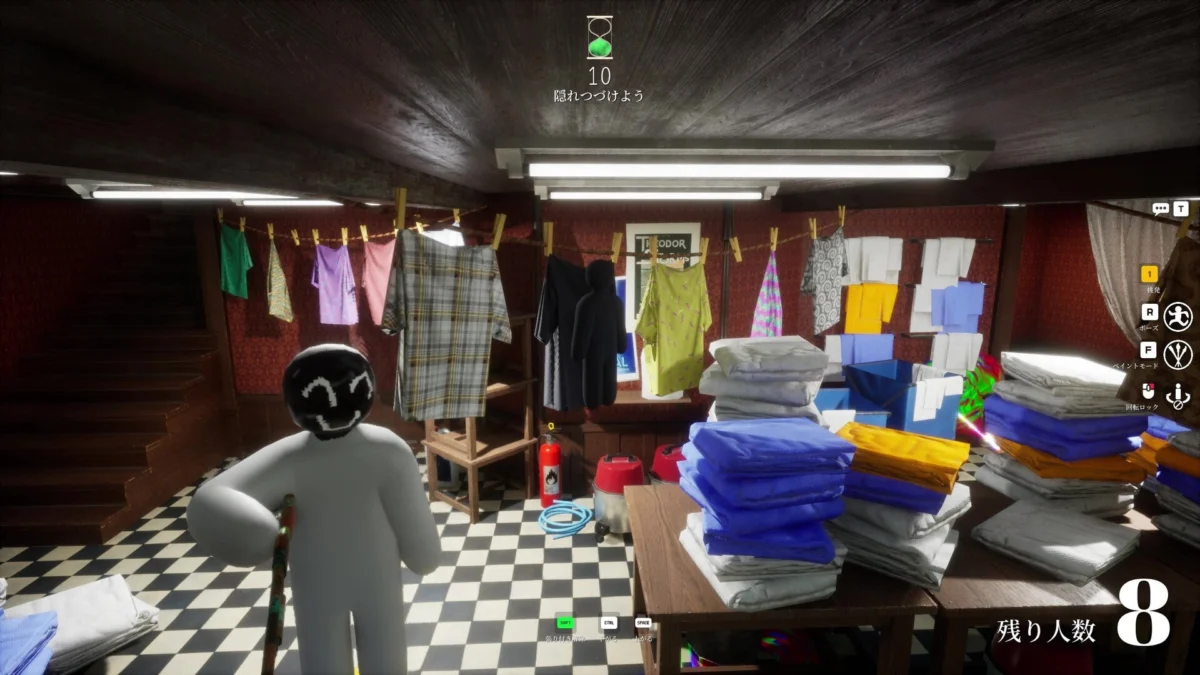
In the landscape of modern digital entertainment, the "overnight success" is a rare, almost mythical occurrence. Triple-A studios spend years and hundreds of millions of dollars attempting to manufacture viral hits, yet it is often the modest, indie-developed projects that capture the collective imagination of the gaming public. The latest—and perhaps most explosive—example of this phenomenon is Meccha Chameleon, a social hide-and-seek title that has achieved the unthinkable: selling 15 million copies in less than a month.
What began as a quiet release on the Steam marketplace has blossomed into a global cultural touchstone. By bridging the gap between casual accessibility and high-stakes social deduction, Meccha Chameleon has solidified its position alongside modern titans like Among Us and Lethal Company.
The Main Facts: A Meteoric Rise
The numbers surrounding Meccha Chameleon are nothing short of staggering. Having initially moved 10 million units in a whirlwind 16-day period, the game has now surpassed the 15-million-copy threshold in under 30 days.
Available at the highly accessible price point of £5.29, the game represents a sharp departure from the industry’s increasing trend toward £60–£70 price tags for new releases. This pricing strategy, coupled with a gameplay loop that is inherently "streamable" and viral-friendly, has allowed it to penetrate demographics that often sit outside the traditional core gaming audience. With over 45,300 user reviews on Steam, the game maintains a "Very Positive" rating, with an 85 percent approval rate, signaling that its popularity is driven as much by quality and community engagement as it is by viral momentum.
Chronology of a Viral Sensation
The trajectory of Meccha Chameleon serves as a case study for effective community management and rapid-response development.
- Launch Week: The game debuted with little fanfare but immediate organic growth. Its core mechanics—a refined take on the classic hide-and-seek formula—resonated immediately with content creators on Twitch and YouTube, who found the game’s tension and humor perfect for broadcast.
- The 10-Million Milestone (Day 16): Just over two weeks after launch, the developer announced that the game had reached 10 million sales. This milestone effectively cemented the game’s status as a breakout hit, moving it from a "hidden gem" to a mainstream must-play.
- The Japan-Themed Update: Following the seven-million-sales milestone, the developer implemented a significant content drop: a new, Japan-themed map. This move demonstrated a commitment to rewarding the player base, further incentivizing repeat play and social sharing.
- The 15-Million Milestone (Day 28): By the one-month mark, the game had surged to 15 million units sold, a feat that places it in the company of the most successful independent titles in history.
Supporting Data: Why It Works
To understand Meccha Chameleon, one must look at the "Social Co-op" genre. Much like REPO or Lethal Company, the game thrives on emergent gameplay. Because the "fun" is generated by the players themselves rather than rigid scripted events, the replayability factor is theoretically infinite.
The economic model is equally vital to this success. At £5.29, the barrier to entry is negligible. In a market where high-profile games like 007: First Light retail for £59.99, Meccha Chameleon offers a value proposition that is hard for a consumer to ignore. When a group of friends can buy the game for the price of a single lunch, the "network effect"—where friends invite friends to play—accelerates exponentially.
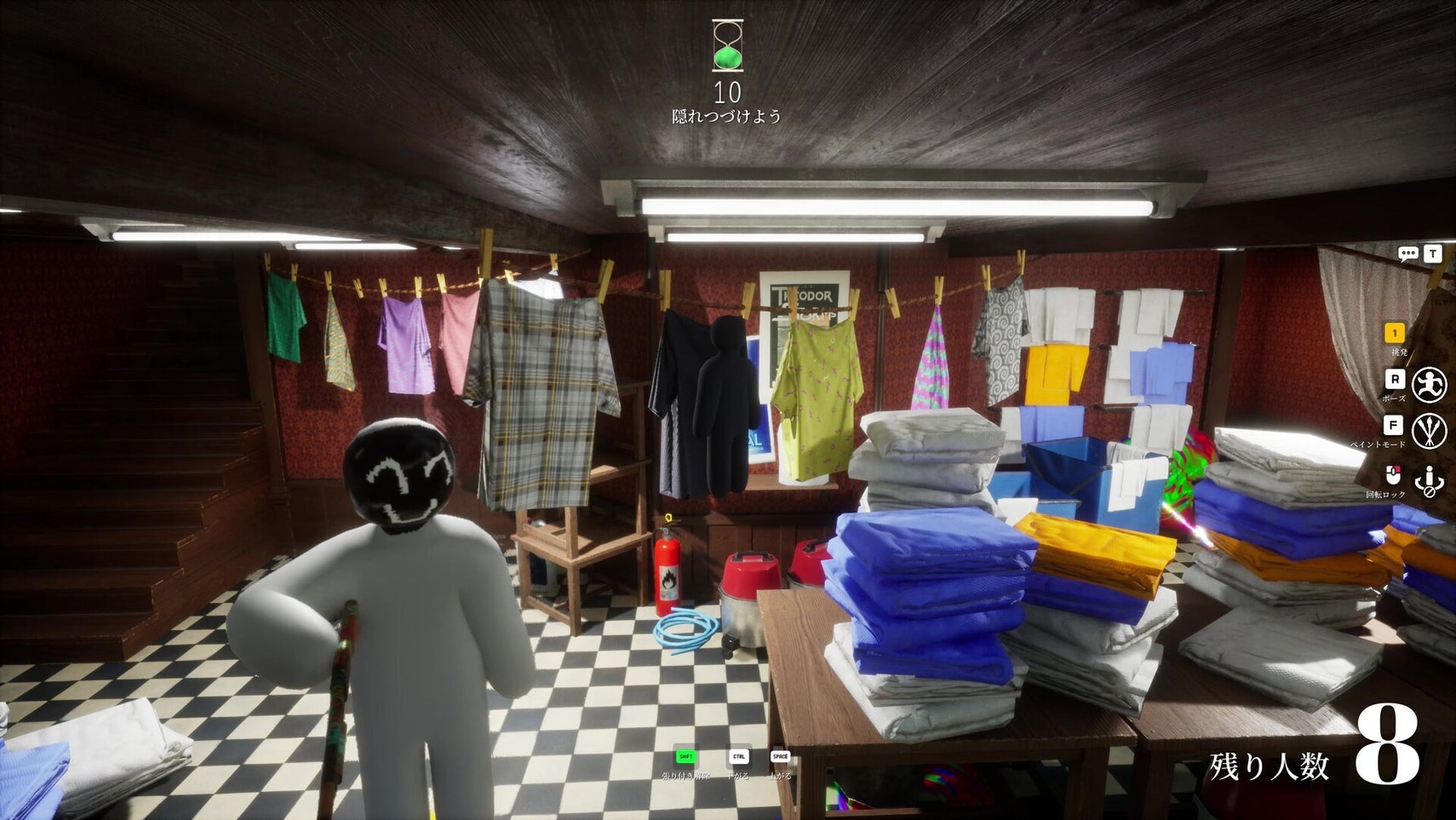
Furthermore, the game’s visual identity—featuring a surreal, humanoid figure with a black smiley-face mask—has become an instantly recognizable icon. This branding, which borders on the uncanny, provides the perfect aesthetic for memes and social media thumbnails, ensuring the game remains visible even when people aren’t actively playing it.
Official Responses and Future Outlook
In the wake of their success, the developers have remained characteristically humble yet proactive. In a brief statement on their Steam store page, the team offered a simple "thanks a million" to their fans. However, they were quick to pivot toward the future, announcing that a "new collaboration with a famous Japanese star" is scheduled to drop next week.
This announcement serves two purposes. First, it keeps the existing player base engaged, ensuring that those who have already "beaten" the game have a reason to return. Second, it signals to the industry that the developers are treating this not as a fleeting fad, but as a long-term service title. Collaborations of this nature often bridge the gap between niche gaming culture and mainstream pop culture, potentially exposing the game to an even wider audience in Japan and abroad.
Implications for the Industry
The success of Meccha Chameleon sends a clear, perhaps intimidating, signal to major publishers. The traditional model of massive marketing budgets and hyper-realistic graphics is no longer the only path to commercial dominance.
1. The Rise of "Micro-Indies"
Large publishers often dismiss games priced under £10 as "budget" titles. Meccha Chameleon proves that a low price, combined with viral-ready mechanics, can generate revenue that rivals or exceeds triple-A titles. By prioritizing fun, accessibility, and community interaction, these "micro-indies" are capturing market share that was previously thought to be exclusive to major studios.

2. The Power of Content Creators
The game’s success is a direct result of its performance on social media and streaming platforms. Developers are increasingly designing games that are "fun to watch." By creating moments of high tension or absurdity that are easily clipped and shared, Meccha Chameleon essentially markets itself. The era of the television commercial is over; the era of the viral clip is here.
3. Sustainability and Scale
The primary challenge for the developers now is scale. Maintaining the infrastructure required to support 15 million players, while simultaneously developing new content and managing community expectations, is a monumental task for a small team. Industry analysts will be watching closely to see if they can transition from a "one-hit wonder" to a studio with a sustainable roadmap.
Conclusion: A New Standard for Engagement
Meccha Chameleon is not just a game; it is a testament to the power of the player-led experience. It has stripped away the bloat of modern gaming to reveal the core of what makes video games work: human connection, a simple set of rules, and the joy of a well-played game of hide-and-seek.
As the developers prepare for their next collaboration, the gaming world waits with bated breath. Whether this momentum can be sustained indefinitely remains to be seen, but one thing is certain: Meccha Chameleon has already left an indelible mark on the history of independent game development. It is a reminder that in a world of high-definition, high-cost blockbusters, sometimes the most successful path forward is to keep it simple, keep it cheap, and most importantly, keep it fun.
 Sagoh
Sagoh  Lina Irawan
  Asep Darmawan