
 By Evan Lee Salim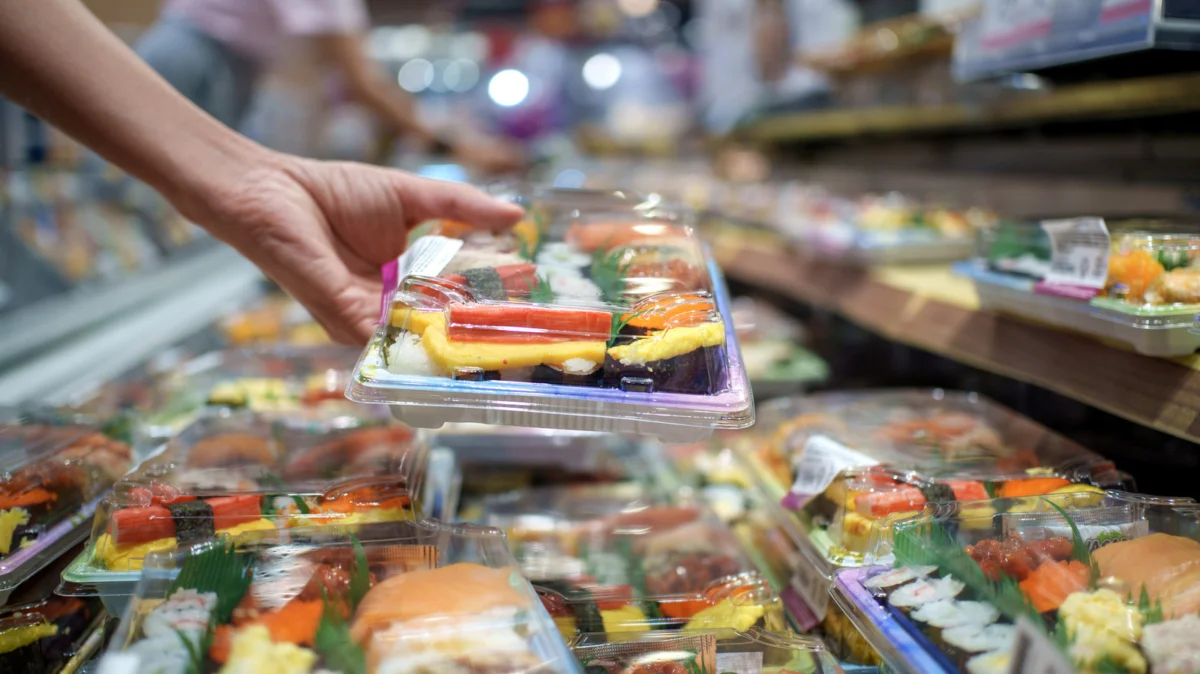
For decades, the standard grocery store sushi experience was defined by mediocrity: pre-packaged, refrigerated rolls with rice that bordered on cardboard-like, often relegated to the back of the store near the wilted lettuce. However, a seismic shift has occurred in the supermarket landscape, particularly across the American South. While national titans like Costco and Sam’s Club have attempted to capture the quick-lunch crowd with various seafood offerings, one regional grocery giant has quietly outperformed them all: Publix.
By elevating the humble supermarket roll from a "last resort" lunch to a genuine culinary convenience, Publix has transformed the expectations of budget-conscious foodies. But what exactly separates their sushi program from the rest of the pack, and why is it currently considered the gold standard for grocery-bound raw fish?
The Anatomy of the Publix Advantage
To understand the popularity of Publix sushi, one must look at the operational partnership that powers it. Unlike many competitors who rely on generic, third-party distributors that prioritize shelf-life over flavor, Publix operates in a strategic partnership with Zenshi Handcrafted Sushi, a premium brand under the Advanced Fresh Concepts (AFC) umbrella.
This is not a case of simple rebadging. Zenshi represents a higher tier of service within the AFC ecosystem. Because of this specialized collaboration, the ingredients—from the quality of the nori to the sourcing of the fish—appear to occupy a higher bracket than the standard, mass-produced fare found in other national chains.
Furthermore, the consistency is a major differentiator. The rice—the foundation of any great roll—is prepared with a careful balance of rice vinegar, sugar, and salt, providing that essential "vinegary bite" without being cloying. The accompanying condiments are also more generous than the industry average, with portion-controlled packets of wasabi that actually deliver heat and pickled ginger that serves as a crisp, clean palate cleanser between bites.
Chronology of a Sushi Success Story
The rise of the Publix sushi counter wasn’t an overnight phenomenon. It was the result of a long-term commitment to the "in-store experience."
- The Early Years: Publix initially introduced sushi as a niche convenience item, much like their competitors. It was functional, but rarely celebrated.
- The Zenshi Integration: Recognizing the demand for higher quality, the chain moved toward the Zenshi model, focusing on visible, on-site preparation. This allowed customers to see chefs at work, bridging the gap between "pre-packaged" and "freshly prepared."
- The "Five-Dollar Wednesday" Phenomenon: Perhaps the most significant milestone in the program’s history was the introduction of the Wednesday discount. By pricing specific, popular rolls at a $5 price point, Publix effectively gamified the grocery run, creating a weekly ritual for loyal shoppers.
- Expansion and Refinement: Over the last five years, the menu has expanded from the standard California roll and spicy tuna staples to include more complex, tempura-fried, and fusion-style rolls, mirroring the evolution of American sushi consumption.
Supporting Data: Why Consumers Are Choosing the Counter
The data supporting the dominance of Publix in this sector is largely driven by consumer sentiment and the "value-to-quality" ratio. When compared to warehouse clubs, which often focus on bulk trays that may sit in a cooler for longer periods, the Publix model relies on a "made-to-order" or "made-daily" philosophy.
If a customer approaches the counter and finds their desired roll sold out, Publix staff are frequently trained to accommodate requests for fresh preparation on the spot. This level of personalized service is rarely seen in the frozen-to-thaw logistics of larger retailers.
Furthermore, the price point of $5 on Wednesdays provides a competitive edge that is nearly impossible for local brick-and-mortar sushi restaurants to match. For a professional looking for a quick, under-$10 lunch that isn’t fast food, the Publix sushi bar provides an unrivaled intersection of convenience and value.
Addressing the "Raw Fish" Skepticism: Safety and Standards
One of the most pervasive myths in the retail food industry is that grocery store sushi is inherently unsafe or "lesser" than restaurant-grade fish. However, this perception is increasingly detached from modern food safety realities.
Publix and its partners operate under rigorous health department oversight that rivals—and sometimes exceeds—that of traditional restaurants. Because these counters are located inside a heavily regulated grocery environment, the turnover of product is constant.
- Freshness Rotation: Rolls are crafted fresh daily. The internal policy dictates that yesterday’s inventory is removed, ensuring the "best by" window is strictly enforced.
- Cold Chain Integrity: From the moment the fish is sourced to the moment it arrives at the store, the temperature is monitored. The display cases at Publix are maintained at optimal temperatures to prevent bacterial growth, a standard that is audited regularly.
- Ingredient Integrity: Contrary to the belief that "cheap sushi means cheap fish," the discount rolls sold on Wednesdays utilize the exact same fish, rice, and vegetable components as the full-priced items. The discount is a marketing strategy, not a reflection of inferior inventory.
The Restaurant vs. Retail Divide
It is essential to maintain perspective: Publix sushi is not a replacement for a high-end, omakase-style experience at a dedicated sushi bar. Michelin-starred chefs spend years mastering the art of rice temperature and fish maturation—skills that cannot be replicated in a high-volume supermarket setting.
The taste profile of grocery store sushi is inherently different. It is designed for mass appeal, often relying on sauces (like spicy mayo or eel sauce) to enhance the flavor of the fish. In a traditional restaurant, the fish is expected to stand on its own. However, when the goal is a casual lunch or a quick dinner on a Tuesday night, the comparison to a $100 restaurant meal is moot. Publix has successfully defined its own category: "Premium Convenience."
Implications for the Future of Retail
The success of the Publix sushi model has profound implications for the future of grocery retail. As consumers continue to demand "ready-to-eat" meals that are healthier than traditional fast food, supermarkets are finding that they must evolve into pseudo-restaurants to maintain foot traffic.
We are seeing a move away from the "grocery store as a warehouse" toward the "grocery store as a dining destination." By investing in skilled staff, transparent preparation areas, and high-quality partnerships like Zenshi, Publix has ensured that their sushi department remains a primary destination for shoppers.
As other chains look to compete, they will likely have to abandon the "pre-packaged in a plastic box" model in favor of the fresh, interactive, and service-oriented approach that has made Publix a standout in the South.
Final Thoughts
For the sushi enthusiast who is realistic about their budget and time constraints, the stigma surrounding grocery store sushi is officially outdated. Through a commitment to freshness, safety, and smart pricing strategies, Publix has proven that a supermarket can indeed provide a high-quality product.
Whether you are a college student grabbing a quick snack, a professional on a lunch break, or a family looking for an easy dinner, the Publix sushi counter offers a reliable, tasty, and safe option that puts many other retailers to shame. While it may never replace the artistry of a master sushi chef, for the everyday palate, it is, quite simply, the best of the bunch.
 Azzam Bilal Chamdy
  Lina Irawan
  Lina Hope