
 By Raul Delapena Setiawan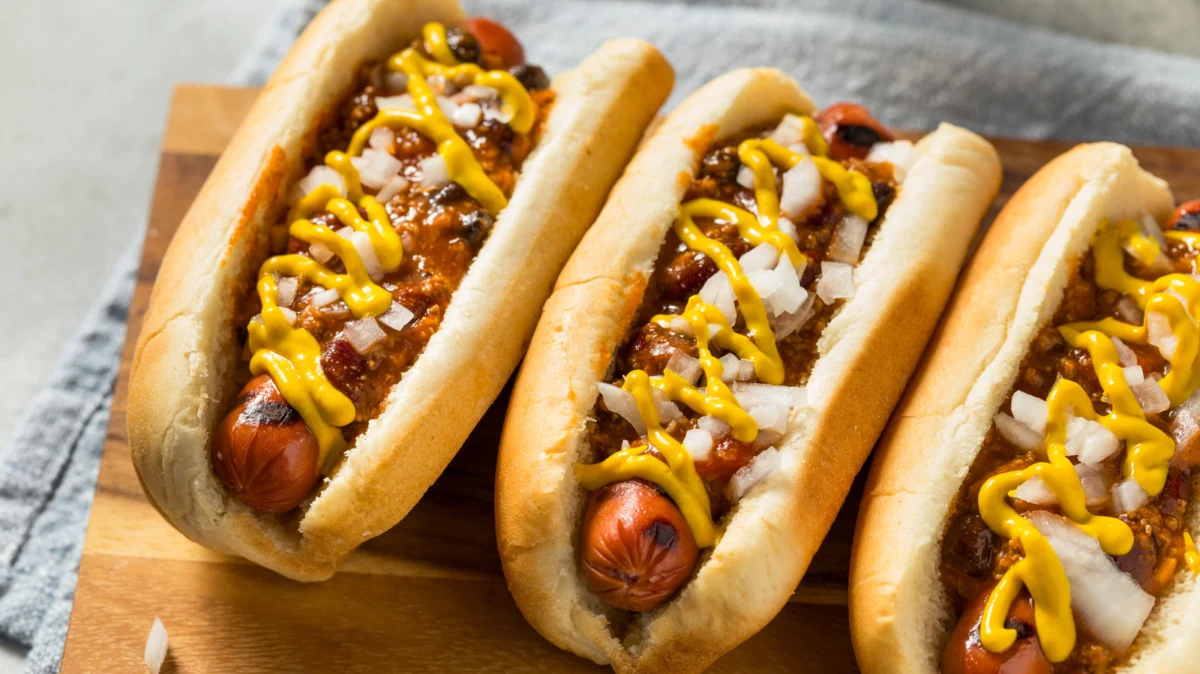
For generations, the humble hot dog has served as the quintessential portable meal—a reliable, budget-friendly staple of American culture. Yet, across the culinary landscape, few variations command the same level of regional devotion and debate as the "Coney Island" hot dog. While often conflated with a standard chili dog, the Coney is a distinct gastronomic entity with its own rigid rules, historical lineage, and specific flavor profile. Understanding the difference between a generic chili dog and a true Detroit-style Coney requires a deep dive into the intersection of midwestern industrial history and Mediterranean culinary influence.
Main Facts: The Trinity of the Coney
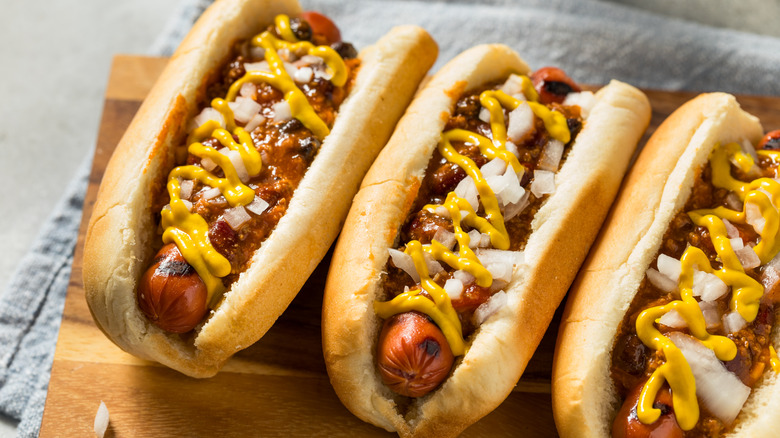
To the uninitiated, any hot dog smothered in meat sauce may look the same. However, purists maintain that a true Coney dog is defined by a strict set of architectural requirements. According to the Detroit Historical Society, a "Coney" is not merely a dish; it is a specific assembly: a beef frankfurter, typically encased in a natural casing to provide that signature "snap," nestled within a soft, steamed bun.
The defining characteristic, however, lies in the "Coney sauce." Unlike the hearty, bean-heavy chili often found at backyard barbecues, authentic Coney sauce is an all-meat, beanless concoction. It is topped with diced white onions and a singular streak of yellow mustard. This triad—meat sauce, onion, and mustard—creates a flavor profile that balances savory, acidic, and pungent notes without the distractions of chunky legumes.
A Chronology of the Coney
The history of the Coney dog is a fascinating tale of immigrant entrepreneurship. Contrary to what the name suggests, the dish did not originate on the boardwalks of Brooklyn. Instead, it was the brainchild of Greek immigrants arriving in Detroit, Michigan, during the early 20th century.
- Early 1900s: Greek immigrants, passing through the actual Coney Island in New York, were inspired by the burgeoning American hot dog culture. As they moved inland to Detroit, they sought to adapt the concept for the local palate.
- 1910s-1920s: Two legendary establishments, American Coney Island and Lafayette Coney Island, were founded by brothers Constantine and Gust Keros. Their rivalry became the stuff of legend, cementing the Coney dog as a cornerstone of Detroit’s culinary identity.
- Mid-20th Century: The dish spread throughout the Midwest, becoming a staple of "Coney Island" restaurants—diners that served as community hubs for factory workers, families, and late-night diners.
- Modern Era: Today, the Coney dog is recognized as a cultural heritage item in Michigan, with the "Detroit-style" label becoming a protected, albeit informal, standard of excellence in the industry.
The Science of the Sauce: Saltsa Kima vs. Standard Chili
Perhaps the most significant point of divergence between a standard chili dog and a Coney dog is the sauce itself. A classic American hot dog chili is often a variation of "Texas-style" chili: beef, tomato paste, chili powder, and cumin. It is frequently thick, chunky, and designed to stand alone as a bowl of food.
In contrast, the Coney sauce draws its lineage from the Greek and Macedonian dish known as saltsa kima. This sauce is closer in texture and aromatic profile to a Bolognese. The inclusion of unconventional aromatics—such as cinnamon, allspice, and clove—provides a subtle, warm depth that contrasts with the saltiness of the beef.
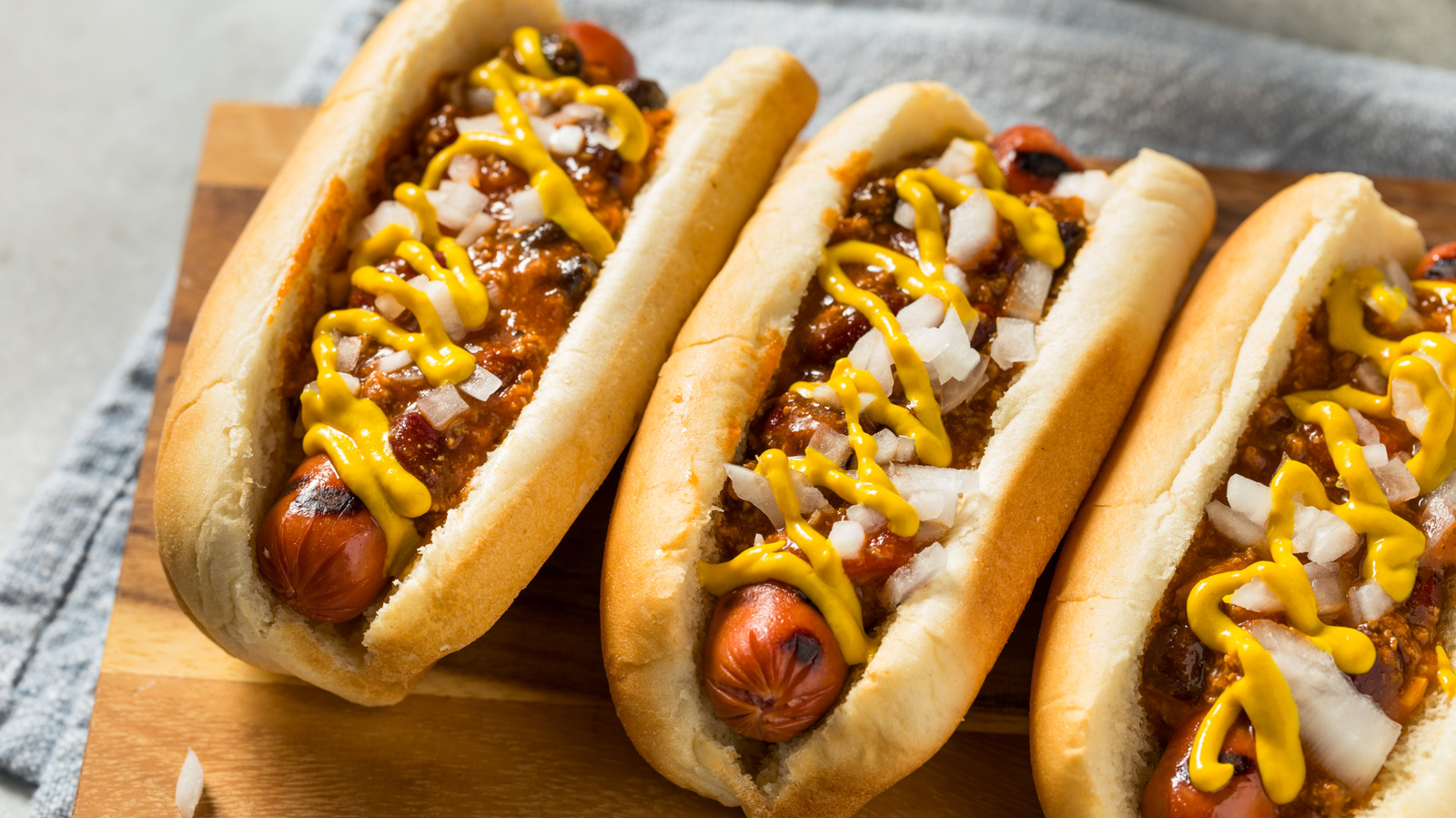
Online communities and culinary historians have noted that the ideal Coney sauce should have a thinner, more refined consistency. This allows the sauce to cling to the hot dog and bun without saturating the bread to the point of structural failure. When prepared correctly, the sauce acts as a condiment rather than a topping, emphasizing the flavor of the frankfurter rather than masking it.
Supporting Data: The Debate Over Assembly
The "perfect" Coney dog is a subject of intense academic and amateur debate. Social media platforms and food forums are frequently filled with arguments regarding the preparation of the frankfurter.
The Boiling vs. Grilling Conflict
While some prefer the char of a grilled dog, the traditional school of thought leans heavily toward the boiled or steamed natural-casing frank. Boiling allows the casing to remain tender, ensuring that when the diner bites into the dog, they experience that characteristic "pop." A grilled dog, while delicious in other contexts, is often considered too dry to pair with the fine-ground texture of authentic Coney sauce.
The Bun-to-Dog Ratio
The bun is not merely a vessel; it is a critical component. A standard-sized, steamed, high-gluten white bun is the industry standard. Because the sauce is designed to be ladled over the top, the bun must be soft enough to absorb some of the meat juices but sturdy enough to hold the structural integrity of the sandwich. If the frankfurter is too thick, it throws off the ratio, resulting in a mouthful of meat that lacks the necessary contrast from the mustard and the sweetness of the steamed bun.
Official Responses and Culinary Consensus
Industry experts and the owners of historic Detroit institutions generally agree on one cardinal rule: Beans do not belong in a Coney dog.
The inclusion of beans changes the texture of the sauce from a refined, savory topping to a rustic stew. In a professional kitchen setting, the beanless sauce is preferred because it offers a "homogeneous texture." This consistency ensures that every bite is identical, providing a balanced experience of heat, salt, acid, and texture.
"The beans are a distraction," says one local operator. "When you eat a Coney, you want the snap of the casing and the tang of the mustard. A bean adds a mushy element that doesn’t fit the profile of the sauce."
Implications for Home Cooks and Food Enthusiasts
For those looking to recreate the Coney experience at home, the transition from "chili" to "Coney sauce" requires a shift in methodology.
The Slow-Cooker Advantage
Simmering the meat in a slow cooker for several hours is essential. This process breaks down the proteins and allows the spices—specifically the cinnamon and garlic—to permeate the beef. As the meat softens, it creates that signature uniform texture that characterizes a high-quality sauce.
Versatility Beyond the Bun
One of the most appealing aspects of a well-made Coney sauce is its versatility. Because it lacks the overwhelming tomato and bean profile of traditional chili, it serves as an excellent "meat gravy."
- Nachos: Drizzle the sauce over corn chips with melted cheese.
- Pasta: Swirl it into spaghetti, similar to a Greek-style meat sauce.
- Toasts: Use it as a filling for gourmet grilled cheese sandwiches, adding a layer of savory complexity to the melted cheddar.
Conclusion: A Culinary Legacy
The Coney chili hot dog is more than just a quick bite; it is a testament to the influence of immigrant cultures on the American palate. By rejecting the hearty, chunky nature of the standard chili dog in favor of a refined, spiced, meat-based sauce, the Coney achieves a level of balance that has kept it on menus for over a century. Whether you are visiting a historic establishment in Detroit or attempting to recreate the magic in your own kitchen, the key remains in the details: the snap of the natural casing, the simplicity of the mustard and onion, and, above all, the absence of the bean. In a world of over-complicated "gourmet" hot dogs, the Coney stands as a reminder that sometimes, the most sophisticated flavors are found in the most traditional, humble, and carefully curated recipes.
 Azzam Bilal Chamdy
  Lina Irawan
  Lina Hope