
 By Layla Zulfa
If you have found yourself shopping for a new laptop, tablet, or smartphone recently, you have likely encountered a frustrating reality: prices are rising, and the hardware specs seem to be standing still. The era of "more for less"—where tech inevitably becomes cheaper and faster every year—has been temporarily suspended. We are currently in the grip of a global RAM crisis, a supply chain bottleneck that is forcing major manufacturers to pass significant costs onto consumers for devices that are often identical to their predecessors.
For the creative professional, whose livelihood depends on the performance of these machines, this shift is more than just a nuisance; it is a structural change to the cost of doing business.
The Core of the Crisis: Why Memory is the New Gold
The root of the problem lies in the skyrocketing demand for Random Access Memory (RAM). As the tech industry shifts its focus toward massive Artificial Intelligence infrastructure, the world’s leading data centers are consuming the lion’s share of available high-bandwidth memory chips.
When giants like Apple, Microsoft, Samsung, and Dell compete for the same supply of semiconductor components, the market economics are simple: supply is low, demand is at an all-time high, and the price of memory has surged. To maintain profit margins, these companies have been forced to increase the retail prices of their hardware. In some cases, we are seeing price hikes of up to $500 for devices that haven’t seen a meaningful internal update in over a year.
A Chronology of the Slowdown
The decline of the "Moore’s Law" pricing model didn’t happen overnight.
- 2022-2023: The post-pandemic tech boom began to level off, but the rapid acceleration of Large Language Models (LLMs) and generative AI triggered a sudden, massive investment in GPU-heavy data centers.
- Early 2024: Industry analysts began noting that while CPU performance was still incremental, the "sticker price" of flagship laptops began to creep upward, even as the base memory configurations remained stagnant.
- Late 2024: The RAM shortage moved from a localized supply chain issue to a structural crisis. Major manufacturers began signaling that they could no longer subsidize component costs.
- 2025 and Beyond: Current market forecasts suggest this high-price environment is not a temporary blip. Experts now predict that the memory market may not reach a stable equilibrium until 2030, marking the longest period of sustained hardware inflation in the modern era.
Supporting Data and Economic Realities
The data behind this trend is sobering. Because RAM is now a mission-critical component for AI training, DRAM (Dynamic Random Access Memory) prices have decoupled from consumer electronics cycles.
According to recent supply chain reports, memory manufacturers are prioritizing the production of High Bandwidth Memory (HBM)—the specific type of RAM required for AI accelerators—over the standard DDR5 or LPDDR5 memory used in consumer laptops. This has created a "shadow tax" on every consumer device sold. A laptop that cost $1,500 two years ago now carries a price tag of $1,800 to $2,000, despite offering the same processor and the same amount of RAM.
Official Industry Responses
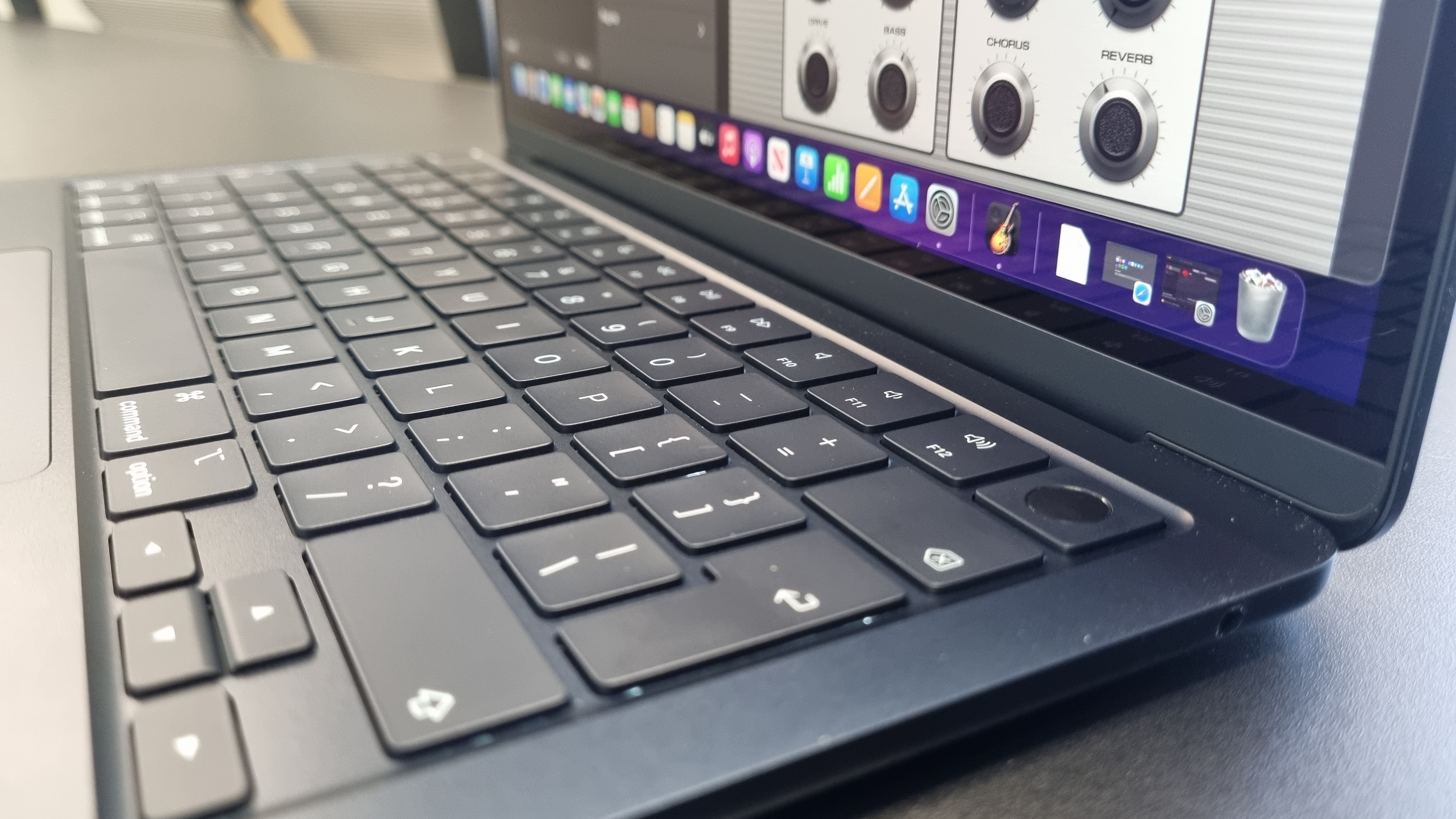
While companies like Apple and Dell rarely comment on specific component shortages in public earnings calls, their shift in product strategy speaks volumes. We have seen a move toward "Unified Memory" architectures where RAM is soldered directly onto the motherboard. While this allows for better performance efficiency, it also prevents the user from upgrading their machine later, effectively forcing them to "buy up" to higher memory tiers at the point of purchase.
In recent industry briefings, executives from semiconductor firms have acknowledged the shift, noting that the "AI-driven demand cycle is unlike any previous surge." They argue that the focus on high-performance AI chips is necessary for the long-term evolution of computing, though they offer little comfort to the graphic designer or photographer who simply needs a reliable workstation.
Implications for the Creative Industry
For creatives, the implications are profound. Traditionally, professionals upgraded their machines every three to four years to keep pace with software requirements. That cycle is now under threat.
The "buy the best you can afford" mantra is becoming increasingly dangerous. With high-end specs now carrying a massive, AI-inflated premium, over-specifying a machine—buying more power than you actually need—is no longer a safe "future-proofing" strategy; it is a significant financial liability.
Strategic Upgrades: How to Navigate the Market
If you find yourself needing a new machine in this climate, you must shift your buying philosophy from "upgrading" to "optimizing." Here are the best ways to approach your next purchase without overpaying.
01. Buy Sooner, Not Later
If your current equipment is nearing the end of its life, delaying a purchase in hopes of a price correction is a losing strategy. Every current forecast indicates that prices will remain elevated through 2026 and into 2027. If a purchase is inevitable, bringing it forward is the most logical path to avoiding further potential price hikes.
02. The "Refurbished" Advantage
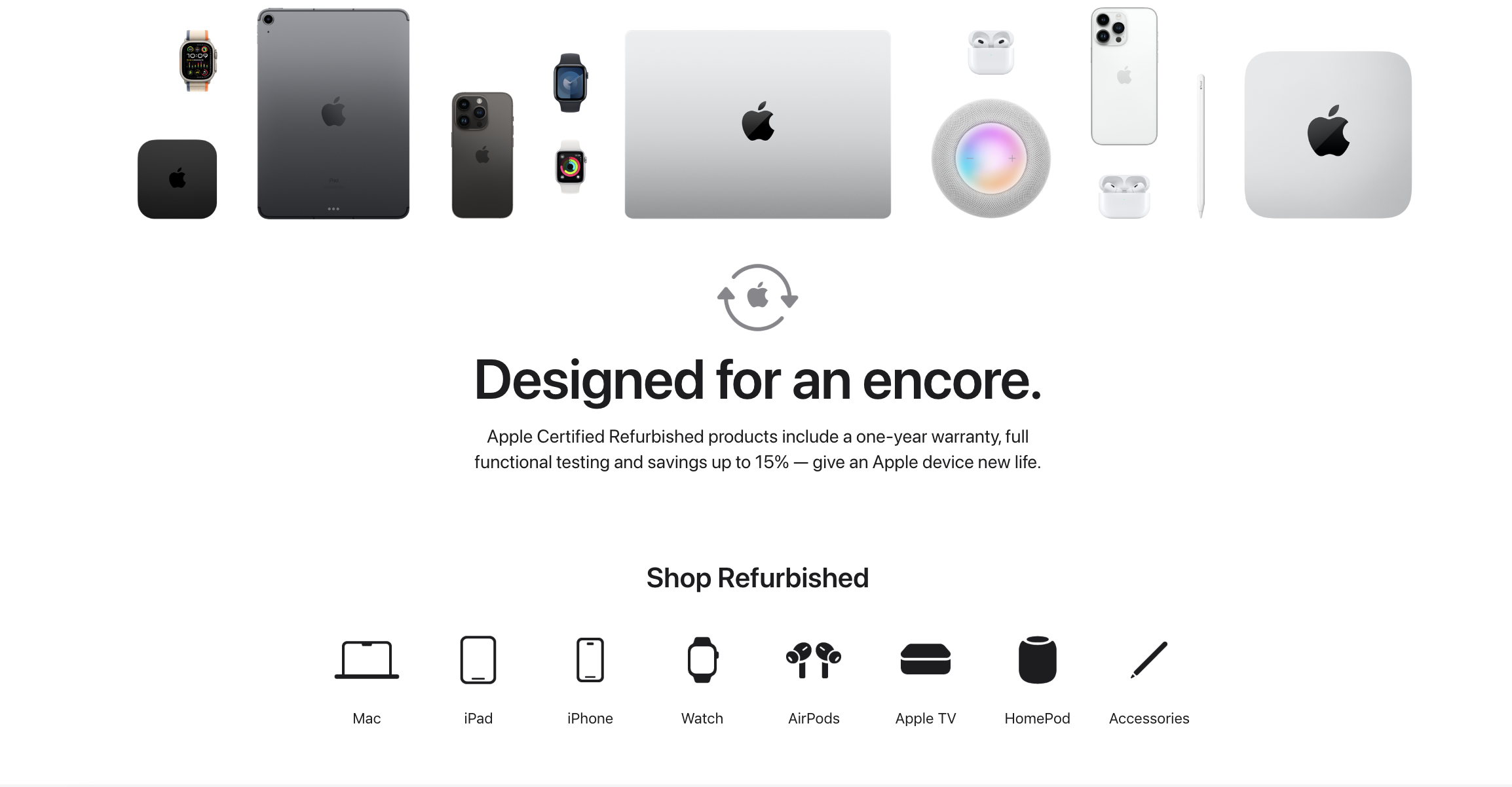
Refurbished electronics have become the most sensible purchase in the current market. Because these devices were built and priced before the current RAM shortage hit its peak, they are often significantly cheaper than their new counterparts. Reputable "Certified Refurbished" programs from major manufacturers offer warranties that are nearly identical to new products, providing a safe harbor from inflated MSRPs.
03. Target the "Previous Generation"
When retailers release new models, they are desperate to clear out the previous year’s stock. A 2024 flagship laptop is often more than capable of handling 90% of creative workflows (graphic design, web development, copywriting) and can often be found at a deep discount compared to the 2025 version, which offers only marginal performance gains.
04. Prioritize Repair and Maintenance
Before clicking "buy," ask if your current machine is truly obsolete. Often, what feels like hardware failure is actually software clutter. A fresh OS installation, a battery replacement, or moving files to an external SSD can breathe new life into a machine. If your hardware is the bottleneck, professional repair services are almost always more cost-effective than buying a new, premium-priced unit.
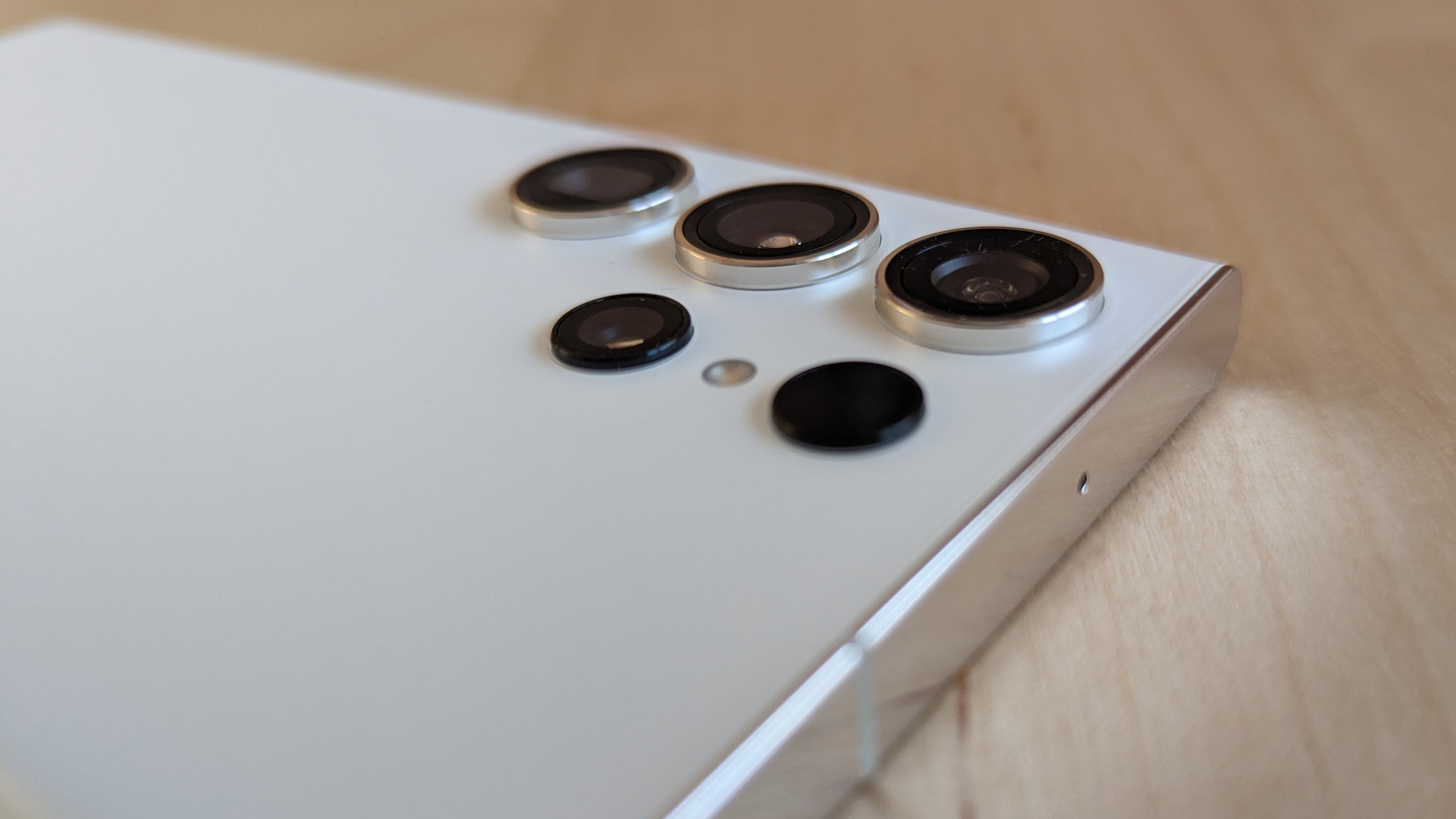
05. Match Your Hardware to Your Specific Workflow
Avoid the "just in case" upgrade. If you are a designer who works primarily in 2D software, you do not need the same RAM specifications as a 4K video editor or a 3D animator. Assess your actual usage. If you only perform heavy rendering tasks occasionally, it may be cheaper to use a cloud-based render farm or a rented studio space than to pay for an expensive, high-spec laptop that sits idle 90% of the time.
06. Audit Your Usage Regularly
Software "bloat" is a major consumer of memory. Periodically clearing out cache files, removing unused plug-ins, and managing background processes can help you eke out more performance from your existing setup. In a time when hardware is expensive, optimizing your software environment is the best way to delay your next purchase.
Conclusion: A New Mindset
We are living through a unique inflection point in the history of personal computing. The era of cheap, rapidly evolving hardware has been interrupted by the insatiable appetite of the AI revolution.
While the situation is undoubtedly frustrating, it forces a more disciplined approach to tech procurement. By moving away from the cycle of constant, unnecessary upgrades and toward a model of repair, refurbishment, and specific, need-based purchasing, creative professionals can successfully weather the storm. The goal is no longer to own the most powerful machine on the shelf—it is to own the right machine for your work, ensuring you stay productive until the market finally corrects itself.
 Nana Muazin
  Raul Delapena Setiawan
  Ammar Sabilarrohman