
 By Neng Nana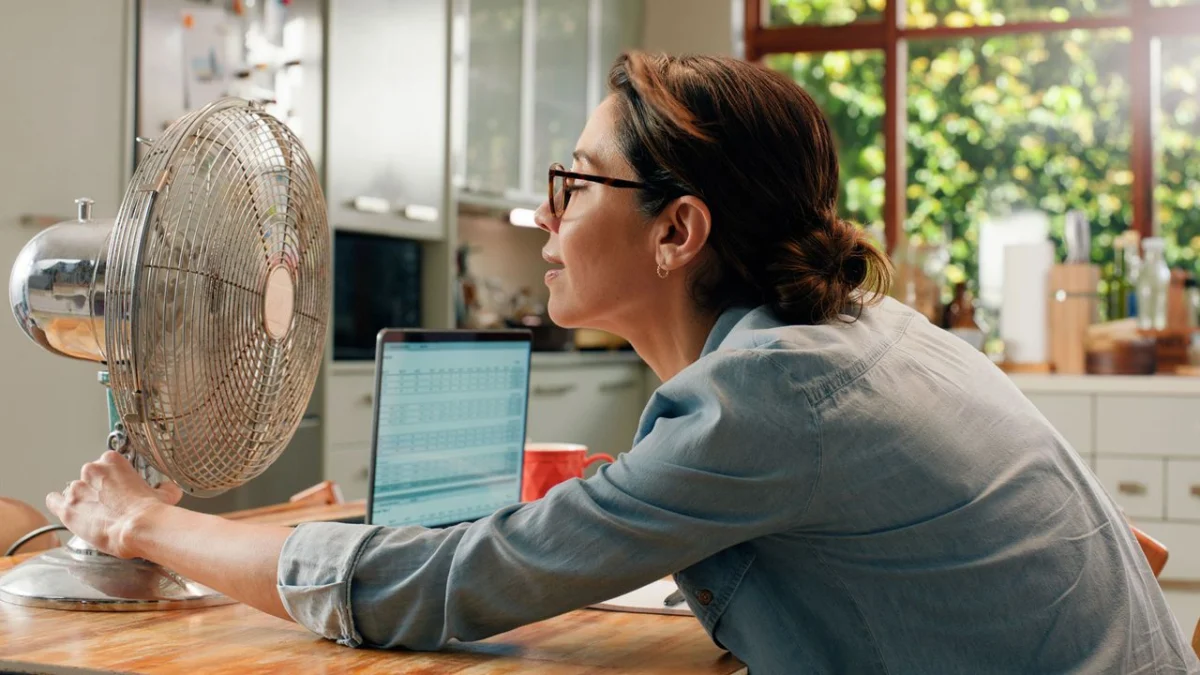
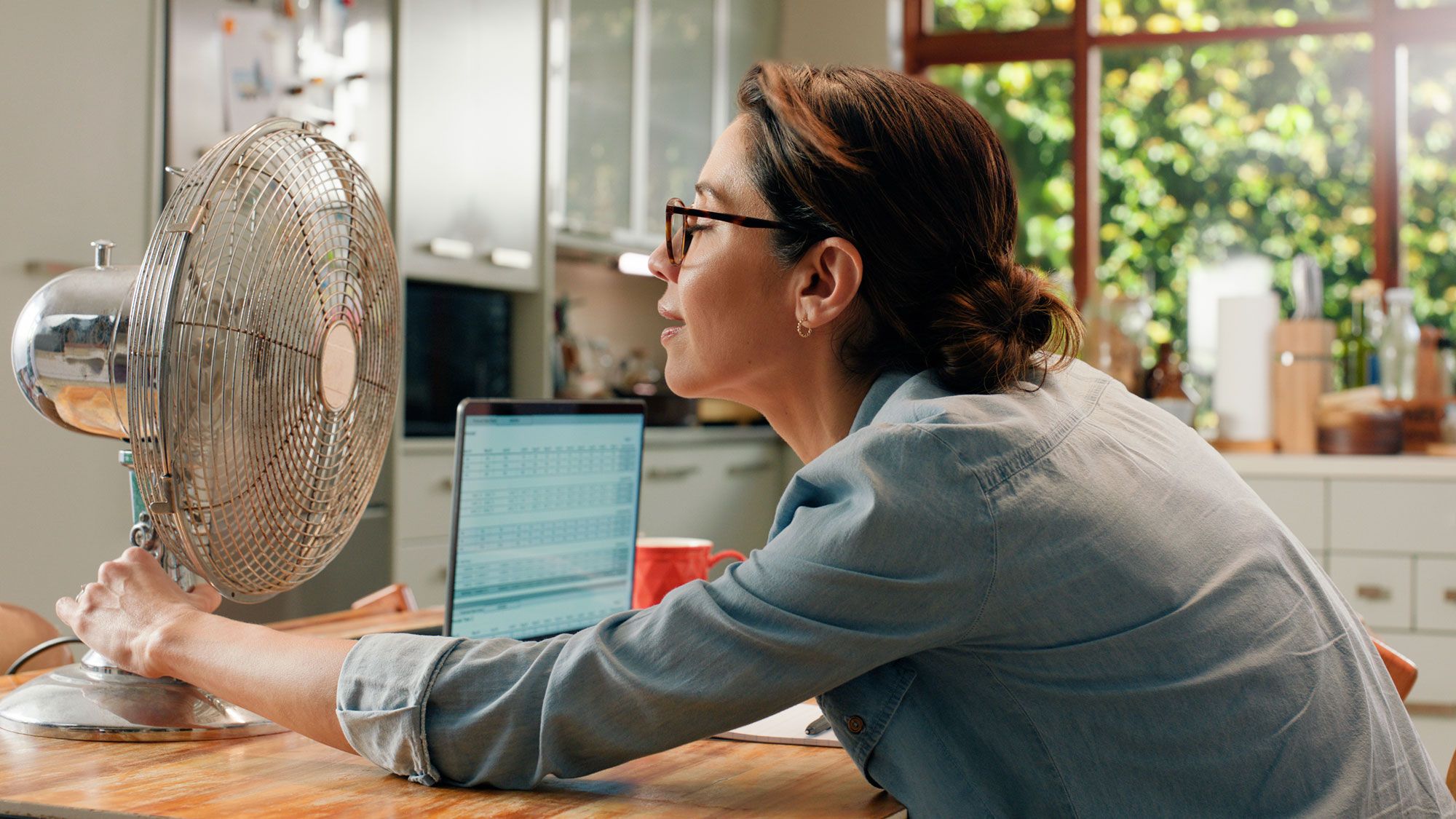
Every June, the ritual repeats: a well-intentioned promise to prepare for the summer heat rather than be ambushed by it. Yet, inevitably, the promise dissolves. By the third afternoon of staring at a blinking cursor while my brain feels like it is physically liquefying, I find myself once again caught in the cycle of heat-induced paralysis.
However, as global temperatures continue to climb, this is no longer a seasonal inconvenience—it is a professional hazard. With extreme weather events becoming the new baseline, freelance professionals and office workers alike are forced to confront a reality where the climate directly dictates the quality and quantity of their creative output.
The Global Context: A Climate in Crisis
The urgency of this issue is underscored by recent climatological data. Western Europe has recently endured some of its most severe heatwaves on record. In the United Kingdom, the strain on infrastructure was so profound that over a thousand schools were forced to close, while hospital admissions surged as the elderly and vulnerable struggled to cope with the unprecedented thermal load.
Across the Mediterranean, Spain and France have reported temperatures consistently 20 degrees Fahrenheit above historical averages for weeks on end. Simultaneously, the United States is bracing for a summer marked by extreme heat advisories, particularly in the central and eastern regions, as citizens prepare for the Fourth of July holiday.
This is not merely a matter of physical discomfort. For the modern knowledge worker—the illustrator, the software developer, the copywriter, or the architect—heat is a significant physiological barrier to performance.
The Cognitive Cost of Rising Temperatures
Research into environmental psychology suggests that extreme heat significantly degrades cognitive function. When the body is forced to allocate massive amounts of energy to thermoregulation—the process of keeping the internal core temperature stable—the brain’s resources for higher-order thinking are depleted.
An illustrator recently shared her experience, noting that her productivity had essentially vanished. She described an inability to perform basic tasks, such as determining geometric composition or selecting color palettes—tasks that would be trivial under normal conditions. This "brain fog" is a documented physiological response. High temperatures impede the prefrontal cortex’s ability to maintain sustained focus, execute fine motor control, and perform complex decision-making.
Strategic Adaptation: Shifting the Working Day
To maintain professional standards in a warming world, we must treat heat as a variable to be managed, much like a project deadline or a client’s feedback loop. The most effective strategy involves abandoning the traditional nine-to-five framework in favor of a climate-responsive schedule.
The "Cool-Morning" Methodology
If the thermometer is predicted to hit 32°C (90°F) by midday, attempting to power through the afternoon is a fool’s errand. My most significant adjustment has been moving "deep work" to the early morning hours. Concepting, creative writing, intricate design work, and strategic pitching are now front-loaded to the hours before breakfast, when both the house and my cognitive function are at their peak.
The afternoons are subsequently reserved for "low-stakes" production: invoicing, file organization, email management, and administrative maintenance. By aligning task difficulty with the ambient temperature, I ensure that my most valuable brainpower is expended when the environment is most conducive to performance.
Workspace Fluidity
We must also discard the notion of a "sacred" office space. If your dedicated workspace is on the top floor and traps heat, it is effectively a kiln. I have begun treating the coolest room in the house—often the ground floor or a basement—as my temporary studio. If domestic options are insufficient, seeking out public infrastructure is essential. Local libraries, gallery cafes, and co-working spaces often feature industrial-grade air conditioning systems that can provide a critical sanctuary for the productive mind.
Caring for Your Kit: The Hardware Perspective
It is not just the biological system that struggles in the heat; our hardware is equally vulnerable. Modern computers are sophisticated pieces of engineering, but they rely on efficient heat dissipation. When ambient temperatures rise, your laptop’s cooling fans work overtime, often resulting in "thermal throttling"—a mechanism where the processor slows itself down to prevent hardware damage.
To mitigate this, I have adopted a "minimalist hardware" approach:
- Browser Management: I now close browser tabs with the same ruthlessness I use to shut blinds against the afternoon sun. Every active process generates heat.
- Hardware Maintenance: A quick blast of compressed air through laptop vents once a week can prevent the buildup of insulating dust, allowing for more efficient cooling.
- Peripheral Awareness: Secondary monitors and high-performance peripherals generate significant ambient heat. If they aren’t required for the specific task at hand, they stay powered off.
Biological Maintenance: Beyond Hydration
The physical toll of heat on a worker is often exacerbated by poor dietary choices. While it is tempting to reach for heavy, comforting meals, the metabolic energy required to digest a large lunch increases the body’s internal temperature.
I have shifted my focus to high-water-content foods: watermelon, cucumber, and light, leafy salads. These provide hydration and nutrients without the "post-lunch slump" associated with heavier, oven-baked meals. Furthermore, hydration must be proactive rather than reactive. By the time you feel thirsty, you are already mildly dehydrated, which further impairs cognitive speed. Keeping a cold bottle of water within arm’s reach ensures constant, low-effort hydration.
Redefining Productivity: The Mindset Shift
Perhaps the most difficult adjustment is psychological: lowering our expectations for daily output. We live in a culture that fetishizes constant, high-octane productivity, but heat is a legitimate cognitive load.
Accepting that one is slower or less creative during a heatwave is not an admission of laziness; it is a recognition of biological reality. To combat the guilt associated with this slowdown, I have begun breaking projects into smaller, more manageable chunks. If a task would normally take an hour, I allow for ninety minutes, factoring in frequent "cooling breaks." I have learned to view the output of a particularly hot day as a "rough draft" to be polished during the cooler hours of the following morning.
Implications for the Future
The frequency and intensity of these heat events suggest that we are entering a new era. For the freelance community and those in remote work roles, these adaptations are no longer "nice-to-haves"—they are essential survival strategies for the modern professional.
If we are to maintain the quality of our work in a warming world, we must become more agile, more attuned to our own physiological limitations, and more willing to modify our environments. The days of fighting the elements are over; the era of working in harmony with our climate—or in defiance of it through careful planning—has begun.
And if all else fails, the market has responded: a high-quality, quiet fan is no longer just a piece of home decor, but a critical piece of office equipment. When the environment threatens your focus, your tools must be ready to defend it.
Tom May is an award-winning journalist specializing in art, design, photography, and technology. He is the author of "The 50 Greatest Designers" (Arcturus) and "Great TED Talks: Creativity" (Pavilion). With a career spanning roles as editor of Professional Photography magazine and associate editor at Creative Bloq, he brings a wealth of experience in navigating the intersection of technology and creative life.
 Raul Delapena Setiawan
  Ammar Sabilarrohman
  Muslim