
 By Layla Zulfa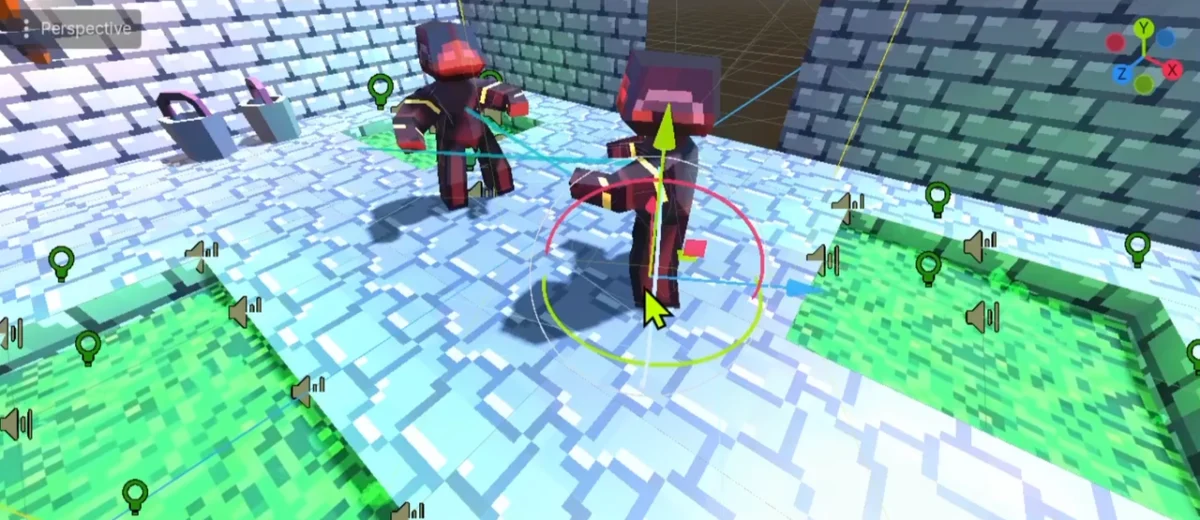
The open-source landscape of game development has witnessed a significant shift in recent months, with the Godot Engine emerging as the primary beneficiary of a renewed focus on community-driven, ethical software. As industry giants grapple with licensing controversies and the integration of generative AI, Godot has solidified its reputation as a "developer-first" sanctuary. Now, to support a growing influx of developers transitioning away from proprietary suites, The GameDev Tavern has launched an ambitious, 20-hour tutorial series that demystifies 3D development within Godot 4.
The State of the Engine: Why Godot is Trending
Godot Engine has long been celebrated for its lightweight footprint and its intuitive node-based architecture. While it gained early fame as a powerhouse for 2D platformers and complex Metroidvanias, recent iterations—particularly Godot 4.x—have seen massive improvements to the engine’s 3D rendering pipeline, lighting capabilities, and physics integration.
The recent discourse surrounding the "Godot AI ban" has served as a pivotal moment for the engine. By taking a firm stance against the integration of generative AI tools that rely on uncredited training data, the Godot Foundation has earned immense goodwill within the indie development community. This move has resonated with "vibe coders"—developers who prefer transparency and manual craftsmanship over AI-assisted shortcuts—further cementing the engine’s status as a reliable, long-term tool for creators who value ownership and ethical development.
A New Educational Standard: The "Goblins’ Den" Series
For those looking to transition their skills into 3D, the learning curve can often feel steep. The GameDev Tavern aims to bridge this gap with their latest project: a comprehensive 18-episode course titled First Person Controller | Godot 4 Dungeon Crawler.
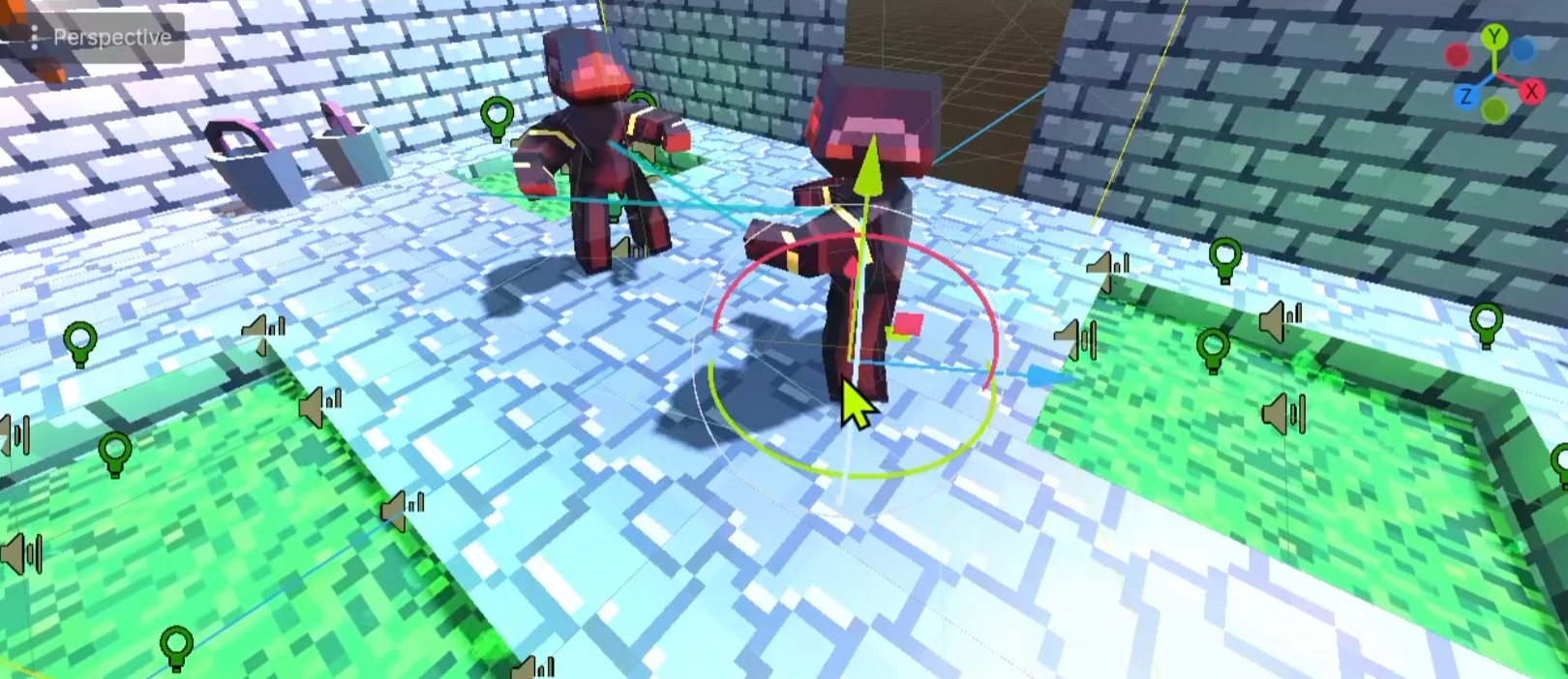
This is not merely a surface-level introduction. Spanning over 20 hours of content, the series guides students through the creation of a fully functional 3D dungeon crawler, Goblins’ Den. The project is designed to be end-to-end, covering the entire lifecycle of game creation:
- Asset Creation: Modeling, rigging, and animating characters.
- Technical Implementation: Advanced shader programming, dynamic lighting setups, and node-based state machines.
- Game Systems: Ragdoll physics, pathfinding (NavMesh), and sophisticated level design.
The course is explicitly tailored for intermediate to advanced developers. While the content is complex, the instructor avoids unnecessary mathematical abstractions, focusing instead on practical application and the "why" behind specific engine configurations.
Chronology of the Project Launch
The rollout of this series is methodical, designed to keep the community engaged while allowing time for the practical implementation of each lesson:
- Initial Release: The first four episodes were published simultaneously to provide an immediate "jump-start" for developers ready to dive into the core mechanics of the first-person controller.
- The Cadence: Following the initial launch, the channel has committed to a consistent release schedule. New installments are released every Monday, Wednesday, and Friday at 9:00 AM PST.
- Community Integration: The project files for Goblins’ Den are available for download via Itch.io, allowing students to compare their progress against the finished, high-fidelity reference project.
Supporting Data: The Engine’s Performance Capabilities
Why choose Godot for a 3D project in 2024? The data points to a maturing platform:
- Rendering Versatility: Godot’s Forward+ renderer is designed to utilize modern graphics APIs like Vulkan, enabling high-end visual features such as real-time global illumination and high-fidelity shadow mapping.
- Workflow Efficiency: The node-and-scene system allows developers to decompose complex 3D environments into manageable, reusable components. This modularity is a critical advantage for solo developers or small teams.
- Language Flexibility: While GDScript remains the engine’s native and most efficient language, the robust C# support and GDExtension system ensure that performance-critical tasks can be handled with the speed of lower-level languages without sacrificing the engine’s ease of use.
Implications for the Indie Developer
The rise of such high-quality, free educational content signals a broader trend in the industry: the decentralization of game development knowledge. In the past, learning advanced 3D techniques often required expensive proprietary certifications or costly private tutorials. The availability of The GameDev Tavern’s course for free represents a democratization of skills.
Furthermore, as developers move away from "vibe coding"—a trend where developers rely on AI to generate code snippets they may not fully understand—the need for deep, fundamental knowledge becomes paramount. By learning how to build a state machine from scratch or how to construct a ragdoll physics system, developers are future-proofing their careers. They are no longer dependent on the "black box" of AI tools; instead, they gain the agency to debug and optimize their games at the engine level.
The Role of Hardware
While Godot is notoriously lightweight, building a complex 3D project like Goblins’ Den does necessitate capable hardware, particularly when dealing with high-polygon models and real-time lighting. For those looking to upgrade their workstation, a dedicated GPU is highly recommended. Developers should prioritize laptops or desktop configurations that feature at least 16GB of RAM and a dedicated graphics card with hardware-accelerated ray tracing support to ensure smooth editor performance while debugging 3D scenes.
Official Responses and Community Reception
The reception to the series has been overwhelmingly positive. Within the Godot subreddit and Discord servers, users have praised the series for its "no-nonsense" approach.
"Finally, a course that treats the user like a developer rather than a consumer," noted one user in a recent discussion. The community’s enthusiastic response highlights a shift in sentiment: developers are actively seeking out educational content that respects their intelligence and encourages a deep understanding of game architecture.
Conclusion: Investing in the Future of Open Source
The intersection of the Godot Engine’s ethical stance and the emergence of high-caliber tutorials like The GameDev Tavern’s dungeon crawler series marks a watershed moment for indie gaming. It suggests that the future of game development is not necessarily found in the most expensive software, but in the most transparent and community-supported ecosystems.
For the aspiring 3D developer, there has never been a better time to commit to the Godot platform. With a supportive community, a robust and constantly improving engine, and an abundance of high-quality educational resources, the barrier to entry for building professional-grade 3D experiences has never been lower. Whether you are a student, a hobbyist, or a professional looking to diversify your skillset, the Goblins’ Den series offers a roadmap that is as educational as it is practical.
As the series continues to unfold through its 20-episode run, it serves as a testament to the power of the open-source spirit. By investing your time in learning these fundamental skills, you are not just building a dungeon crawler; you are building a foundation that will serve you throughout your career in the ever-evolving world of game development.
For those interested in following along with the course, you can find the complete playlist on the GameDev Tavern YouTube channel. Don’t forget to download the source assets from their Itch.io page to get the most out of your learning experience.
 Raul Delapena Setiawan
  Ammar Sabilarrohman
  Muslim