
 By Iffa Jayyana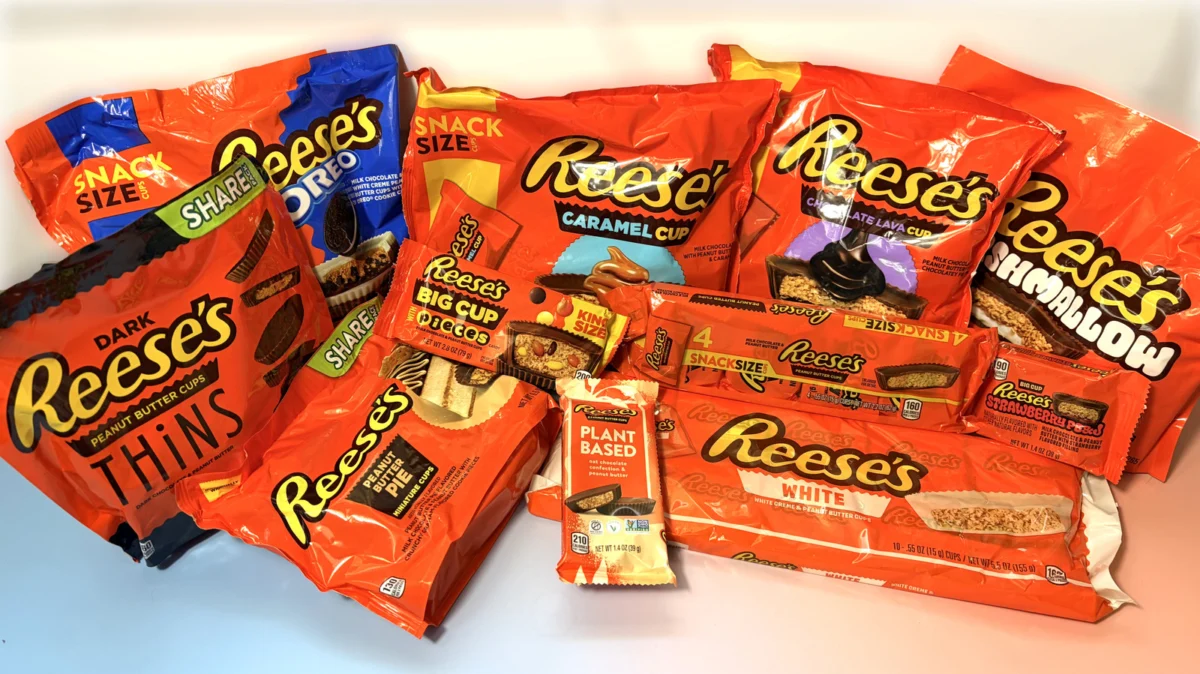
For generations, the marriage of roasted peanut butter and milk chocolate has been the undisputed heavyweight champion of the American confectionery industry. While rivals like Snickers and M&Ms remain formidable, the Reese’s Peanut Butter Cup occupies a unique psychological space in the consumer consciousness. It is the gold standard of "salty-sweet" indulgence, a treat so iconic that its orange, brown, and yellow packaging is recognized instantly across the globe.
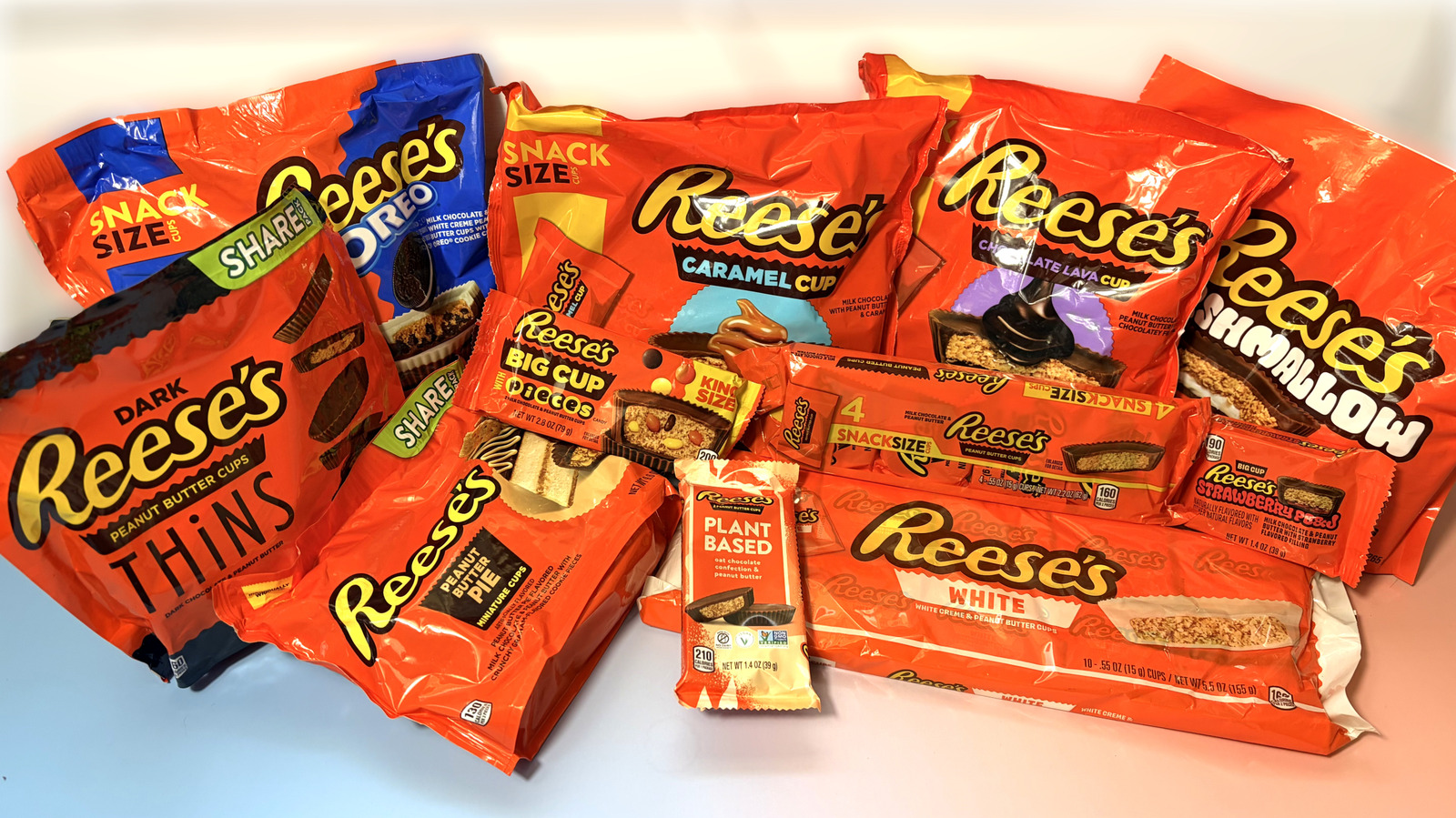
However, the brand is no longer just a singular product. In recent decades, the Reese’s portfolio has expanded into a sprawling empire of variations, experimenting with textures, chocolate types, and innovative inclusions. But as the shelf space grows, one must ask: do these modern iterations actually enhance the original formula, or do they merely dilute it? To answer this, I conducted an exhaustive, side-by-side taste test of 11 distinct Reese’s varieties to determine which truly deserves a spot in your pantry.
A Legacy of Innovation: The Chronology of a Classic
The story of Reese’s began with H.B. Reese, an enterprising employee of the Hershey Chocolate Company who saw the potential in the peanut butter-chocolate pairing. After several years of experimentation, he perfected his recipe in the 1920s. Following his passing, his sons merged the family business with Hershey’s in 1963, a move that solidified the product’s dominance in the global market.
For decades, the standard cup reigned supreme. It wasn’t until the late 20th and early 21st centuries that the brand began a aggressive campaign of diversification. From the introduction of the "Big Cup" to the polarizing "White Creme" and the modern, health-conscious "Plant-Based" options, the evolution of the Reese’s brand mirrors the changing tastes of the American consumer. Each new SKU represents an attempt to capture a specific niche—be it the nostalgia-seekers, the dark chocolate enthusiasts, or those looking for a textural "crunch."
Methodology: The Science of the Snack
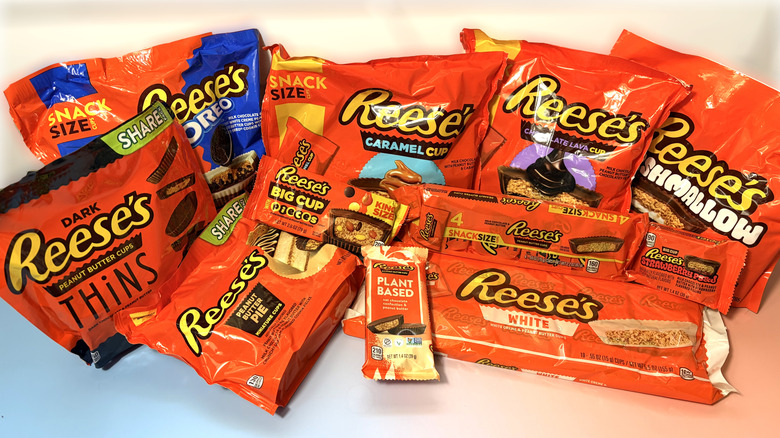
To ensure a rigorous and fair evaluation, this ranking was conducted using a standardized methodology. Utilizing the official Hershey’s product finder, I sourced every currently available iteration of the Reese’s cup from local retailers.
Each cup was meticulously halved to inspect the structural integrity and the ratio of filling to coating. My evaluation criteria focused on three key metrics:
- Balance: The interplay between the saltiness of the peanut butter and the sweetness of the chocolate.
- Texture: The mouthfeel of the chocolate coating versus the grain of the peanut butter and any additional inclusions.
- Intent vs. Execution: Does the product deliver on the promise suggested by its packaging?
The Rankings: From Disappointment to Perfection
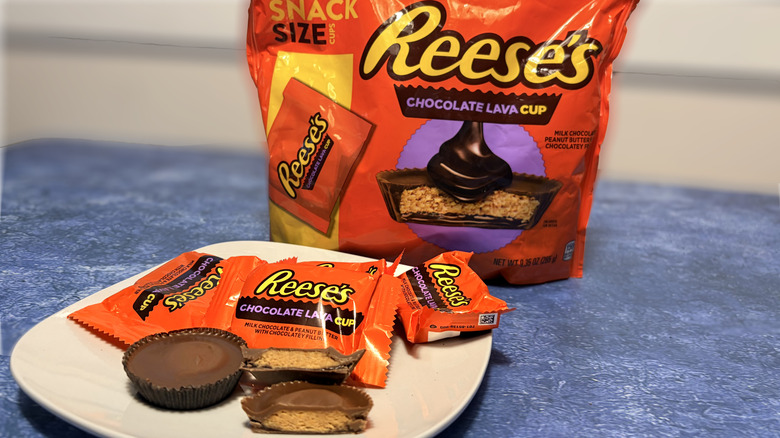
11. Chocolate Lava Cup
The primary issue with the Chocolate Lava Cup is the vast, unbridgeable gap between marketing and reality. When a consumer sees "lava," they anticipate a molten, ganache-like core reminiscent of a decadent dessert. In practice, the cup features a barely perceptible sliver of extra chocolate at the base. It is essentially a standard cup with an identity crisis, failing to deliver the "explosion" promised on the wrapper.
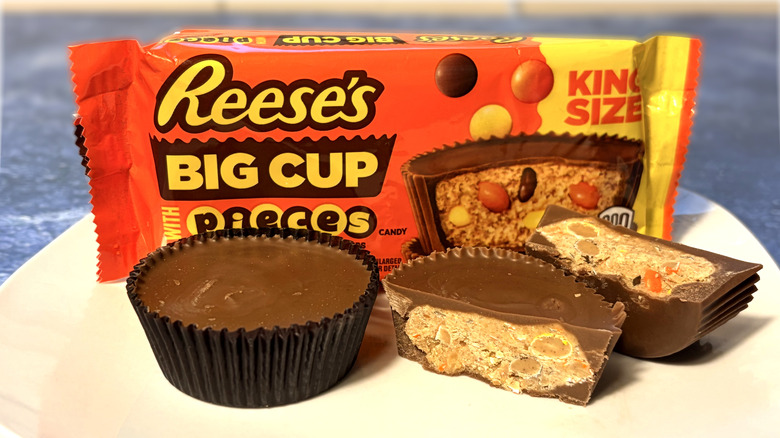
10. Big Cup with Pieces
Nostalgia is a powerful marketing tool, and for many, Reese’s Pieces are linked to the iconic 1982 film E.T. However, stuffing a cup with these candies proves to be a structural and sensory misfire. The candies lose their identity within the peanut butter, and the result is an overwhelming, poorly balanced saltiness that masks the creamy profile of the original.
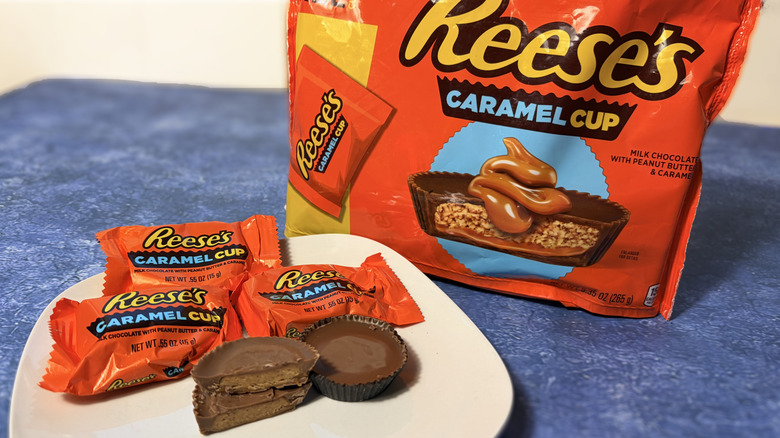
9. Caramel Cup
The Caramel Cup is not inherently bad, but it is remarkably forgettable. The caramel is used so sparingly that it contributes little to the overall profile, leaving the consumer to wonder why it was added at all. Without a significant boost in salt to cut through the sweetness, the caramel remains flat and disconnected from the peanut butter.
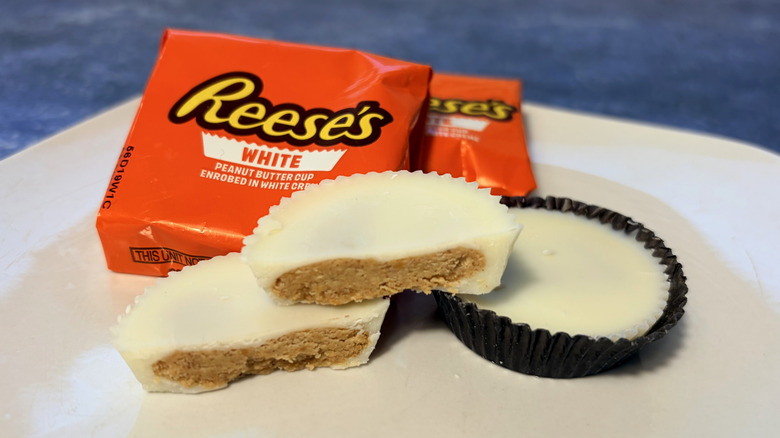
8. White Creme Cup
Technically, this is not "white chocolate," as it lacks the required percentage of cocoa butter. While this might be a disappointment for purists, the cup succeeds as a "peanut-forward" experience. The lack of cocoa butter allows the nutty, buttery notes of the filling to take center stage. It is a niche product, but a functional one.
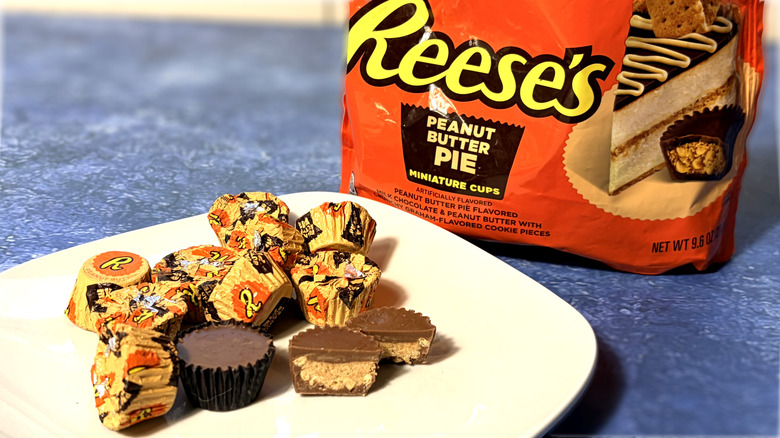
7. Peanut Butter Pie
This variety offers an intense, butterscotch-adjacent flavor profile with a delightful crunch from graham cracker bits. However, it suffers from a lack of restraint. The filling is significantly sweeter than the standard version, and without a commensurate level of salt, it quickly becomes cloying, making it difficult to finish an entire cup.
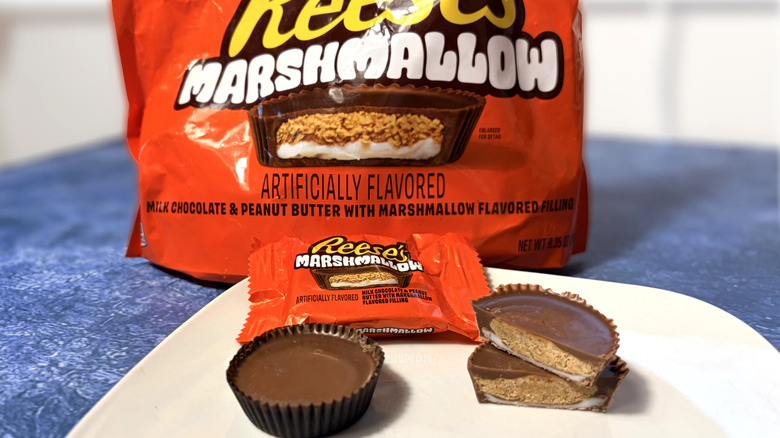
6. Marshmallow Cup
For those who enjoy the ritual of s’mores, this cup is a triumph of nostalgic marketing. The artificial marshmallow flavor is surprisingly effective at evoking a campfire setting. The balance is superior to many other "stuffed" versions, though, like the Peanut Butter Pie, the extreme sweetness eventually reaches a point of diminishing returns.
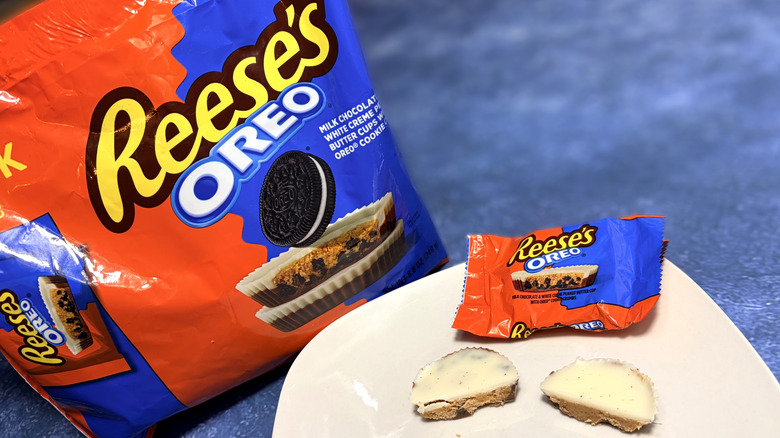
5. Oreo Cup
As someone who has historically been critical of the Oreo brand, I was surprised by how much I enjoyed this iteration. The cookie crumbs act as a subtle textural accent rather than an overwhelming component. By flipping the traditional Oreo ratio on its head, Reese’s has created a "cookies and creme" hybrid that actually works.
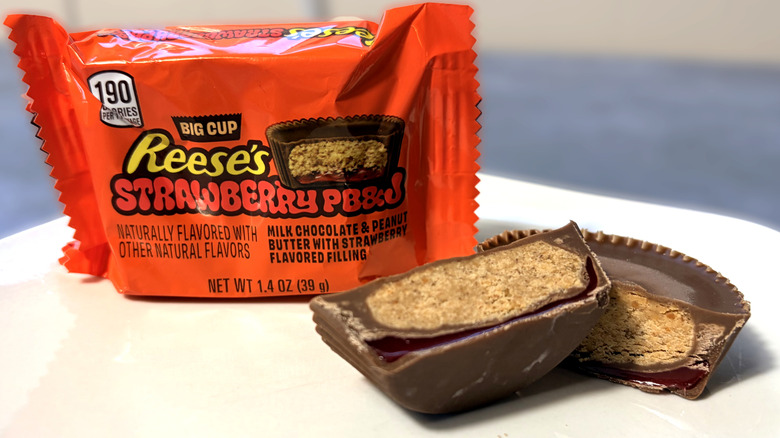
4. Strawberry PB&J Cup
This is the only fruit-inclusive option on the list, and it is a masterclass in balance. The acidity of the strawberry jelly provides a necessary brightness that cuts through the dense, heavy peanut butter. It is a cohesive, satisfying experience that proves fruit and chocolate can coexist harmoniously if handled with precision.
3. The Classic Peanut Butter Cup
There is a reason this product has stood the test of time. It is the perfect baseline. The slightly coarse texture of the peanut butter against the smooth, creamy milk chocolate is a triumph of culinary engineering. While it may not be the most "innovative," its balance of salt, sweet, and texture remains the industry standard.
2. Plant-Based Cup
Hershey’s deserves credit for the quality of their plant-based formulation. The chocolate here is elegant, leaning slightly into a bittersweet profile that feels more sophisticated than the standard milk chocolate. The thinner coating-to-filling ratio hits a "sweet spot" that makes every bite feel deliberate and high-quality.
1. Dark Chocolate Thins
The winner of this ranking is the Dark Chocolate Thin. While Hershey’s has faced criticism regarding its general dark chocolate offerings, this application is a success. The darker, more intense chocolate profile creates a perfect yin and yang with the peanut butter. It feels lighter, more refined, and infinitely more satisfying than the original. For the discerning palate, this is the definitive Reese’s experience.
Supporting Data and Industry Implications
The proliferation of these varieties highlights a shifting landscape in the snack industry. According to recent market reports, consumers are increasingly seeking "premium" experiences and variety. By introducing "Thins," "Plant-Based," and "Pie" varieties, Hershey’s is effectively capturing data on consumer preferences while mitigating the risk of relying on a single flagship product.
However, this strategy is not without its critics. There have been ongoing discussions regarding the "shrinkflation" of candy products and the alleged reformulation of classic recipes to cut costs—concerns that were noted by the grandson of H.B. Reese himself in recent years. As the company continues to innovate, the challenge will be to maintain the quality of the core product that built the empire in the first place.
Official Responses and The Road Ahead
In response to inquiries regarding product formulation and the expansion of the Reese’s line, Hershey’s has maintained that they remain committed to the "iconic taste" consumers expect. They emphasize that while they continue to experiment with seasonal and limited-edition flavors, the fundamental recipe of the classic peanut butter cup remains a closely guarded and protected asset.
As we look toward the future, it is clear that the Reese’s brand will continue to test the boundaries of what a peanut butter cup can be. Whether through further plant-based innovation or entirely new texture-based experiments, the brand has successfully transformed from a simple candy into a platform for culinary exploration. For now, however, those looking for the peak of the experience should look no further than the Dark Chocolate Thin.
 Azzam Bilal Chamdy
  Lina Irawan
  Lina Hope