
 By Asep Darmawan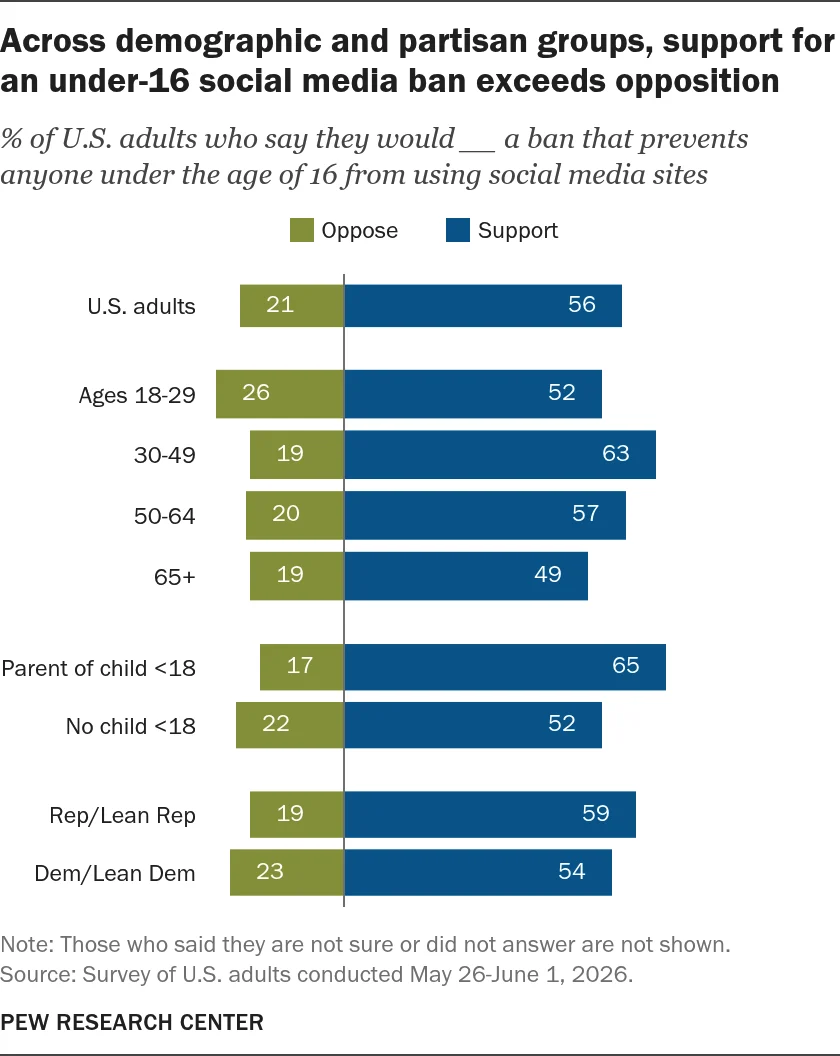
July 9, 2026
In an era defined by rapid information cycles and the fragmentation of traditional media, the boundaries between entertainment, commentary, and objective journalism have become increasingly porous. This shift is currently at the center of a high-stakes regulatory confrontation between the Federal Communications Commission (FCC) and one of America’s most recognizable broadcast platforms: ABC’s The View.
As the FCC probes whether the talk show has violated the “equal time rule,” the broader implications for the media industry—and the public’s perception of what constitutes "news"—are coming into sharp focus. This article examines the intersection of federal regulation, the shifting trust in local institutions, and the growing influence of artificial intelligence in the democratic process.
The Main Facts: The FCC vs. The View
The current controversy hinges on a fundamental regulatory pillar: the FCC’s "equal time rule." This longstanding mandate requires broadcast stations to provide equivalent airtime to opposing candidates for public office, ensuring that no single candidate gains an unfair advantage through the medium of public airwaves.
Earlier this year, the FCC signaled a significant escalation in oversight by ordering an early review of ABC’s broadcast licenses. At the heart of this scrutiny is The View, the network’s long-running daytime talk program. Regulators are investigating whether the show’s political segments have effectively functioned as campaign vehicles, thereby triggering the equal time requirement.
Data suggests that the pressure is already yielding behavioral changes within the industry. A recent analysis by Semafor reveals a marked shift in the show’s booking strategy: since the investigation was publicized, The View has significantly throttled back on inviting guests who are candidates in competitive midterm races. This quiet retreat suggests that media organizations are feeling the weight of the FCC’s renewed interest in enforcing broadcast standards that have, for years, been treated with varying degrees of flexibility.
Chronology of a Regulatory Clash
The conflict between the FCC and broadcast networks did not emerge in a vacuum. It is the culmination of years of rising political polarization and public skepticism regarding media bias.
- Early 2026: The FCC initiates an early review of ABC’s broadcast licenses, citing concerns regarding political impartiality and the application of the equal time rule.
- Spring 2026: Reports emerge indicating that the inquiry is specifically targeting the political content featured on The View.
- May 2026: Throughout the month, the show begins to pivot its guest selection, moving away from high-stakes midterm candidates.
- June 2026: Public discourse intensifies regarding the classification of talk programs. Critics argue that the blurred line between opinion-based entertainment and journalism necessitates stricter enforcement of 20th-century broadcast laws.
- July 2026: As of this week, the standoff continues, with ABC firmly maintaining its legal position while adapting its editorial strategy to mitigate potential regulatory fallout.
Supporting Data: The Erosion of Trust
The tension surrounding The View is mirrored by a broader decline in public confidence in media institutions. According to recent findings from the Pew-Knight Initiative, the trust Americans place in local news organizations—long considered the most reliable and non-partisan tier of journalism—is beginning to wane.
For decades, local news outlets enjoyed a bipartisan consensus of trust. However, the latest data suggests this is changing. Fewer Americans now view local news as highly important to the well-being of their communities. This erosion of trust is particularly significant because it reflects a larger trend: the subjective nature of "news" itself.
A 2025 Pew Research Center study highlighted that there is no longer a monolithic definition of what constitutes "news." Instead, the classification is highly dependent on:
- Topic: The subject matter often dictates whether an audience categorizes content as "news" or "commentary."
- Source: The brand or personality delivering the information carries more weight than the editorial rigor behind it.
- Identity and Attitude: Perhaps most importantly, an individual’s own political and personal identity acts as a filter, determining whether they accept information as factual news or dismiss it as partisan bias.
Official Responses and Legal Perspectives
The legal crux of the issue lies in the designation of "bona fide news programs." ABC has consistently argued that The View qualifies for this exemption. By labeling the show as news, the network avoids the strictures of the equal time rule, allowing the program to invite—or exclude—guests at its editorial discretion.

The FCC, however, appears to be testing the limits of that exemption. The inquiry suggests a desire to recalibrate the definition of "news" in a landscape where talk shows, podcasts, and social media influencers often drive political narratives more effectively than traditional nightly news broadcasts.
Legal analysts suggest that if the FCC successfully challenges this classification, it could set a massive precedent for the industry. Networks might be forced to either fundamentally change their daytime programming formats or risk losing their broadcast licenses—a catastrophic outcome for any major media entity.
The Role of AI in Future Elections
As regulators look backward to 20th-century rules to manage modern media, the public is simultaneously looking toward 21st-century technology to navigate the electoral process.
The rise of AI chatbots as political advisors is a burgeoning trend that presents its own set of risks. A recent New York Times report noted that voters are increasingly turning to AI to help them make voting decisions, often bypassing the built-in guardrails that major AI developers have installed to prevent these tools from taking political stances.
The convenience of AI is undeniable, particularly for voters who find it difficult to navigate the complexities of modern political news. However, this convenience comes with a significant caveat: accuracy. The same Pew research that tracks media trust also captures deep-seated public apprehension regarding AI. In a 2024 survey, 51% of Americans predicted that AI would have a negative impact on U.S. elections over the next two decades, compared to only 9% who viewed the technology as a positive force for democracy.
Implications: A Society Divided on Media
The implications of this environment are profound. When a population cannot agree on what constitutes a "news" source, or when that population relies on algorithms and chatbots to provide "truth" without accountability, the foundation of democratic discourse begins to shift.
This is further complicated by generational and parental concerns regarding the digital landscape. As shown in recent Pew Research Center analysis, a majority of U.S. adults (56%) now support banning social media for children under 16. This support transcends party lines, with 59% of Republicans and 54% of Democrats in favor of such restrictions. This indicates a rare moment of societal consensus: the recognition that the current digital information ecosystem is potentially harmful to the next generation.
Key Demographics of Support for Social Media Bans:
- Parents of children under 18: 65% in favor.
- Ages 30-49: 63% in favor.
- Republicans/Lean Rep: 59% in favor.
- Democrats/Lean Dem: 54% in favor.
These figures illustrate that while Americans are deeply divided on political news, there is a unified apprehension regarding the influence of digital platforms on the youth.
Conclusion
The FCC’s investigation into The View is more than a dispute over broadcast licenses; it is a symptom of a larger struggle to define the role of media in an era of unprecedented information access and decreasing institutional trust.
As the industry grapples with the transition from traditional gatekeepers to decentralized AI-driven information, the need for transparency, accountability, and a shared understanding of what constitutes "news" has never been more urgent. Whether the resolution of this conflict results in stricter federal oversight or a move toward market-driven standards, the outcome will fundamentally alter how millions of Americans engage with the political process.
The era of the "one-size-fits-all" news cycle is over. In its place, we find ourselves navigating a landscape that is simultaneously more efficient, more polarized, and more uncertain than at any time in modern history. As we look toward the upcoming midterm elections, the question remains: will we be able to reconcile our technological advancements with the necessity of an informed, cohesive electorate? The answer, it seems, remains as complex as the media environment itself.
 Sagoh
Sagoh  Pevita Pearce