
 By Evan Lee Salim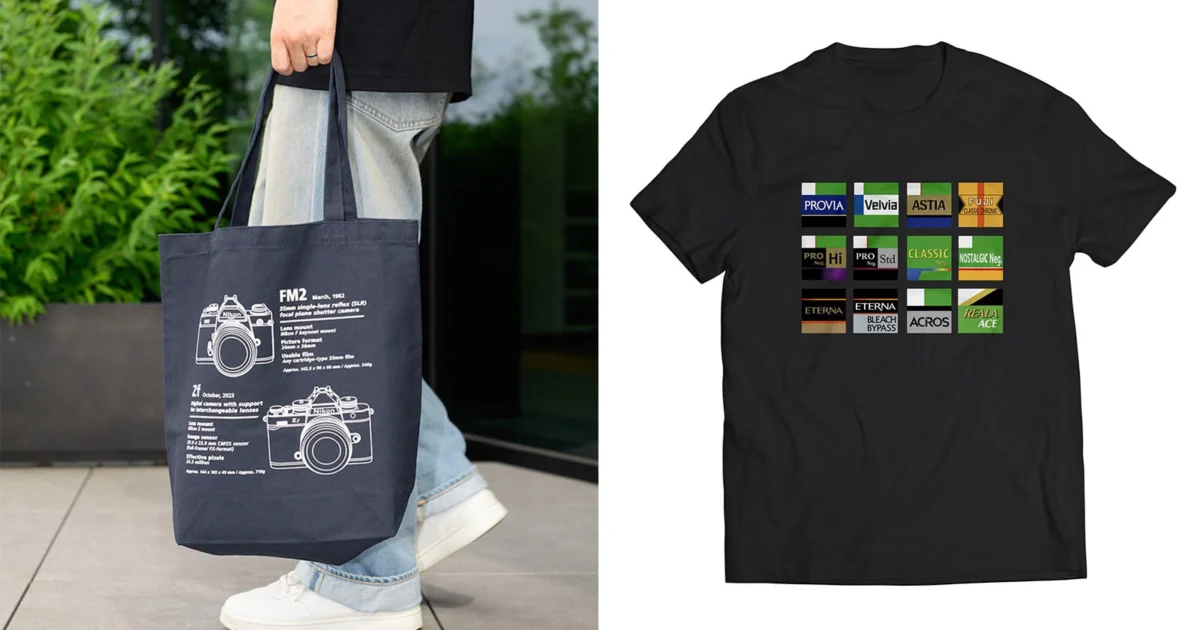
In the world of photography, brand loyalty is not just a preference; it is a lifestyle. Professionals and hobbyists alike often spend years—and thousands of dollars—investing in a specific ecosystem, whether it be the ergonomic familiarity of a Nikon body, the color science of a Fujifilm sensor, or the compact versatility of an OM System lens. Yet, while these companies have mastered the art of optical engineering, they are increasingly failing at a much simpler task: allowing their most devoted fans to wear their hearts on their sleeves.
For years, a "geographical divide" has plagued the photography industry. While Japanese markets are frequently treated to an embarrassment of riches in the form of high-quality, aesthetically pleasing branded merchandise, Western markets—specifically those in the United States—are left staring at empty storefronts. This disparity has become a sore point for enthusiasts who want to represent their favorite brands beyond the confines of their camera bags.
The Japan Advantage: A Curated Aesthetic
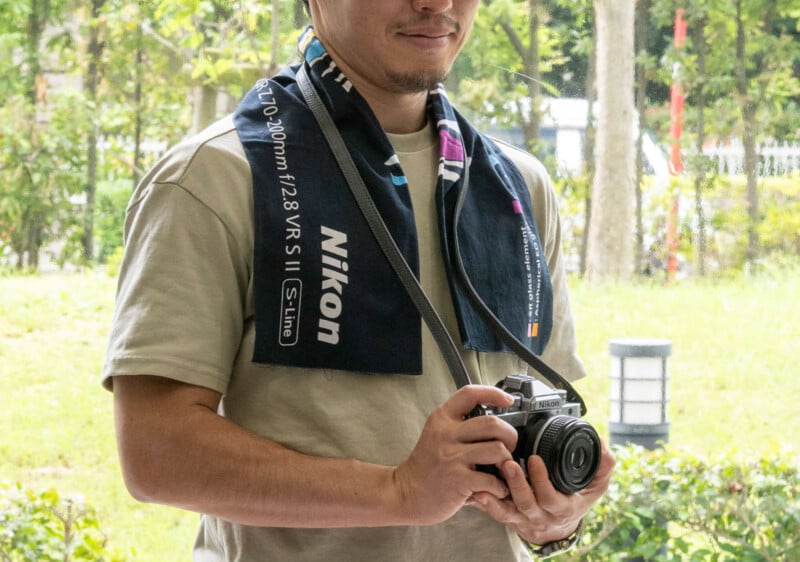
The current state of affairs is best illustrated by the recent wave of releases from Nikon Japan. As reported by DC.Watch, Nikon’s Japanese division has launched a sophisticated line of lifestyle accessories that go far beyond the standard, uninspired logo-emblazoned baseball cap.
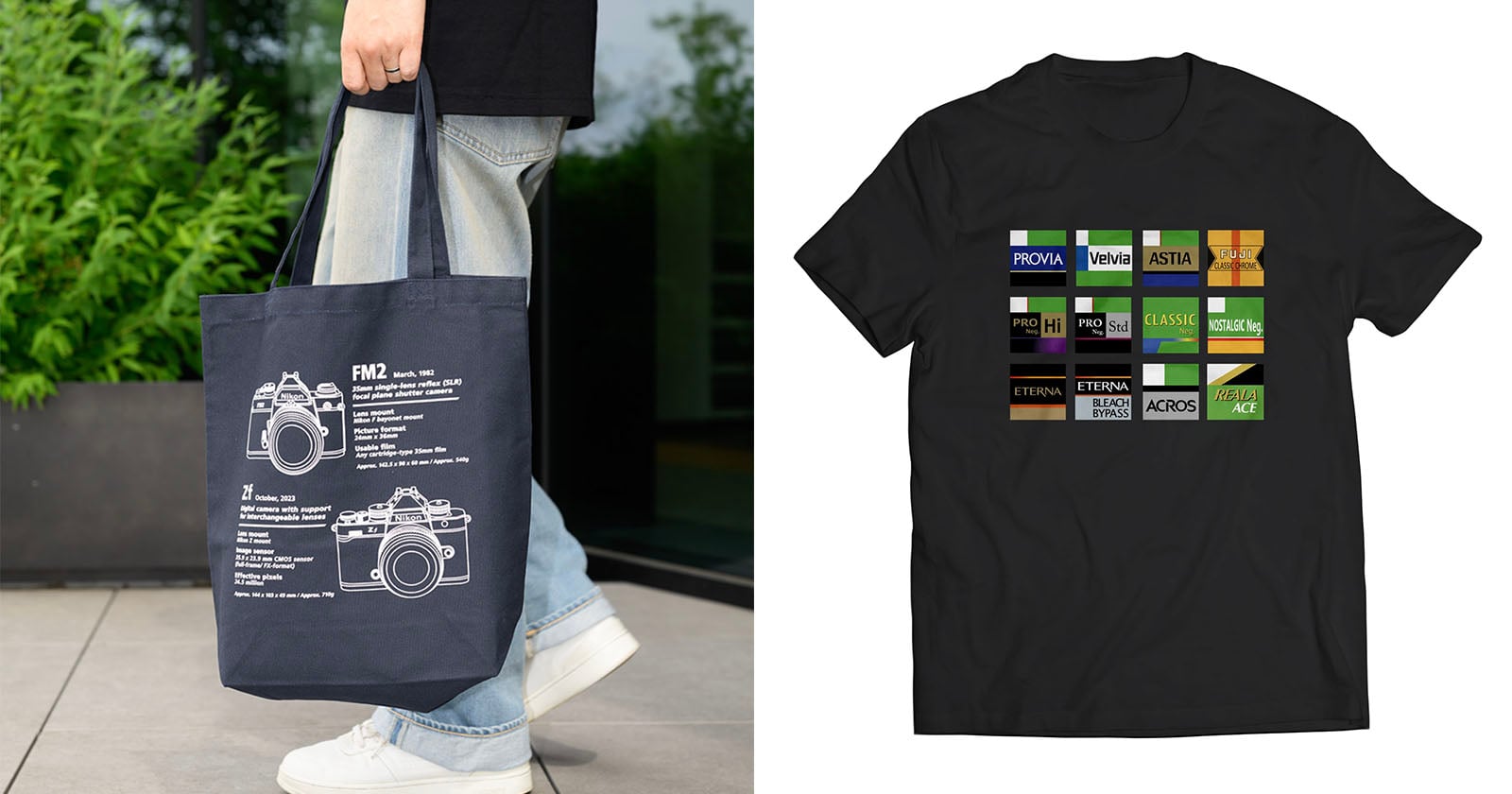
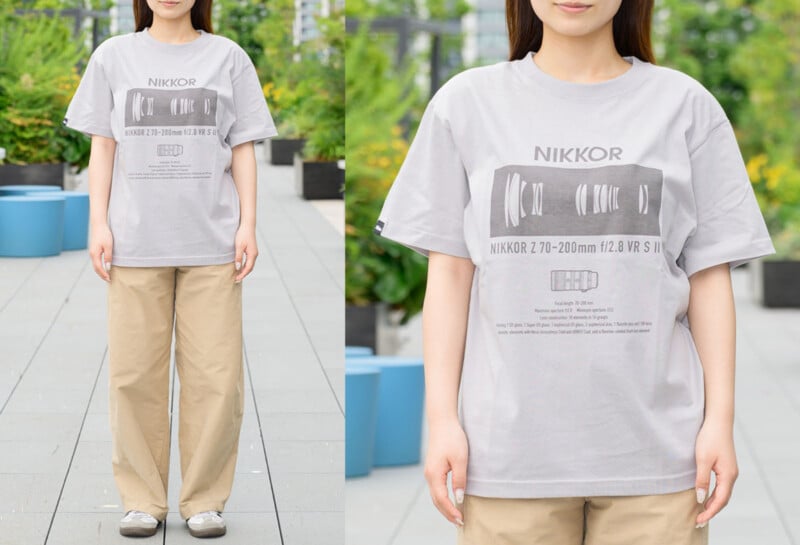
The collection features items that cater directly to the photography enthusiast’s sensibilities: hand towels adorned with intricate optical diagrams, bottle holders modeled after the iconic Nikon Zf, and high-quality apparel featuring technical blueprints of legendary lenses. Perhaps the most notable item is a tote bag that pays homage to the legendary FM2 film camera, bridging the gap between Nikon’s storied analog history and its modern digital innovation.
These products are not merely advertisements; they are lifestyle goods designed with a level of care that mirrors the design of the cameras themselves. They are functional, stylish, and reasonably priced. For a photographer in Tokyo, buying a branded camera bag or a shirt is an accessible way to signal their identity within the community. For a photographer in New York, London, or Berlin, obtaining these items often requires navigating complex third-party import services or relying on the kindness of international friends.
The Global Disconnect: Where Is the Merchandise?
The irony of this situation is palpable. Nikon USA, for instance, maintains a robust online presence for selling cameras and lenses, yet their "merchandise" section is essentially non-existent. This is not a matter of the company lacking the capability to produce goods; many professionals possess Nikon-branded rain jackets or promotional gear distributed at trade shows. The failure lies in the lack of a direct-to-consumer retail strategy.
The same malaise affects other giants in the industry. Canon USA’s online store technically has a category for apparel, but it is perpetually barren. Sony, a titan of the consumer electronics industry that excels at merchandising its PlayStation brand, remains inexplicably silent when it comes to the Alpha line. Panasonic, despite producing some of the most innovative cameras on the market, has kept its Lumix-branded lifestyle gear as a "for internal use only" secret.
A Tale of Two Strategies: Who Gets It Right?
If there is a blueprint for how to bridge this gap, it can be found in the strategies of a few forward-thinking manufacturers. Fujifilm USA has successfully navigated this space by offering a curated selection of brand merchandise that prioritizes quality over quantity. Their approach suggests that they understand their audience: the gear is stylish, wearable, and feels like a conscious extension of the Fujifilm brand identity rather than a cheap promotional afterthought.
OM System has similarly recognized the value of a strong lifestyle brand, offering a solid range of hoodies, shirts, and accessories that allow their users to feel part of a community. These companies understand that in the modern era, a brand is not just what you sell, but how you make your customers feel.
Leica, of course, remains the outlier. While they have mastered the art of "aspirational" merchandising—including items like their $640 Steiff-branded teddy bears—they operate in a luxury tier that few other companies can inhabit. However, even without the luxury price tag, there is a middle ground between "promotional giveaway" and "ultra-luxury status symbol" that most manufacturers are currently ignoring.
Chronology of a Missed Opportunity
- The Analog Era (1970s–1990s): Merchandise was largely limited to camera straps and lens cleaning cloths. Brand identity was cemented through the performance of the hardware alone.
- The Digital Transition (2000s–2015): As digital cameras became commodity items, manufacturers focused heavily on technical specifications. Merchandising was relegated to "swag" handed out at press events.
- The Rise of the Lifestyle Brand (2016–2023): Competitors like Fujifilm and, to some extent, Leica, began to leverage their heritage. Fujifilm’s retro-inspired camera designs led to a surge in demand for lifestyle accessories, proving that brand image was a significant driver of hardware sales.
- The Current Stagnation (2024–2026): While Japanese divisions of major camera manufacturers have embraced the "merch as a product" model, Western divisions remain tethered to outdated, purely transactional business models.
Implications for Brand Loyalty
Why should a camera company care about selling tote bags or t-shirts? The answer lies in the concept of "brand evangelism."
In an age where camera specifications are becoming increasingly standardized, the "X-factor" for a brand is the community it fosters. When a user chooses to wear a shirt featuring a lens diagram, they are engaging in a form of social marketing that is far more authentic than a targeted Facebook ad.
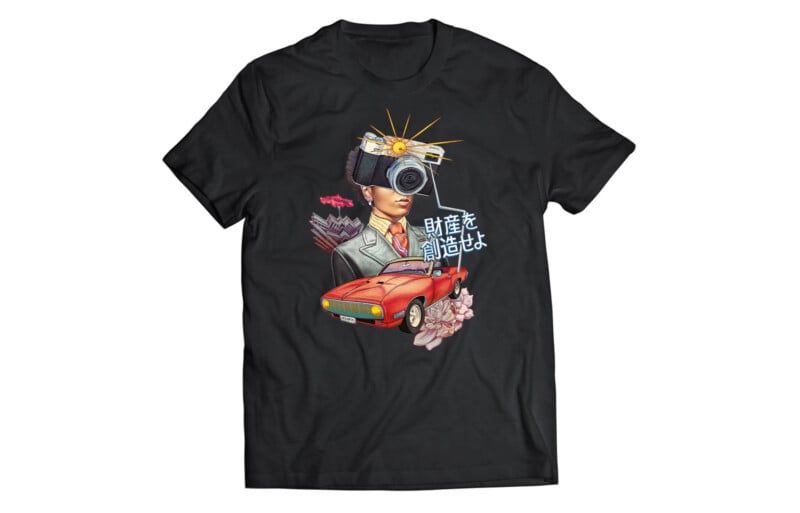
Furthermore, the current market is flooded with cheap, low-quality "camera-themed" merchandise found on sites like Amazon—often in the form of plastic lens-shaped coffee mugs or poorly printed generic apparel. This represents a vacuum that the manufacturers themselves have left open. By refusing to provide high-quality, official merchandise, these companies are effectively allowing third parties to profit from their brand equity while providing a subpar experience to the customer.
The Way Forward: Collaboration and Curation
The path to improvement is well-trodden. The success of Kodak in recent years serves as a prime example of how a legacy brand can reinvent itself as a fashion-forward icon. By partnering with established streetwear labels (such as their collaboration with HUF), Kodak transformed its identity from a struggling film company into a brand that resonates with Gen Z and millennial photographers.
Manufacturers do not need to become clothing companies. They do not need to manage massive supply chains for apparel. They simply need to recognize that their brand equity is an asset that can be translated into lifestyle products. This could be achieved through:
- Direct-to-Consumer E-commerce: Adding a "Lifestyle" tab to existing regional websites that mirrors the offerings in Japan.
- Limited Edition Collaborations: Working with local designers or photography influencers to create unique, region-specific collections that generate "hype" and exclusivity.
- Community-Driven Design: Allowing the user base to vote on or suggest designs, thereby deepening the engagement between the company and its most loyal users.
Conclusion: Beyond the "First-World Problem"
Admittedly, this is a "first-world problem." The primary responsibility of a camera manufacturer is to build high-performance tools that allow photographers to capture the world. No one is choosing a camera system solely because of the t-shirts it offers.
However, photography is an expressive art form, and the people who practice it are inherently aesthetic-focused individuals. They appreciate design, they value craft, and they take pride in the tools they use. When a brand ignores these sensibilities, it misses an opportunity to deepen the relationship with its customers.
The industry is at a crossroads. As the barrier between "tech" and "lifestyle" continues to erode, camera companies must decide if they want to be seen as mere manufacturers of plastic and glass, or as curators of a creative culture. Until they start paying as much attention to their brand presence in the closet as they do to the sensors in their cameras, they will continue to leave both revenue and loyalty on the table. It is time for Nikon, Canon, Sony, and others to look at their Japanese counterparts, take a deep breath, and realize that a well-designed tote bag isn’t just an accessory—it’s an invitation to join a community.
 Raul Delapena Setiawan
  rifanmuazin
  Ammar Sabilarrohman