
 By Asro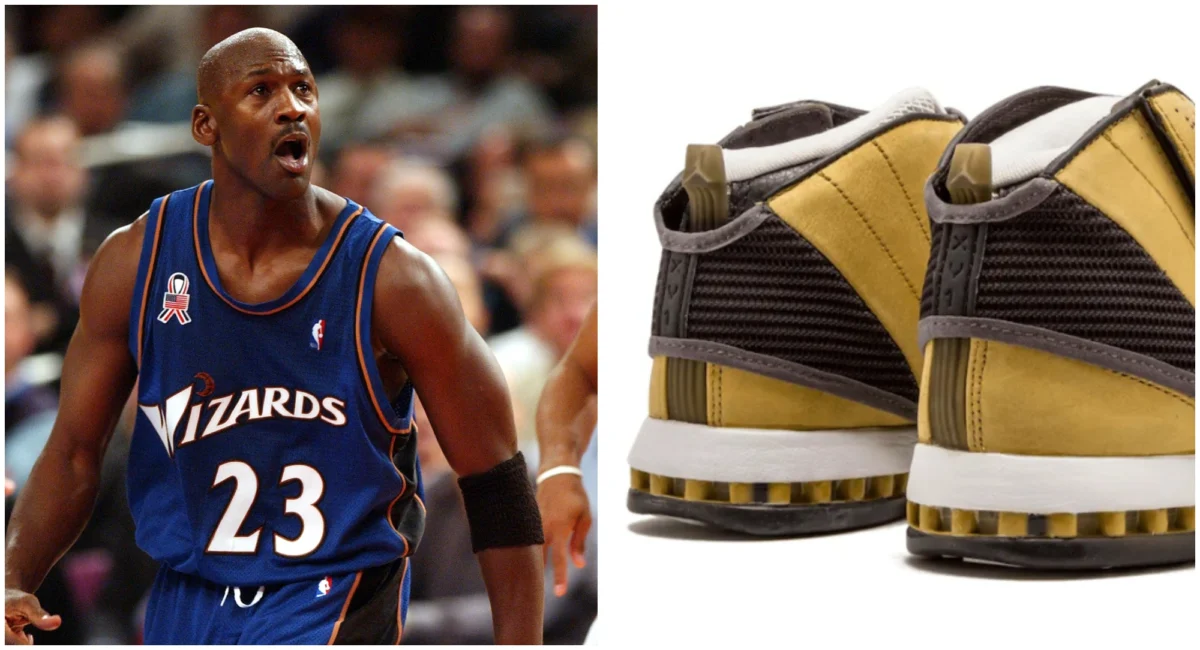
In the vast, sprawling pantheon of Michael Jordan’s footwear legacy, there exists a hierarchy of silhouettes. On the summit sit the perennials—the Air Jordan 1, 3, and 4—shoes that maintain a near-constant presence on retail shelves, serving as the bedrock of the Jordan Brand’s commercial identity. Below these pillars lie the cult classics, models that defined specific eras of design evolution but remain elusive in the modern market. Among these, few hold the same mythic status as the Air Jordan 16.
While the Air Jordan 16 has seen occasional, sporadic releases, it has largely been relegated to the archives. However, that silence is set to be broken. According to industry insiders, including @zsneakerheadz, @brandon1an, Sneaker Market Romania, and Sneaker Files, the Air Jordan 16 Retro OG “Ginger”—a colorway that has not seen a formal reissue since its 2001 debut—is officially slated to return in the summer of 2027.
Main Facts: The Resurrection of the Ginger
The upcoming return of the "Ginger" colorway is not merely another entry in the Jordan Brand’s release calendar; it is a significant event for footwear historians and collectors alike. The sneaker, identified by style code IX7269-700, is expected to retail at $245.
The "Ginger" variant stands as an outlier in the Jordan catalog. When it originally hit the market in 2001, it challenged the status quo of performance basketball footwear. Eschewing the traditional team colors of the Washington Wizards—the team Michael Jordan was associated with at the time—the "Ginger" leaned into a lifestyle-forward aesthetic. With its buttery, tonal suede upper in a Ginger/Dark Charcoal/White palette, the shoe drew immediate, if unconventional, comparisons to the iconic Timberland 6-Inch Premium Boot. It was a bold aesthetic gamble that paid off, cementing the shoe’s place as a grail for those who prioritized fashion-forward design as much as on-court performance.

Chronology: A History of the Air Jordan 16
To understand the weight of this 2027 reissue, one must look back at the origins of the model. The Air Jordan 16 was released at the dawn of the new millennium, designed by Wilson Smith III. It was a period of transition for Jordan, who was then in his second retirement, serving as a front-office executive for the Wizards.
The 2001 Debut
The 2001 launch was marked by the introduction of a revolutionary feature: a removable magnetic shroud. This shroud covered the laces, giving the shoe a sleek, dress-shoe-like appearance that could be stripped away to reveal a high-performance basketball sneaker underneath. The "Ginger" colorway was part of this inaugural run, standing out against the more traditional "White/Navy" and "Black/Varsity Red" versions of the time.
The 2008 Countdown Pack
For seven years, the Air Jordan 16 remained largely unavailable, creating a vacuum in the market. In 2008, as part of the brand’s "Countdown Pack" initiative—which paired iconic numbered Jordan models to equal 23—the Air Jordan 16 finally saw a limited, sporadic return. While collectors were grateful for the inclusion, the release did little to satisfy the hunger for the specific "Ginger" iteration, which remained untouched in the vaults.
The Modern Era and Collaborations
In recent years, interest in the 16 has been piqued by collaborations, most notably the upcoming project with the Ghanaian brand Free the Youth. These modern interpretations have served to remind a new generation of sneakerheads of the model’s unique modular construction and avant-garde aesthetic, setting the stage for the highly anticipated 2027 OG reissue.

Supporting Data: Engineering the Avant-Garde
The technical specifications of the Air Jordan 16 were ahead of their time, bridging the gap between high-performance athletic gear and luxury lifestyle wear.
- The Shroud System: The most significant design element, the magnetic shroud, was a feat of engineering. It was the first time in the Jordan line that a performance shoe offered a "convertible" look.
- Materials: The 2001 Ginger used a premium suede that set a standard for "off-court" Jordan aesthetics. The durability and texture of this material were central to its "Timberland" comparison.
- Performance Tech: The 16 utilized a combination of Zoom Air in the forefoot and a visible heel Air unit, providing a ride that was both responsive and cushioned, suitable for the high-impact demands of the NBA court.
As of the current planning for the 2027 release, Jordan Brand is expected to maintain the OG specs as closely as possible, ensuring that the silhouette retains the weight and feel that made the original release a success.
Official Responses and Industry Outlook
While official press releases from Nike are typically reserved for closer to the release date, the buzz surrounding the 2027 return is already palpable within the industry. Analysts at Footwear News and other specialized outlets note that this move signals a broader strategy by Jordan Brand: the "heritage mining" of the early 2000s.
"The market has matured," says an industry consultant familiar with the brand’s strategy. "The younger demographic is moving past the ‘safe’ bets of the Jordan 1 and 4. They are hunting for the weird, the experimental, and the rare. The Air Jordan 16 fits that narrative perfectly."

Furthermore, the price point of $245 reflects the "premium" tier of the retro market. Jordan Brand is positioning the 16 not as a mass-market commodity, but as a limited, specialized release intended for the core collector base. Retail availability is expected to be concentrated on the SNKRS app and select global retailers known for carrying high-heat, limited-run inventory.
Implications: The Shift in Sneaker Culture
The return of the Air Jordan 16 "Ginger" has several implications for the future of sneaker culture:
1. The Death of the "Safe" Retro
For a decade, the sneaker market was dominated by a handful of colorways. The success of more obscure retros suggests that the market is ready for a wider variety of historical models. The 16 represents a "designer" era of the Jordan line—one that favored architectural silhouettes over simplistic color blocking.
2. The Rise of the "Modular" Trend
The 16’s shroud system is a direct precursor to modern modular sneaker design. By bringing back a shoe that prioritizes customization, Jordan Brand is tapping into the current consumer demand for personalization and multi-functional footwear.

3. Preservation of the Jordan Legacy
By reissuing the "Ginger," Jordan Brand is fulfilling a promise to its most loyal fans. There is a segment of the collector community that has spent over two decades scouring secondary markets for an original, wearable pair of 2001 Gingers. This release democratizes that access, effectively "preserving" the model for future generations.
4. Economic Impact
With a $245 retail price, the release is a high-margin play. It indicates that Nike is confident in the purchasing power of the "legacy" sneaker enthusiast—a group that is typically older, more affluent, and deeply invested in the history of the Jumpman.
Conclusion: A Summer to Remember
The summer of 2027 is shaping up to be a defining moment for the Jordan Brand. By reaching back to the 2001 "Ginger" Air Jordan 16, the company is doing more than just selling a pair of shoes; it is validating a specific, bold chapter of its design history.
For the collector who grew up in the early 2000s, this is a return to a time when design risks were celebrated. For the new generation, it is an introduction to one of the most sophisticated, experimental sneakers ever to carry the Air Jordan name. As we await further details, one thing is certain: when the shroud finally comes off in 2027, the sneaker community will be watching closely. The "Ginger" is not just a retro; it is a reminder that in the world of footwear, the most enduring legacies are often the ones that dared to be different.
 Neng Nana
  Ali Ikhwan
  Lina Hope