
 By Reynand Wu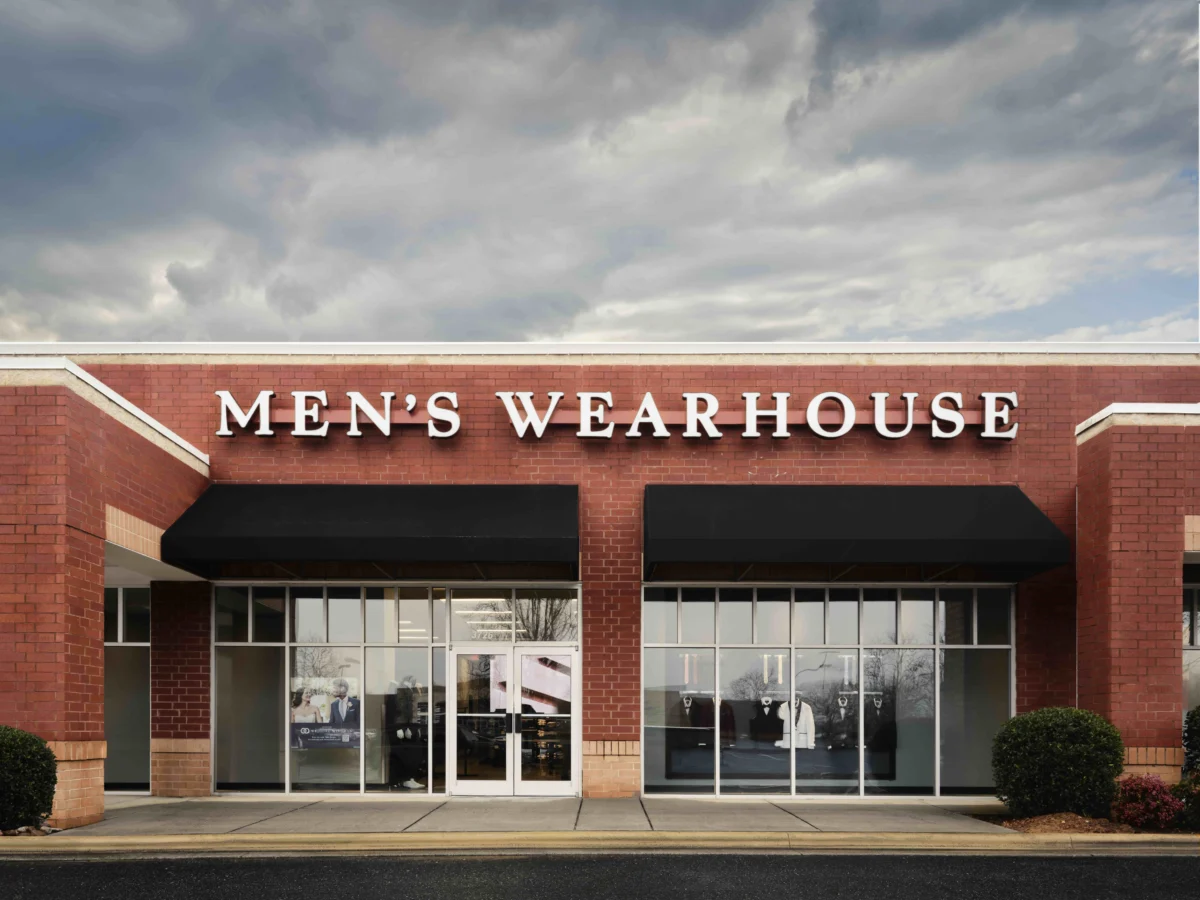
The landscape of Wall Street is witnessing a renewed appetite for retail, with a fresh wave of fashion-focused companies signaling their intent to transition from private hands to the public exchange. Following in the footsteps of niche players like Reformation—which is currently navigating its own path toward an initial public offering (IPO)—Tailored Brands Inc. has officially thrown its hat back into the ring. The parent company of industry stalwarts Men’s Wearhouse, Jos. A. Bank, and K&G Fashion Superstore filed its registration statement with federal regulators this past Friday, marking a pivotal chapter in its corporate odyssey.
This move comes as part of a broader trend where investors, buoyed by favorable market conditions and a post-pandemic retail recovery, are seeking to capitalize on established, high-volume apparel entities. For Tailored Brands, this filing represents more than just a capital-raising exercise; it is a declaration of operational stability and a testament to its successful navigation through one of the most turbulent periods in modern retail history.
A Chronicle of Transformation: From Bankruptcy to Boardrooms
The history of Tailored Brands is a narrative of ambition, systemic shocks, and eventual restructuring. Founded in 1973 as The Men’s Wearhouse, the company grew into a titan of the American retail sector, defining the “off-the-rack” suit market for decades. However, the company’s trajectory shifted significantly following its aggressive acquisition of key competitor Jos. A. Bank. While intended to consolidate market share, the acquisition saddled the firm with a formidable debt load that constrained its agility.
The external environment eventually proved insurmountable when the COVID-19 pandemic paralyzed global supply chains and obliterated the demand for formal menswear almost overnight. In August 2020, Tailored Brands filed for Chapter 11 bankruptcy, a move necessitated by the evaporation of the social events, weddings, and corporate office functions that historically fueled its revenue.
The restructuring process, however, was remarkably efficient. By December 2020, the company emerged from bankruptcy with its former lenders effectively stepping into the driver’s seat. This transition allowed for a significant de-leveraging of the balance sheet and a wholesale re-evaluation of the brand’s business model. Under the stewardship of its post-bankruptcy leadership, Tailored Brands pivoted toward a more streamlined, data-driven approach, shedding redundant overhead and focusing on the core strengths that have kept the company relevant for nearly half a century.
Market Dominance and Supporting Financial Data
The registration statement filed last Friday offers a detailed look into the competitive moat surrounding Tailored Brands. Despite the seismic shifts in consumer behavior over the last five years, the company retains a dominant grip on its segment. According to the data provided to regulators, the company is responsible for one in every three pieces of tailored apparel sold in the United States and approximately one in five dress shirts. Perhaps most impressively, it commands nearly 60 percent of the men’s rental market—a high-margin, recurring-revenue segment that remains a vital pillar of the company’s financial health.
The financial performance reported in the filing paints a picture of a company in recovery mode, moving toward sustained growth. For the most recent fiscal year, Tailored Brands saw its net sales rise by 2.1 percent, reaching a total of $2.5 billion. More indicative of its operational restructuring, earnings grew by a substantial 25.5 percent, totaling $217.2 million.
While the specifics of the offering—including the anticipated share price and the total volume of shares to be floated—remain intentionally opaque at this stage, the company’s intent for the proceeds is clear. Tailored Brands plans to utilize the capital influx primarily to further pay down debt and support general corporate initiatives. This is a critical move to appease prospective shareholders, signaling that the company is prioritizing fiscal health and long-term sustainability over aggressive, debt-fueled expansion.
Leadership’s Vision: The Human Connection Thesis
John Tighe, who has served as the chief executive officer of Tailored Brands for the past five years, provided a personal and strategic rationale for the company’s public return in a letter addressed to future shareholders. Tighe’s leadership has been defined by his attempt to bridge the gap between traditional brick-and-mortar service and the modern, omnichannel retail experience.
“Our business is built on genuine human connection: customers feeling welcomed, supported and understood,” Tighe wrote in the filing. He emphasized the emotional and milestone-driven nature of the business, noting that for many men, the purchase of a suit is inextricably linked to life’s defining moments—proms, graduations, first job interviews, and weddings. “Every day, customers walk into our stores seeking guidance for these occasions. Helping them feel confident and at their best is at the heart of our culture.”
Beyond the sentiment, Tighe’s investment thesis is rooted in the "polished casual" market—a $33 billion sector that sits at the intersection of traditional suiting and contemporary comfort. "We are successfully introducing our brands to new customers and deepening our relationship with millions of previous customers," Tighe stated. "Our self-funded investments in highly productive new stores, a world-class marketing engine and a deeper presence in the polished casual category is just beginning to unlock our full potential."
Implications for the Future of Retail
The decision to go public again carries significant implications for both Tailored Brands and the wider retail sector.
1. The Validation of "Bricks-and-Clicks"
Tailored Brands’ strategy highlights the enduring necessity of physical retail in the apparel space. While many brands have shuttered storefronts in favor of pure-play e-commerce, Tailored Brands argues that the "guidance" and "human connection" provided by store associates are irreplaceable for items like high-end suits. By continuing to invest in highly productive physical locations, the company is betting that the personal touch remains a critical competitive advantage.
2. Market Sentiment and Valuation
The market’s reception to this IPO will serve as a barometer for investor confidence in the "old-school" retail sector. If Tailored Brands can successfully achieve a valuation that reflects its earnings growth, it may encourage other private equity-held retail chains to follow suit. Conversely, if the market remains skeptical of traditional suiting in a post-remote-work world, it could signal a cooling period for retail IPOs.
3. Debt Management and Long-Term Viability
The primary objective of this IPO is the continued reduction of debt. By moving from private lender-ownership to a broader public shareholder base, Tailored Brands is diversifying its capital structure. This transition is essential for the company to avoid the liquidity traps that led to its 2020 bankruptcy. For investors, the success of this IPO will hinge on their belief that management can maintain the current margin improvements while successfully capturing the "polished casual" demographic.
4. Cultural Shifts in Menswear
Finally, the IPO highlights a pivot in what constitutes "formal" attire. The focus on the $33 billion polished casual market indicates that Tailored Brands recognizes the permanent shift away from the five-day-a-week suit-and-tie office environment. The company’s ability to remain relevant in a world where "business casual" has become the standard will be the ultimate test of its business model.
As Tailored Brands prepares for its roadshow, the financial world will be watching closely. It is a classic tale of redemption: a legacy brand that survived the worst of the pandemic, restructured its internal operations, and is now attempting to re-establish its value proposition on the biggest stage of all. Whether the company can successfully translate its "human connection" philosophy into sustained stock market performance remains the ultimate question. However, for now, the path is set, and the company is banking on the idea that even in an increasingly digital world, the need for a well-fitted suit—and the confidence it provides—is timeless.
 Neng Nana
  Ali Ikhwan
  Lina Hope