
 By Pevita Pearce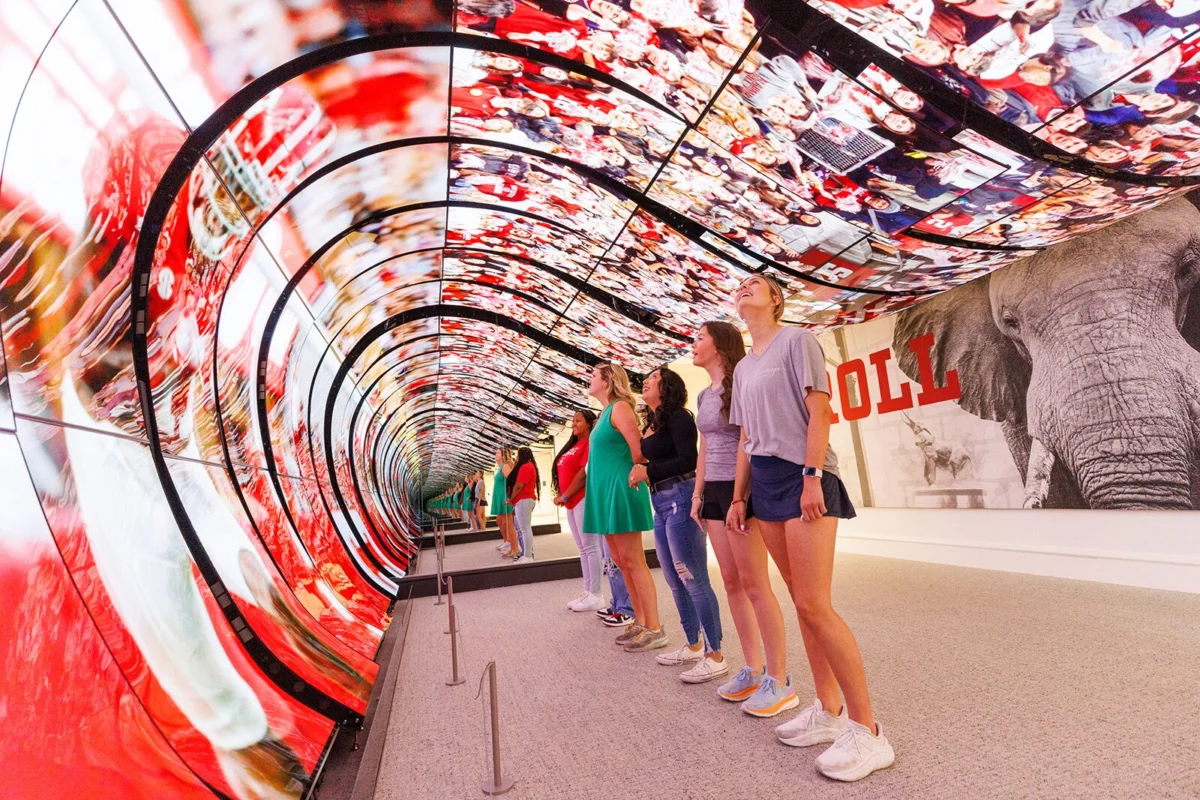
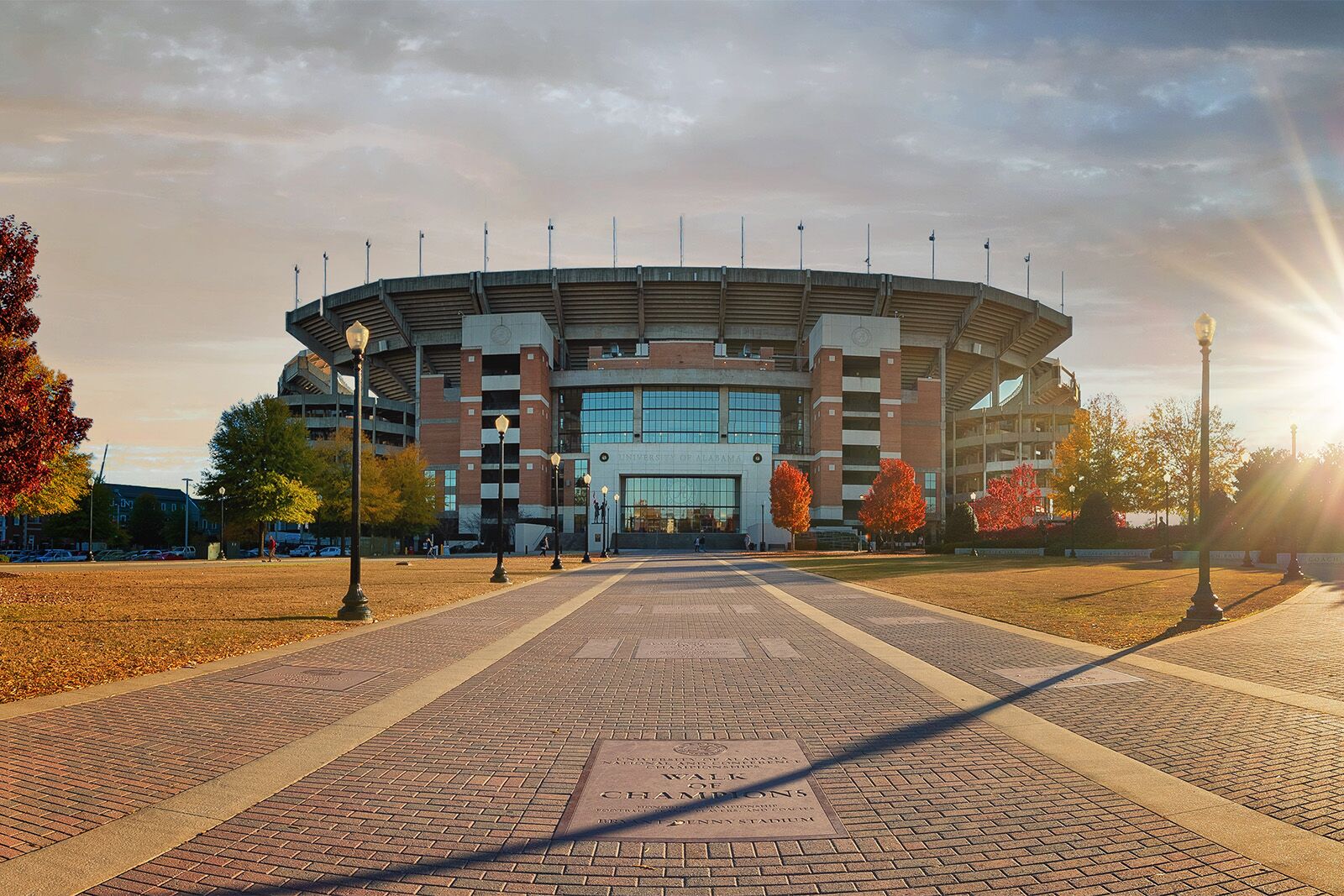
Tuscaloosa, Alabama, is often synonymous with the roar of Bryant-Denny Stadium and the storied legacy of University of Alabama football. However, for those who venture beyond the gridiron, the city reveals itself as a multifaceted destination where Southern charm, a rich civil rights history, and a rapidly evolving culinary scene converge. Whether you are traveling from major Southern hubs like Atlanta, New Orleans, or Nashville, or arriving from further afield, Tuscaloosa offers a compelling two-to-three-day itinerary that balances outdoor adventure with deep cultural immersion.
Main Facts: The Essence of the Druid City
Tuscaloosa serves as a vital economic and cultural anchor in west-central Alabama. Strategically positioned along the Black Warrior River, it is roughly an hour’s drive from Birmingham and accessible from Montgomery, Chattanooga, and the Gulf Coast. The city’s geography is uniquely defined by the transition where the Appalachian foothills meet the Gulf Coastal Plain, creating a diverse landscape of forested ridges and verdant river valleys.
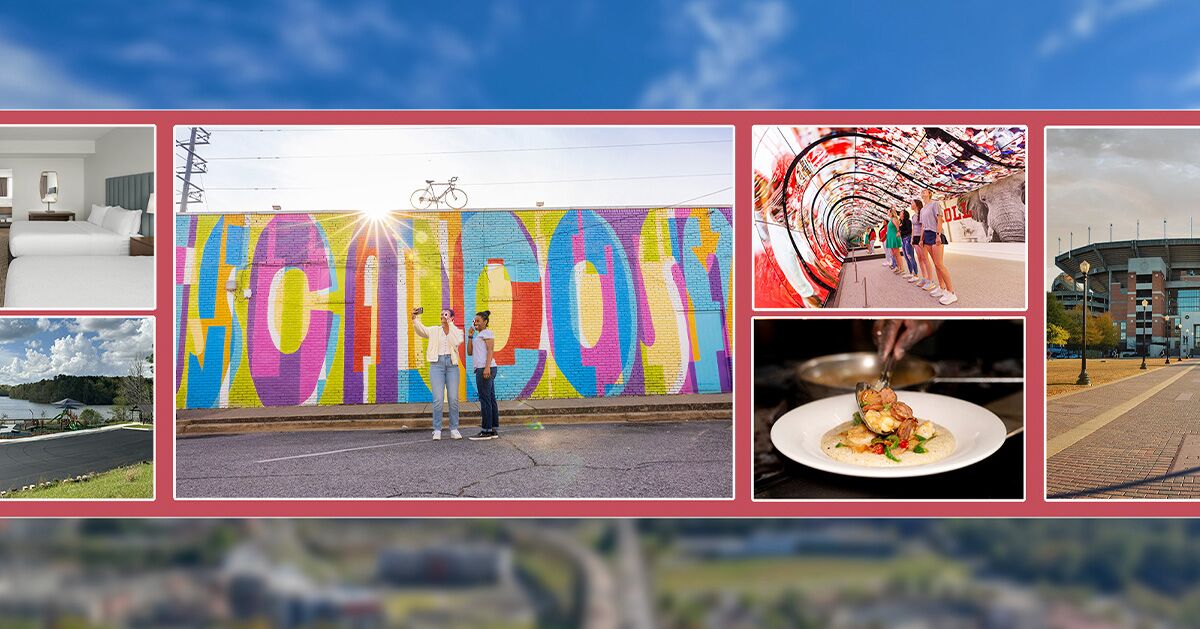
The city is more than its academic prestige; it is a hub for history enthusiasts, outdoor adventurers, and foodies seeking authentic Southern flavors. With a downtown core that has undergone significant revitalization and a vibrant Northport neighbor across the river, Tuscaloosa is positioning itself as a premier weekend getaway in the Deep South.
Chronology: A Tapestry of Growth and Transformation
The development of Tuscaloosa is a study in transformation. Historically a center for state governance and education, the city has weathered periods of immense social tension to emerge as a forward-looking destination.
- 19th Century Origins: Once the state capital, Tuscaloosa’s historical footprint is marked by sites like Capitol Park, which serves as a poignant reminder of the city’s early legislative importance.
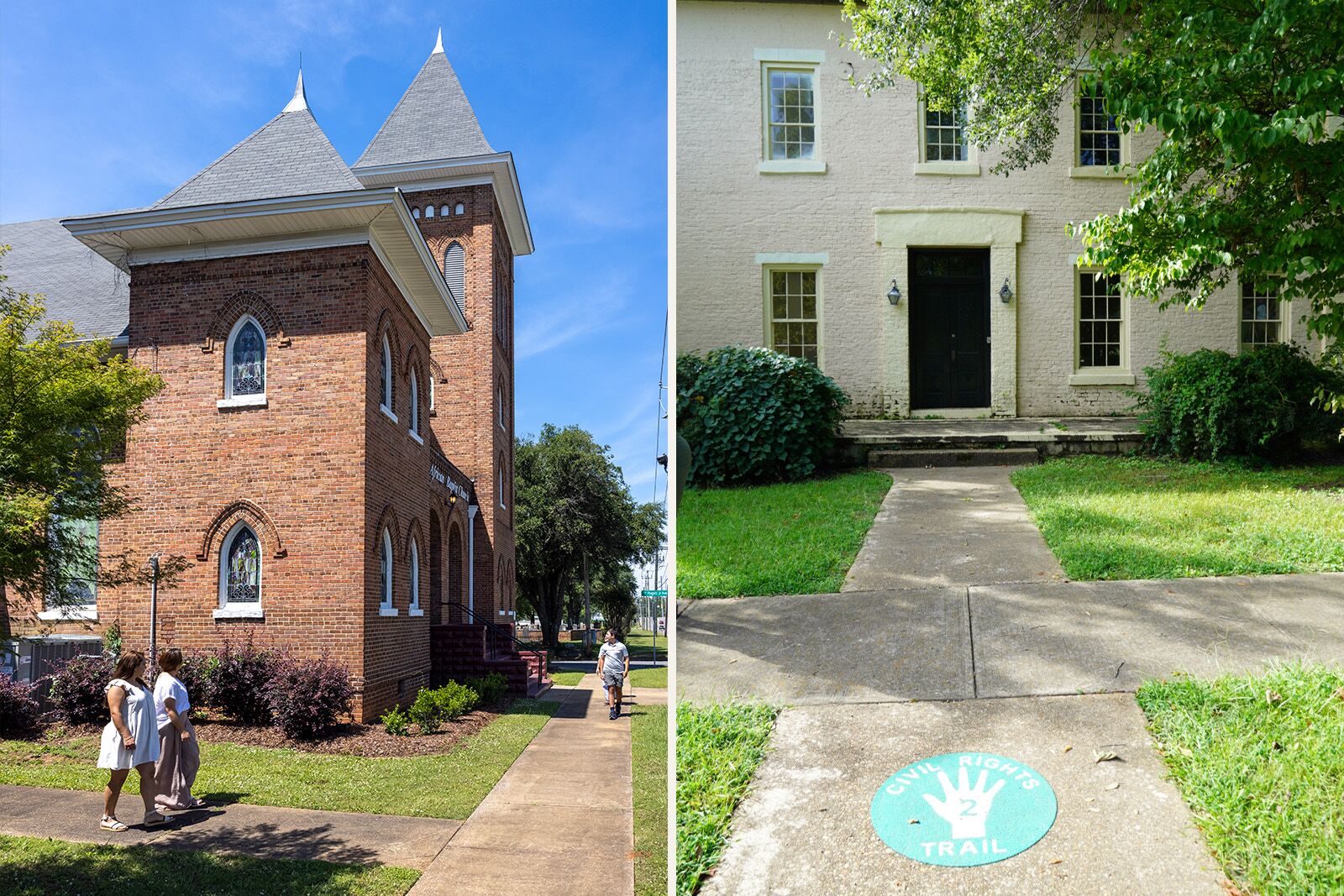
- 1964: The Bloody Tuesday Event: A watershed moment in the Civil Rights Movement, this era is now commemorated through the Tuscaloosa Civil Rights Trail, which traces the courageous path of activists who fought for desegregation.
- 2020–Present: The post-pandemic years have seen a surge in local entrepreneurship. New establishments like Urban Bar & Kitchen and artisanal bakeries like Ben’s Bread have injected fresh energy into the downtown dining scene, complementing long-standing staples like Thomas Rib Shack.
Exploring the Outdoors: Lake Lurleen and the Riverwalk
While the city streets are lively, the natural beauty of Tuscaloosa County is arguably its greatest asset.
Lake Lurleen State Park: A Multi-Million Dollar Upgrade
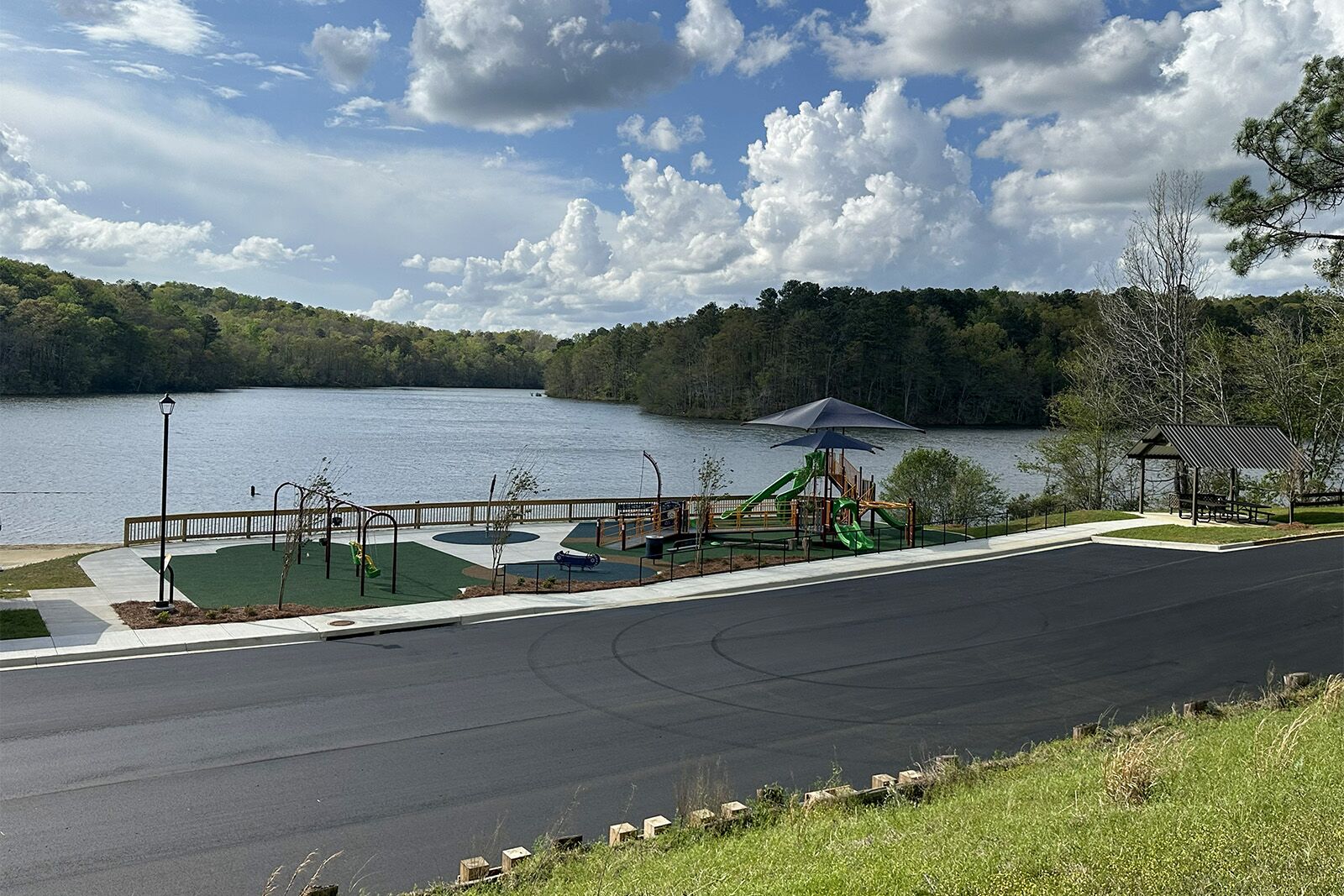
Located just 20 minutes from the city center, the 1,625-acre Lake Lurleen State Park has recently concluded a multi-million-dollar renovation. This project was designed to modernize the visitor experience, featuring upgraded utility hookups, high-speed broadband and Wi-Fi, and extensive ADA-compliant infrastructure.
The park is anchored by a 250-acre lake that serves as a focal point for swimming, fishing (a license is required), and boating. For those seeking an immersive experience, the park offers 67 campsites, including new safari-style glamping tents managed by Timberline Glamping. These units provide a "comfort-first" approach to nature, featuring electricity, air conditioning, and plush bedding. With over 23 miles of trails, the park is a premier destination for mountain bikers and hikers alike, offering terrain that shifts seamlessly from dense forest to wetland ecosystems.
The Tuscaloosa Riverwalk
For a more urban escape, the Tuscaloosa Riverwalk provides a scenic corridor along the Black Warrior River. It is the perfect venue for a morning jog or a leisurely evening stroll, connecting the city’s downtown attractions to the natural beauty of the waterfront.
Cultural Heritage: The Civil Rights Trail
To understand modern Tuscaloosa, one must engage with its history. The Tuscaloosa Civil Rights Trail is an 18-stop self-guided tour that provides an unflinching look at the city’s past.
Starting at the First African Baptist Church—a critical hub for leaders like the Rev. T.Y. Rogers, Jr.—the trail documents the struggle for equality, including the events of "Bloody Tuesday" in June 1964. Visitors are encouraged to download the digital passport from the Visit Tuscaloosa website, which provides context for the Linton Barbershop Plaza, the old city jail, and various commemorative murals. It is an educational journey that honors the resilience of the local community.
Supporting Data: Economic and Tourism Trends
The shift in Tuscaloosa’s tourism profile is backed by robust infrastructure investment.
- Lodging Capacity: Downtown Tuscaloosa currently features nearly 900 hotel rooms, with high-end options like the Embassy Suites and the boutique Hotel Indigo serving as catalysts for downtown foot traffic.
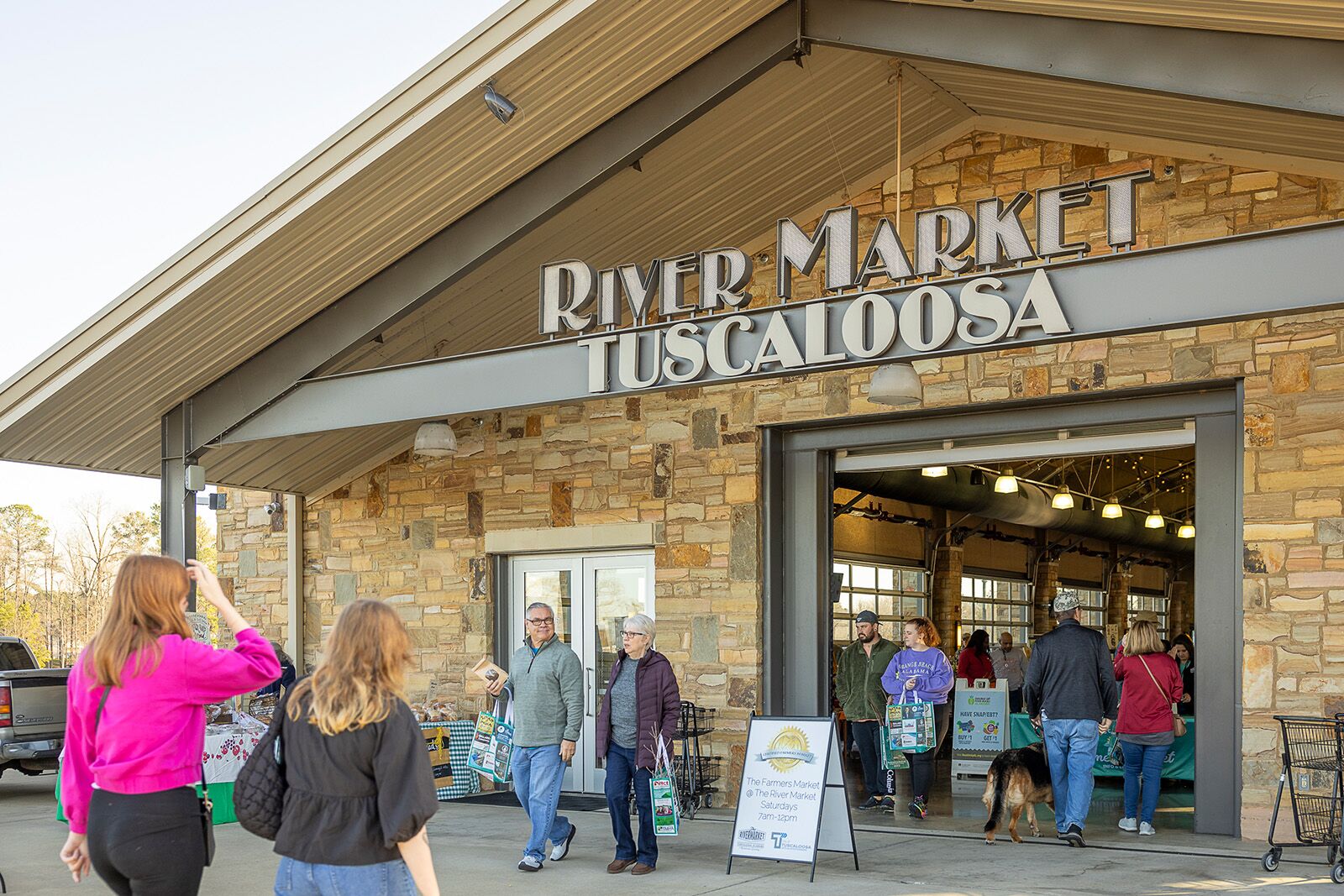
- Market Reach: The Tuscaloosa Farmers Market, held at the River Market, hosts nearly 70 vendors weekly. Its expansion into Tuesday afternoon hours during the summer months is a direct response to increased demand for locally sourced produce and artisanal goods.
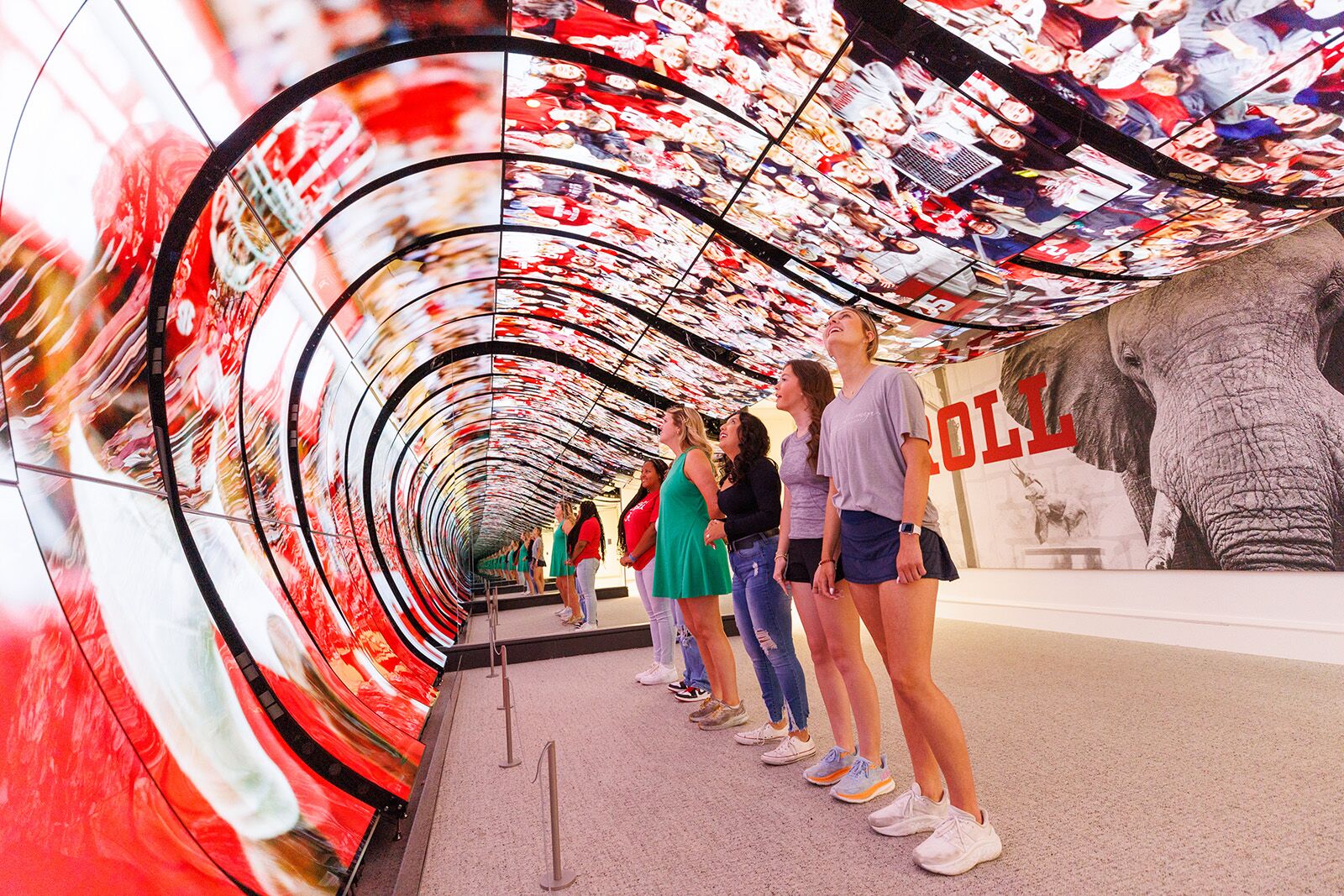
- Educational Tourism: The Catherine and Pettus Randall Welcome Center on the University of Alabama campus serves as a bridge between the university and the public, hosting thousands of visitors annually. It provides a sophisticated, interactive look at the history of the university and the nearby historic Bryce Hospital site.
A Culinary Tour of Tuscaloosa
Dining in Tuscaloosa is a blend of high-concept fine dining and soul-warming Southern comfort.
Downtown Dining Highlights
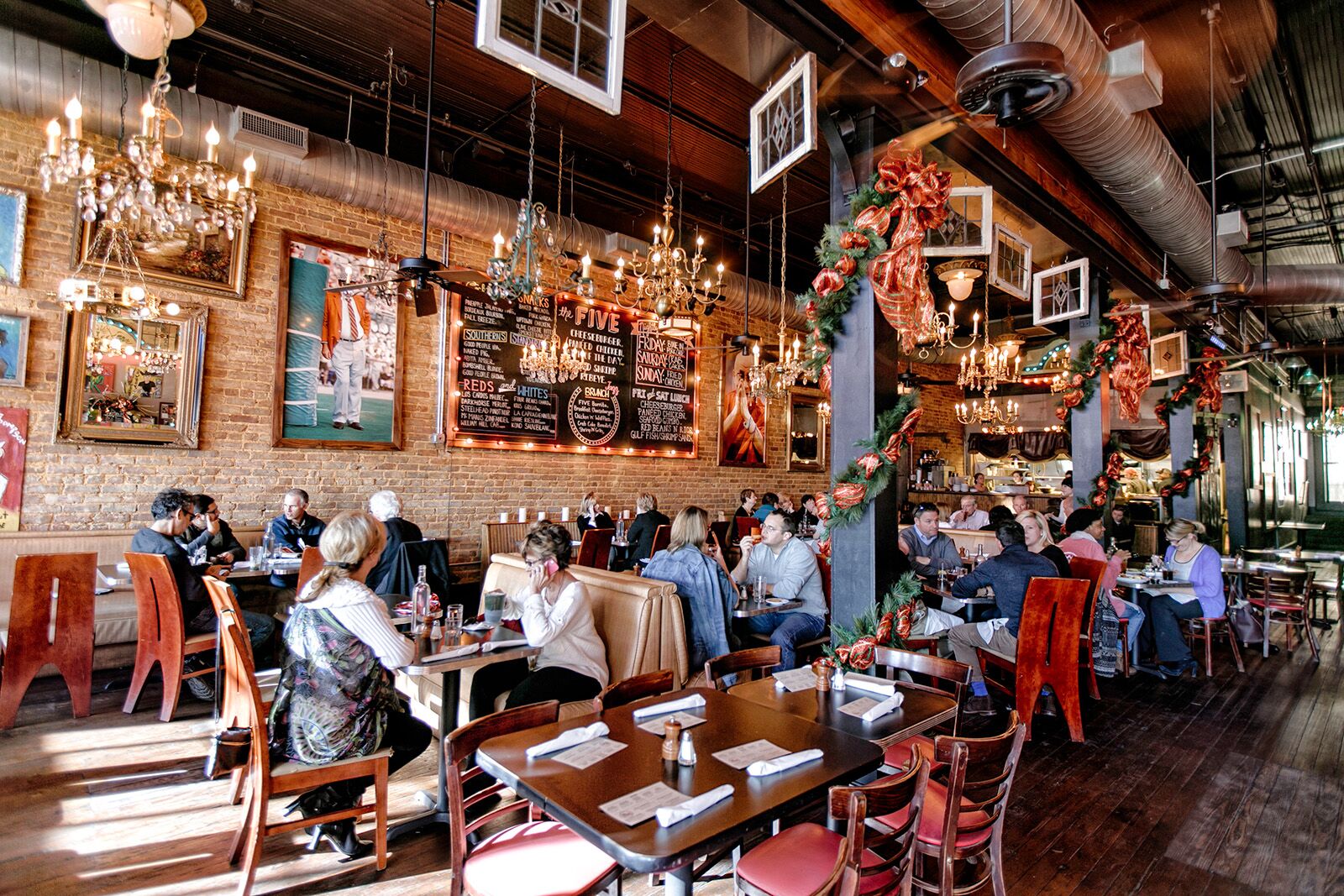
- Five Bar: Renowned for its "rule of five" menu (five appetizers, five entrees, five specials), this spot is a favorite for its panko-crusted chicken and jazz brunches. The interior serves as a gallery for Alabama folk art, notably the work of Jimmy Lee Sudduth.
- Urban Bar & Kitchen: A modern addition to the scene, this restaurant excels in elevated comfort food. Their "bacon bombs"—a savory blend of pimento, bacon, and cheese—are a must-try.
- Evangeline’s: Representing the city’s premier white-tablecloth experience, this restaurant provides a sophisticated take on seafood, offering everything from Chilean sea bass to Wagyu flat iron steaks.
Local Staples and Bakeries
- Thomas Rib Shack: A generational institution, this is where you go for authentic barbecue, oxtail, and the quintessential Southern experience of a slice of caramel cake.
- Ben’s Bread: A testament to the power of the local food movement, this bakery evolved from a farmers market stall into a brick-and-mortar destination famous for its sourdough and inventive "cruffins."
- Heritage House Coffee & Tea: A multi-generational cornerstone, this establishment serves as a community hub, offering unique "dirty sodas" and their signature cheddar-sausage biscuits.
Official Responses and Strategic Vision
Local tourism officials emphasize that the city is no longer content being a "one-weekend-a-year" town. The investment in the Lake Lurleen renovations and the promotion of the Civil Rights Trail are part of a strategic effort to diversify tourism. By branding Tuscaloosa as a "destination for all seasons," the city aims to attract families, outdoor enthusiasts, and cultural travelers who seek the depth of the Alabama experience without the constraints of a game-day schedule.
Implications for Future Travelers
For the prospective traveler, the implication is clear: plan ahead. While the city is easily navigable, peak events (specifically home football games) can significantly alter pricing and availability for rideshares and accommodations.
When visiting, consider the "Northport Detour." A short drive across the river reveals the historic City Cafe, one of the region’s oldest eateries, and a collection of boutique shops and the Kentuck Art Center. It is here, away from the neon lights of the university, that you find the quiet, beating heart of Tuscaloosa County.
Whether you are looking to explore the Appalachian transition zones on a mountain bike, reflect on the history of the Civil Rights movement, or simply enjoy a world-class meal in a city that prides itself on hospitality, Tuscaloosa stands ready to exceed expectations. It is a city that invites you to pull up a chair, stay a while, and discover the layers beneath the Crimson tide.
 Nana Wu
  Jia Lissa
  Evan Lee Salim