
 By Laily UPN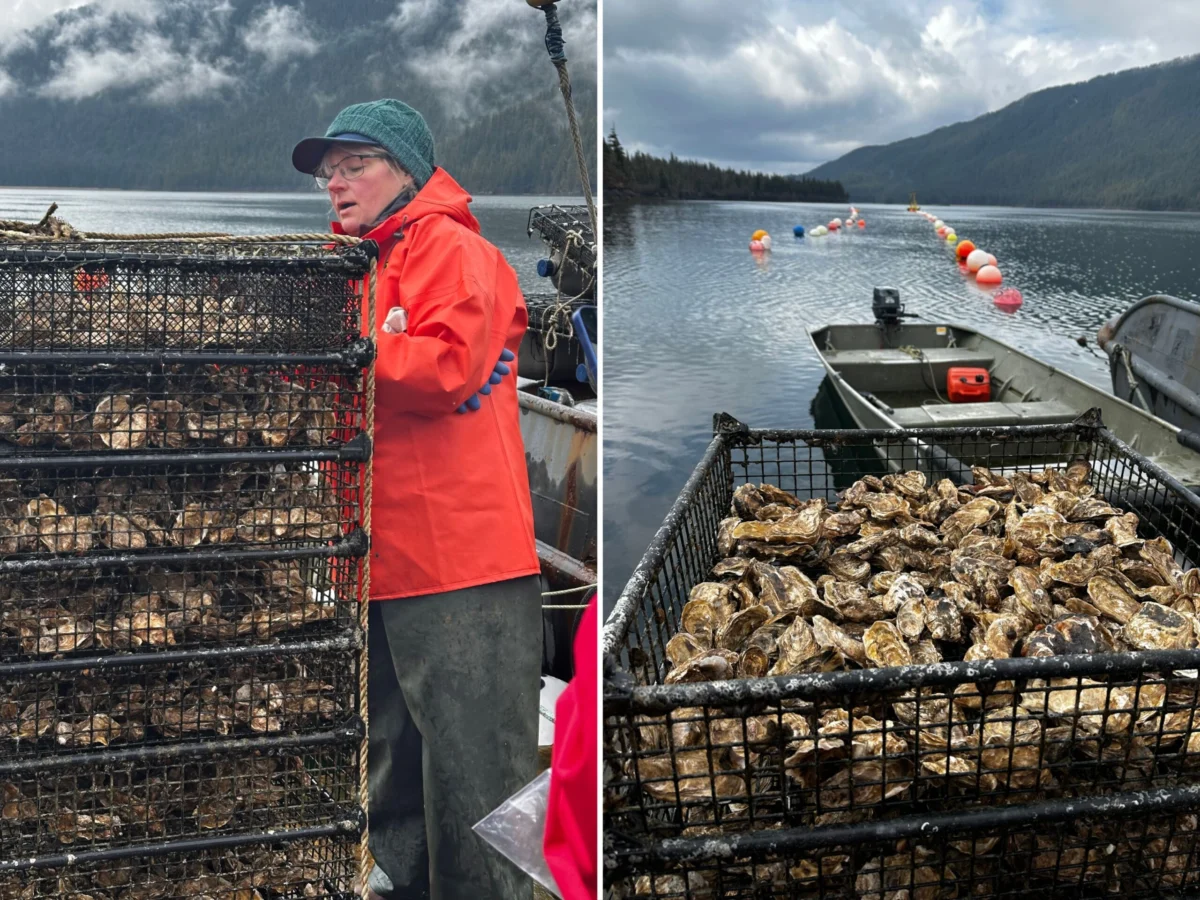
In the icy, nutrient-dense waters of Prince William Sound, a quiet revolution is taking root. For decades, the global identity of Alaskan seafood has been synonymous with wild-caught salmon—a multi-billion-dollar industry that serves as the lifeblood of coastal communities. However, as climate change, fluctuating water temperatures, and collapsing fish stocks create an increasingly volatile future for traditional fisheries, a resilient new cohort of farmers is looking to the ocean floor for salvation.
In Cordova, a town defined by its isolation and dramatic mountain vistas, a handful of pioneers are cultivating a regenerative mariculture industry. By farming sugar kelp, bullwhip kelp, and oysters, these producers are not just diversifying their income; they are actively working to restore the marine ecosystem while providing a blueprint for the future of sustainable food production in the North.
The Main Facts: A New Economic Anchor
The transition from extraction to cultivation in Cordova is a response to both environmental and economic necessity. Thea Thomas and Cale Hershcleb of Royal Ocean Kelp Co., Sean and Skye Den Adel of Noble Ocean Farms, and Seawan Gehlbach of Simpson Bay Oyster Company represent a new generation of Alaskan entrepreneurs.
These farmers are operating in a landscape where traditional fishing is becoming less predictable. As Thea Thomas notes, "It’s a struggle, life here, and the largest benefit of kelp is the diversification. It can’t support you completely, but it can play a part—create jobs, local incomes, and benefit the economy."
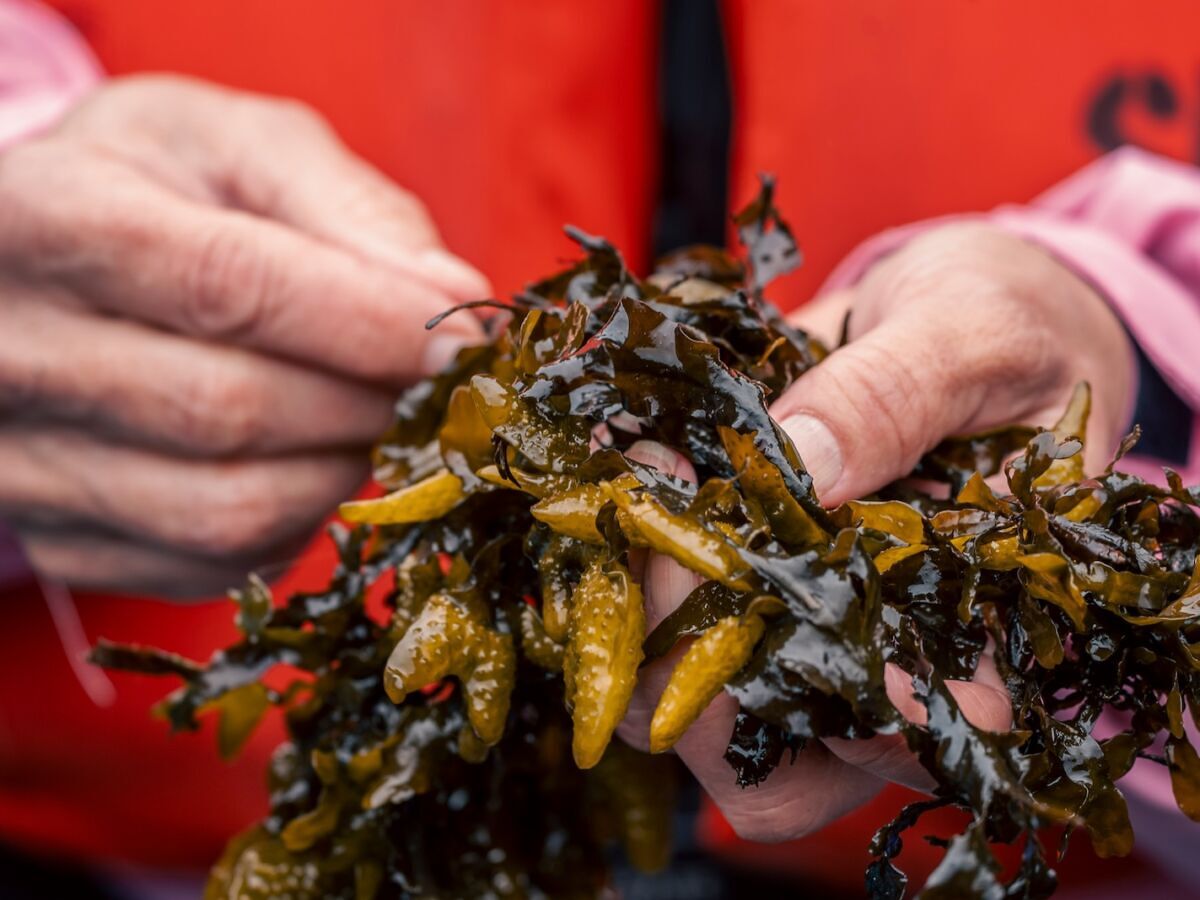
Unlike salmon fishing, which requires immense fuel consumption and travel to follow mobile schools of fish, mariculture is sedentary and regenerative. Kelp is a "zero-input" crop—it requires no fertilizer, no freshwater, and no land. It acts as a biological sponge, absorbing excess nitrogen and sequestering carbon, all while providing critical nursery habitats for juvenile fish and invertebrates.
Chronology: The Birth of an Industry
The journey of these farms has been marked by a steep learning curve, as Alaska’s mariculture sector is still in its infancy.
- 2019: Seawan Gehlbach establishes Simpson Bay Oyster Company, transitioning from a career as a biologist with the Alaska Department of Fish and Game to the life of an aquaculture entrepreneur.
- 2020: Sean and Skye Den Adel launch Noble Ocean Farms, with a mission to integrate sustainable kelp cultivation into the Prince William Sound ecosystem.
- 2021-2023: Early pioneers face significant operational hurdles. For Noble Ocean Farms, the initial attempt at farming was thwarted by glacial freshwater runoff and winter ice, forcing a complete relocation of their permit and infrastructure—a "trial-and-error" phase that resulted in the loss of a full season.
- 2024-2025: The industry begins to find its footing. Farmers move beyond raw product sales, experimenting with value-added goods like smoked kelp furikake, kelp-infused salsas, and beer collaborations with local institutions like Copper River Brewing.
- May 2026: A convergence of local producers, chefs, and researchers highlights the growing viability of the market, with tourists increasingly seeking out these "mariculture trails" alongside traditional Alaskan adventure tourism.
Supporting Data and Environmental Impact
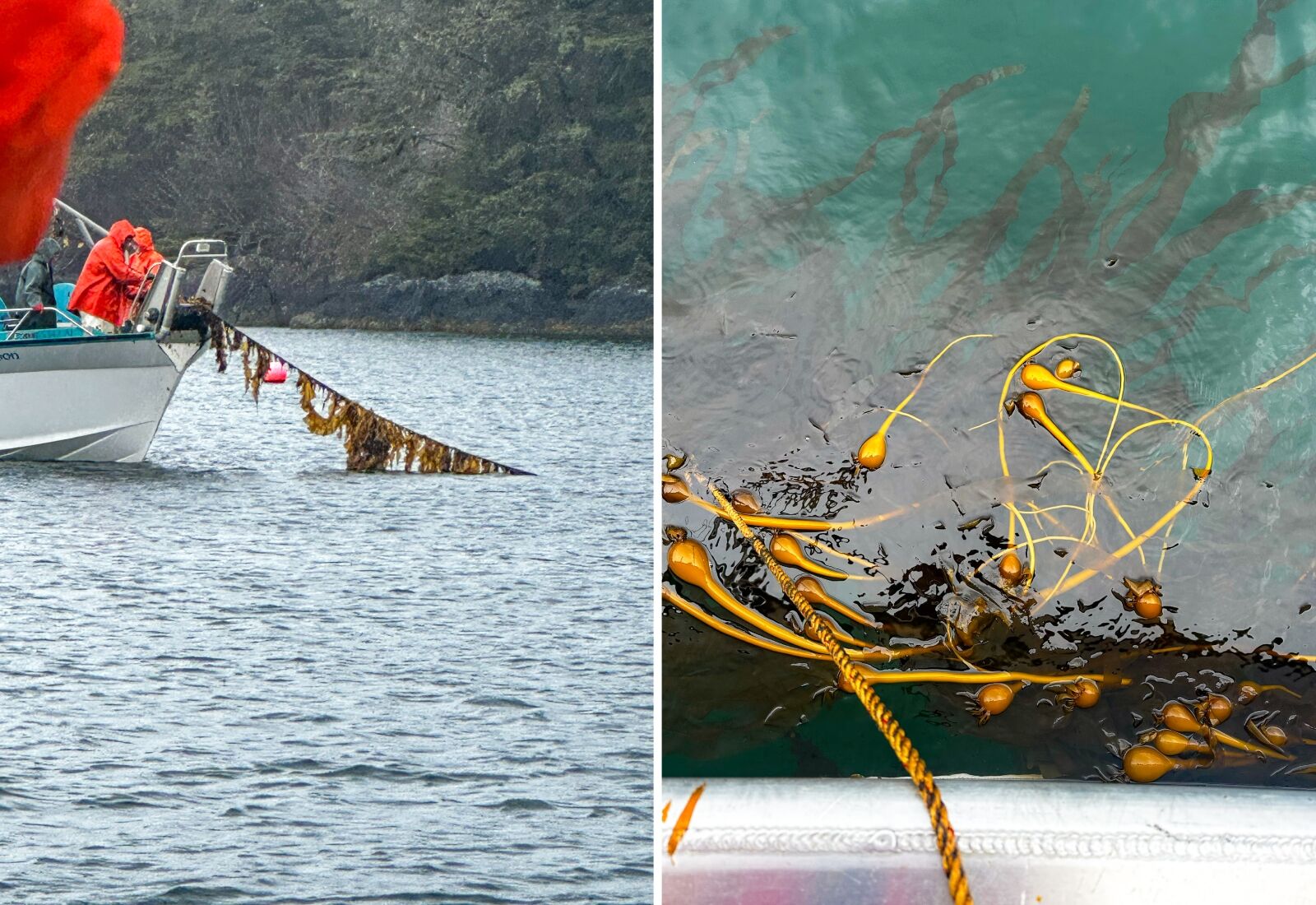
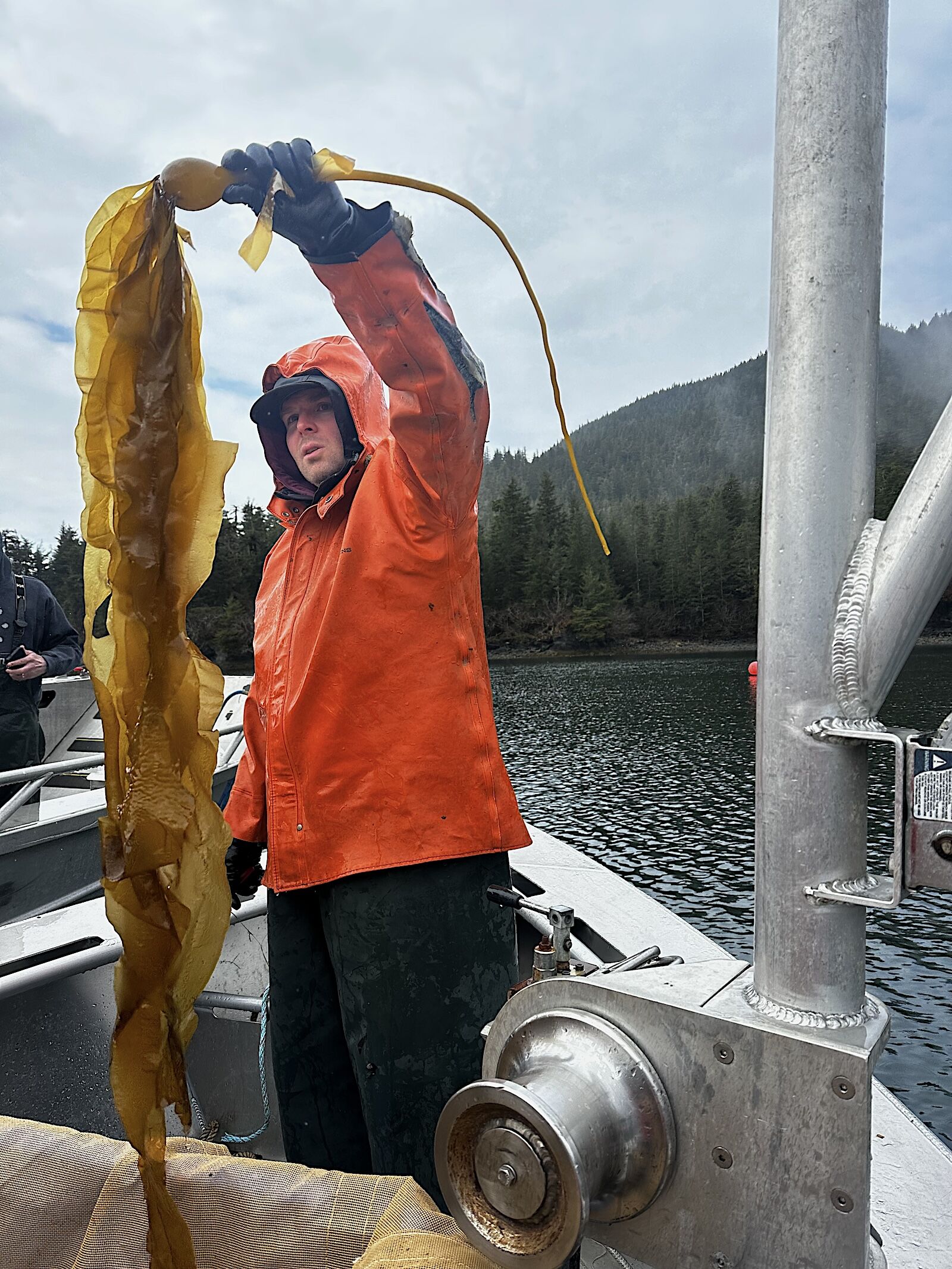
The scientific argument for kelp farming is compelling. Kelp is one of the fastest-growing organisms on Earth, and when cultivated on suspended lines—as seen at the Royal Ocean Kelp farm—it avoids the ecological disruption associated with bottom-trawling or land-based industrial farming.
The data suggests that these farms are acting as "oases" of biodiversity. During recent site visits, farmers and researchers noted the presence of sea otters, juvenile rockfish, and sea urchins thriving around the infrastructure of the farms. This is no coincidence; by creating a three-dimensional structure in the water column, these farms mimic the natural kelp forests that have been degraded by warming oceans and sea urchin overpopulation.
Furthermore, the scale of production is growing. A single farmer like Thea Thomas can harvest approximately 3,000 pounds of kelp in a week of intensive labor. While this is modest compared to the industrial scale of salmon processing, the value-per-pound and the ability to process the crop into shelf-stable goods (such as the bullwhip kelp used in Barnacle Foods’ popular pickles) create a significantly higher margin for the local economy.
Official Perspectives: The Struggle and the Reward
For the farmers, the work is as grueling as it is rewarding. The "May season" in Cordova is characterized by biting cold, relentless drizzle, and ferocious winds. On the FV Myrmidon, Thea Thomas often works in seven layers of clothing, harvesting during the narrow window of peak biomass before the kelp begins to naturally degrade.
"It’s really fun and energizing," Thomas says. "Developing new buyers, new products—it keeps the work interesting."
This sentiment is echoed by Seawan Gehlbach, who initially faced skepticism from Cordova’s deeply ingrained commercial fishing community. "I’m new to aquaculture, so there’s been a lot to learn," she explains. However, the turning point came when the town’s veteran fishermen began to support her work. When a local fisherman, famous for his smoked salmon, began trading his prized catch for her oysters, it served as the ultimate local seal of approval. "It warms my heart, and it keeps me growing oysters," she adds.
Implications for the Future of Alaska
The implications of this movement reach far beyond the local docks of Cordova. As the global demand for sustainable, plant-based, and nutrient-dense food increases, the "Alaska brand" of seafood is being redefined.
1. Economic Resilience
By pivoting toward mariculture, coastal towns like Cordova are buffering themselves against the "boom or bust" cycle of the salmon industry. The ability to produce food locally for the Native Village of Eyak’s food distribution program, for instance, strengthens community sovereignty and food security.
2. Ecotourism Integration
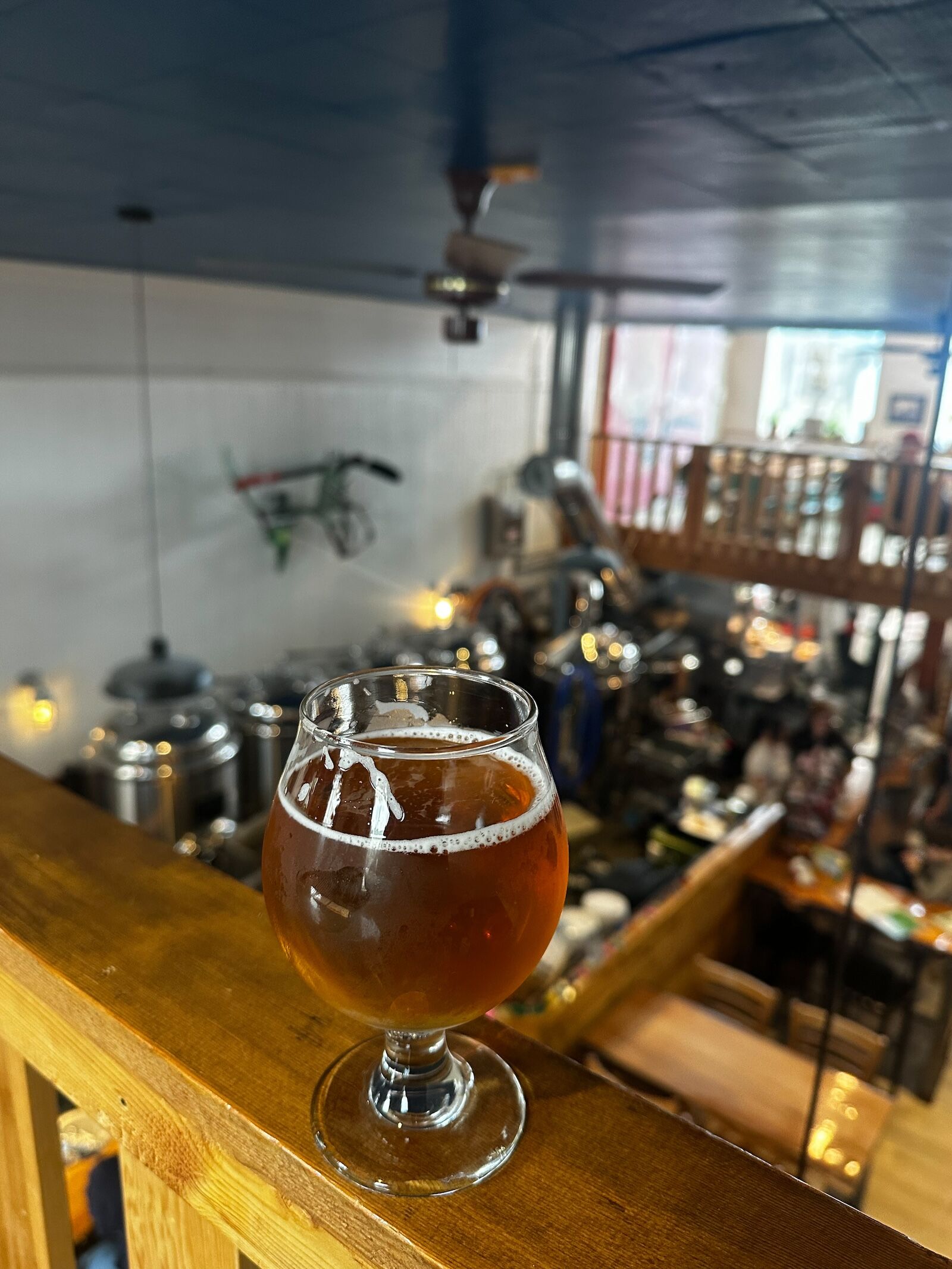
The rise of the "Oyster Voyage" and guided tours through the kelp farms suggests a future where tourism is not just about watching nature, but participating in the stewardship of it. Travelers are increasingly drawn to the authenticity of a harvest-to-table experience, where they can drink a "Sour Sea Witch" beer brewed with local kelp or purchase oysters pulled from the water just hours before.
3. Climate Adaptation
Perhaps most importantly, mariculture is a form of climate adaptation. While salmon stocks struggle with the warming "Blob" events in the Pacific, seaweed thrives in cooler, nutrient-rich waters. By promoting kelp, these farmers are creating a carbon-negative industry that helps mitigate the very climate changes that are threatening their traditional livelihoods.
Conclusion: The Road Ahead
The path for Cordova’s mariculture farmers is not without its obstacles. Permitting remains a complex bureaucratic hurdle, and the logistics of processing and distributing from an inaccessible, roadless town are significant. Yet, the energy on the water in May 2026 is undeniable.
Whether it is through the innovative partnerships with local breweries, the expansion of the Alaska Shellfish Growers Association’s initiatives, or the simple, quiet persistence of farmers working on the water at 8:00 AM, the message is clear: Alaska’s future is not just in the fish that swim, but in the life that clings to the rocks and the ropes beneath the surface. For the traveler, the foodie, and the environmentalist, Cordova is no longer just a stopover—it is the epicenter of a new, sustainable Alaskan legacy.
 Nana Wu
  Jia Lissa
  Evan Lee Salim