
 By Basiran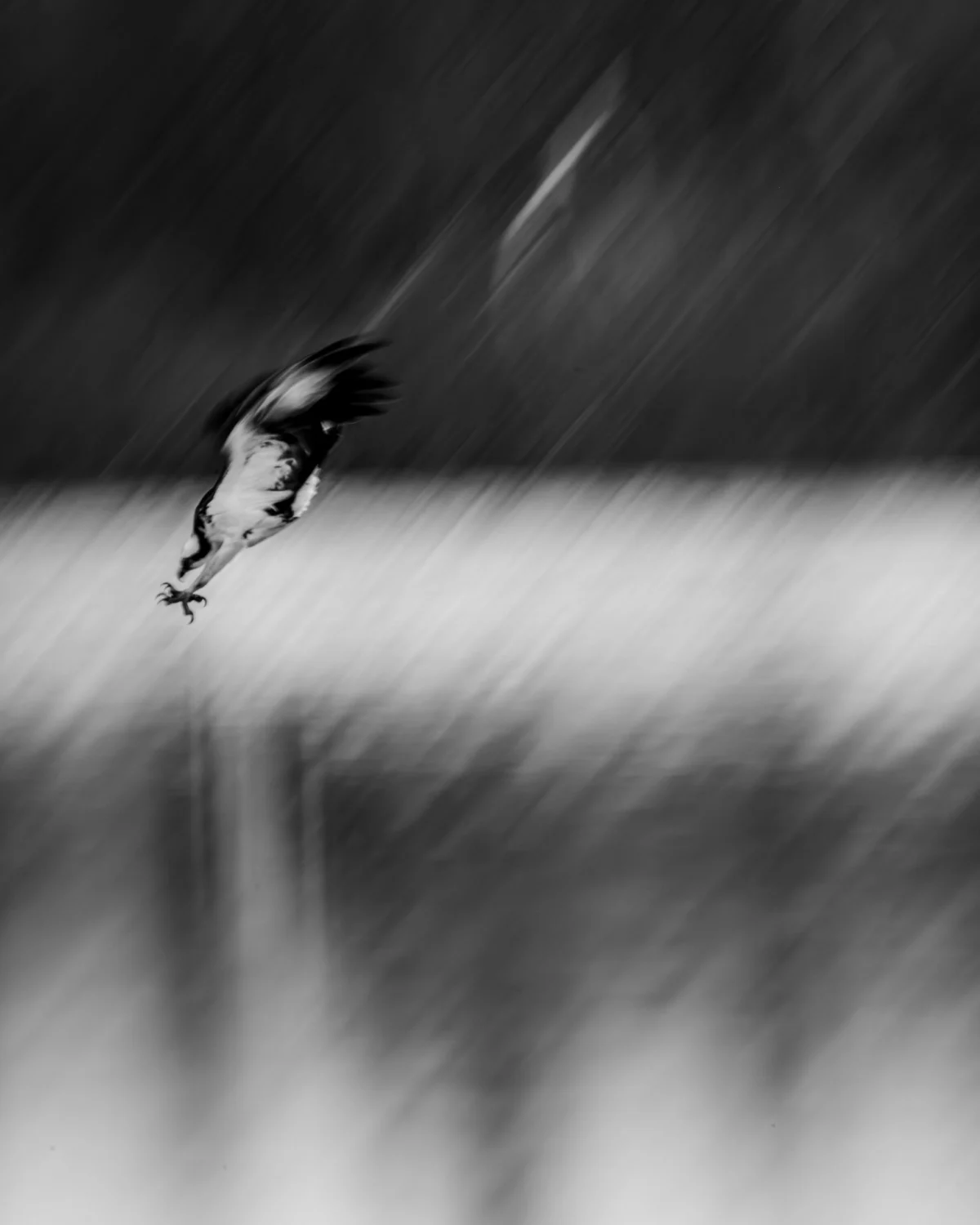
In the world of high-stakes wildlife photography, the prevailing ethos is often defined by "the perfect shot": a pin-sharp, freeze-frame image of a predator in action, captured with a telephoto lens at a lightning-fast shutter speed. However, Nikon Ambassador and acclaimed photographer Kristi Odom is challenging these conventions, arguing that the true soul of wildlife photography lies not in technical perfection, but in the emotional, often messy connection between the photographer and the natural world.
During a recent appearance on the PetaPixel Podcast, Odom detailed a philosophy of "creative movement" that prioritizes the visceral experience of a subject over the pursuit of clinical sharpness. Her work, which spans from the intricate macro details of the insect kingdom to the cinematic grandeur of apex predators, serves as a masterclass in how photographers can leverage their tools to tell more evocative, human-centric stories.
The Philosophy of Creative Movement
For Odom, the camera is an extension of her curiosity. "I love using my camera to connect deeply with nature," she explains. "Whether I’m discovering patterns in the macro world or trying to understand how a snake slithers, I’m constantly learning. When I ask myself, ‘What am I feeling?’ the answer is often movement."
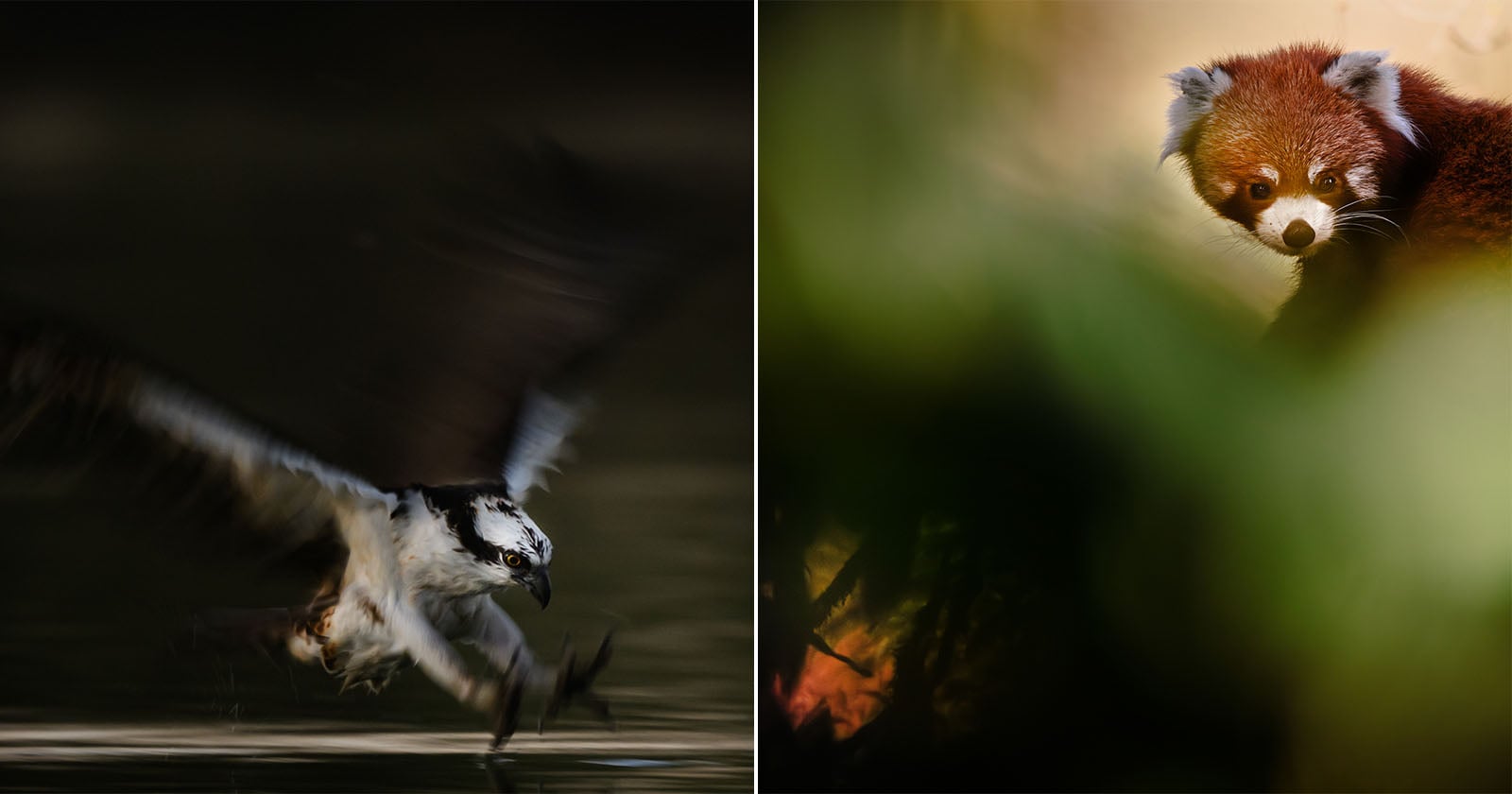
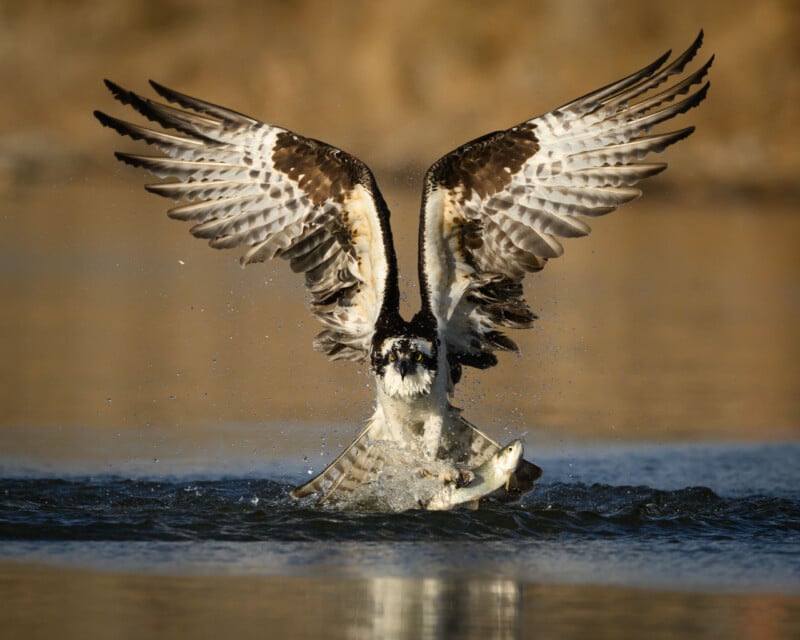
This realization has led Odom to reconsider the fundamental technical choices that define wildlife photography. She views the "holy trinity" of camera settings—aperture, shutter speed, and ISO—not merely as technical requirements for exposure, but as artistic levers. Aperture dictates the story’s depth; shutter speed dictates the temporal feel; and ISO defines the grain and texture of the image. By intentionally breaking the "rules" of traditional wildlife photography, Odom creates images that feel less like biological records and more like emotional snapshots of life in motion.

Chronology of a Creative Pivot: From Traditionalist to Visionary
Odom’s journey did not begin with the high-end mirrorless systems she utilizes today. She cut her teeth on a 70-200mm lens, a piece of gear more commonly associated with portraiture and wedding photography than the untamed wilderness.
Learning the Language of the Field
Early in her career, Odom faced a significant limitation: she lacked the "reach" of professional wildlife shooters. This forced her to adapt, focusing on patience, observation, and understanding the behavioral patterns of her subjects. She spent hours watching animals, learning their paths, their habits, and their reactions to the environment.
The Osprey Project: Challenging the Pack
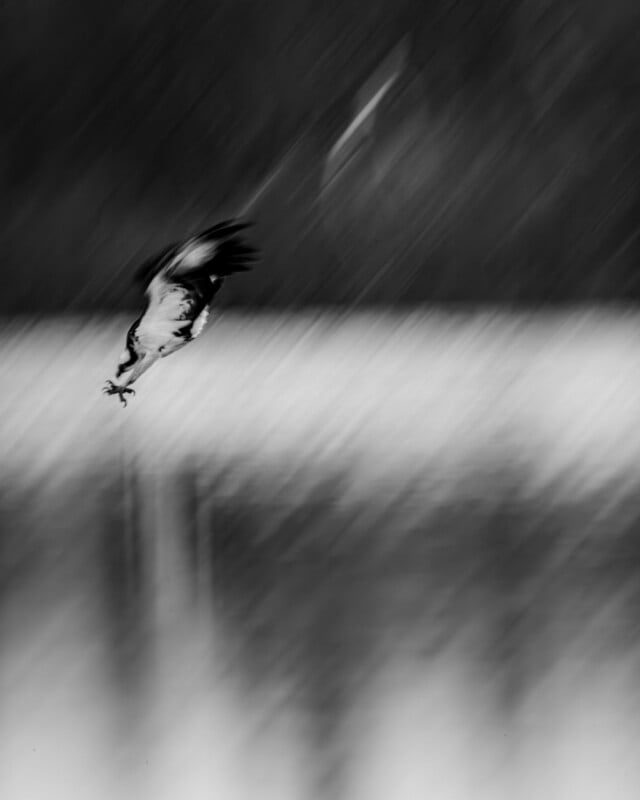
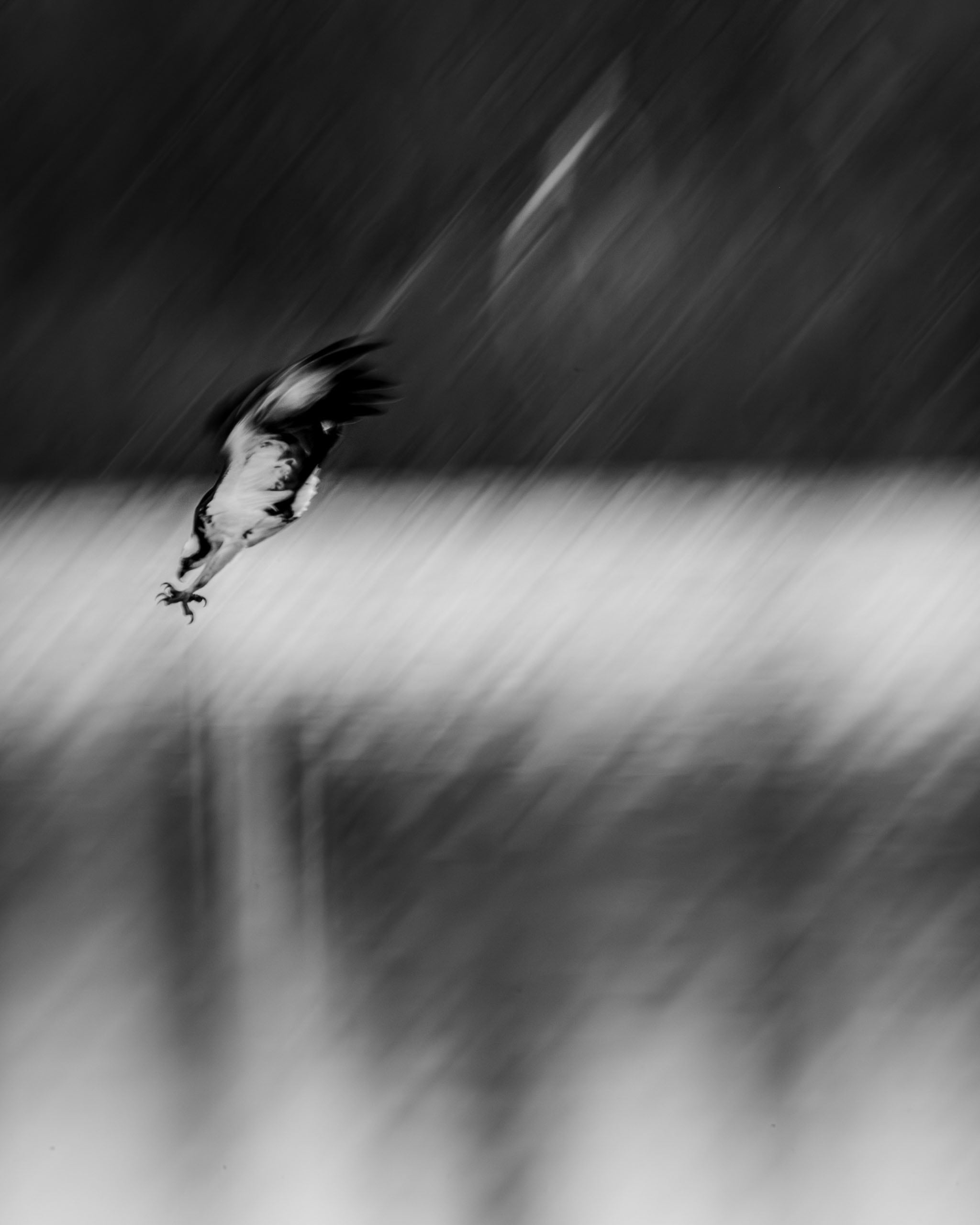
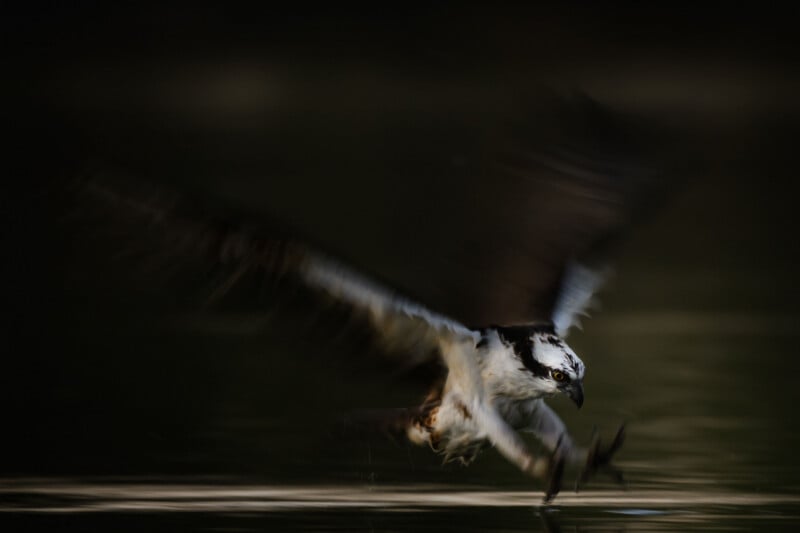
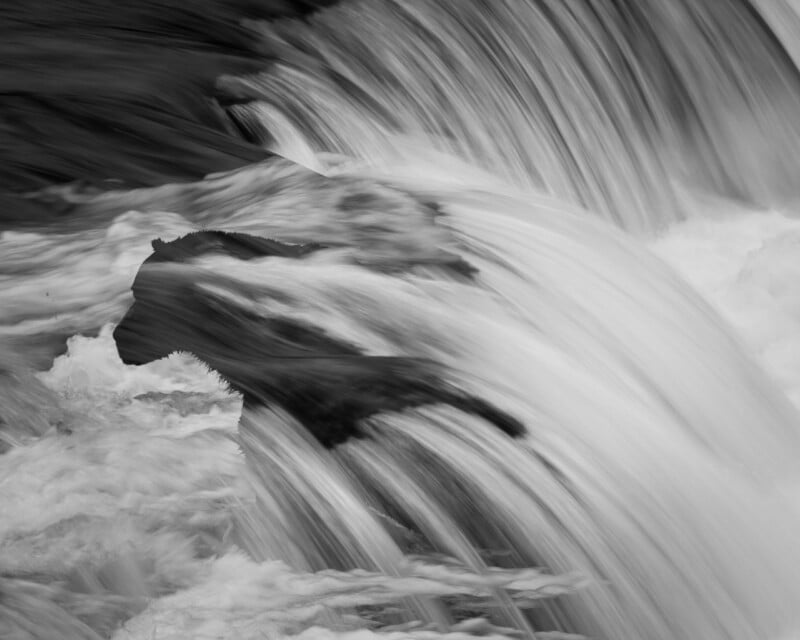
A definitive moment in her evolution occurred during a 20-day project documenting osprey dives. While fellow photographers packed up their gear when the light faded or the conditions turned "suboptimal," Odom stayed. While others sought the perfect, high-shutter-speed, high-detail capture, Odom experimented with 1/60s exposures.
The result was a series of images that were, by traditional metrics, "failures." But among those failures were shots that captured the raw, blurred kinetic energy of a raptor plunging into water. To her peers, these settings were baffling; to Odom, they were a breakthrough. She realized that by abandoning the pursuit of the "sharpest" photo, she could capture the feeling of the dive. This shift from observer to interpreter marks the core of her current professional trajectory.
Supporting Data: The Impact of Intentional Imagery
Odom’s methodology is rooted in three fundamental questions she poses to herself before every click of the shutter:
- What do I see? (The observational foundation)
- What do I feel? (The emotional layer)
- What can I eliminate? (The narrative focus)
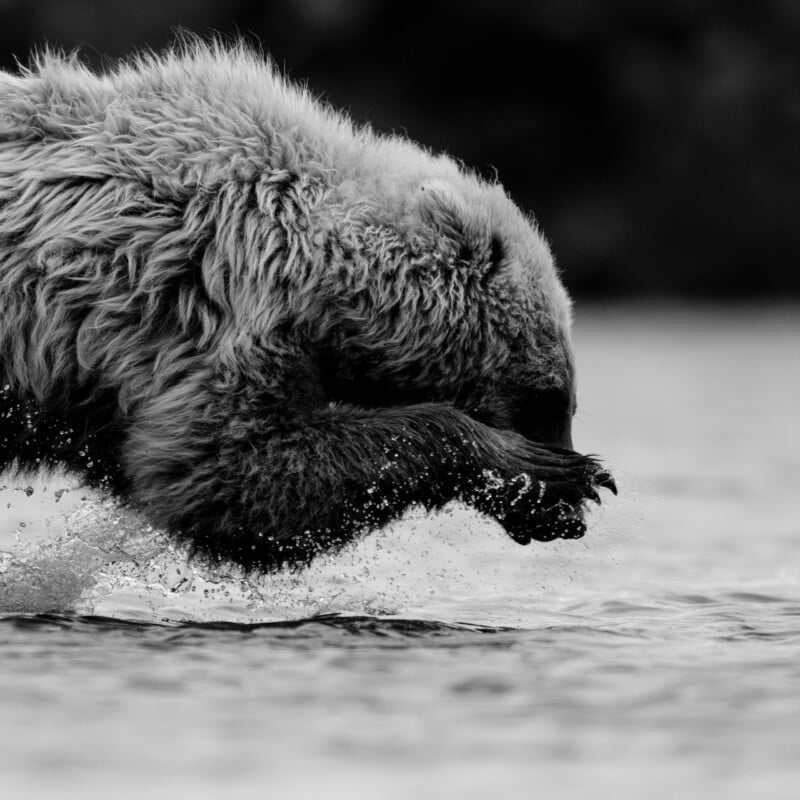
These questions serve as a filter. By asking "What can I eliminate?", Odom consciously reduces visual clutter, ensuring that every element within the frame contributes to the story. This minimalist approach extends to her frequent use of black and white photography.
By stripping away the "incredibly powerful" element of color, Odom forces the viewer to confront the raw form, shadow, and texture of the animal. Drawing from her background running a darkroom at Georgia Tech, she notes that monochromatic imagery highlights the gesture and expression of the subject. When color becomes a distraction, its removal becomes an act of artistic clarity.
Official Perspectives: The Intersection of Art and Conservation
The impact of Odom’s work extends far beyond the gallery wall. Her pivot from still photography to filmmaking has turned her artistic output into a potent tool for environmental advocacy.
From Social Media Clips to Conservation Action
What began as small, incidental social media videos—capturing the flight of a bee or the splash of a dive—has evolved into professional-grade conservation shorts. These films are now staples at fundraising events for nonprofit organizations. According to Odom, the combination of her photography, cinematography, and public speaking has helped raise over $1 million for wildlife conservation efforts.
Mentorship and the Ripple Effect
Odom’s commitment to education is equally significant. She emphasizes that the goal of photography is to foster a sense of stewardship. She shares the story of a workshop participant who captured a photograph of a polar bear to share with their grandchild. The image did more than win a contest; it bridged a generational gap, fostering a shared sense of wonder that Odom believes is the seed of future conservation.
"Passion is contagious," Odom says. "When people care about something, they’re much more likely to protect it."
Implications for the Future of Wildlife Photography
Odom’s influence suggests a changing tide in the industry. As cameras become more technologically capable of "perfecting" images, the value of the human perspective becomes more critical.
The Death of "Optimal Conditions"
Odom’s rejection of the idea that a photographer needs "optimal light" or "perfect gear" is a liberating concept for amateurs and professionals alike. She posits that constraints are not barriers, but fuel for creativity. A dark day is not a reason to leave the camera in the bag; it is an invitation to explore mood, texture, and the abstract nature of light.
The Role of the Storyteller
The implications for the next generation of photographers are clear: technical mastery is the floor, not the ceiling. To rise above the noise of an image-saturated world, photographers must move beyond the "trophy shot." They must act as storytellers who use their gear to translate their empathy for the natural world into visual language.
Conclusion: A Deeper Connection
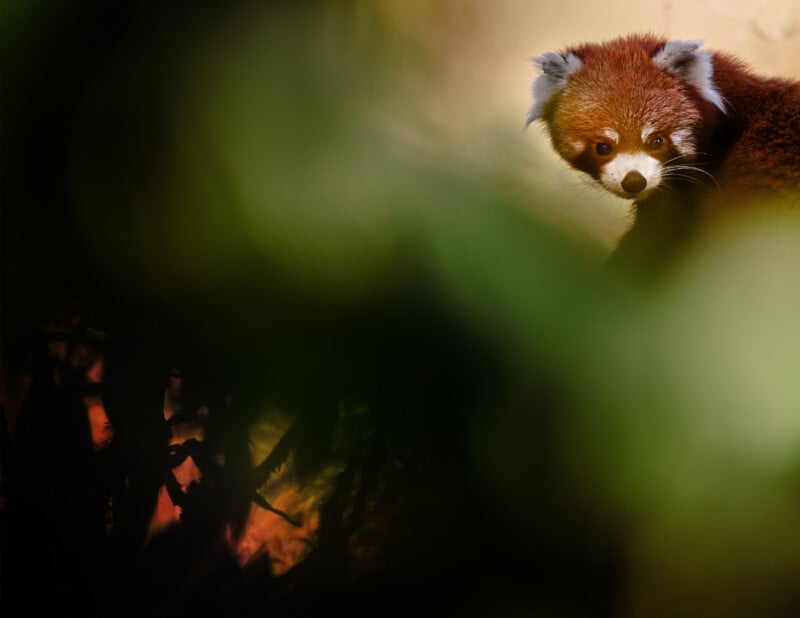
As Kristi Odom continues to traverse the globe, from the mountains of Nepal to the wetlands of the Americas, her message remains consistent: the camera is a bridge. Whether through a 1/60th of a second exposure that captures the blur of a wing or a poignant black-and-white portrait that highlights the soul in an animal’s eyes, she is proving that the most important part of the camera is the person behind it.
Wildlife photography, in its most profound form, is an act of observation that leads to appreciation. By slowing down, asking the right questions, and embracing the chaos of the natural world, photographers can do more than just document; they can inspire, protect, and connect—ultimately ensuring that the subjects they photograph remain in the wild for generations to come.
 Raul Delapena Setiawan
  rifanmuazin
  Ammar Sabilarrohman