
 By Reynand Wu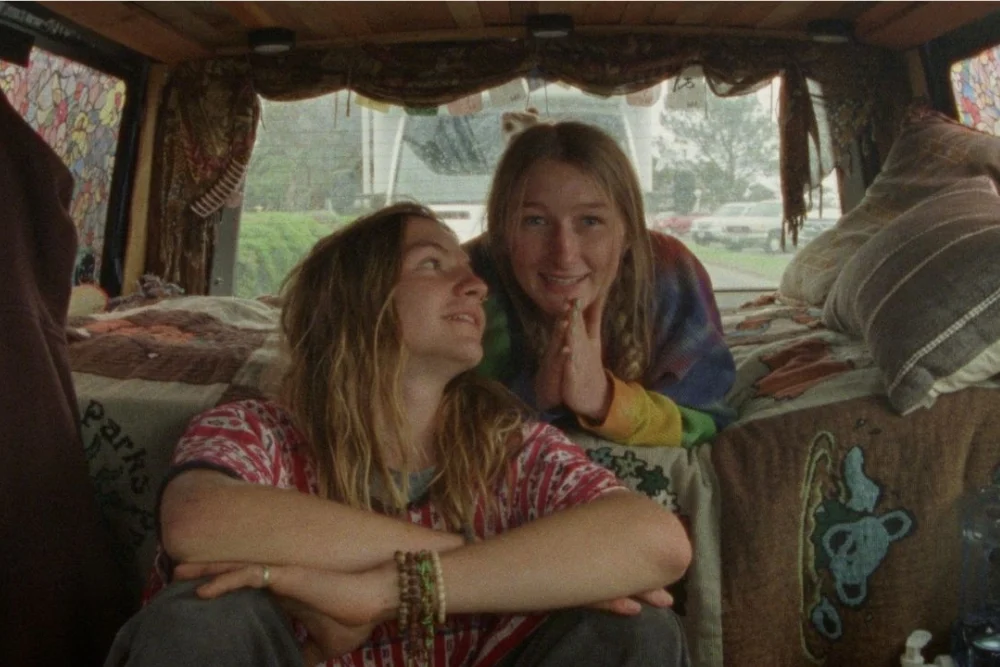
For several years following the onset of the COVID-19 pandemic, the global cinematic landscape appeared to be teetering on the edge of an irreversible collapse. As lockdowns shuttered theaters and audiences retreated into the comfort of their homes, the industry faced an existential crisis. Smaller arthouse cinemas, which rely heavily on thin margins and niche demographics, bore the brunt of this shift. With streamers rapidly consolidating market share, the prevailing narrative was one of doom: the traditional communal experience of "going to the movies" was, by many accounts, a relic of the past.
However, a surprising counter-narrative has begun to emerge. In the last two years, that shroud of pessimism has lifted, replaced by a tentative but undeniable sense of optimism. This transformation is not a return to the pre-pandemic status quo; rather, it is a radical evolution. Driven by a new generation of digital-native cinephiles—those who cut their teeth on Letterboxd, social media archives, and curated internet discourse—young audiences are flocking to repertory screenings and independent premieres in major cities worldwide.
At the heart of this shift is a fundamental rethinking of distribution strategy, led by industry veterans like Charlie Sextro, Senior Vice President of Acquisitions and Business Development at Utopia Distribution.
The Chronology of a Crisis and its Surprising Antidote
The timeline of this transition is stark. Pre-2020, the independent film ecosystem was largely anchored by an older, reliable demographic. These were the consistent, repeat attendees who fueled the success of foreign-language cinema and challenging arthouse narratives. When the pandemic hit, this demographic largely stayed home, and as theaters reopened, many did not return in their previous numbers.
"The independent film world has always been driven by older audiences," explains Sextro, who spent 13 years as a senior programmer at the Sundance Film Festival before joining Utopia in March 2025. "That was the cornerstone of releasing a foreign language or arthouse film. But that went away with COVID."
The "apocalyptic" period that followed saw many distributors struggling to find an audience for films that would have previously been surefire successes. However, 2024 and 2025 saw the emergence of a "post-pandemic cinephile." This younger cohort, while different in their consumption habits, has proven to be deeply passionate. By utilizing digital tools to discover, discuss, and catalog films, they have created a grassroots demand for physical screenings that traditional marketing campaigns often missed.
Supporting Data: The Pivot from Volume to Value
The industry’s reliance on the "traditional" model—releasing a high volume of films with standardized, broad-reach marketing—has become increasingly unsustainable. According to Sextro, the current theatrical climate in the United States is perhaps the most challenging it has ever been to gain traction.
"It’s a very difficult time right now," Sextro noted during the Costa Rica Media Market. "But I feel like everything is being destroyed right now to be rebuilt into something new."

The data behind this realization is rooted in the collapse of the VOD licensing market. In previous years, independent distributors could rely on hefty licensing deals from streamers to offset theatrical costs. That safety net has largely evaporated.
"In the past year alone, we’ve gotten no major streaming licensing deals from any of the streamers," Sextro revealed. "Every time they see our movies, they say they are too small. They’ve kind of given up on independent film, on arthouse film, and that has taken away a major point of money that was going to come into the release."
With VOD and digital rental platforms like Amazon and Apple becoming increasingly saturated and devoid of organic discovery mechanisms for arthouse content, companies like Utopia have been forced to rethink their entire business model.
Official Responses: The "Eventivizing" Strategy
Utopia Distribution is responding to these market pressures with a bold, high-effort strategy: "eventivizing" the cinematic experience. Recognizing that simply placing a film in a theater is no longer sufficient, the company is drastically reducing its yearly release volume to ensure each project receives a bespoke, high-touch campaign.
"We’ve been around for about seven years, which is really long for an indie distributor," Sextro says. "We used to release nine to ten movies a year, it was pretty regular, one campaign after another in that old school way of just putting a really well-reviewed film in theaters. That doesn’t happen anymore."
The new strategy involves cutting the slate to roughly four to five films per year. Each release will be treated as a major event, often involving unconventional, "roadshow-style" strategies that require significant labor but yield higher engagement.
A prime example is the release of the documentary Summer Tour, directed by Mischa Richter and produced by Chloe Sevigny. Rather than jumping straight to an arthouse run, Utopia toured the film for six weeks across music venues. These screenings were followed by live performances from the Grateful Dead cover band featured in the documentary.
"We’re creating material for six weeks before we go into art houses," Sextro explains. "We use the first six weeks to promote the art house instead of just spending money. We’re creating revenue by generating events that sell. I always believe the movies are great, and there are audiences. The thing that needs fixing right now is how they are being connected to audiences."

Implications for the Future of Distribution
The success of films like Curry Barker’s Obsession and Kane Parsons’ Backrooms serves as a proof-of-concept for this approach. These films tapped into existing fandoms, leveraging social media excitement to drive ticket sales. This is the new blueprint: identifying specific, passionate communities and building the release around their interests.
Global Outlook and the Latin American Opportunity
Despite Utopia’s current focus on domestic and niche indie titles, Sextro’s presence at the Costa Rica Media Market signals an openness to international expansion. When asked about the potential for Latin American acquisitions, Sextro maintained that the company remains "agnostic" regarding the origin of the films, focusing instead on the potential for passion-driven engagement.
"In the United States, there is a massive Spanish-language-driven audience," he noted. "There are a lot of films where that is the highest percentage of ticket buyers, so there’s a massive space for it. We are open to the movies that we love, that we believe in, and that we see a potential audience for."
The Role of the Filmmaker as Partner
The final implication of this shift is a change in the relationship between distributor and creator. In this new era, filmmakers are no longer just the product providers; they are active partners in the release strategy.
"We rely heavily on filmmakers to be partners in the release, generating ideas, helping us with the creative," Sextro says. "The filmmakers are the ones with the best ideas because they’ve been living with these movies for years and years and years."
Conclusion: A Hopeful Horizon
The "apocalyptic" sentiment that defined the immediate post-pandemic years has proven to be a catalyst for necessary change. While the era of easy theatrical runs and guaranteed streaming windfalls is over, it has been replaced by a more intentional, community-focused model.
For distributors like Utopia, the path forward is clear: move away from the unsustainable volume of the past and embrace the labor-intensive, hyper-connected strategies of the future. By leaning into the passion of a young, digitally-savvy generation of cinephiles, the independent film industry is not just surviving—it is finding new, more durable ways to thrive. As Sextro aptly puts it, the goal is to build something "pure" for an audience, proving that when the industry stops relying on tradition and starts listening to the fans, the audience will show up.
 Nila Kartika Wati
  Siti Muinah
  Ammar Sabilarrohman