
 By Jia Lissa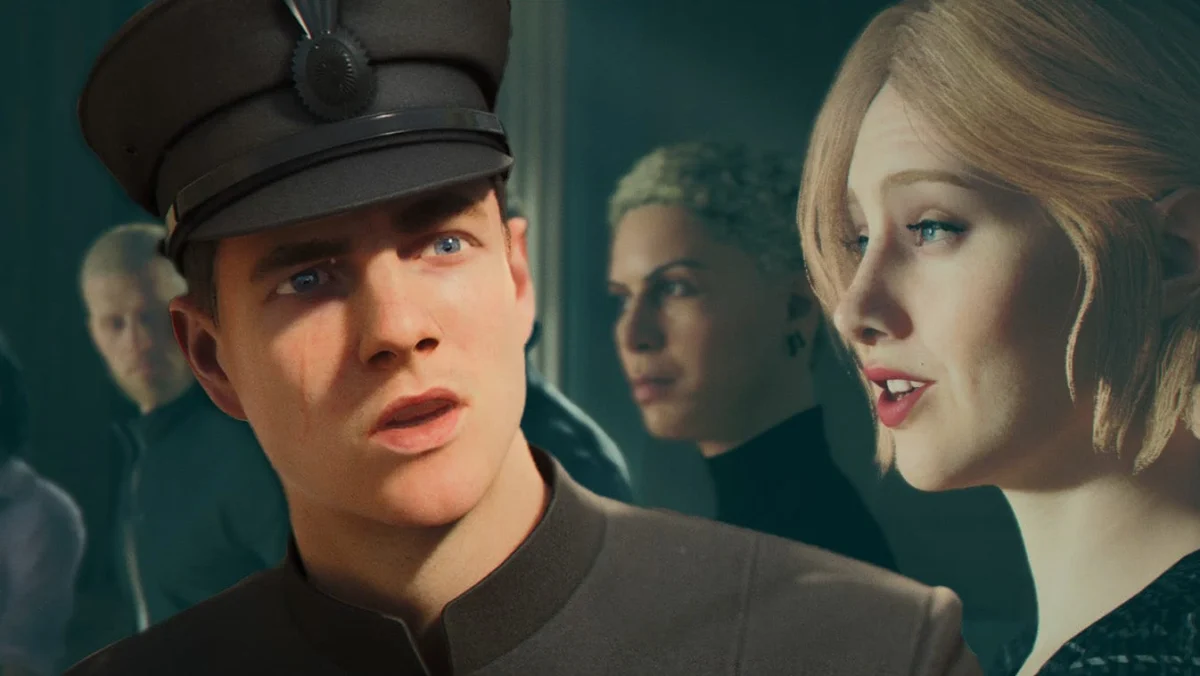
The landscape of modern gaming is littered with failed attempts to capture the elusive, tuxedo-clad magic of James Bond. Yet, IO Interactive, the studio behind the celebrated Hitman reboot trilogy, appears to have cracked the code. With the release of 007: First Light, the developer has not only secured a critical triumph—earning a four-star rating from major outlets—but has also achieved commercial dominance, moving 2.7 million units in its debut week.
However, beneath the polished exterior of this narrative tour-de-force lies a development history defined by drastic pivots, structural reinvention, and a deliberate subversion of audience expectations. As IO Interactive navigates the fallout of internal restructuring and looks toward a future influenced by Amazon’s acquisition of the franchise, the story of First Light serves as a fascinating case study in how a studio learned to stop worrying and love the spy.
A False Promise: The Evolution of the Ensemble Narrative
At the heart of 007: First Light is a narrative bait-and-switch that has become the game’s most discussed feature. In its earliest conceptual stages, IO Interactive envisioned a radically different structure: an ensemble piece.
"In my very first pitch, I think we were actually toying with the idea of making it an ensemble piece, that you had the different agents working together," reveals lead writer Michael Vogt.
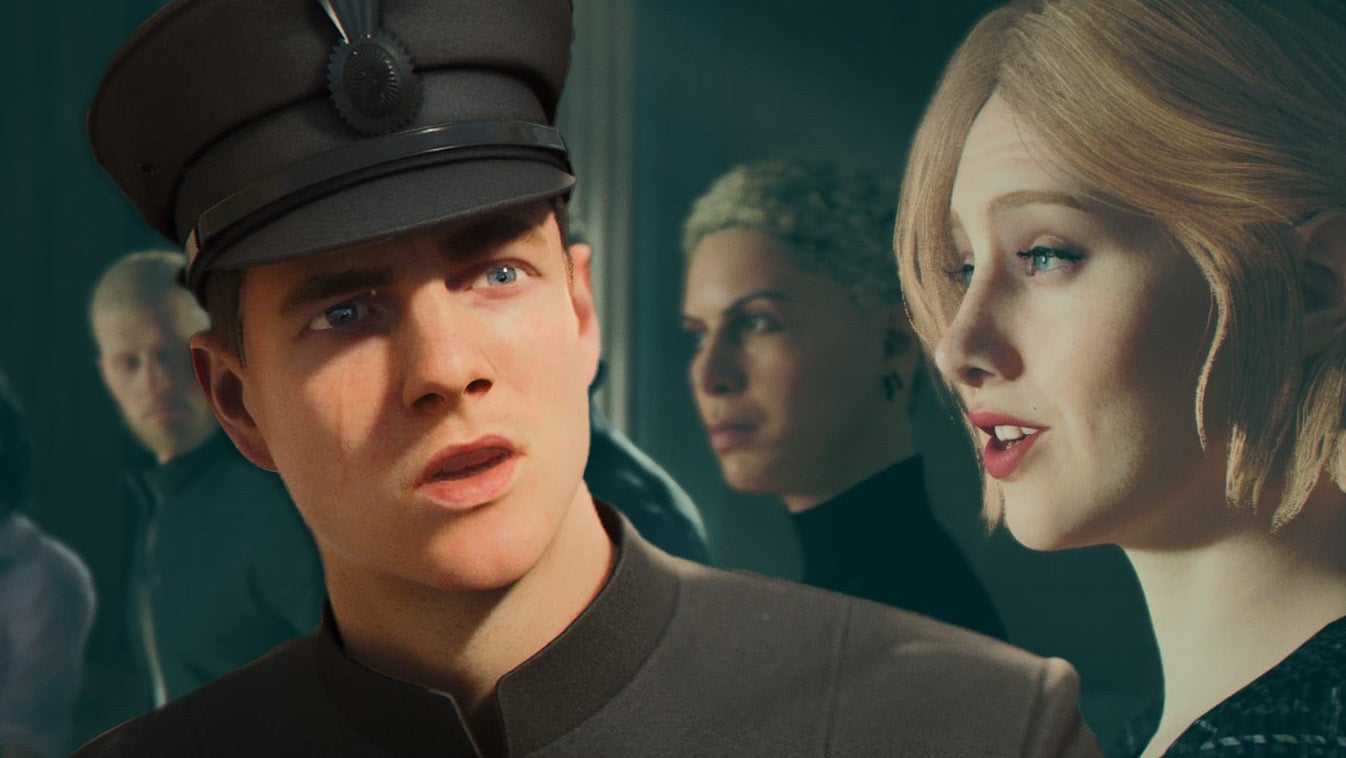
The initial design philosophy aimed to ground the legendary spy in a cohort of peers. Players were introduced to a version of MI6 that was actively revitalizing the 00-programme. Bond was not a lone wolf, but a recruit among equals. The game’s early acts effectively establish this camaraderie, sending Bond to Malta and London where he forms deep, palpable bonds with fellow trainees like Cressida and Monroe.
This early camaraderie—marked by sharp banter and a genuine sense of friendly, competitive rivalry—was designed to be the game’s emotional anchor. It worked too well. Players grew attached to the ensemble, which made the inevitable narrative shift all the more jarring.
Chronology of a Shift: From Ensemble to Lone Wolf
The pivotal moment in First Light occurs when the game pulls the rug out from under the player. The ensemble, which seemed destined to be the core of the game, is decimated in a catastrophic explosion. Bond, serendipitously the sole survivor, emerges not as a team member, but as the quintessential 00 agent.
Vogt explains that while the original pitch leaned toward a team-based dynamic, the shift was necessary for the character’s psychological evolution. "The story beat that it serves is, of course, that it goes from all fun and games for him—he’s a young kid, he’s on an adventure, and he’s out globe-trotting and playing secret agent—but after that explosion, he wakes up to the more harsh reality," says Vogt.
The transition serves a dual purpose: it forces Bond to confront the lethality of his profession and provides the necessary weight of survivor’s guilt. By stripping away his support system, the game accelerates Bond’s maturation, moving him from a bright-eyed hopeful to the hardened, cynical icon audiences recognize from the films. This structural pivot marked a shift in genre as well, moving the project from a standard spy-thriller dynamic toward a more focused action-adventure experience.
Supporting Data: Tone, Timing, and the Shadow of Daniel Craig
The genesis of First Light traces back seven years, placing its early development in the immediate wake of No Time to Die (2021). The finality of the Daniel Craig era, which concluded with a notably somber and tragic tone, heavily influenced the early creative direction at IO Interactive.
Initially, the studio struggled with the weight of the franchise’s legacy. There was a tendency to lean into the grim, grounded realism that had defined the previous two decades of Bond cinema. However, as the team at IO Interactive matured alongside their protagonist, they began to inject a sense of "bright-eyed wonder" back into the character.
"We probably shifted the genre ever so slightly from more of a straight spy thriller to something that was a little bit more action-adventure—dialled up the comedy a little bit, maybe the charm, the spark," Vogt notes.
This was a calculated move. Bond, at this stage in his career, has not yet been broken by the world. He remains aspirational. Unlike the jaded, weary versions of the character seen in later iterations, First Light focuses on a younger, more dynamic Bond who exerts an influence on the world around him rather than merely reacting to it. According to Vogt, this version of Bond doesn’t necessarily undergo a wide, dramatic arc himself; instead, he serves as a catalyst for redemption for characters like Greenway and Isola.
Official Responses and Internal Challenges
The success of 007: First Light is not without its complications. The studio has recently faced internal turbulence, including a round of layoffs and the closure of offices following the cancellation of a high-profile publishing deal with Xbox for Project Fantasy.
When asked about the ripple effect of these organizational changes, Vogt was candid: "There has [been a ripple effect]. I think the entire studio has been affected in some way or another, sadly."
Despite these internal headwinds, the studio’s focus remains locked on the future of the 007 franchise. The immediate roadmap includes story-driven DLC that will revisit the world established in the main campaign. Players can look forward to returning to Aleph and interacting with characters like Bawma, signaling that while the main game may have moved away from the ensemble piece format, the world-building remains as expansive as ever.
Implications: The Amazon Factor and the Road Ahead
The future of IO Interactive’s 007 journey is now subject to the whims of corporate giants. With Amazon’s acquisition of the James Bond franchise rights, the studio finds itself in a complex position. While First Light was self-published, any future installments will require navigating the expectations of a new owner that has expressed a clear desire to be deeply involved in the property’s trajectory.
The implications for the franchise are twofold. On one hand, the massive commercial success of First Light provides IO Interactive with significant leverage. A 2.7-million-unit opening week is an undeniable statement of market demand. On the other, the shift toward Amazon’s involvement may lead to creative pressures that could alter the "aspirational" and "charming" tone that Vogt and his team fought so hard to cultivate.
Furthermore, the industry at large is watching how IO Interactive balances the demands of a AAA franchise with the realities of a shifting development landscape. The studio has proven it can handle the pressure of one of the world’s most valuable IPs, but whether it can maintain its creative autonomy while satisfying the demands of a new corporate master remains the defining question of the next chapter.
Conclusion
007: First Light is a testament to the idea that the most compelling stories often emerge from the ruins of discarded plans. By choosing to kill off the ensemble, IO Interactive not only honored the core tenets of the James Bond mythos—the solitary, high-stakes nature of the 00-agent—but also created a narrative hook that resonated with millions.
Bond’s transition from a naive trainee to a world-shaping agent is, in many ways, a mirror of IO Interactive’s own development journey. They, too, had to shed their early, more naive ideas to emerge with a product that felt distinct, confident, and undeniably Bond. As the studio looks toward the future, the challenge will be to retain that sense of "spark" while navigating the uncertain, high-stakes world of modern gaming corporate politics. For now, the world is watching, and for the first time in a long time, the future of 007 is not just promising—it is brilliant.
 Azzam Bilal Chamdy
  Asep Darmawan
  Sagoh
Sagoh 