
 By rifanmuazin
In an era of persistent inflation and shrinking household budgets, the retail landscape has undergone a seismic shift. Once considered a niche destination for low-cost party supplies and seasonal trinkets, Dollar Tree has transformed into a critical lifeline for millions of American households. As grocery bills climb and consumer confidence fluctuates, shoppers across every socioeconomic bracket are increasingly turning to the "dollar store" model to bridge the gap in their monthly finances.
However, navigating a Dollar Tree effectively requires more than just a list and a wallet. Behind the green-and-white signage lies a complex, data-driven retail operation with its own internal logic, supply chain idiosyncrasies, and "unwritten rules" that only the staff truly understand. By examining insights from industry analysts, former employees, and corporate data, we can demystify the Dollar Tree shopping experience and reveal how to maximize value in an increasingly expensive world.
The Evolution of the Dollar Store Consumer
The transformation of Dollar Tree’s customer base is one of the most compelling retail stories of the 2020s. According to 2026 data from Statista, the company has seen consistent year-over-year growth in sales. More notably, a 2025 report from Investopedia highlighted that Dollar Tree welcomed 2.6 million new customers that year, a significant portion of whom belong to households earning $100,000 or more annually.
This influx of high-income shoppers is not accidental. It is the direct result of the company’s strategic decision to diversify its inventory. By introducing the "Dollar Tree Plus" model—which includes items priced at $3, $5, and $7—the retailer has managed to expand its product range to include higher-quality home goods, electronics, and expanded food selections. This shift has effectively dismantled the stigma once associated with discount shopping, repositioning the store as a pragmatic choice for the modern, budget-conscious consumer.
Chronology: The Anatomy of a Store Restock
One of the most persistent frustrations for shoppers is arriving at a store only to find empty shelves or picked-over bins. To understand why, one must look at the "freight cycle" of a typical location.
The Delivery Window
Most Dollar Tree stores operate on a rigid delivery schedule managed by regional distribution centers. These trucks are the lifeblood of the store’s inventory. However, the arrival of a truck does not mean the shelves are instantly stocked.
The "Day-After" Strategy
Industry experts and current employees consistently offer a singular piece of advice: shop the day after the truck arrives. When a shipment arrives, the staff must offload, sort, and tag hundreds of items before they can reach the sales floor. If you arrive while the truck is being unloaded, you are essentially browsing through cardboard boxes in the back or waiting for items to hit the shelves. By waiting 24 hours, you ensure that the staff has had sufficient time to process the freight, meaning you are among the first to see the newest inventory.
The Role of Online Integration
For those who want to avoid the "luck of the draw," Dollar Tree has modernized its logistics. The company now offers free shipping to local stores for online orders. This allows shoppers to curate their own hauls and have them delivered to their neighborhood branch, effectively bypassing the uncertainty of in-store availability.

Supporting Data: Decoding the "Hidden" Inventory
The secret to finding high-end items at a discount often lies in understanding the difference between "core" inventory and "surplus" or "overstock" goods.
The Overstock Advantage
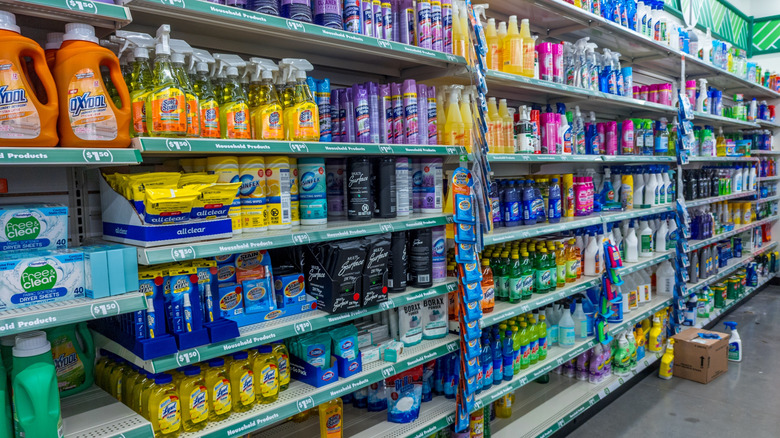
Major national retailers often deal with excess inventory—items that are discontinued, seasonal, or simply overproduced. Dollar Tree frequently acts as an outlet for these surplus goods. Consumer analyst Julie Ramhold notes that these deals are, by nature, ephemeral. "These aren’t hanging around," she explains. Because the stock is limited to whatever the store receives in that specific shipment, once it’s gone, it is rarely replenished. The takeaway for the consumer is clear: if you find a brand-name, full-sized product at a bargain price, do not assume it will be there on your next trip.
The "Hidden" Health Aisles
While the store is famous for snacks and processed foods, savvy shoppers know that the nutrition density is hidden in specific sections.
- The Frozen Aisle: Often overlooked, the frozen vegetable and fruit section offers a cost-effective way to stock up on produce that maintains its nutrient profile longer than fresh counterparts.
- Protein Staples: Items like Bumble Bee Wild-Caught Light Tuna are not just cheap; they are clean-label products. At approximately $1.50 for 16 grams of protein, they represent one of the most efficient protein-to-price ratios in the entire retail industry.
- Nutritious Blends: Brands like Imperial Nuts offer blends containing walnuts, pistachios, and pecans—nuts that are notoriously expensive at traditional supermarkets—at a fraction of the cost.
The Engineering of the Consumer Journey
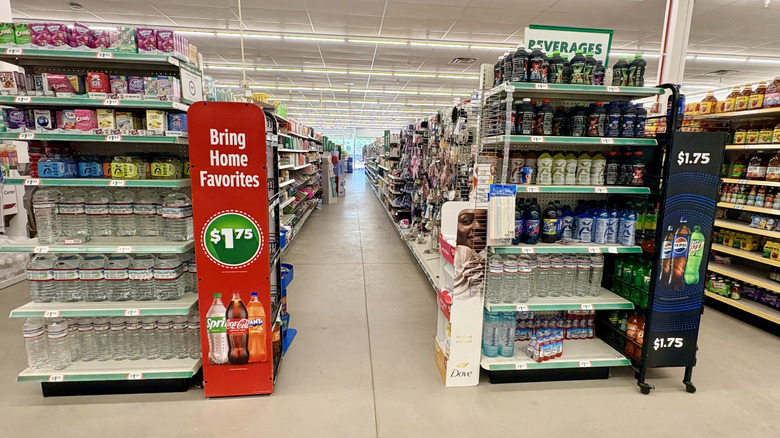
The layout of a Dollar Tree is not a matter of convenience; it is a product of behavioral psychology. Former Chief Customer Officer Alasdair James has noted that the store’s floor plan is designed as a deliberate "customer journey."
Seasonal Front-of-Store Placement
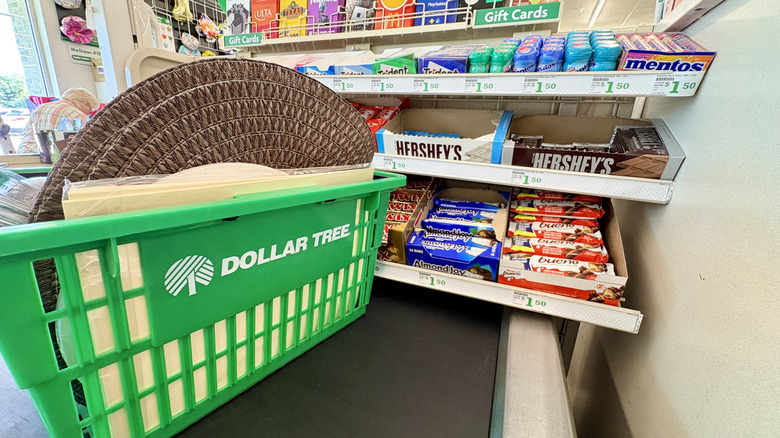
The items located at the very front of the store—seasonal decor, holiday candy, and promotional goods—are there to create a sense of urgency and novelty. These items are designed to be high-turnover products that make the store feel "new" every time you visit.
The "Multiplier" Effect
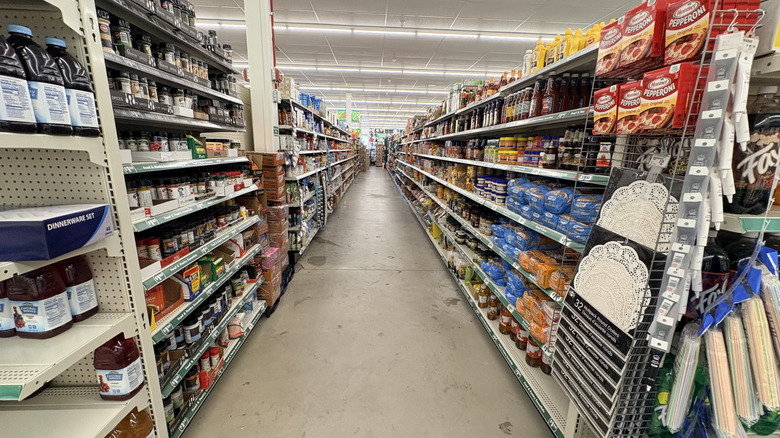
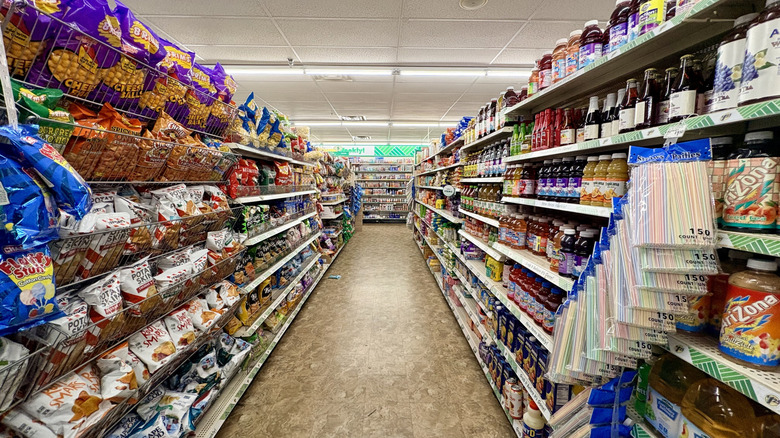
The store’s small, dense aisles are intentionally designed to encourage "browsing friction." The more time a shopper spends maneuvering through the aisles, the more items they are likely to encounter. Research shows that once a customer places their first item in the basket, they are psychologically primed to continue adding items, a phenomenon that leads to the higher-than-expected checkout totals that many shoppers experience.
Official Corporate Stance and Operational Realities
When navigating the challenges of a busy retail environment, it is helpful to understand the limitations placed on the store staff.
Corporate vs. Local Control
A common point of contention for customers is the lack of staff to open additional registers. It is essential to understand that staffing levels are not determined by the store manager, but by corporate-allocated labor budgets. When a line is long, it is rarely a result of staff negligence; it is usually a result of strict corporate-mandated hours. For issues involving product quality or corporate policy, the company maintains a dedicated line (757-321-5000), which is the appropriate channel for feedback, rather than venting frustrations to floor staff who lack the authority to change company policy.
The "Benjamin" Problem
One of the most requested "unspoken rules" from employees is the avoidance of large bills. While a $100 bill is legal tender, in a store where the average transaction is relatively low, a "Benjamin" can deplete the register’s cash drawer, forcing the employee to wait for a manager or perform time-consuming counts. Using cards or smaller bills not only speeds up the checkout process for the customer but significantly reduces the administrative burden on the staff.
Implications: The Future of the Dollar Store
The perception of Dollar Tree has shifted from a "discount last resort" to a strategic retail partner for the American consumer. The implications of this are twofold:
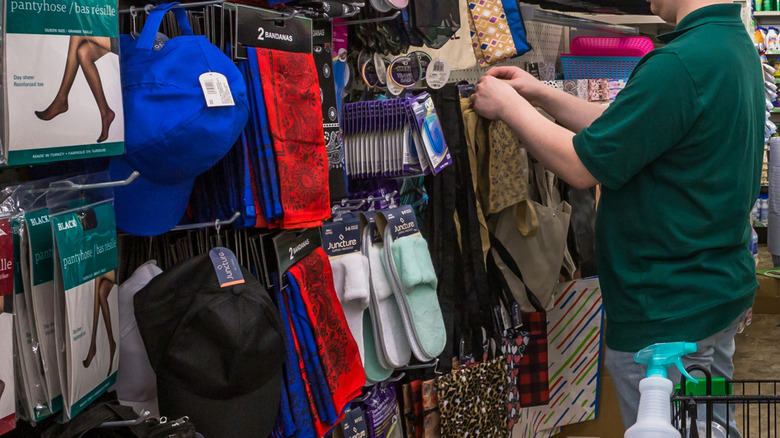
- For the Consumer: The burden of success lies in education. By understanding the restocking cycles, the nature of overstock inventory, and the strategic layout of the store, consumers can effectively use the retailer as a hedge against rising inflation.
- For the Economy: The success of the Dollar Tree model reflects a broader economic reality: the "middle" of the retail market is disappearing. As shoppers migrate toward either extreme—high-end luxury or extreme-value discount—the stores that bridge the gap, like Dollar Tree, are becoming the primary hubs for essential goods.
Ultimately, the "secrets" shared by employees are simply tools for empowerment. When a shopper enters a store with the knowledge of when to shop, what to look for, and how to navigate the limitations of the business model, they are no longer just a customer—they are an informed participant in a multi-billion dollar retail ecosystem. By treating the Dollar Tree as a high-velocity retail environment rather than a static shop, the modern consumer can secure the value they need while navigating the complexities of a changing economic landscape.
 Lina Irawan
  Lina Hope
  Reynand Wu