
 By Siti Muinah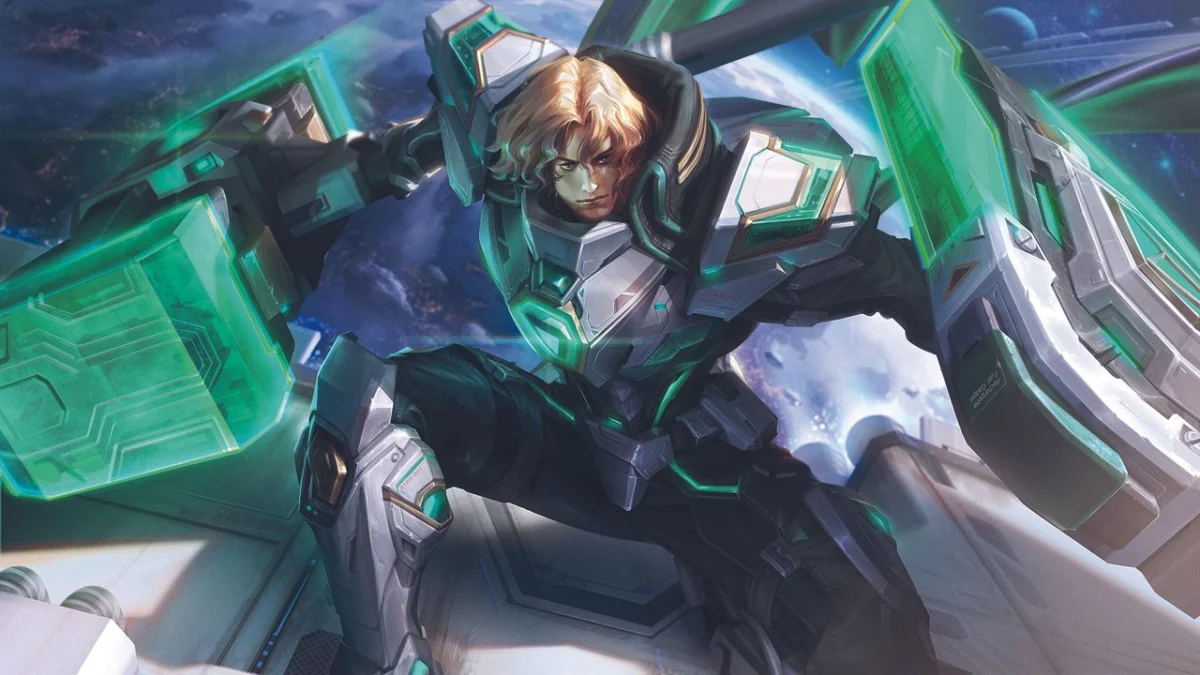
In the hyper-competitive realm of digital concept art, few creators manage to bridge the gap between technical precision and emotional resonance as effectively as Hong Kong-based artist Justice Wong. A self-taught prodigy, Wong has carved out a distinct niche for himself, contributing to some of the most iconic titles in modern gaming, including League of Legends, Honor of Kings, and the atmospheric, challenging landscapes of the Dark Souls series.
Known for his ability to craft dynamic character designs that seem to vibrate with kinetic energy, Wong’s work has become a benchmark for studios looking to marry high-fidelity detail with narrative storytelling. In this exclusive retrospective, we delve into the philosophy, process, and pivotal works that define one of the industry’s most compelling creative voices.
The Self-Taught Foundation: A Path to Digital Mastery
Justice Wong’s rise to prominence is a testament to the democratisation of art education in the digital age. Eschewing traditional institutional paths, Wong cultivated his skills through rigorous self-study, an exhaustive analysis of light, shadow, and anatomy, and an uncompromising commitment to the digital medium.
Working primarily within the industry-standard ecosystems of Adobe Photoshop and Clip Studio Paint, Wong has developed a workflow that prioritises efficiency without sacrificing the "hand-crafted" feel of his illustrations. For aspiring artists looking to emulate his success, Wong’s career serves as a roadmap for leveraging the best available tools—from professional-grade drawing tablets to advanced software suites—to push the boundaries of character design.
Chronology of Creative Evolution
Wong’s portfolio is not a static collection; it is an evolution of technique. His journey can be tracked through the thematic shifts in his work, beginning with his early focus on armor and structural design and expanding into the complex, atmospheric compositions that define his current collaborations with major studios.
1. The Early Years: Establishing a Visual Identity
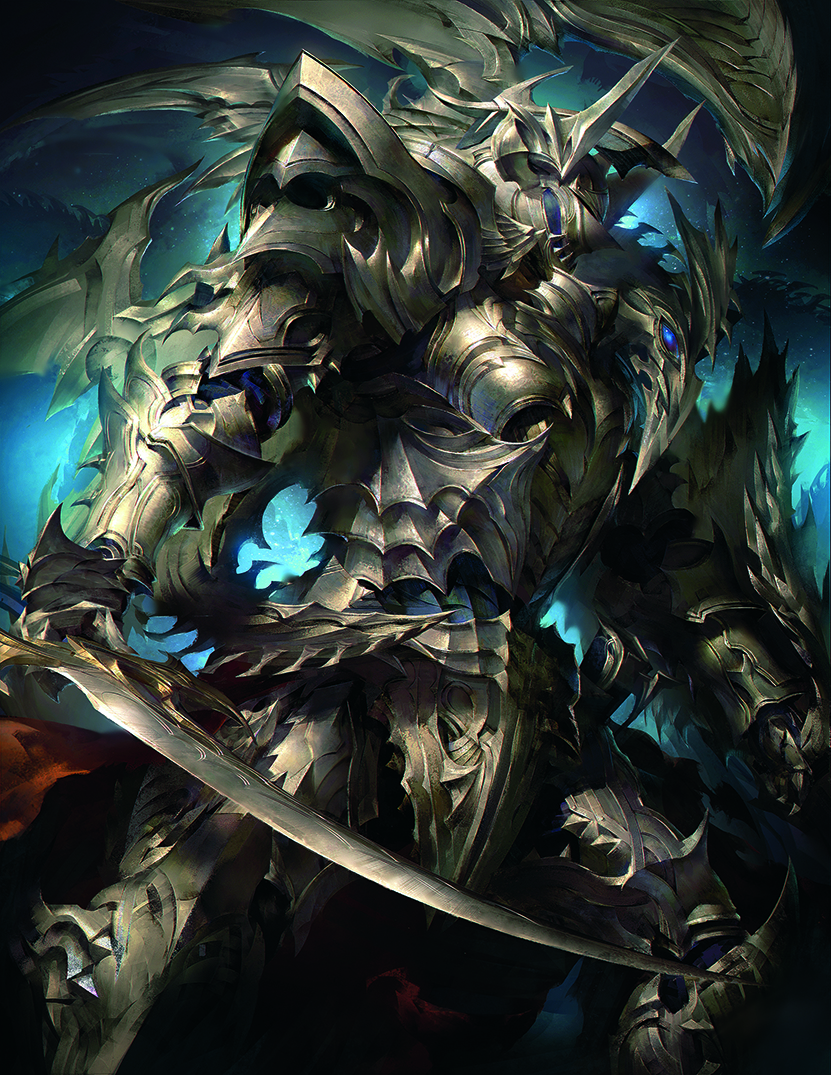
"Dragon the Man," one of Wong’s seminal early works, remains a cornerstone of his portfolio. During this period, Wong was deeply obsessed with the intricacies of plate armor and the weight of fantasy weaponry. This piece was not merely an exercise in rendering metal; it was an exploration of how character posture dictates the narrative of an image. By mastering the interplay between static, heavy materials and the fluid motion of the wearer, Wong established the "core essence" that would eventually become his signature.
2. The Mid-Career Pivot: Dynamic Motion and Depth
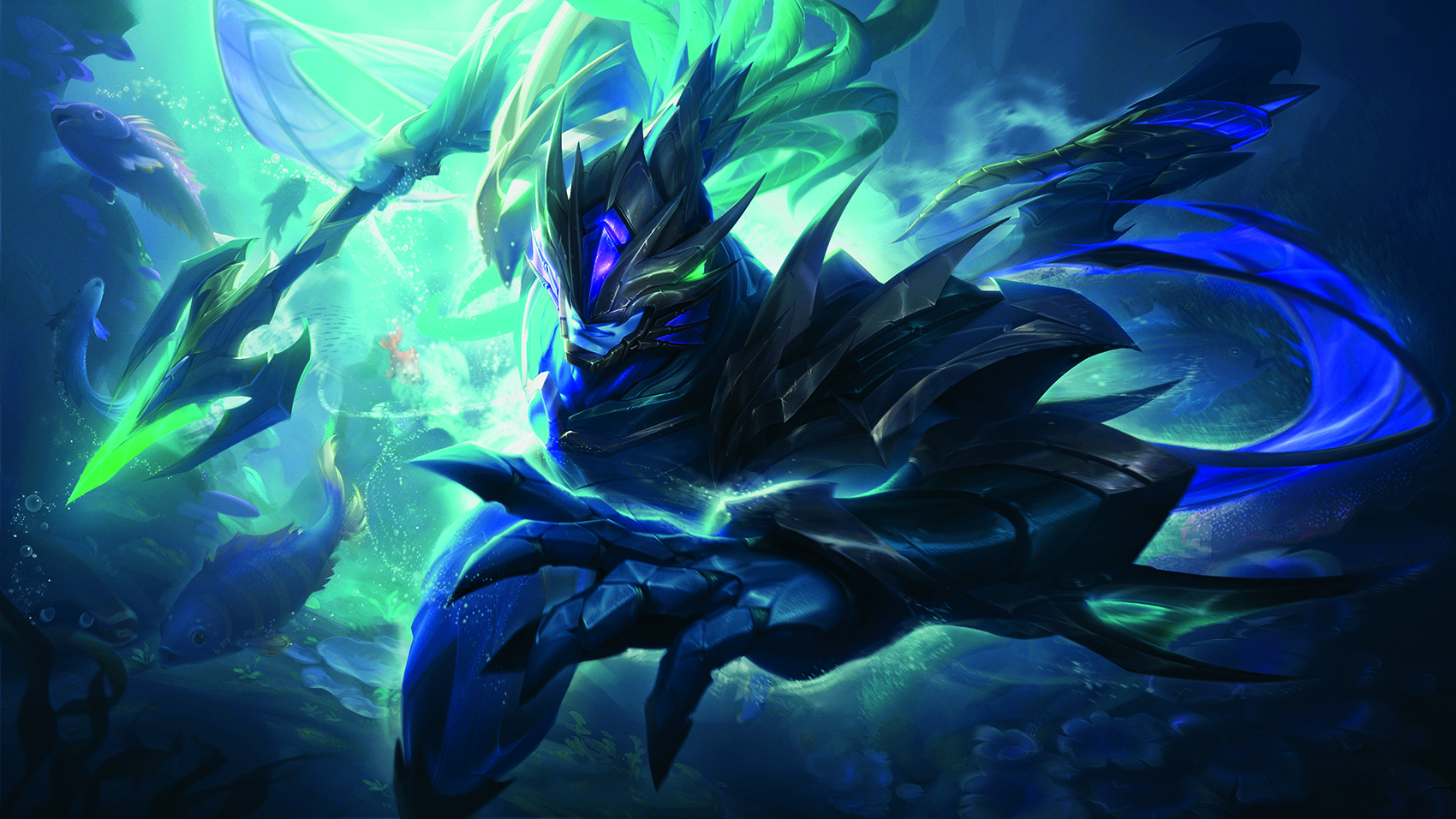
As Wong transitioned into larger-scale industry projects, his focus shifted toward the challenges of environment and scale. His work on pieces such as "Alpha – Sea Gladiator" highlights a pivotal moment in his artistic development. Here, the challenge was to convey high-speed underwater movement while maintaining a clear, readable silhouette. This era marked his transition from a character designer to a storyteller, using depth and aggressive camera angles to immerse the viewer in the character’s immediate conflict.
3. Contemporary Work: The Fusion of Mecha and Atmosphere
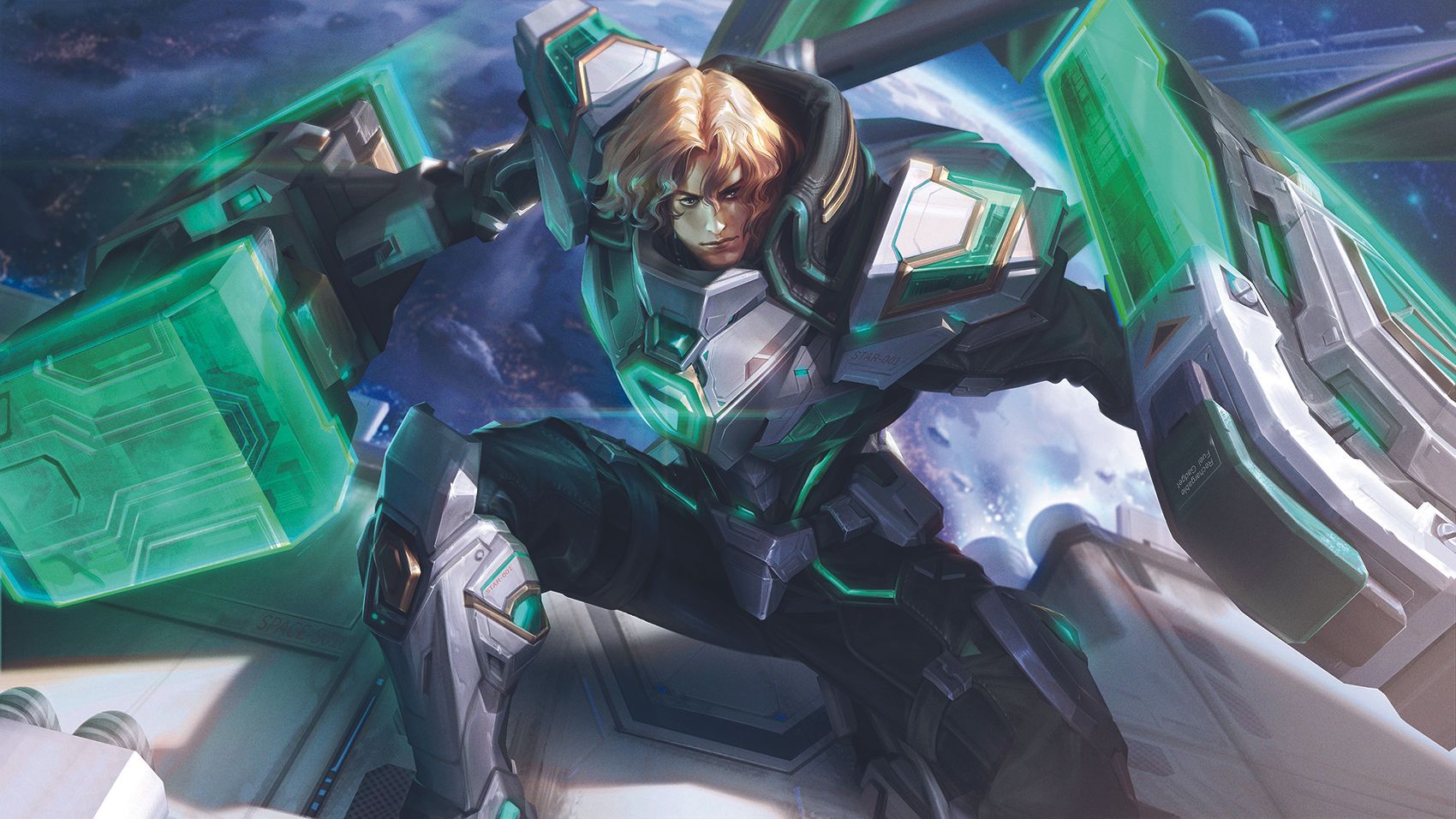
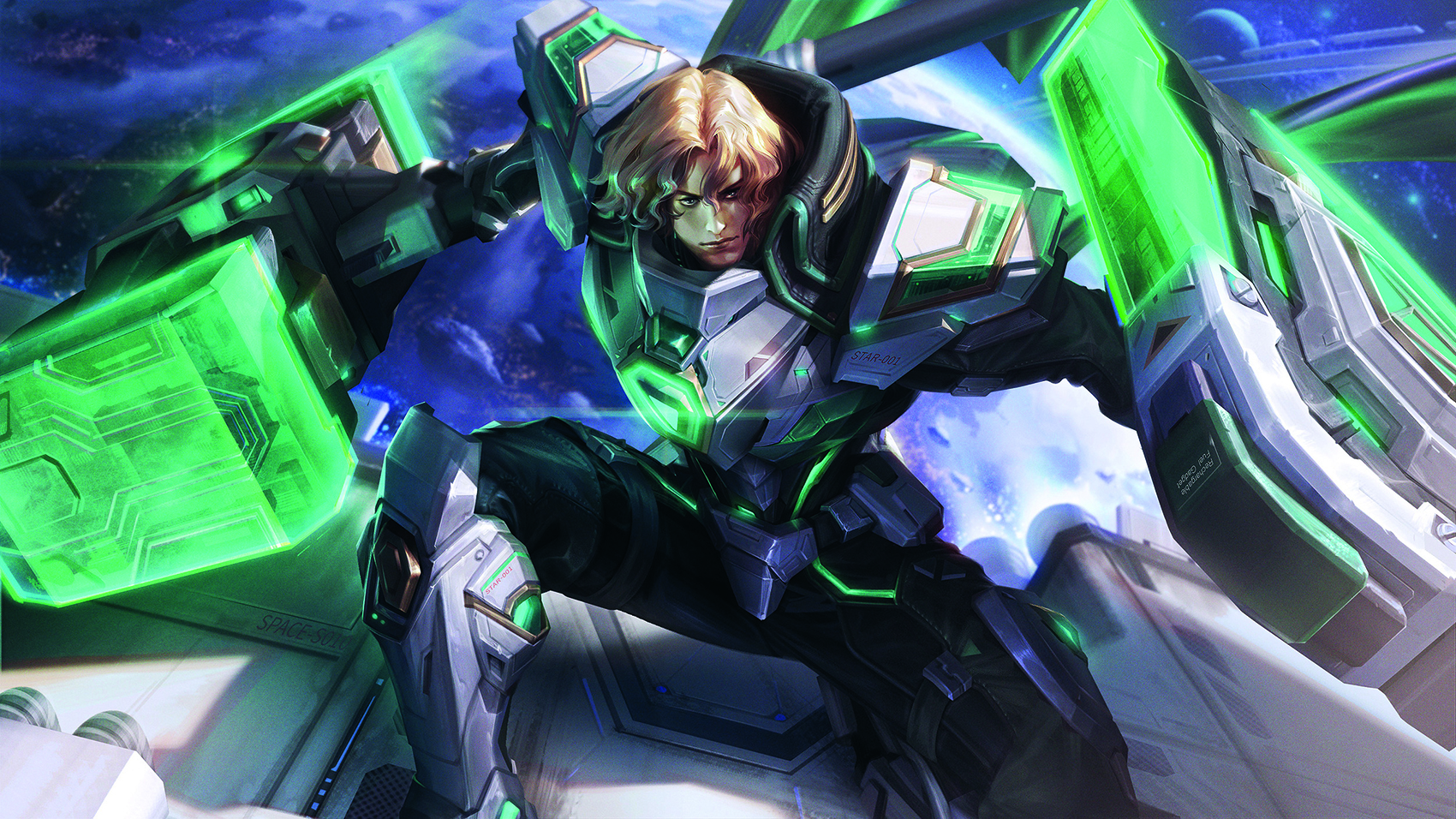
In his most recent professional output, including his contributions to Tigreal – Galactic Marshal, Wong has leaned into the "mecha" aesthetic. This requires a different set of skills: managing complex mechanical parts, integrating glowing energy effects, and maintaining a cohesive color palette that feels both futuristic and grounded. His ability to balance the rigid, cold nature of machinery with the warmth of atmospheric light effects has made him a highly sought-after artist for sci-fi and fantasy integration projects.
Supporting Data: The Anatomy of a Masterpiece
To understand Wong’s impact, one must look at the specific elements he prioritizes in his workflow. According to industry analysis of his most popular pieces, there are four pillars that sustain his artistic output:
- Silhouette Integrity: Regardless of the complexity of the armor or weaponry, Wong ensures that the character’s silhouette is instantly recognizable, a crucial requirement for game assets that need to be read in a fraction of a second.
- Atmospheric Lighting: Wong utilizes advanced lighting techniques to create separation between his subjects and the background, often using rim lighting to accentuate edges and depth.
- Texture Contrast: A signature trait is the juxtaposition of textures. He often places high-frequency details (intricate rivets, fabric wear, scratches) against low-frequency areas (smooth skin or expansive backgrounds), preventing the image from becoming visually overwhelming.
- Compositional Flow: Every piece is designed with a "lead-in" line, guiding the viewer’s eye through the action, which is essential for the high-octane marketing art required by games like Honor of Kings.
Official Perspective: The Artist’s View
In recent discussions regarding his creative process, Wong has been vocal about the joy of collaboration. Discussing his fairy-tale themed illustrations, he noted, "I loved collaborating with the art team on this adventurous character. The composition process was incredibly fun and unique because it required me to step outside of my usual ‘warrior’ archetype and explore softer, more whimsical visual language."
Wong’s perspective on the industry is grounded in humility. Despite his success, he consistently emphasizes that the tools are secondary to the intent. "Whether you are using a top-tier Cintiq or a standard tablet, the goal remains the same: to translate an idea into an evocative scene. The software is just the conduit," he maintains.
Implications for the Future of Concept Art
The career trajectory of Justice Wong offers significant implications for the future of the concept art industry. As AI-generated imagery begins to populate the commercial landscape, artists like Wong—who possess a deeply individualistic style and a clear grasp of narrative composition—are becoming more valuable than ever.
His work highlights several critical trends in the industry:
- The Rise of the "Generalist Specialist": Studios are increasingly looking for artists who can handle character design, environmental atmosphere, and dynamic composition within a single asset, rather than siloed specialists.
- The Persistence of Human Agency: While digital tools are becoming more automated, the specific "fun" that Wong describes in his composition process—the intuitive, human-led decisions about where to place a highlight or how to distort a limb for dramatic effect—remains something that algorithmic generation struggles to replicate with soul.
- Global Collaboration: Based in Hong Kong, Wong’s ability to work on projects for global gaming giants illustrates the borderless nature of modern game development. The industry is no longer centered in one geographic hub, and artists from all regions are now playing a vital role in shaping the aesthetic of global entertainment.
Conclusion: A Legacy in Development
Justice Wong’s journey from a self-taught enthusiast to a seasoned professional demonstrates that the path to artistic excellence is paved with persistence, constant experimentation, and an unwavering focus on the fundamentals. As he continues to push the boundaries of what is possible in digital illustration, his portfolio serves as both an inspiration to the next generation of artists and a masterclass in the power of visual storytelling.
For those eager to follow in his footsteps, the advice is clear: master your tools, study the masters of the past, and never lose the sense of wonder that led you to the canvas in the first place. Whether it is through the heavy, stoic armor of a knight or the sleek, neon-lit plating of a galactic marshal, Justice Wong’s work reminds us that in the world of gaming, the character is the heart of the experience.
For more information on the tools of the trade, including reviews of the latest drawing tablets and digital art software, continue to explore our resources. For more of Justice Wong’s latest work, his ArtStation profile remains the definitive gallery for his ongoing creative endeavors.
This feature was originally published in ImagineFX. For more in-depth interviews and tutorials from the world’s leading digital artists, subscribe to the print or digital editions of ImagineFX.
 Nana Muazin
  Raul Delapena Setiawan
  Ammar Sabilarrohman