
 By Ammar Sabilarrohman
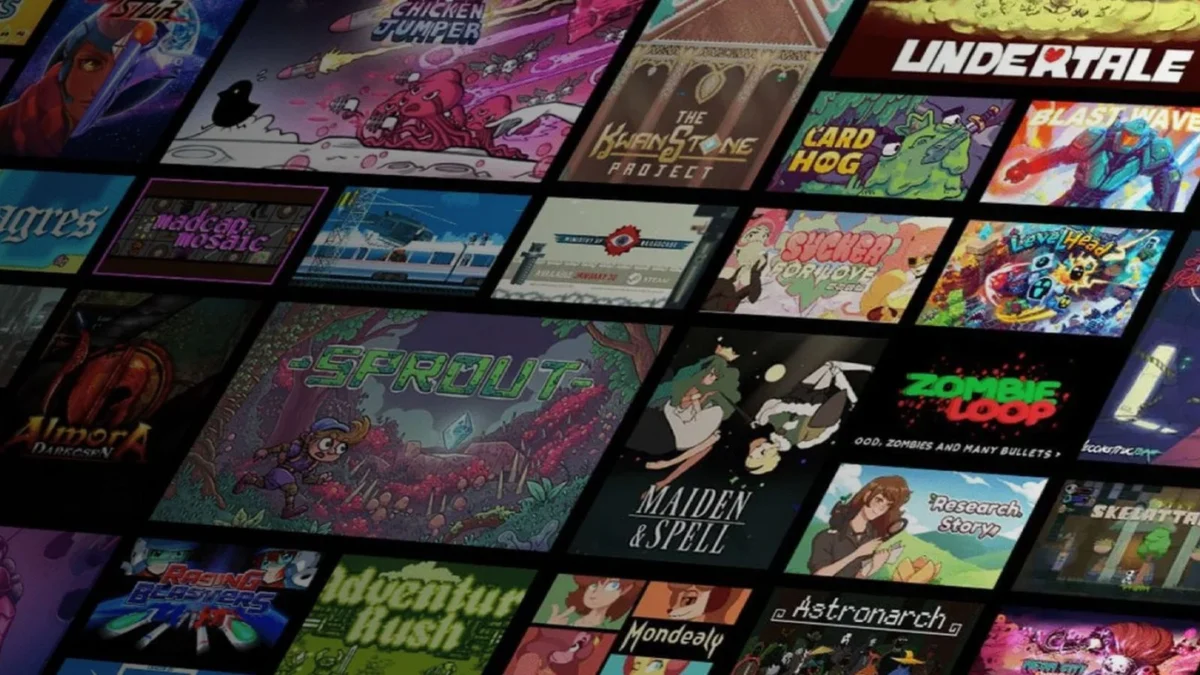
The landscape of independent game development is on the cusp of a significant transformation. GameMaker, the veteran engine powerhouse responsible for the creation of iconic titles such as Spelunky, Deltarune, and the critically acclaimed UFO 50, has announced a major shift in its business model. Starting January 1, 2027, the company’s next-generation runtime—the GameMaker Runtime (GMRT)—will be available entirely free for commercial use.
This move signals a strategic pivot by the platform, which is owned by Opera, to lower the barrier to entry for aspiring developers worldwide. By removing the requirement to purchase a Professional license for commercial distribution on desktop, mobile, and web platforms, GameMaker is positioning itself as the most accessible professional-grade tool for the next generation of indie creators.
A Strategic Shift: The Core Facts
For years, GameMaker has operated on a "freemium" model. While the engine was free for educational purposes and non-commercial tinkering, any developer looking to monetize their creation—whether through Steam, mobile app stores, or web portals—was required to purchase a perpetual Professional license. While the current cost of $99.99 is relatively modest compared to industry competitors, the removal of this financial gatekeeper marks a symbolic and practical shift in the company’s philosophy.
The GMRT is the engine’s "heart." It is the software layer that interprets code and executes it within the user’s environment, acting as the bridge between high-level logic and hardware performance. By making this core technology free, GameMaker is betting that the influx of new, small-scale developers will foster a more vibrant, expansive ecosystem that ultimately benefits the brand’s longevity and market share.
The Chronology of Change
The announcement of the free GMRT runtime is not an isolated event; it is the culmination of a series of updates that have been rolling out throughout the year.
- Early 2024: GameMaker initiated a push toward greater transparency by providing source-code access to its runtimes across all tiers. This was a direct appeal to the technical community, allowing developers to audit, debug, and optimize the engine’s inner workings.
- Mid-2024: The introduction of the GMRT beta began, signaling the shift away from the legacy GameMaker Studio 2 (GMS2) runtime.
- The Present: The company has confirmed the formal roadmap, setting the definitive date of January 1, 2027, for the full commercial rollout of the free GMRT model.
- The Future: Between now and 2027, the platform will continue to refine the GMRT beta, encouraging developers to migrate their projects from legacy systems to the new, more efficient architecture.
Supporting Data: Why the Runtime Matters
To understand why this change is impactful, one must understand the technical architecture of game engines. A runtime environment is effectively the "engine" that runs inside the car. When a developer writes code—be it via GameMaker’s visual GML (GameMaker Language) or its coding environment—the runtime is responsible for rendering graphics, calculating physics, and managing input.
Historically, closed-source runtimes have been a point of contention for developers. By opening the GMRT and removing the commercial cost, GameMaker is effectively allowing developers to "own" the distribution of their work without the looming concern of licensing fees.
Industry analysis suggests that the indie market is increasingly saturated, and development tools that emphasize ease-of-use and low overhead are gaining massive traction. According to recent surveys of independent game studios, "time-to-market" and "licensing flexibility" are the top two priorities for developers using 2D-focused engines. By aligning with these needs, GameMaker is positioning itself to compete directly with Godot—the open-source darling of the indie world—while maintaining the polish and support of a corporate-backed entity.
Official Responses and Developer Impact
The reaction from the development community has been largely positive. In official blog posts, the GameMaker team emphasized that this decision was born from a desire to "fuel the next wave of creativity."
"Our mission has always been to make game development accessible to everyone," says a representative from the GameMaker team. "By making the GMRT free for commercial use, we aren’t just removing a fee; we are validating the hard work of the thousands of hobbyists who want to take their first step into the commercial market."
For current Professional license holders, the news is equally favorable. The company has clarified that they will retain access to the source code of the existing GMS2 runtime and will continue to receive support. Furthermore, the Enterprise tier, which handles console exports (a process that involves third-party hardware security and proprietary SDKs), remains unchanged. This ensures that the professional studios already relying on GameMaker for console ports are not left behind.
The Implications: A New Era for Indie Games
The democratization of game development software has profound implications for the industry. Historically, the high costs associated with proprietary engines (or the steep learning curves of AAA-focused engines like Unreal) meant that many creative concepts were abandoned before they ever reached a prototype stage.
1. Lowering the Risk for First-Time Founders
For a solo developer or a two-person team, $99.99 is not a massive amount, but it is a "friction point." By removing this barrier, GameMaker encourages experimentation. Developers are more likely to create, iterate, and publish "jam games" or experimental projects if there is no commercial overhead attached to the engine itself. This will likely lead to an increase in the sheer volume of games hitting platforms like itch.io and Steam.
2. The Rise of the "Engine Agnostic" Developer
As runtimes become more accessible and transparent, we are seeing a shift in how developers learn their craft. Because GMRT is now effectively a "free-to-use" standard, it becomes a much more attractive candidate for educational institutions and coding bootcamps. If a student can learn on a tool that is free for both their classwork and their eventual first commercial release, they are significantly more likely to stick with that tool as they move into their professional careers.
3. A Challenge to Competitors
This move puts immense pressure on other mid-tier engines. The industry has seen significant turbulence in recent years with pricing changes at major engines like Unity. By committing to a free commercial runtime, GameMaker is offering stability and predictability—two things that developers value above almost all else in an era of corporate uncertainty.
Conclusion: Is Now the Time to Start?
With the road to 2027 now clearly mapped out, there has never been a better time for aspiring developers to dive into the GameMaker ecosystem. The engine’s unique ability to blend visual scripting with powerful, flexible coding makes it a rare middle-ground for both beginners and veterans.
Whether you are looking to build the next Spelunky or simply want to understand the mechanics of game design, the barrier to entry has officially been lowered. For those interested in getting started, the GameMaker documentation and the abundance of community-led tutorials provide a robust foundation. As the engine continues to evolve toward the 2027 milestone, it is clear that GameMaker is not just building software; it is building a community-driven future for the next generation of game developers.
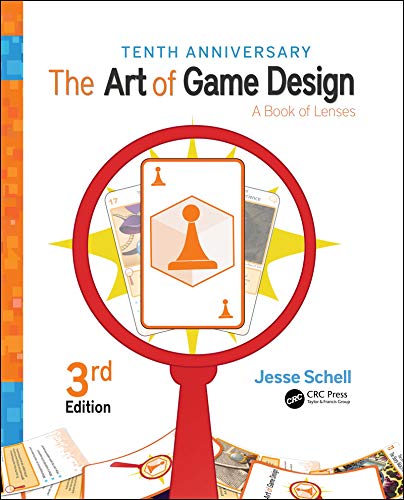
As you prepare to embark on your game development journey, remember that the tools are only part of the equation. As highlighted by classic texts like The Art of Game Design: A Book of Lenses, the core of any great game lies in the creative vision, the iteration process, and the relentless pursuit of player experience. With the financial barriers of the engine removed, you are now free to focus entirely on what matters most: your game.
 Raul Delapena Setiawan
 Muslim
 Laily UPN
