
 By Asep Darmawan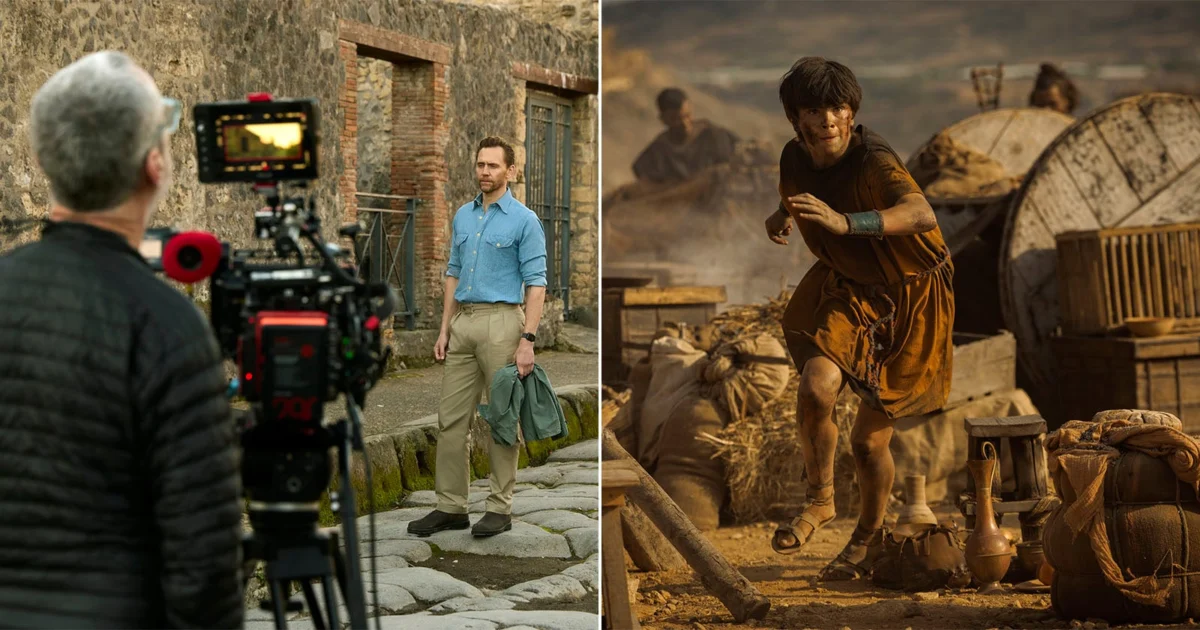
For nearly two millennia, the silent, stone-clad streets of Pompeii have held the world in a grip of fascination and dread. The city, frozen in a singular, cataclysmic moment in 79 A.D., serves as a haunting mirror to our own mortality. Each year, 2.5 million visitors traverse the UNESCO World Heritage Site, wandering through the remnants of a civilization interrupted. Now, National Geographic is set to peel back the layers of dust and time with its ambitious new three-part series, Pompeii: Out of Time.
Blending the high-stakes intensity of cinematic drama with the rigorous precision of archaeological inquiry, the series promises a departure from the "cheesy" reenactments that have long plagued the genre. At the helm of this endeavor is executive producer and host Tom Hiddleston, whose personal history with the site adds a layer of genuine intellectual curiosity to the production.
The Genesis of a New Genre
The core of Pompeii: Out of Time lies in its innovative narrative structure. By interweaving modern-day academic investigations—led by the charismatic Hiddleston—with visceral, scripted sequences of the final hours before Vesuvius erupted, the series seeks to bridge the gap between historical fact and human experience.
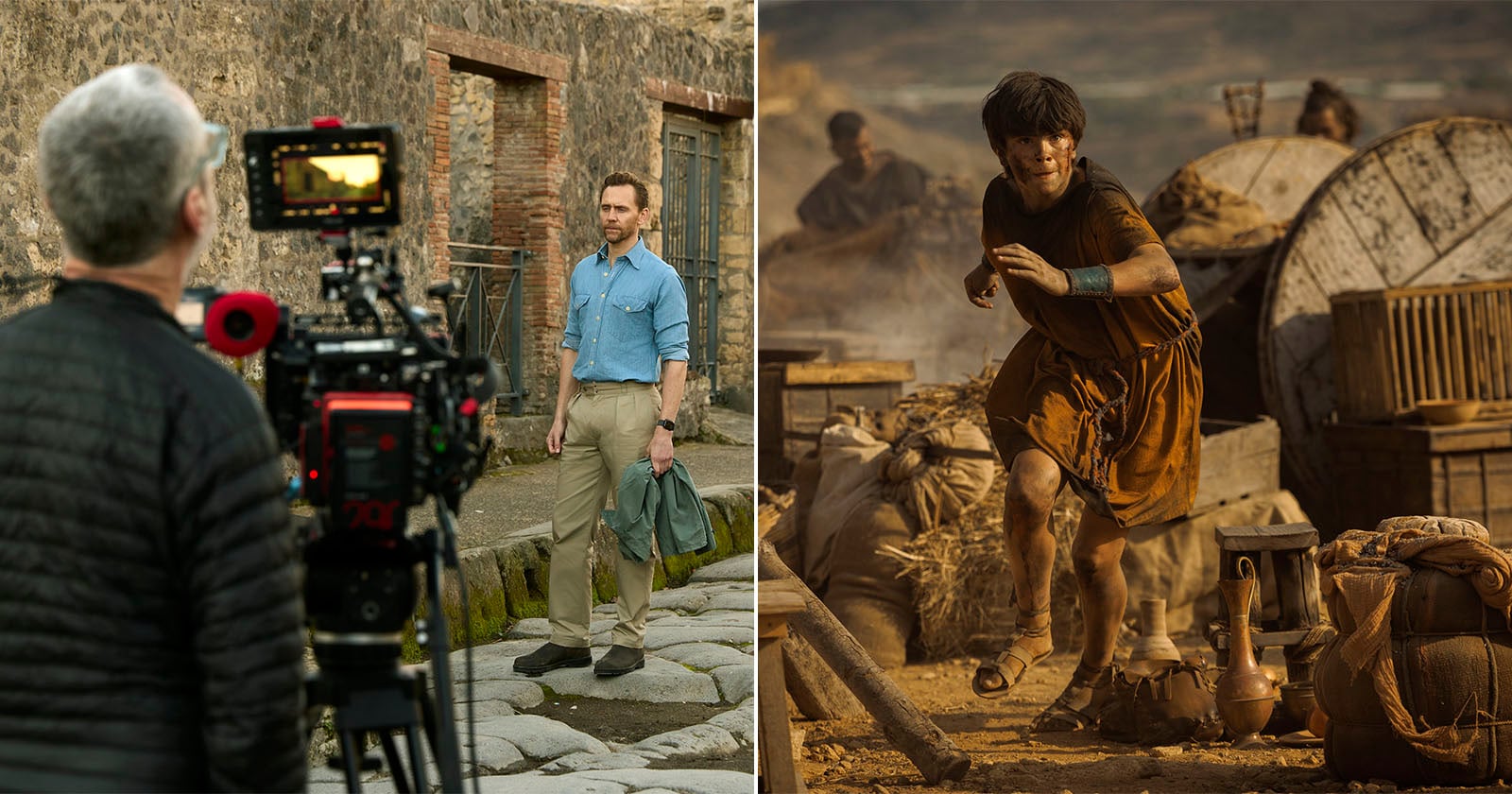
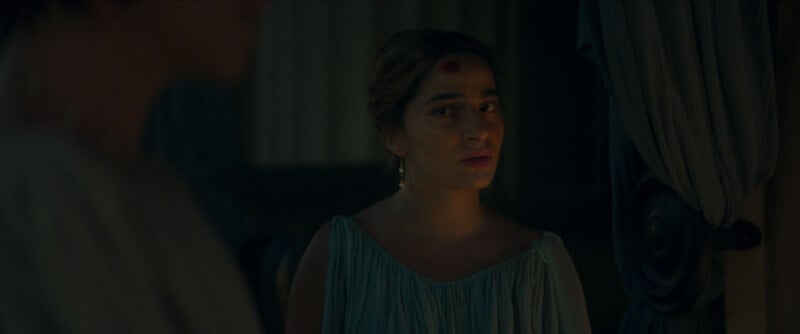
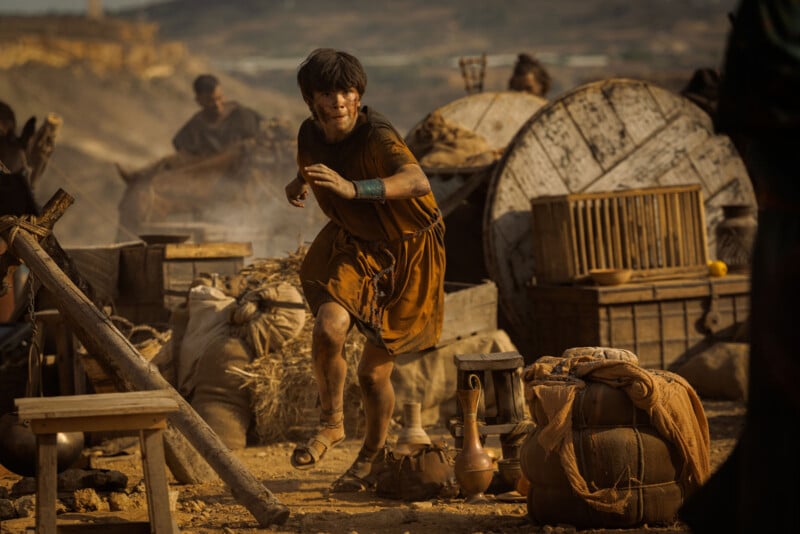
Cinematographer Jim Jolliffe, working in close collaboration with director Tom Barbor-Might, was tasked with a difficult mandate: make the history feel immediate without sacrificing the gravity of the subject matter. The visual language of the show is defined by the use of anamorphic lenses, specifically the Caldwell Chameleon series. These lenses, paired with the Arri Alexa 35, provide a widescreen, cinematic quality that elevates the material from a standard documentary to a prestige drama.
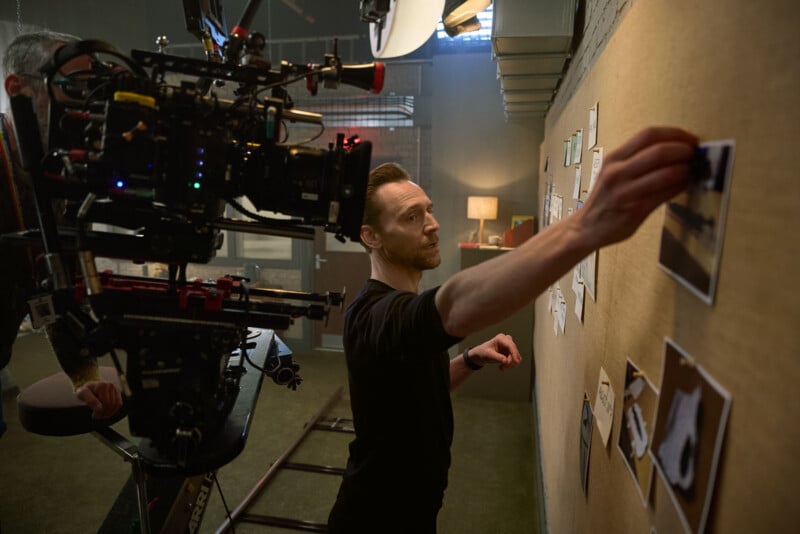
"The first thing we thought was that we both wanted to shoot on anamorphic lenses," Jolliffe explains. "We thought, first, it’s obviously great for the drama, and second, it would be a great way to visually tie the drama-world into the present-day with Tom and his interviews."
Chronology of Catastrophe: A Visual Evolution
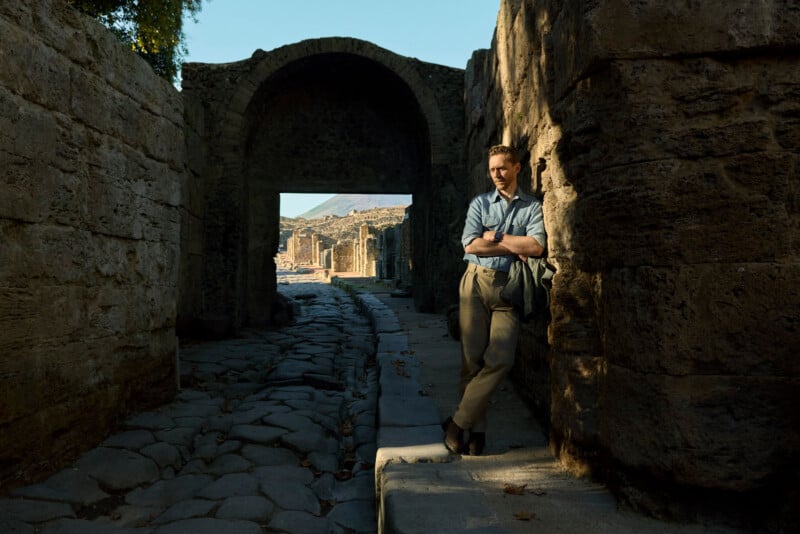
The series is structured to reflect the progression of the eruption, with the visual tone shifting in lockstep with the encroaching volcanic threat. Jolliffe describes the color palette as a living participant in the storytelling.
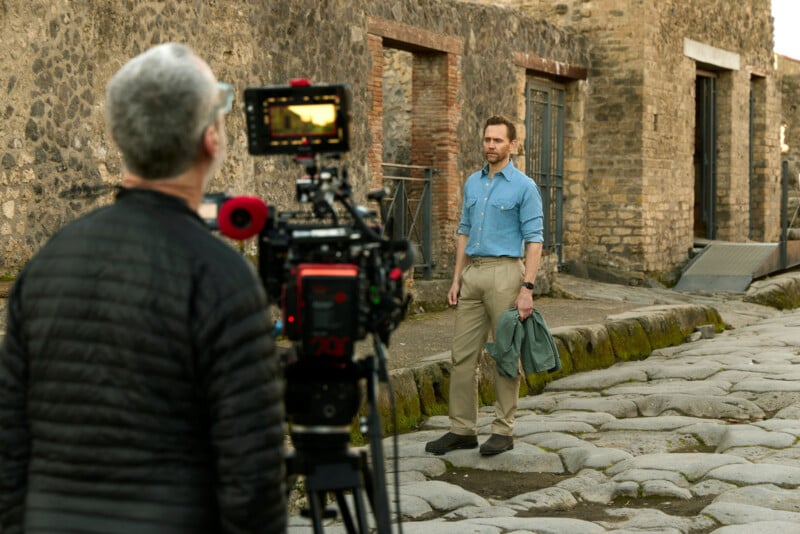
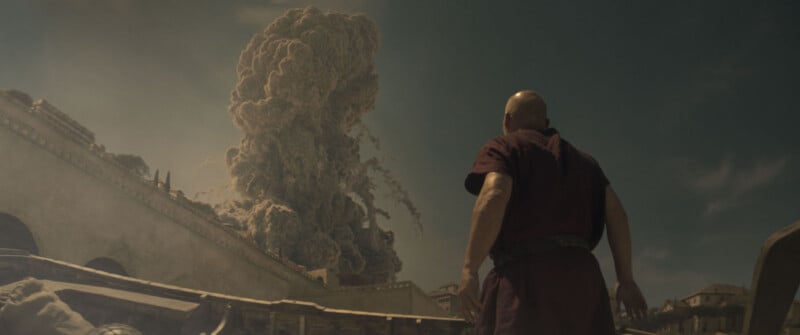
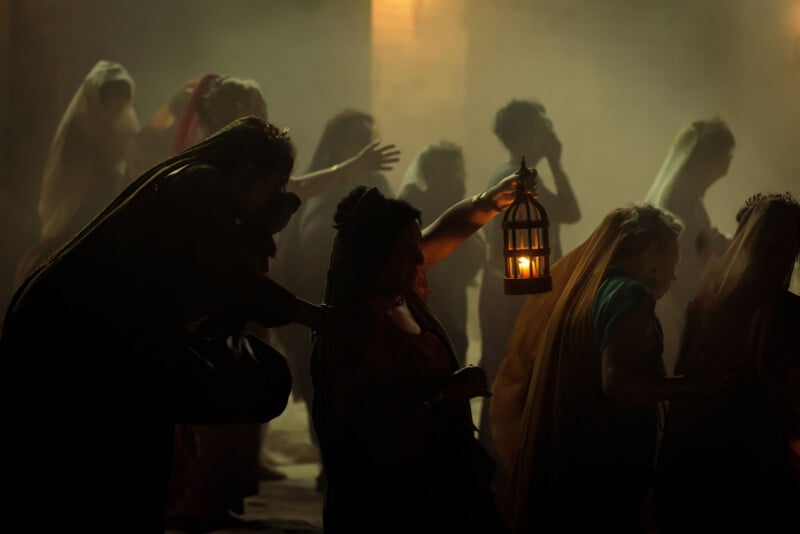
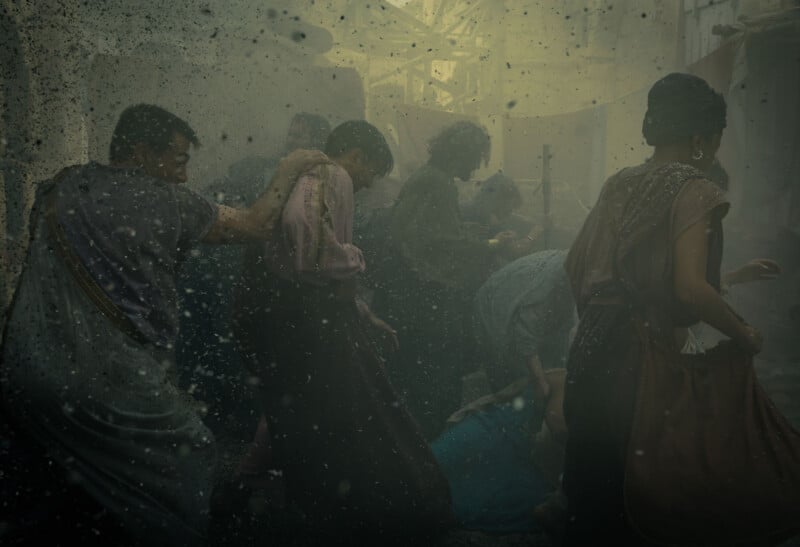
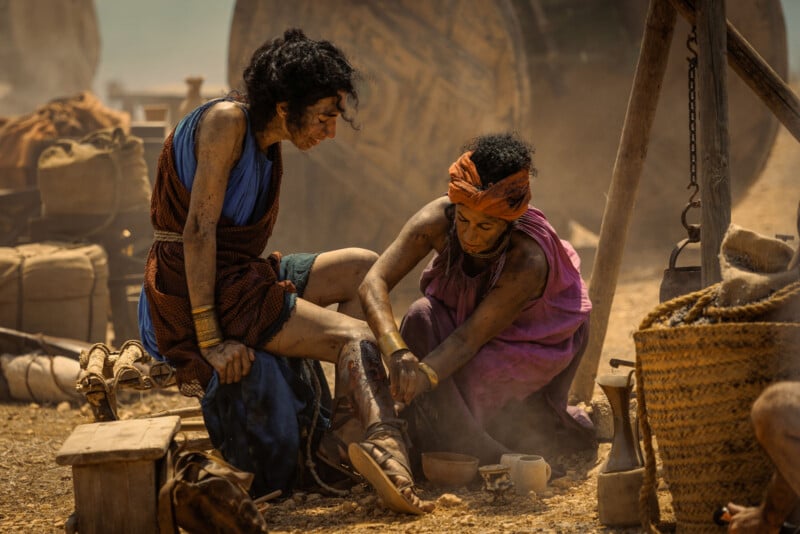
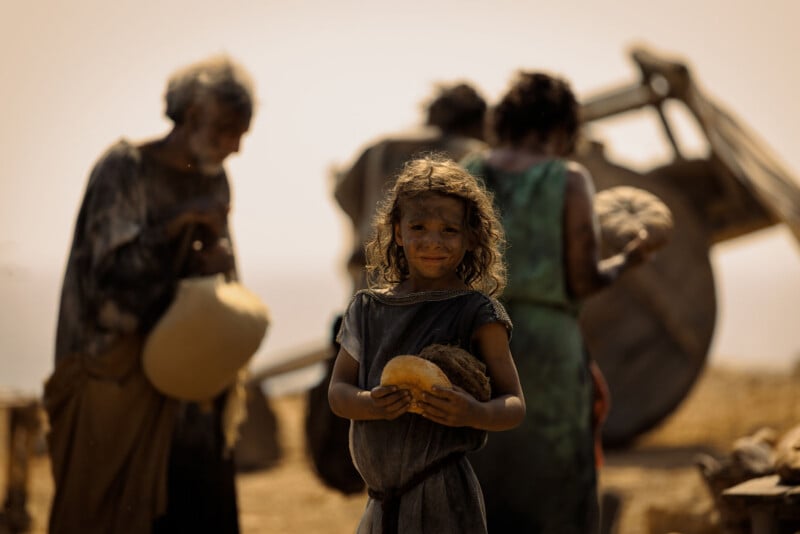
The pre-eruption sequences, depicting the daily lives of the citizens of Pompeii, are bathed in warm, golden hues, suggesting a world of stability and vibrant humanity. This warmth is intentionally carried over into the modern-day interview sequences, grounding the present in the beauty of the past. However, as the timeline shifts toward the eruption itself, the aesthetic undergoes a deliberate, chilling transformation. The color temperature drops, moving toward colder, more desaturated blues and grays as the sky darkens under a thick mantle of ash.
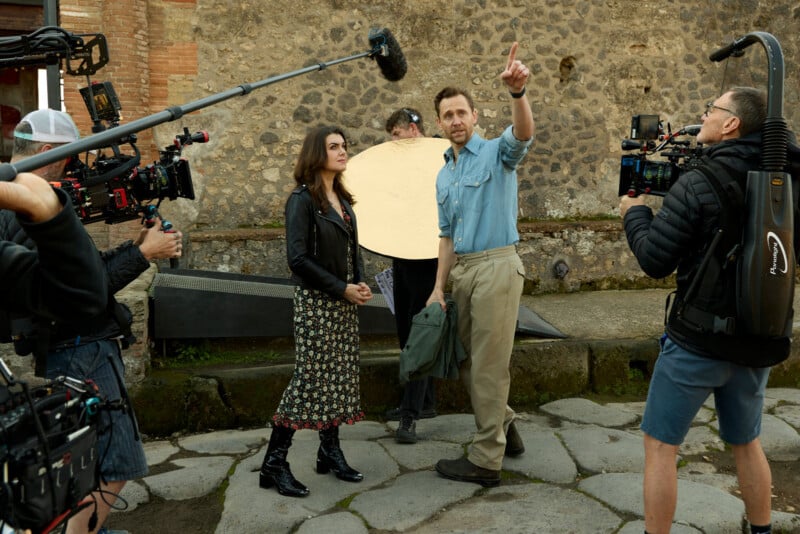
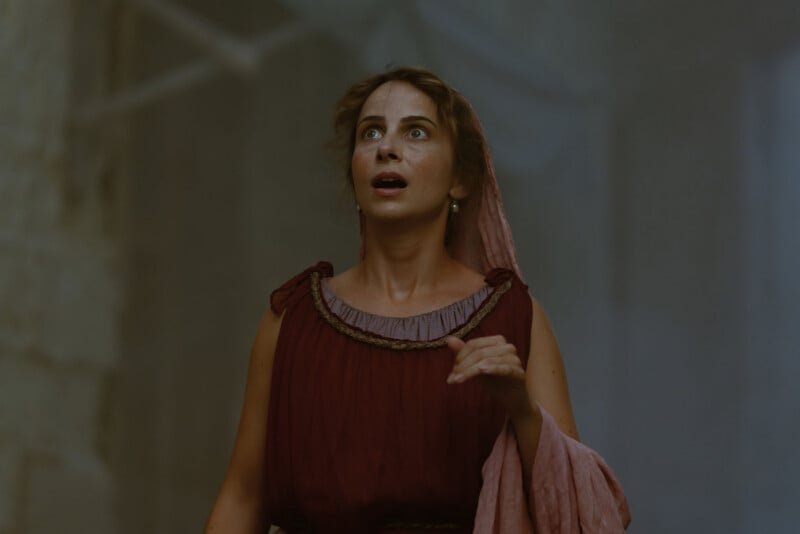
This shift in lighting and color is matched by a shift in camerawork. The pre-eruption scenes are characterized by stable, slow-paced, deliberate shots that emphasize the permanence of the city. As the disaster begins, the filming style moves into a "run-and-gun," handheld aesthetic, utilizing camera shake and erratic movement to capture the panic, chaos, and desperate survival instincts of the citizens.
Behind the Lens: The Logistics of "Small"
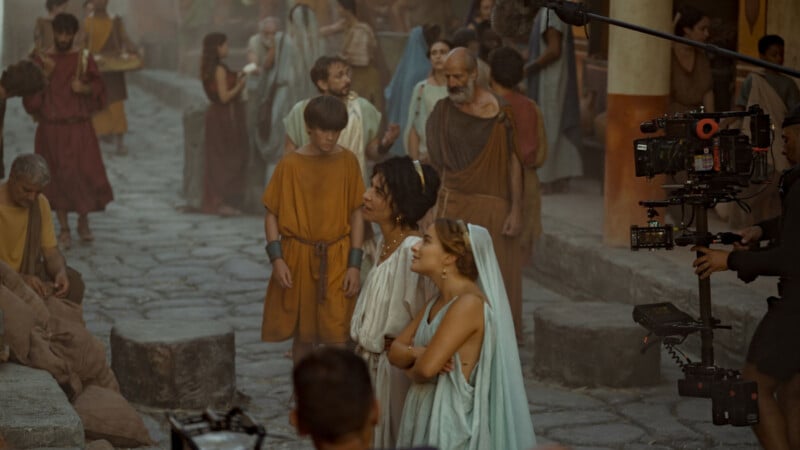
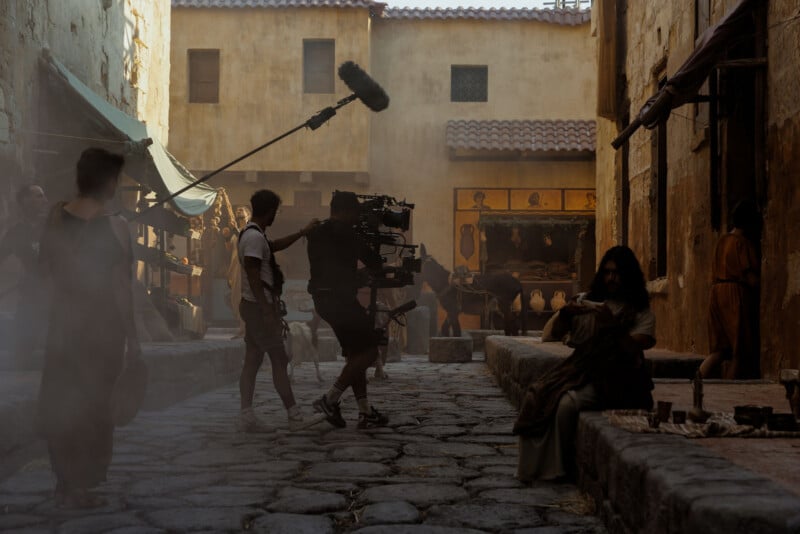
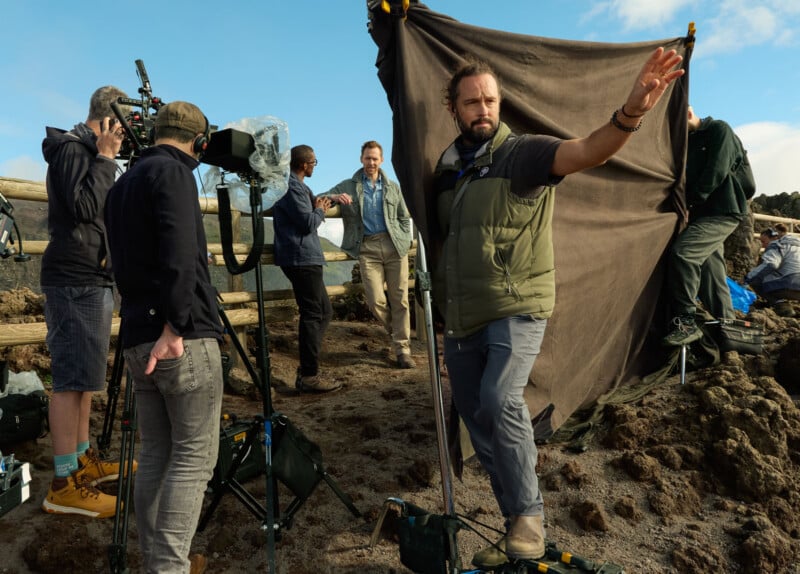
Perhaps the most impressive feat of the production is its ability to maintain a cinematic look under the restrictive conditions of a historical site. Working at an active archaeological site like Pompeii requires a "light footprint," both figuratively and literally.
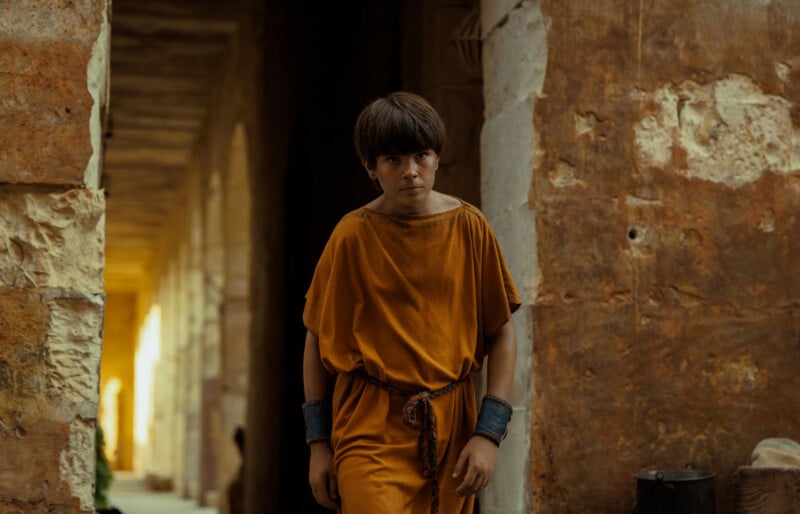
Because the crew could not bring in massive lighting rigs, they were forced to work with natural light, supplemented by modest, agile LED fixtures. This constraint, rather than hindering the production, became a signature element of its visual identity. By relying on bounce cards, diffusion, and the inherent quality of the natural light hitting the ancient stone, Jolliffe was able to create a cohesive look that spans both the dramatic reenactments and the present-day interviews.
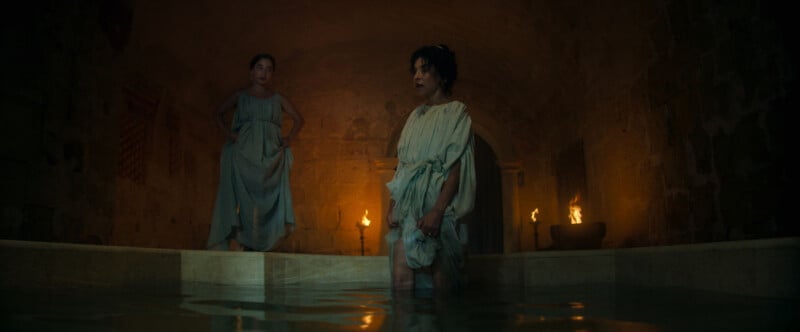
"The lighting in the series is particularly interesting," Jolliffe notes, "because for the historic, dramatic components, light is generally very low and characters have torches or candles." By keeping the equipment minimal, the production remained agile, allowing the team to capture intimate moments with historians and archaeologists—experts who are often uncomfortable on camera—in a way that felt unobtrusive and authentic.
A Personal Connection: Hiddleston’s Long-standing Fascination
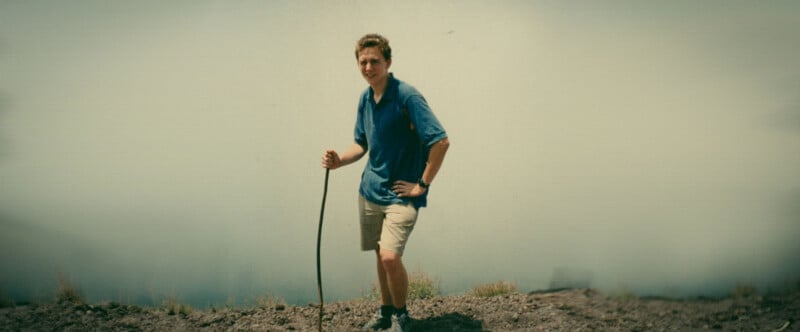
Tom Hiddleston’s involvement is far from a mere celebrity cameo. The actor has maintained a deep, personal connection to the region since his youth. An archive photograph from 1998 shows a 17-year-old Hiddleston standing atop Mount Vesuvius during his first trip to Pompeii and Herculaneum.
This long-standing passion provides a narrative anchor for the series. Jolliffe highlights Hiddleston’s unique ability to put his interview subjects at ease, a quality that is essential when discussing the nuanced, often heavy subject matter of mass historical tragedy. Hiddleston doesn’t just narrate; he participates, acting as a surrogate for the viewer—someone genuinely eager to peel back the layers of history and understand the individuals who lived, worked, and ultimately perished in the shadow of the volcano.
Official Responses and Strategic Intent
National Geographic’s investment in this project is indicative of its broader mission to reinvent how history is consumed by modern audiences. Tom McDonald, EVP of Content at National Geographic, emphasizes the strategic nature of this production.
"National Geographic has spent more than a century bringing the past to life through groundbreaking discoveries, exploration and world-class storytelling," McDonald states. "Working with Tom and Kevin, alongside the team at Plimsoll led by showrunner Tom Barbor-Might, has been a process of inventing an entirely new genre of history programming—one which brings evidence and imagination together in a way which feels distinctive."
This "distinctive" approach is not just about entertainment; it is about creating a legacy. The production is timed to coincide with a major feature story in the August issue of National Geographic magazine, focusing on the three Roman cities destroyed by Vesuvius. This multimedia synergy aims to ensure that the series is supported by the full weight of the publication’s scientific and archaeological resources.
The Implications: Moving Beyond Reenactment
The success of Pompeii: Out of Time could mark a turning point for historical television. By prioritizing high-end cinematography, sophisticated color grading, and a narrative structure that treats its subjects with human dignity rather than historical caricature, the series sets a new benchmark for the genre.
The use of anamorphic glass and careful light management demonstrates that "documentary" no longer implies a secondary visual status compared to narrative film. It proves that with enough planning and creative problem-solving, even a historical reenactment can hold the visual power of a blockbuster.
Furthermore, by integrating the "how" (the archaeology) with the "what" (the dramatic story of the victims), the show avoids the voyeurism that often accompanies disaster storytelling. It respects the gravity of the event while ensuring that the audience is engaged on an emotional level.
Conclusion: A Window into the Past
As we await the premiere, the anticipation surrounding Pompeii: Out of Time serves as a reminder of our enduring obsession with this doomed city. We are drawn to Pompeii not only because of the tragedy but because it represents the most intimate, preserved connection we have to the ancient world.
When the series premieres on National Geographic on July 22, followed by a digital release on Disney+ and Hulu on July 23, viewers will be treated to more than just a history lesson. They will be invited into a meticulously crafted world—one where the dust of the past meets the precision of modern filmmaking. It is a testament to the fact that while Pompeii may be "out of time," its story is more relevant, and more visually stunning, than ever before.
 Raul Delapena Setiawan
  rifanmuazin
  Ammar Sabilarrohman