
 By Azzam Bilal Chamdy
For the past year, I have been firmly entrenched in the audiophile rabbit hole, chasing the elusive "perfect" sound signature through forums, technical white papers, and an ever-growing collection of gear. This past weekend, however, I took the leap from the digital world to the physical, attending CanJam London—the industry’s premier personal audio exhibition.
CanJam is a sensory paradox: a space where $100 entry-level "budget bangers" share shelf space with $5,200 ultra-luxury flagships. It is a place of pilgrimage for enthusiasts, but for a newcomer, it is also a crucible of reality. My weekend was defined not just by the sonic fidelity of the equipment, but by a series of disruptive realizations that have fundamentally altered my approach to reviewing headphones and In-Ear Monitors (IEMs).
The Subjectivity of Sound: Why We Disagree
The highlight of the weekend was undoubtedly a seminar hosted by the team from Headphones.com. Griffin Silver (known as "Listener") and Cameron Oatley (the "GoldenSound" of audio analysis) presented a session titled, “Why Can’t We Just Agree What a Headphone Sounds Like?”
Anatomy as the Final Arbiter
The core takeaway from their presentation was as scientific as it was disruptive: our individual biology is the most significant variable in the audio chain. It isn’t just about "taste"; it is about physical acoustics. A headphone’s frequency response can shift dramatically based on:
- Anatomical geometry: The shape of your pinna (outer ear) and ear canal.
- Seal integrity: Any break in the vacuum seal of an IEM immediately degrades bass response.
- Clamping pressure and pad material: These factors change the acoustic coupling between the driver and the eardrum.
The implication is profound. Frequency response graphs, while useful for benchmarking, are not the absolute arbiters of quality we once believed them to be. When a prominent reviewer on YouTube declares a product "trash" or "god-tier," they are describing how that product interacts with their specific anatomy. This realization is incredibly empowering: if someone with a massive, high-end rig dismisses your preferred gear, you no longer need to doubt your ears. You are simply experiencing a different acoustic reality.
The Comfort-Performance Trade-off
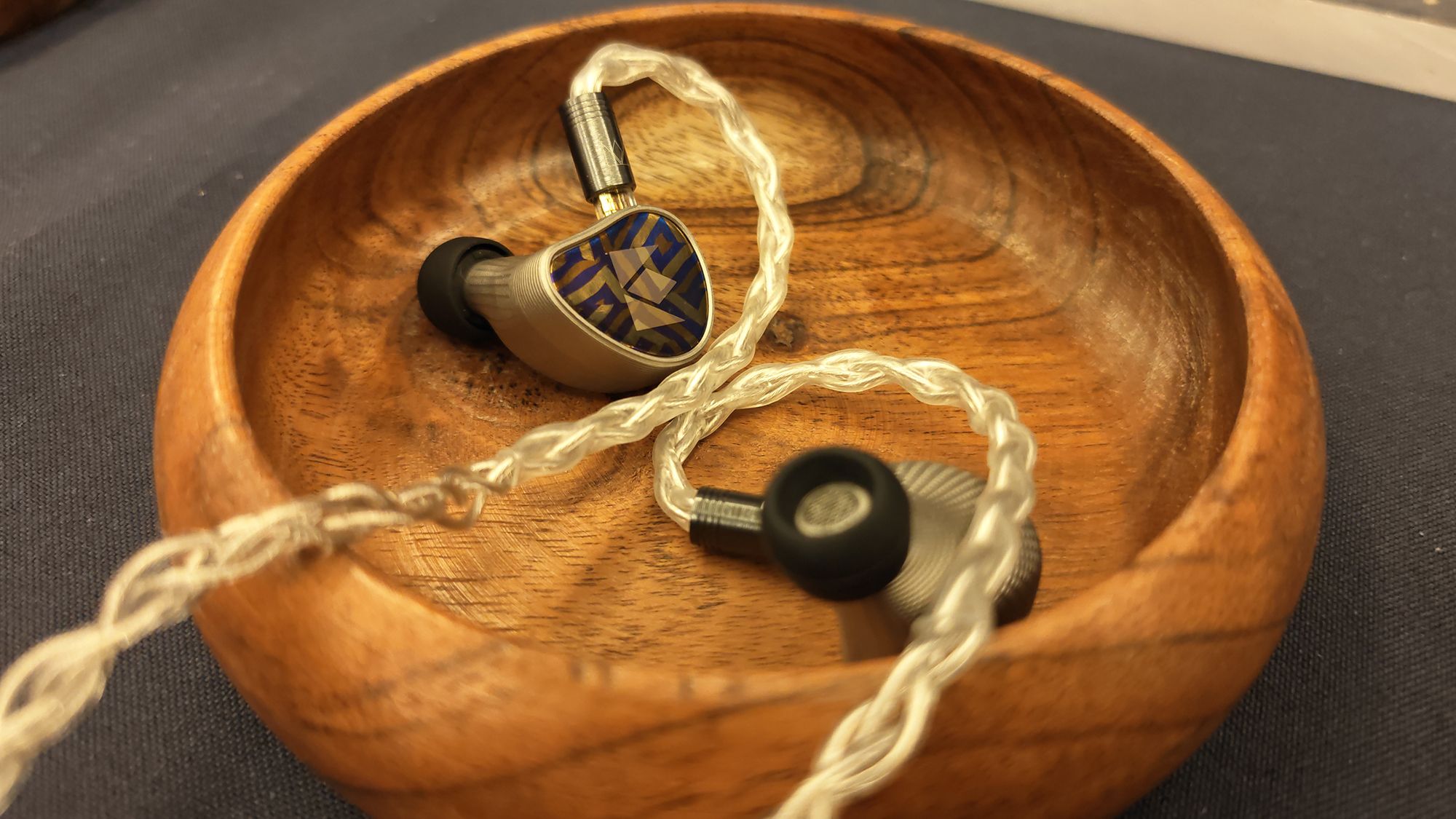
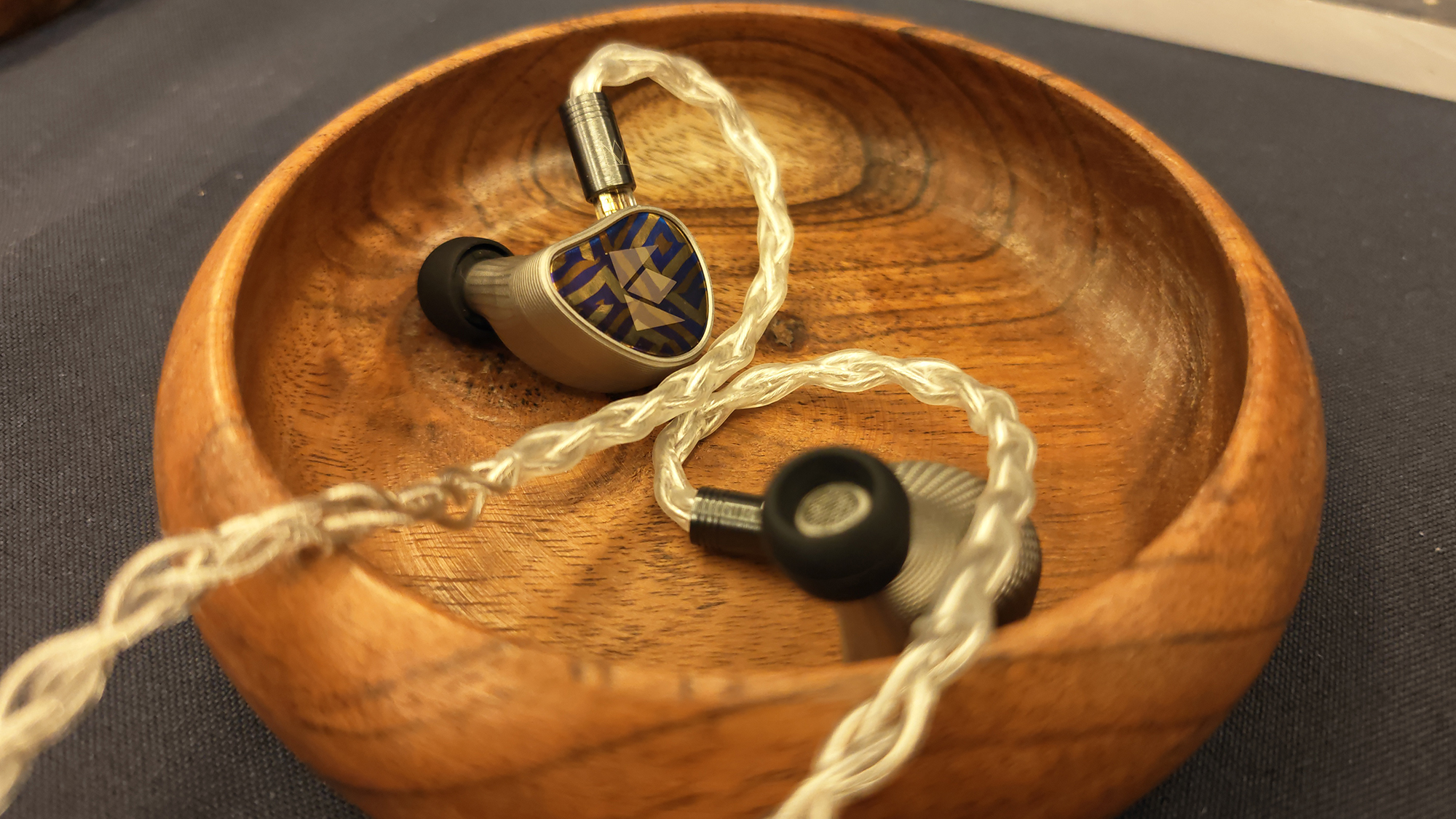
One of my primary objectives for the weekend was to experience the Subtonic Storm. Widely heralded by industry luminaries like Theo Lee (Precogvision) as the "world’s best IEM," the $5,200 asking price sets an expectation of absolute perfection.
The Reality of "Chonk"
The Storm is undeniably a marvel of engineering, but it serves as a stark reminder that high-fidelity audio is useless if it causes physical distress. The IEMs are "unvented," a design choice that creates an intense pressure build-up within the ear canal. For me, the discomfort was immediate and severe. Any movement of the jaw, let alone listening for an extended period, became a chore.
By contrast, I spent time with the Final E4000, a $100 set of "bass cannons." While they cannot compete with the technical resolution or the nuanced imaging of the $5,000 Storm, they provide a level of ergonomic comfort that allows for hours of effortless listening.
The Lesson: The most expensive audio gear in the world is effectively worthless if it fails the "wearability test." When reviewing products, I will now prioritize ergonomics alongside frequency response. If you cannot bear to listen to a device for more than five minutes, the "magic sauce" of its drivers is irrelevant.
The Shift Toward "True" Neutrality
In the current audiophile landscape, we are witnessing a pivot away from the "fun," colorized tunings of the past—often characterized by aggressive V-shaped profiles, artificial treble boosts for fake detail, or bloated mid-bass—toward a more disciplined, neutral philosophy.
The Science of the 5128 Target
This shift is best exemplified by the newly released Status Pro X GoldenSound Edition ($280). Unlike many manufacturers who "aim for neutral" by ear, Cameron Oatley and his team collaborated with Imperial College London to measure their own Head-Related Transfer Functions (HRTFs). By comparing these to the Brüel & Kjær 5128 acoustic simulator—the gold standard in head-and-torso simulators—they derived a mathematically rigorous "true" neutral target.
The result is a sound profile that is balanced, rich, and remarkably natural. In my time with the Pro X, I found that vocals and instruments sound precisely as they do in real-world settings. There is no artificial fatigue. This transition toward evidence-based neutrality is the healthiest development in the hobby, as it provides a consistent, transparent baseline for what music is supposed to sound like, rather than what a manufacturer thinks we want it to sound like.

The Cost of Excellence: A Final Reflection
Just before concluding my time at CanJam, I visited the Noble Audio stall. I tested the $325 Vanguard, which—to my ears—suffered from an aggressive upper-midrange peak that made long-term listening difficult. I then transitioned to the $699 Iris, which restored my faith in the brand’s tuning capability.
Finally, I auditioned the $4,500 Noble Kronos. It was, without hyperbole, the best-sounding piece of equipment I encountered all weekend. The warmth, the midrange accuracy, and the ability to extract micro-details from familiar test tracks were transformative.
Implications for the Future
However, this leads to the most difficult question in the industry: Does it make sense? Can a $4,000 price premium really be justified by the marginal gains in fidelity?
As I left the show floor, I felt a mix of exhilaration and melancholy. I had heard the pinnacle of personal audio, yet it was a product I will likely never own. The audiophile hobby is at its absolute best when it is inclusive—when it invites newcomers in through accessible, well-tuned gear like the FiiO FT1 or the Status Pro X, rather than keeping them at arm’s length with exclusionary price tags.

The Noble Kronos was a fleeting joy, a "weird, wonky, and wonderful" experience that I will treasure. But the future of the hobby isn’t in the five-figure flagships that exist only for the 0.1%. It is in the democratization of high-fidelity sound. As I look toward my upcoming reviews, I will carry the lessons of CanJam with me: trust my own ears, demand physical comfort, embrace scientific neutrality, and always remember that the best gear is the one that brings you closer to the music, regardless of the price on the box.
 Nana Muazin
  Raul Delapena Setiawan
  Ammar Sabilarrohman