
 By Nila Kartika Wati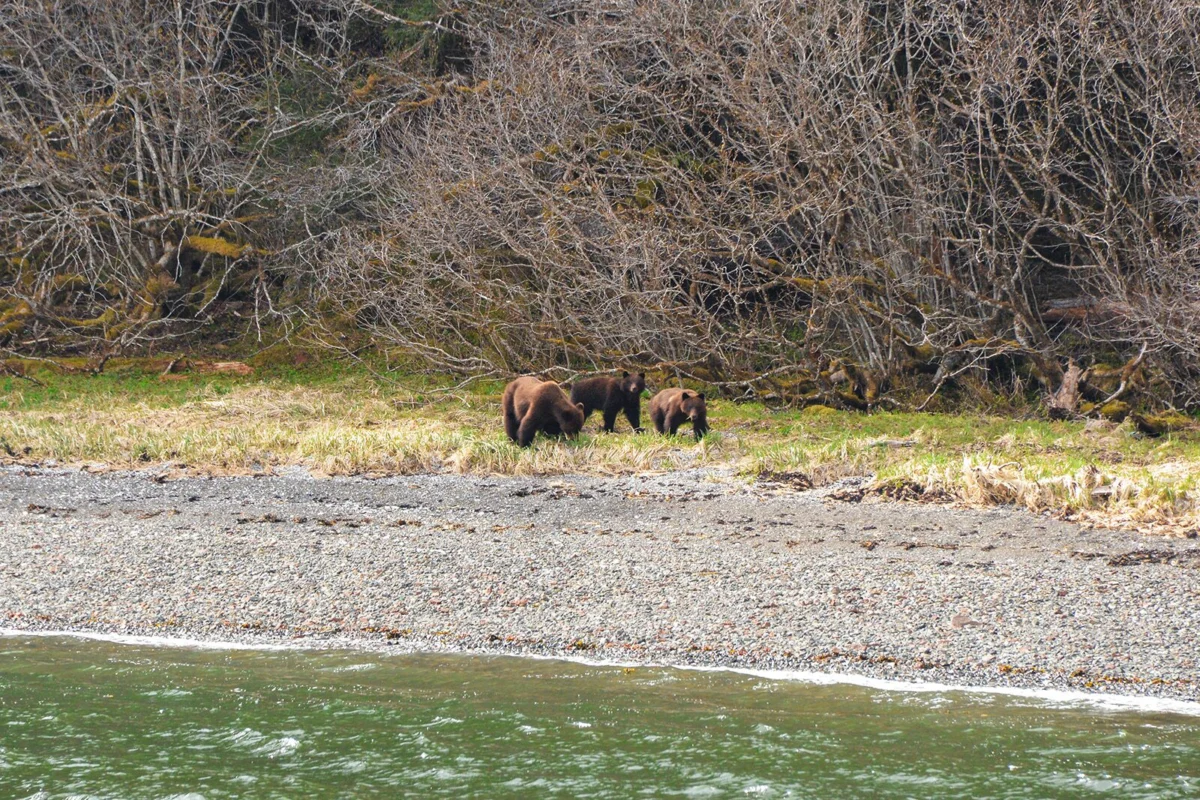
Alaska is a land of superlatives. Spanning 586,000 square miles, it contains more than a dozen national parks and preserves, yet it remains one of the least densely populated regions on Earth, with fewer than 750,000 residents. For the traveler, this geography presents a unique proposition: regardless of how you choose to traverse the Last Frontier, you are almost guaranteed to find yourself surrounded by vast, untamed landscapes largely governed by wildlife rather than humans.
While the travel industry often markets small-ship expedition cruises—which can command price tags exceeding $15,000 per person—as the only way to achieve an "intimate" encounter with the Alaskan wilderness, recent experiences suggest otherwise. A standard, large-scale cruise ship can offer a comparable, if not superior, wildlife-viewing experience at a fraction of the cost. A week spent at sea this past May, coinciding with the opening of the 2026 cruise season, underscored that the magic of Alaska is not found in the luxury of the vessel, but in the patience of the observer.
The Seasonal Shift: Why Timing Defines the View
My recent voyage was not my first foray into the Southeast Alaskan waters. Four years prior, I navigated a similar route, though that journey occurred in late September, marking the tail end of the cruise season.
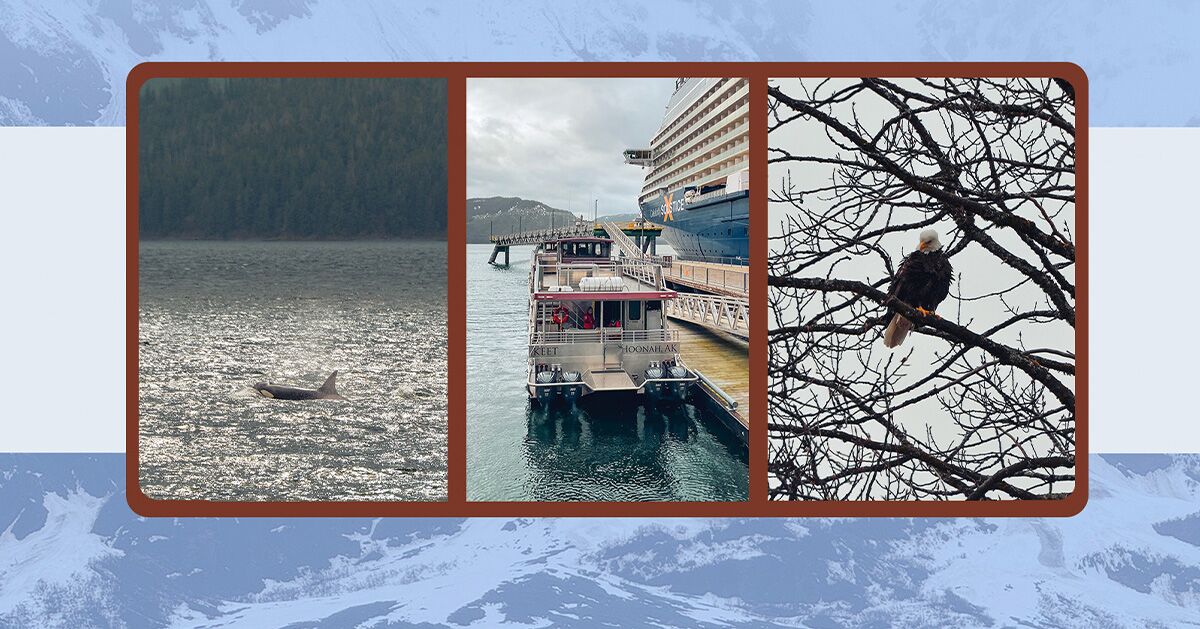
The contrast between the two trips was stark. While the environmental conditions—rainy, chilly, and mercurial—remained consistent across both visits, the biological landscape had shifted entirely. In the autumn of 2022, the waters were teeming with thousands of sea otters and bald eagles. In contrast, this spring expedition yielded a different cast of characters: orcas, humpback whales, and, somewhat unexpectedly, the vibrant, darting forms of Rufous hummingbirds.
This observation highlights a crucial tip for potential travelers: Alaska is not a static display. To witness the migration of marine giants or the nesting habits of raptors, one must align their travel window with the specific biological cycles of the region. Furthermore, the essential toolkit for such a trip is surprisingly low-tech. A pair of high-quality binoculars is non-negotiable, serving as the bridge between the distant horizon and the intricate details of the animal kingdom.
Chronology of a Wilderness Expedition
Icy Strait Point: The Orca Encounter
The highlight of the journey occurred at Icy Strait Point, an Indigenous-owned cruise destination in Hoonah. While the location offers modern amenities like zip lines and cable cars, we opted for a 2.5-hour marine mammal excursion.
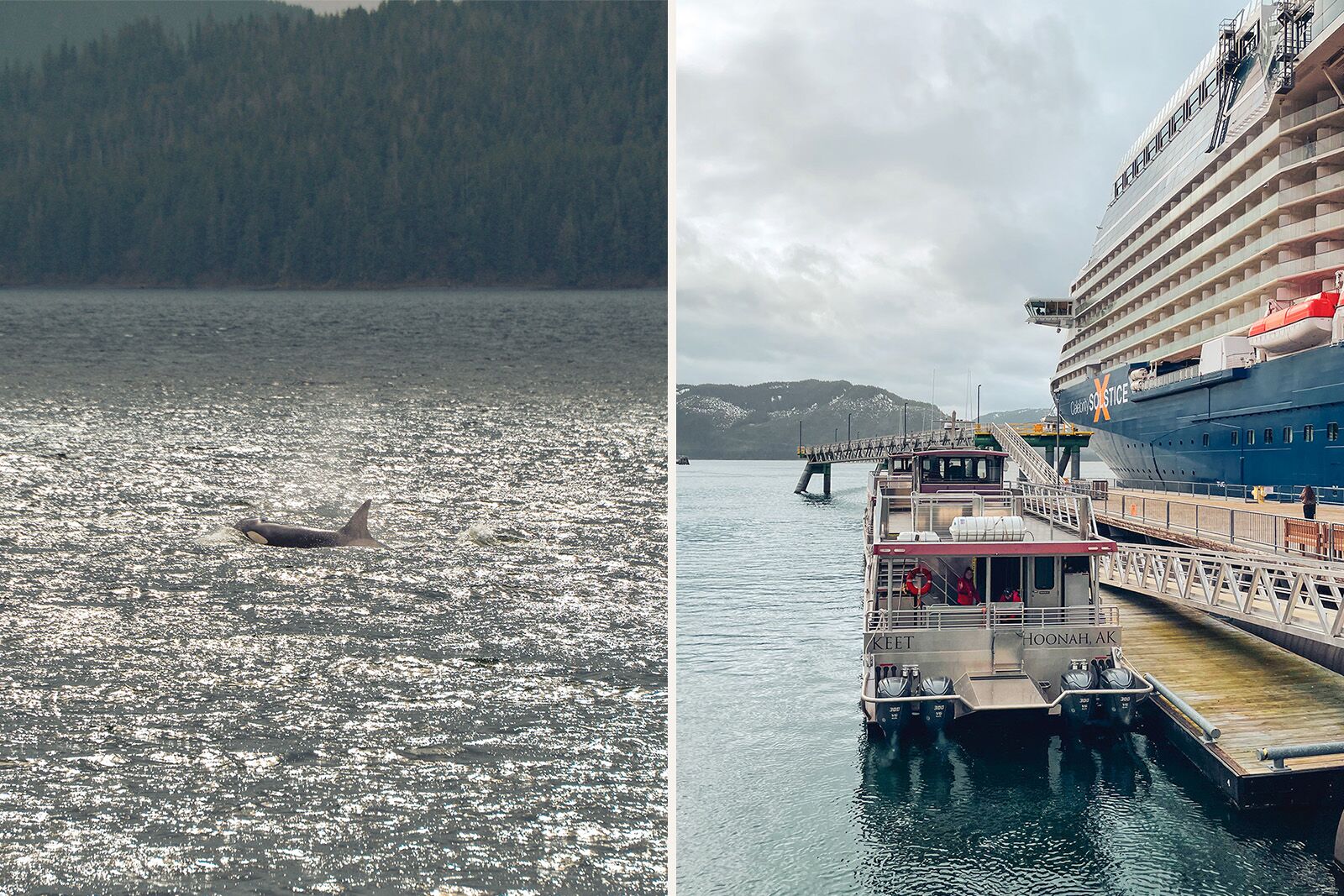
While tour operators are increasingly cautious about guaranteeing sightings, the local knowledge provided by our captain proved invaluable. We boarded a vessel aptly named Keet—the Tlingit word for orca. Within ten minutes of navigating the Port Frederick Fjord (known in Tlingit as Komtok Hon), we encountered a small transient pod.
Identifying these animals is a study in biology. We observed a trio—an adult male, an adult female, and a juvenile. The male was distinguished by a striking, triangular dorsal fin reaching nearly six feet in height, whereas the female and juvenile displayed smaller, curved fins. Despite the moniker "killer whale," these animals are, in fact, the largest members of the dolphin family. Observing them from a respectful, non-intrusive distance for two hours offered a masterclass in aquatic grace.
Hubbard Glacier: Chasing the Ice
Our itinerary pushed further toward the Wrangell-St. Elias National Park and Preserve. While it remains one of the least visited national parks in the United States, it is a primary magnet for cruise ships due to the presence of the Hubbard Glacier, North America’s largest tidewater glacier.
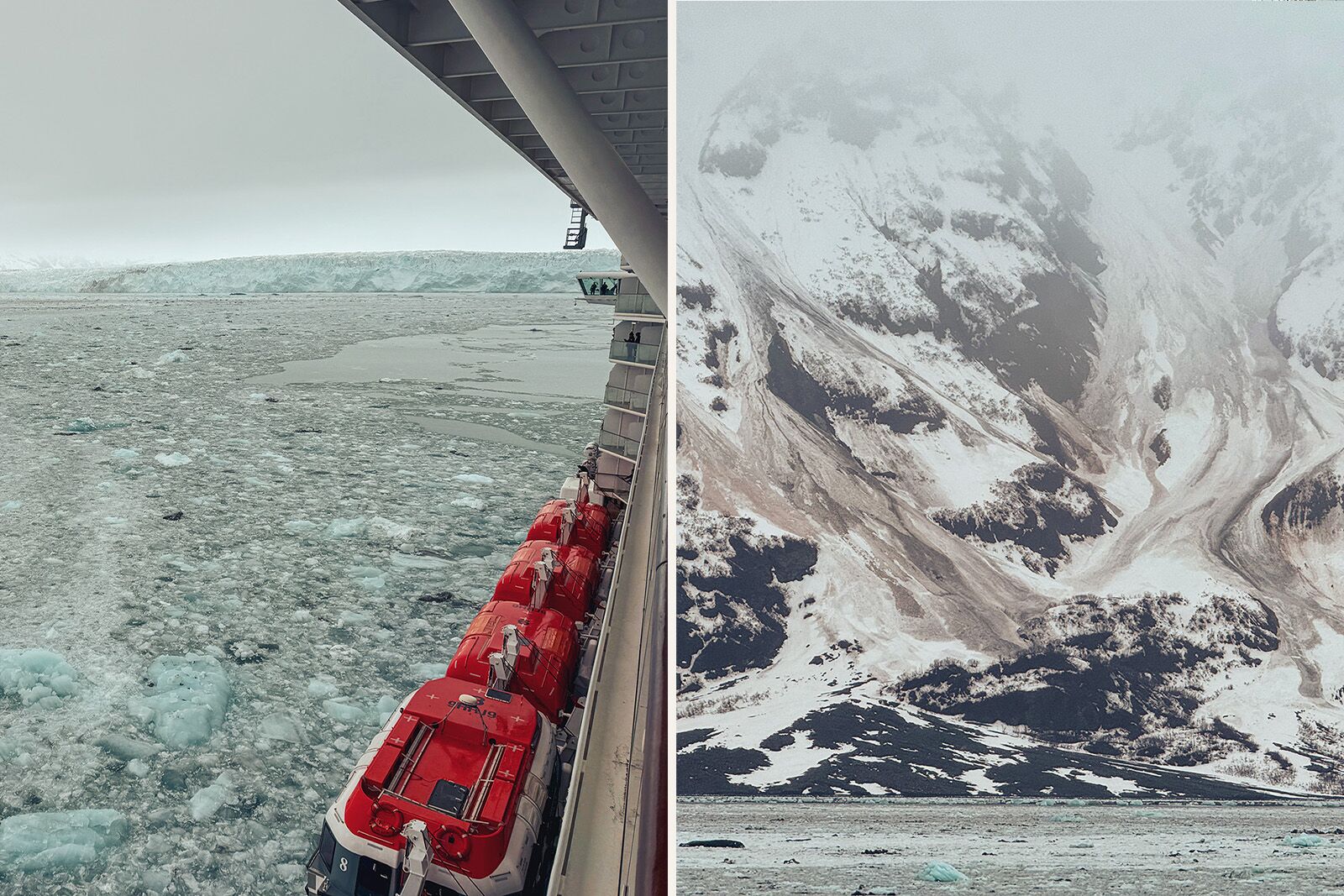
Sailing toward the glacier is an exercise in endurance. The weather in this region is notoriously volatile, characterized by persistent rain and dense fog. However, the discomfort of the cold is quickly eclipsed by the sensory experience of the ice itself. As the ship approaches the glacier, the air is filled with the sound of "white thunder"—the cracking and groaning of ice as it calves into the bay.
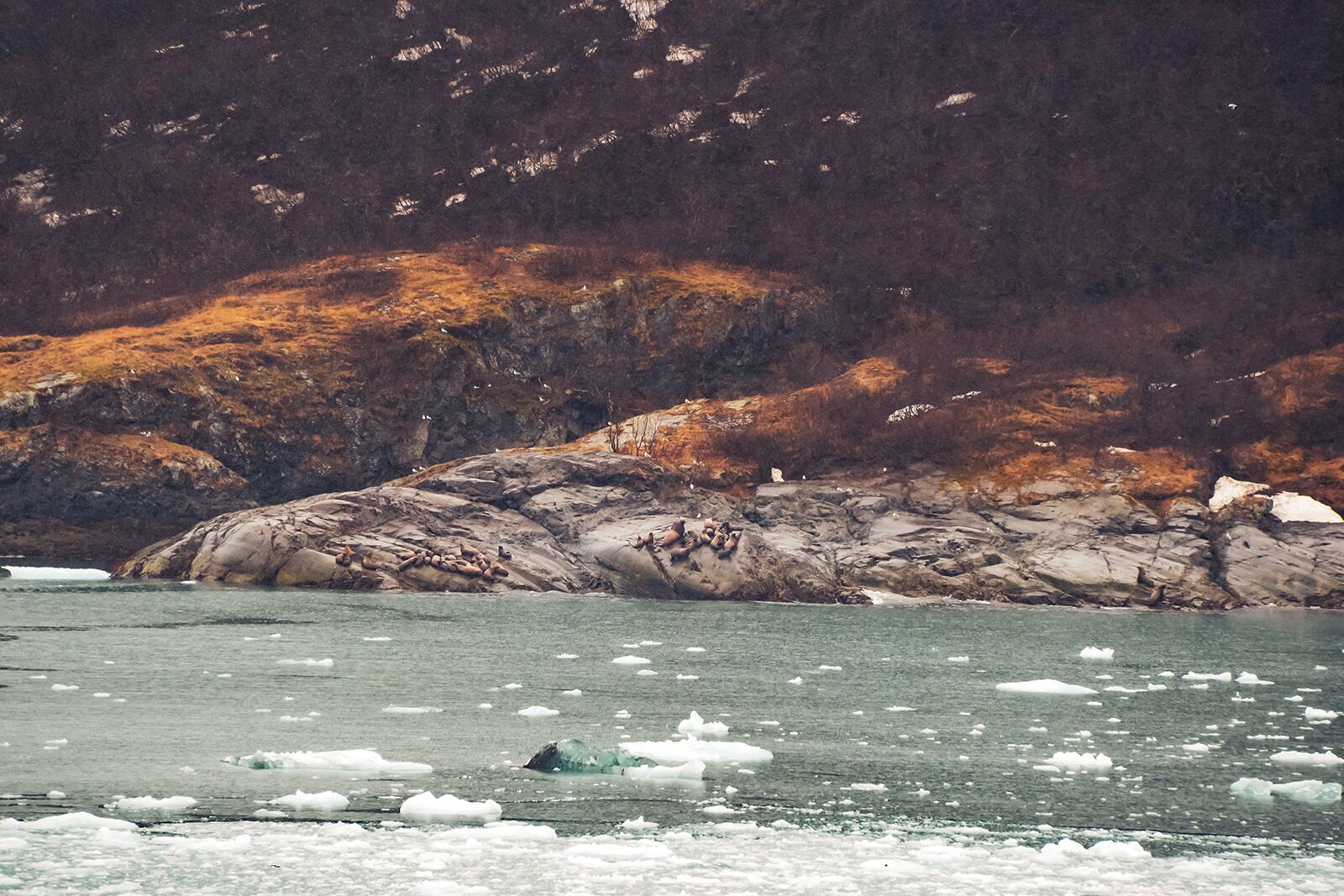
It was here that we spotted the Steller sea lion. These animals are a conservation bellwether; the Western population is currently listed as endangered by the IUCN, while the Eastern population is considered near-threatened. Observing them hauled out on rocky peninsulas, their massive forms blending into the gray coastal granite, required significant patience and the steady use of optics.
Ketchikan: Eagles and Forest Life
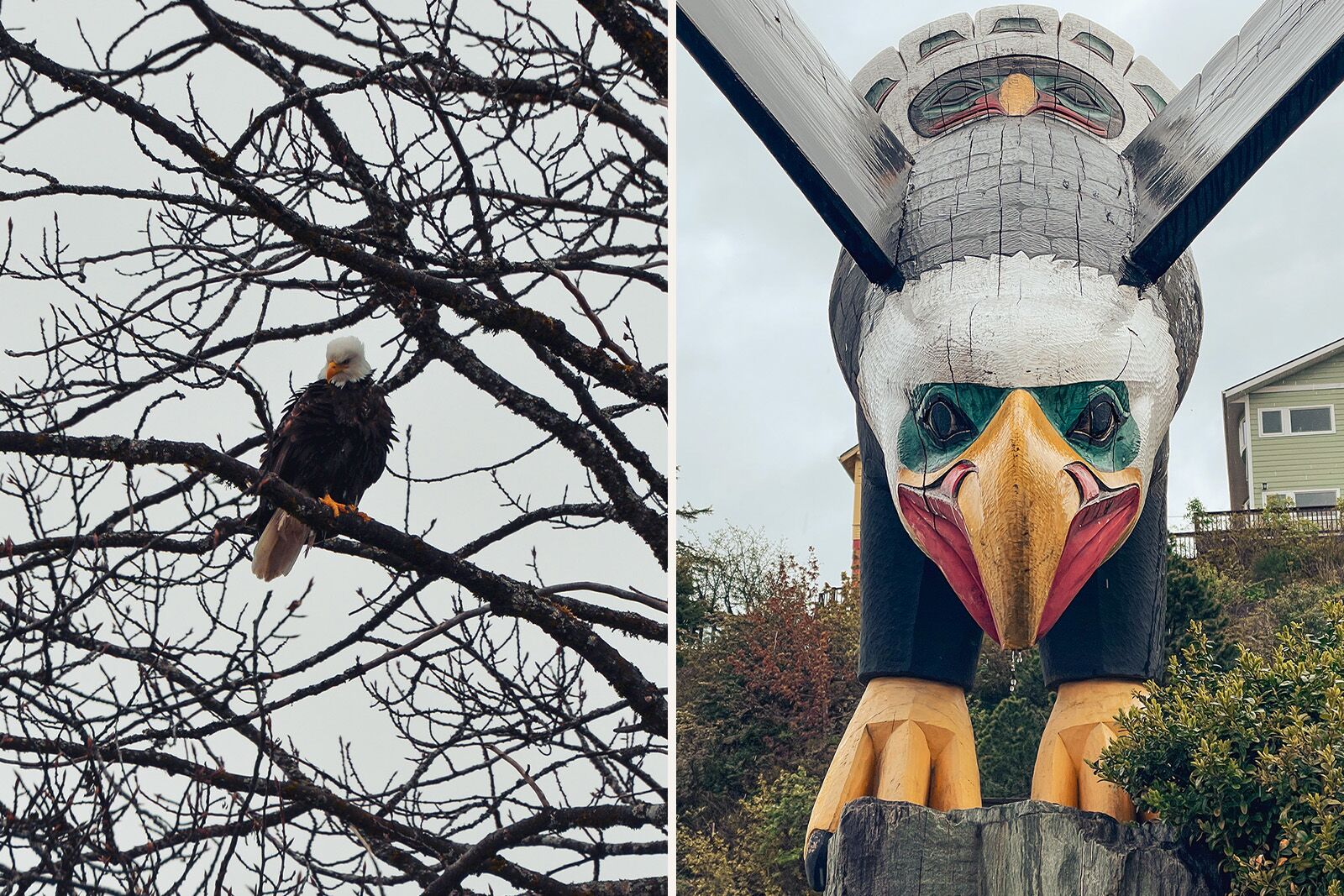
Ketchikan serves as the cultural and natural hub for many cruise lines. With an estimated 70,000 bald eagles residing in Alaska, the state holds the largest population in the nation. During the salmon run, which spans from May through September, the coastal areas are primary hunting grounds for these raptors.
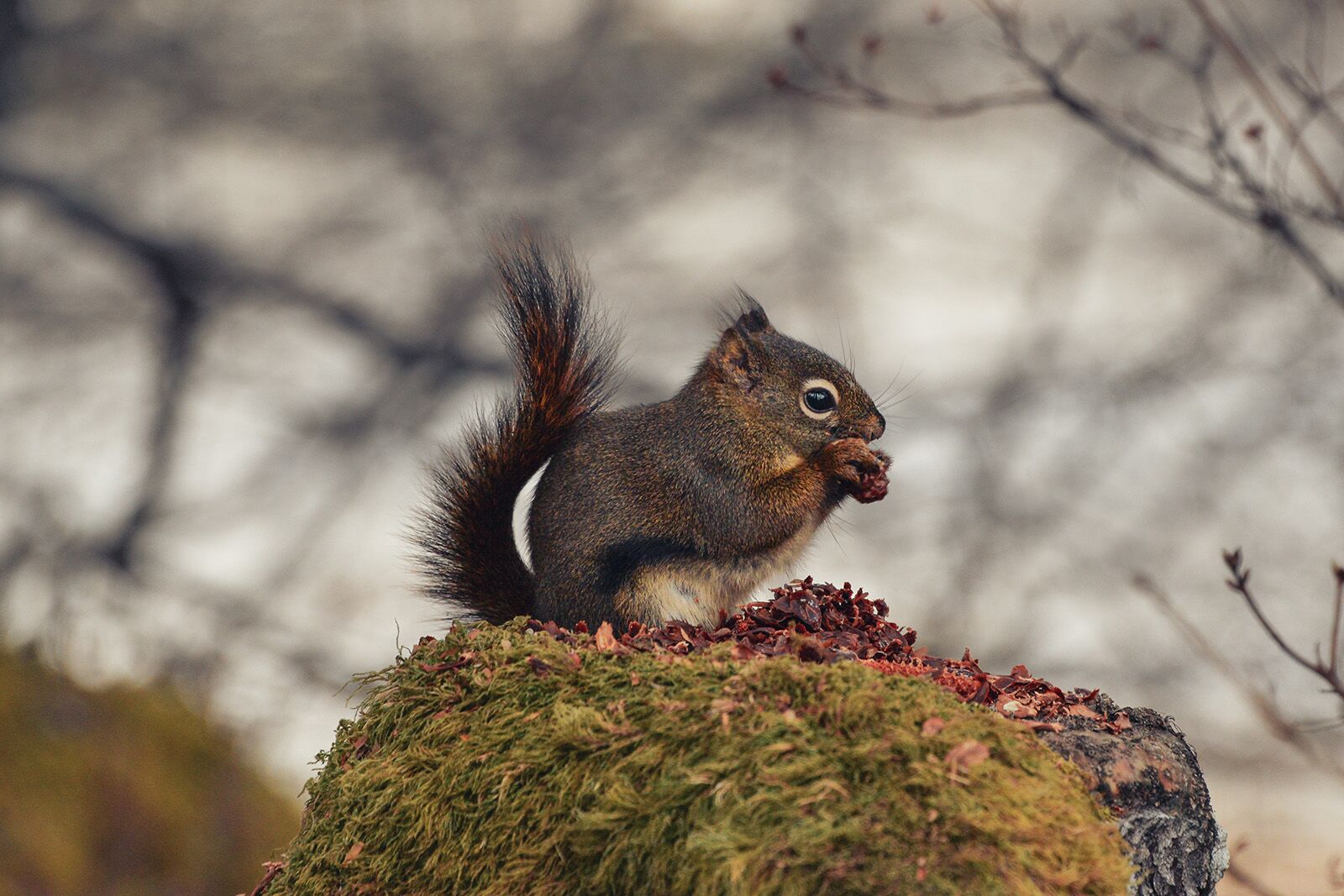
Beyond the charismatic megafauna, the Alaskan forest offers a dense, complex ecosystem. During a brief shore hike, I encountered a red squirrel engaged in the rhythmic process of dismantling a pine cone. This behavior, observed repeatedly throughout the forest floor, served as a reminder that the Alaskan wilderness is built upon the labor of its smallest inhabitants.
Supporting Data: The Biological and Cultural Context
The diversity of the region is supported by extensive data from the Alaska Department of Fish and Game. The transition from spring to summer marks the mass arrival of humpback whales, which migrate from breeding grounds in Hawaii, Mexico, and Japan to the nutrient-rich waters of the Inside Passage.
| Species | Primary Habitat | Best Viewing Season |
|---|---|---|
| Orcas | Fjords & Coastal Waters | May – August |
| Humpback Whales | Inside Passage | May – September |
| Bald Eagles | Coastal Trees/Rivers | May – September |
| Steller Sea Lions | Rocky Peninsulas | Year-round |
| Coastal Brown Bears | Beaches & Streams | June – August |
The cultural integration of these animals is best observed in the Tlingit heritage. The Totem Heritage Center in Ketchikan provides essential context for how these animals have been immortalized in art and folklore for centuries.
Official Responses and Conservation Implications
Conservation efforts in Southeast Alaska are currently focused on balancing the influx of cruise ship tourism with the protection of marine corridors. The National Park Service (NPS) and various cruise industry partners have implemented strict guidelines regarding whale-watching distances and speed limits in high-traffic zones to prevent vessel strikes.
Furthermore, the Indigenous ownership of ports like Icy Strait Point signifies a shift toward sustainable tourism management. By controlling the destination, local Tlingit communities ensure that wildlife management is prioritized alongside economic development, providing a model that could be adopted across other high-traffic wilderness areas.
Implications for the Future Traveler
The overarching takeaway from a 2026 Alaskan cruise is that the experience is dictated by the traveler’s intent rather than their bank account. Whether you are on a mega-ship or a private charter, the wildlife does not discriminate.
The implications for the industry are clear: travelers are becoming more sophisticated. They are no longer satisfied with passive sightseeing; they are seeking educational, ethical, and intimate encounters with nature. The shift toward spring sailings offers the benefit of seeing animals in their active, migratory phases, though it requires a higher tolerance for erratic weather.
As climate change continues to impact the structural integrity of tidewater glaciers and the migratory patterns of marine mammals, the importance of "mindful cruising" becomes paramount. Passengers are encouraged to engage with local guides, respect wildlife distancing protocols, and support Indigenous-led excursions. By doing so, the Alaskan cruise industry can transform from a mere transportation service into a conduit for environmental education and conservation.
In conclusion, Alaska remains one of the few places where the wild feels truly close. Whether it is the flash of a hummingbird’s red throat against a gray glacial sky or the haunting call of a sea lion colony, the rewards of the journey are available to anyone willing to look—provided they have the right equipment and the patience to watch.
 Nana Wu
  Jia Lissa
  Evan Lee Salim