
 By Basiran
For decades, the American drugstore served as a cultural touchstone—a place where the clinical necessity of prescriptions met the nostalgic comfort of the soda fountain. While those iconic counters have largely vanished, replaced by sprawling aisles of consumer goods, the fundamental purpose of the local pharmacy has shifted. Today, CVS and Walgreens are no longer just repositories for pills and tinctures; they have evolved into essential neighborhood hubs for food and pantry staples.
In an era where convenience is currency, these chains have become the default solution for late-night snack runs, last-minute ingredient needs, and, for many, the primary source of food in "pharmacy deserts." But when forced to choose between the two retail giants for your grocery needs, which chain truly delivers? The answer lies in a complex interplay of pricing strategies, reward ecosystems, inventory breadth, and delivery logistics.
The Evolution of the Drugstore Pantry
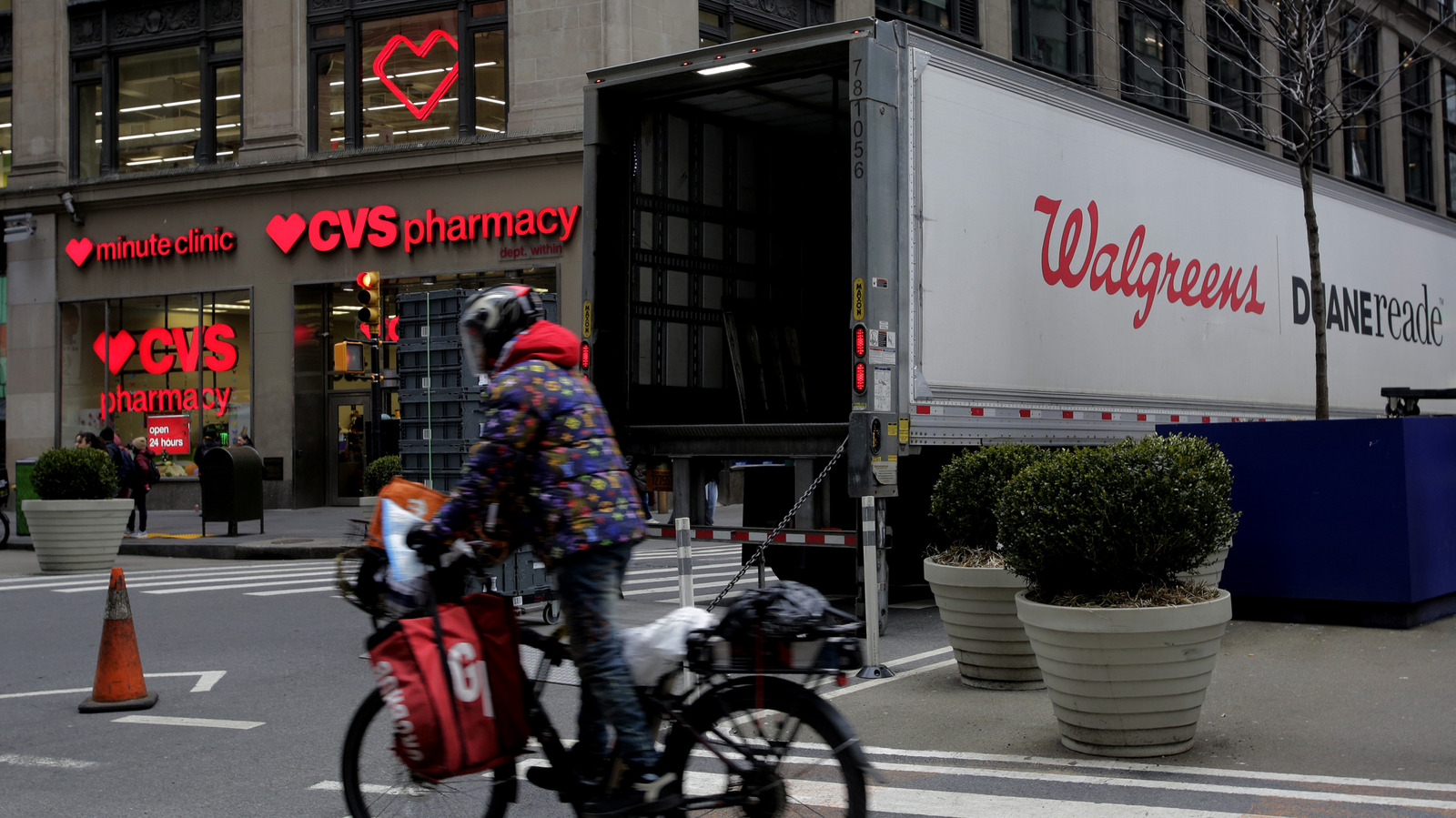
The transition of CVS and Walgreens into de facto grocers was not accidental. By integrating robust food and refrigerated sections, both chains have successfully increased foot traffic, incentivized repeat visits, and provided a critical service to urban communities lacking access to traditional supermarkets.
However, the "grocery" experience at these stores is fundamentally different. While a traditional grocery store focuses on fresh produce and raw ingredients for scratch cooking, pharmacies prioritize "grab-and-go" convenience. Yet, as the lines blur, customers are increasingly looking to these stores for more than just a pack of gum.
Delivery Logistics: Who Gets the Groceries to Your Door Faster?
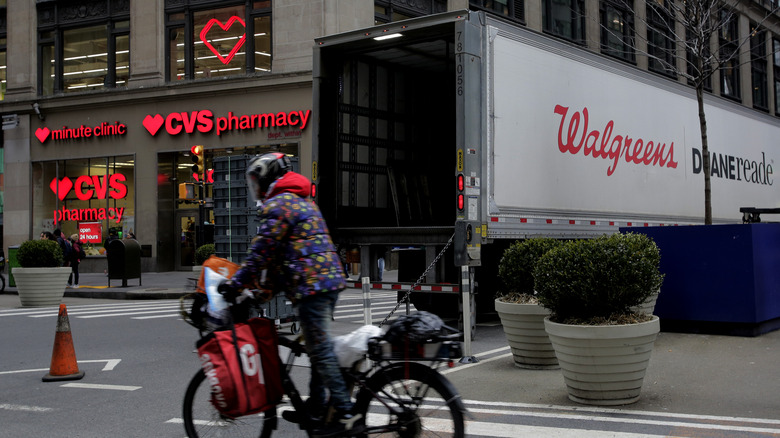
In the digital age, the quality of a retailer’s grocery service is often defined by its delivery and pickup efficiency. Both CVS and Walgreens have invested heavily in e-commerce, allowing customers to bypass the aisles entirely.
CVS: The Precision-Focused Approach
CVS offers a streamlined delivery system, often promising orders within a three-hour window. This is highly reliable for those planning ahead, though it can fluctuate during high-demand periods like holidays or inclement weather. One of the standout features of the CVS model is its integration with the ExtraCare Plus program. While standard deliveries carry a fee, subscribers can access free delivery on orders exceeding the $10 minimum, making it a compelling option for those who frequently need small, top-up grocery orders.
Walgreens: The Speed-First Contender
Walgreens has positioned itself as the faster alternative. Boasting an impressive one-hour delivery window, the chain is clearly targeting the "emergency" shopper. Their delivery fee structure is also more transparently favorable for bulkier orders: a $5.99 fee is standard, but it is waived entirely for orders exceeding $35. For shoppers looking to pick up their orders in person, Walgreens’ system is particularly efficient, with many locations promising orders ready for collection in as little as 30 minutes.
The Pricing Tug-of-War: Is CVS Actually More Expensive?
The most common consumer sentiment regarding pharmacy groceries is that they carry a "convenience premium." However, when comparing CVS and Walgreens, the consensus among regular shoppers—and the data—points to a distinct disparity.
The Case for Walgreens’ Affordability
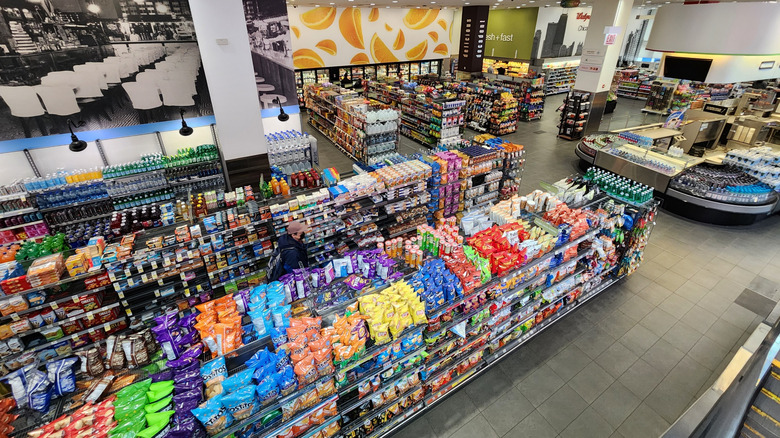
Walgreens is widely regarded as the more affordable option for everyday grocery staples. When purchasing items like bottled water, milk, eggs, or cereal, the price gap is noticeable. In many markets, identical items at CVS are marked up by $1 to $3 compared to their counterparts at Walgreens. For high-ticket items like olive oil or specialty pantry goods, the price at CVS can sometimes be double that of Walgreens.
The CVS "Rewards" Paradox
CVS manages to combat its higher shelf prices through a highly sophisticated—if sometimes complex—rewards system. The ExtraCare program is arguably one of the most effective retail loyalty schemes in the United States. For the savvy shopper who diligently tracks coupons and utilizes the ExtraCare Plus membership, the effective cost of goods at CVS can drop below competitor pricing. However, this requires a level of engagement and "coupon-stacking" strategy that the average shopper may find exhausting.
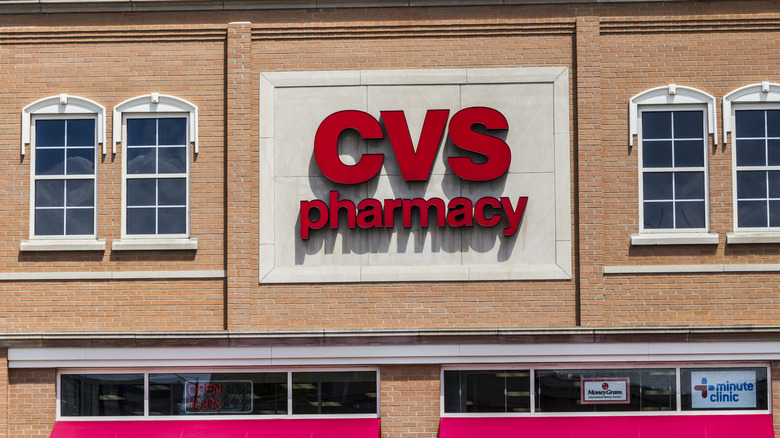
Walgreens’ rewards system, by contrast, is generally perceived as less lucrative. With a 1% return on spend compared to CVS’s 2%, and a less reliable coupon application process, the casual shopper is likely to find lower prices at Walgreens without having to perform mental gymnastics at the register.
Inventory Breadth: A Tale of Two Philosophies
The "grocery" experience at these two stores differs significantly in terms of variety and intent.
Walgreens: The "Mini-Market"
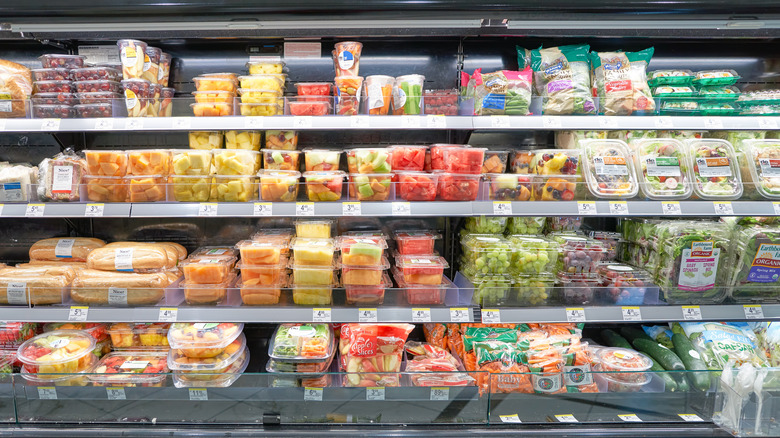
Walgreens has leaned heavily into the grocery experience. Its shelves are often curated to mimic a small-format supermarket, featuring a broader range of pantry staples, frozen goods, and, most notably, fresh produce. The availability of fresh fruits and vegetables in many urban Walgreens locations has been a vital development for communities that might otherwise be classified as food deserts.
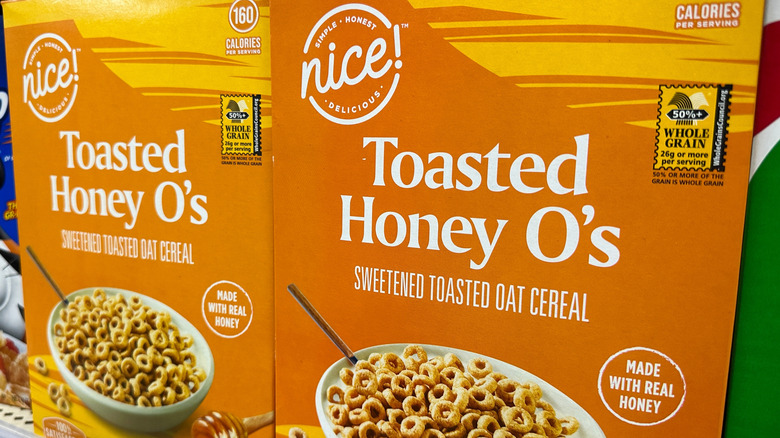
Furthermore, Walgreens’ store-brand, "Nice!", has developed a cult following. By focusing on products free from artificial dyes, sweeteners, and flavors, and offering organic options at a fraction of the cost of name brands, Walgreens has successfully bridged the gap between convenience and quality.
CVS: The Convenience Specialist
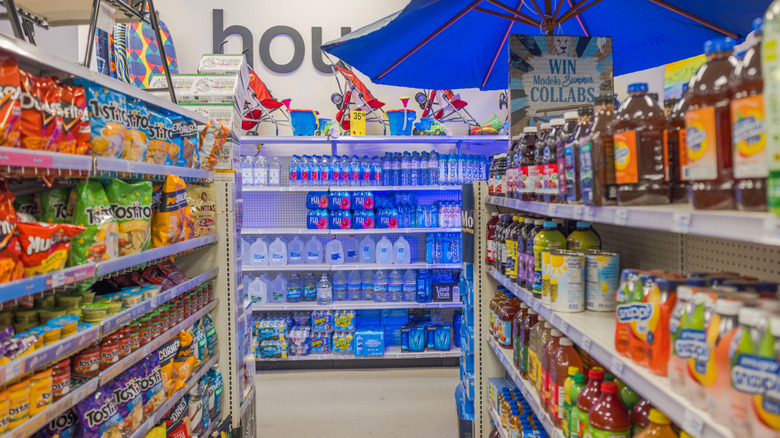
CVS, conversely, operates more like an upscale convenience store. While they have experimented with expanded fresh food sections in select urban markets, their core strength remains in shelf-stable snacks, beverages, and brand-name pantry staples. If you are looking for a quick snack or a last-minute box of pasta, CVS is perfectly adequate. However, it rarely attempts to compete with the sheer diversity of staples found at a local Walgreens.
Supporting Access: SNAP and EBT Integration
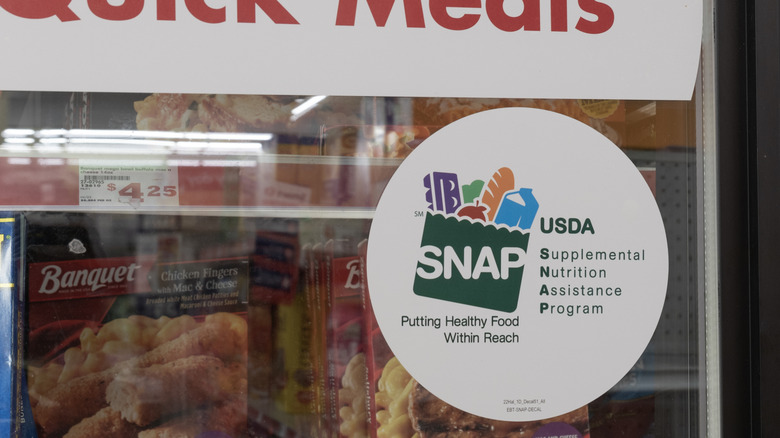
Both retailers have demonstrated a strong commitment to accessibility by integrating SNAP and EBT benefits into their payment systems.
- In-Store Convenience: Both chains accept EBT at the vast majority of their locations, ensuring that essential food items are accessible to all demographics.
- Delivery Integration: Perhaps more importantly, both retailers have partnered with third-party delivery services like DoorDash, Uber Eats, and Instacart to allow for EBT-eligible grocery delivery. This is a game-changer for individuals with limited mobility or those living in areas with poor public transportation, effectively bringing the pharmacy’s inventory to their doorstep while honoring their nutritional benefits.
The Final Verdict: Which One Should You Choose?
When weighing the evidence, Walgreens emerges as the superior choice for consistent, everyday grocery shopping.
The reasons are twofold:
- Reliability of Price: You do not need to be a "coupon master" to walk out of a Walgreens with a reasonably priced basket of goods. The shelf prices are more competitive, and the "Nice!" brand provides a high-quality, budget-friendly alternative to name brands.
- Product Variety: The inclusion of fresh produce and a wider array of pantry staples makes Walgreens a more functional "one-stop-shop" than CVS.
However, CVS maintains a clear advantage for the power-shopper. If you are willing to invest the time into their ExtraCare rewards ecosystem, the potential for deep discounts can make CVS the cheaper option for specific, high-frequency purchases. Furthermore, for shoppers who value a clean, quick, and efficient in-store experience, CVS often provides a slightly more streamlined, less crowded environment.
Ultimately, the choice depends on your shopping style. If you want a quick, affordable, and broad selection of staples without the need for complex loyalty strategies, head to Walgreens. If you are a strategic shopper looking to maximize rewards on specific name-brand items, CVS will serve you well. As these pharmacies continue to evolve, one thing remains certain: the days of the drugstore being only for medicine are long gone, and the modern consumer is reaping the benefits of this competitive retail landscape.
 Lina Irawan
  Lina Hope
  Reynand Wu